
Proudly American
In Your Area · Local Pros · Free Written Estimate

Chimney Cap Installation in Florida — 316 Marine-Grade

Chimney cap installation, repair, and replacement by local pros in your area. Free estimate before any work starts, same-day scheduling, written workmanship warranty.

Chimney Cap Installation in Florida — 316 Marine-Grade
Family-OwnedFree EstimatesUpfront PricingSame-Day

Get a Free Estimate

Takes about 30 seconds.

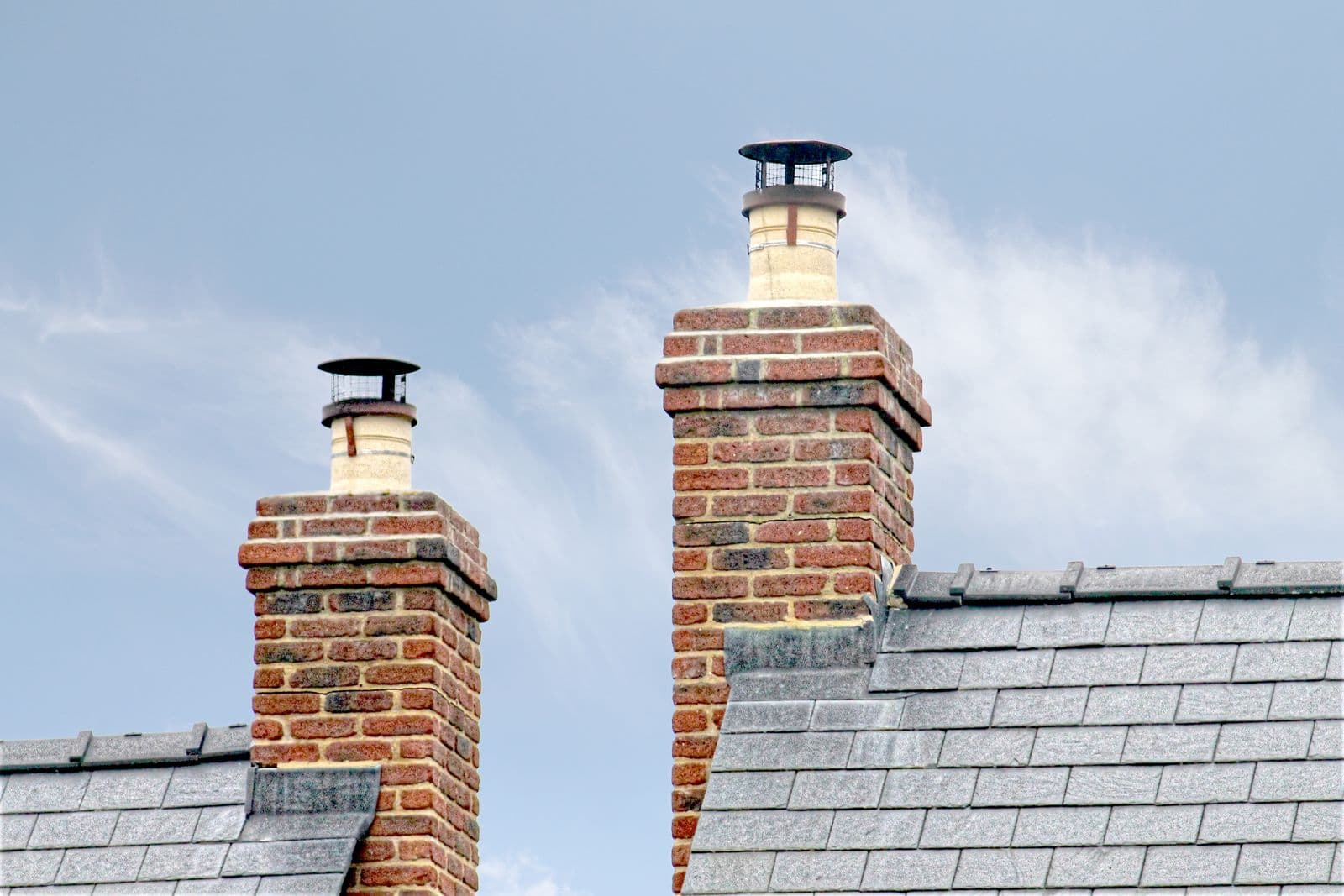
Chimney cap installation is one of the most consequential single-component installations on a chimney. The cap protects the flue from rain, animals, and debris; the wrong cap material rusts through in 18-36 months on a coastal home and leaves the chimney exposed during exactly the season — storm and high-wind — when exposure does the most damage.

Whether your cap is rusting, loose, missing after a storm, or was never installed in the first place, the fix is a single visit with the right material on the truck. Skip down to the estimate form, or call (754) 328-2421 for same-day scheduling with a local pro.

Our Services

Chimney Cap Installation from your local pro

Single-Flue Cap

Standard 316 marine-grade stainless single-flue cap fitted to one flue. Includes removal of existing cap, fastener replacement, and sealing.

Multi-Flue Cap

Larger multi-flue cap covering the entire chimney top. Appropriate for chimneys with multiple flues or a shared chase with utility vents.

Copper Cap (Historic)

Copper cap installation for historic-district homes. Develops authentic patina; matches the architectural era of older properties.

Outside-Mount Cap

Cap that mounts over the entire crown surface rather than over individual flues. Protects the crown from rain in addition to keeping animals out.

Every estimate is written before any work starts and what we quote is what you pay.

Why a coastal Florida chimney cap is a different job than an inland one

A salt-battered chimney on Naples' Gulf coast is a different job than an inland Orlando chimney fighting year-round humidity and summer thunderstorms — and the cap that survives on one will not survive on the other. Within a few miles of the Atlantic, Gulf, or the Keys, airborne chloride from salt spray attacks metal aggressively. Standard galvanized caps that hold up inland rust through in 18-36 months on waterfront homes from the Space Coast to Sanibel. Standard 304 stainless steel hardware pits and fails within two years on coastal chimneys.

The correct coastal spec is 316 marine-grade stainless or copper, full stop. Any cap installation contractor who is not flagging cap material grade during the quote is going to leave you with a callback in a couple of years. Local pros default to 316 marine-grade on every coastal installation and document the material grade on the written installation receipt that goes home with the homeowner. Inland Central Florida homes — and the Panhandle, the one part of the state that still sees occasional hard freezes — get the grade and detailing appropriate to those conditions.

The cost premium for marine-grade materials is modest — typically 15-25% above a standard residential cap — but the durability difference in Florida's salt-air and storm conditions is significant: 15+ years versus 5-7 years for galvanized. Over a homeowner's tenure in the property, marine-grade pays for itself multiple times over.

Chimney cap sizing and fit considerations

Chimney caps are not one-size-fits-all. Sizing depends on the flue dimensions (round, square, or oval; specific inside diameter), the chimney crown configuration (single-flue, multi-flue, with or without utility vents), and the mounting style (over-the-flue, outside-mount, custom). A cap that is too small does not seat properly; a cap that is too large is harder to secure and looks visually wrong.

Local cap installation visits always begin with measurement and documentation of the existing flue and crown. The pro measures the flue dimensions, photographs the crown surface, and confirms the cap stock matches before installation proceeds. If the right size is not on the truck, the pro reschedules for a follow-up visit rather than forcing the wrong cap onto the chimney.

Mesh sizing on the cap matters too. The mesh keeps animals and embers out but must not be so fine that creosote and ash clog it during heavy fireplace use. The sweet spot is typically 5/8-inch mesh — small enough to exclude the squirrels, raccoons, and nesting birds common in Florida, large enough that even an actively-used wood fireplace will not clog the mesh within a year.

Chimney cap installation process — what to expect on visit day

Visit day starts with a 30-minute pre-arrival call confirming the appointment window. The crew arrives with the specified cap model, the proper mounting hardware, drop cloths for any interior access, and a HEPA-filtered vacuum in case the cap removal disturbs any creosote in the upper flue.

Roof access setup takes 10-15 minutes — safety equipment, drop cloths to protect the roof tiles, and the cap and tools staged for the work. Removal of the existing cap takes 15-30 minutes depending on how the prior cap was secured and how much corrosion has bonded it to the flue tile. The new cap is fitted, secured with stainless fasteners, and sealed where appropriate with high-temperature silicone designed for chimney use.

A final visual inspection from the roof confirms the cap is seated correctly, the mesh is intact, and any sealing is properly applied. Photographs of the finished installation go into the project record. The written installation receipt and warranty document are emailed within one business day; the homeowner receives a printed copy at the time of payment if preferred.

Cap replacement after storm damage

Major storms regularly displace chimney caps — the wind uplift gets under the cap edge, the fasteners that hold a 5-year-old galvanized cap give way, and the cap ends up in the yard (or on a neighbor's roof, or missing entirely). Storm-related cap damage like this may be covered under a homeowner policy subject to the applicable deductible, so it is worth a call to your own carrier.

Local post-storm cap installation is available with same-day or next-day priority dispatch after major storms. The pro gives you a free written estimate for the replacement up front with an upfront, transparent price, installs the new cap, and holds to the figure quoted. With the scope and price in hand, you have a clear number to take to your own homeowner's insurance carrier as you work the claim.

Post-storm replacements default to 316 marine-grade stainless near the coast even if the original cap was lower-grade material. Stepping up to marine-grade prevents the same storm-damage scenario from repeating next storm season, and the cost premium over another round of galvanized is modest. The free estimate spells out the material upgrade so you can decide with eyes open and discuss it with your carrier if a claim applies.

What separates a professional chimney cap installation from an amateur one

A professional chimney cap installation involves measurement before fabrication, climate-matched material selection, weatherproof fastener installation, sealant application at the right curing conditions, and a final inspection from the roof to confirm the installation seats correctly. An amateur installation skips one or more of these steps — usually the measurement (using a generic stock cap that does not fit the specific flue), the material selection (using galvanized where stainless was needed), or the final inspection (leaving the cap loose where wind uplift will dislodge it).

The visible difference between professional and amateur installation usually appears within 18-24 months. The professional installation is still seated correctly, the metal is still corrosion-free, and the fasteners are still tight. The amateur installation is showing visible rust, the cap has shifted from its original position, or the fasteners have given way and the cap is loose or missing entirely.

Our crews perform every step of that professional installation sequence on every job — measurement first, climate-matched material, weatherproof fasteners, and a final roof-level check before packing up.

Chimney cap installation timing and seasonal considerations

The best time to schedule chimney cap installation is during Florida's dry season — roughly late fall through spring — when daily thunderstorms have eased, roof access is consistently safe, and weather delays are minimal. The summer rainy season is workable but includes more rescheduling risk around afternoon storms and lightning.

Hurricane season (June through November) specifically is when post-storm cap replacement demand spikes. Caps that were marginal before a tropical storm or hurricane get displaced or destroyed by wind and wind-driven rain, and the post-storm scheduling window fills quickly across the affected coast. Pre-season cap inspection and proactive replacement before June is the right approach for any cap nearing end-of-life.

The dry season is the best window for non-urgent cap installation. Crew availability is highest, the afternoon storms have backed off, and scope tends to be slightly more competitive because the hurricane-season demand surge has not yet ramped up.

Chimney cap installation — choosing between off-the-shelf and custom-fabricated caps

Most chimney cap installations use off-the-shelf caps from established manufacturers — sized to fit the most common flue dimensions and mounted using standard hardware. Off-the-shelf caps are appropriate for the majority of chimneys built within the last 40 years, where flue dimensions match standard manufacturing sizes.

Custom-fabricated caps become necessary on older or unusual chimney configurations — historic-district chimneys with non-standard flue dimensions, multi-flue chimneys with custom layouts, decorative chimneys where the cap appearance needs to match the architectural era. Custom fabrication adds 1-2 weeks to the project timeline and 40-60% to the materials cost versus off-the-shelf options, but produces a cap that fits the specific chimney correctly rather than approximately.

Local cap installation visits include flue measurement and dimension documentation. The estimate clearly identifies whether off-the-shelf or custom fabrication is the right approach for your specific chimney, and the scope reflects the chosen path. The pro never substitutes an ill-fitting stock cap for the proper custom-fabricated cap to save short-term cost — the long-term result is a leaking, animal-vulnerable chimney that requires re-installation within a few years.

Chimney cap services — beyond just installation

Chimney cap services is the broader category that covers everything cap-related: new cap installation, replacement of failed caps, cap inspection and maintenance, cap repair when partial damage is reparable, custom cap fabrication for unusual flue configurations, and storm-damage cap remediation. Your local pro provides the full range of chimney cap services, not just the cap-installation subset.

The chimney cap services menu typically follows this sequence over the life of a chimney: original cap installation (often by the home builder), routine cap inspection on the annual maintenance visit, sealant refresh on the cap-to-flue joint every 5-7 years, cap repair when localized damage appears (loose fasteners, partial mesh failure), and full cap replacement at end of service life (typically 5-7 years for galvanized, 15-20+ years for 316 marine-grade stainless or copper).

Each step in the chimney cap services lifecycle costs less than the next, and skipping a step accelerates the timeline to the next more expensive step. The economics favor preventive cap services on a regular cadence: a sealant refresh every 5 years prevents the cap replacement that would otherwise become necessary at year 7 instead of year 15. Most homeowners adopt this preventive cadence after their first cap replacement experience.

Custom chimney cap services for unusual chimneys

Most chimneys take off-the-shelf cap sizes from established manufacturers — single-flue caps in standard round/square/oval dimensions, multi-flue caps for chase configurations with up to 4 flues, and outside-mount caps for crown-covering designs. About 90% of cap services use stock caps fitted to the specific flue.

The remaining 10% require custom-fabricated chimney cap services. Common reasons for custom fabrication: historic-district chimneys with non-standard flue dimensions that pre-date current manufacturing sizes; multi-flue chimneys where the chase layout does not match stock multi-flue cap footprints; decorative chimneys where the cap appearance must match a specific architectural era; or unusual configurations such as combined wood-and-gas chases that require segregated cap zones.

Custom chimney cap services add 1-2 weeks to the project timeline (fabrication lead time) and 40-60% to the materials cost versus off-the-shelf alternatives. The labor cost is similar to standard installation. The pro measures during the in-home estimate visit, sends the dimensions to the fabrication shop, and receives the custom cap within 7-14 business days for final installation.

Chimney cap repair — when repair is appropriate vs full replacement

Chimney cap repair is a distinct scope from cap replacement, appropriate when the existing cap has localized damage that can be addressed without removing the entire cap. Common chimney cap repair scenarios: loose or missing fasteners (the cap is structurally intact but no longer firmly secured to the flue), partial mesh damage (the mesh has a hole or tear but the rest of the cap is in good condition), sealant failure at the cap-to-flue joint (the cap is intact but the sealant has aged and water entry is starting), and minor surface corrosion that can be treated rather than requiring full cap replacement.

Chimney cap repair is priced by the specific repair scope. Fastener replacement is the lowest cost, followed by a sealant refresh at the cap-to-flue joint, a mesh patch or partial mesh replacement, and surface treatment for corrosion. All are single-visit jobs lasting 45-90 minutes onsite.

The decision between chimney cap repair and chimney cap replacement depends on three factors: (1) age of the existing cap (caps under 5 years old are usually worth repairing; caps over 10 years are usually better replaced); (2) extent of damage (localized damage = repair; widespread corrosion = replace); (3) material grade of the existing cap (galvanized caps are often not worth repairing beyond the simplest fixes; marine-grade stainless caps justify more substantial repair investment).

Not sure which side of the line your cap falls on? Call for an assessment visit. The pro documents the current cap condition with photographs and quotes both the repair scope and the replacement scope so you can choose the appropriate path based on your specific cap and budget.

Chimney cap replacement — when replacement is the right call

Chimney cap replacement is the right scope when the existing cap has reached end of service life or sustained damage beyond what repair can address. Common chimney cap replacement scenarios: an original galvanized cap at year 5-7 (typical end-of-life for galvanized hardware in coastal conditions), a storm-damaged cap that has been displaced or destroyed, a cap that has rusted through producing visible holes or perforations, and an original undersized cap that does not properly fit the flue (common on older installations).

Chimney cap replacement scope follows the same tiers as new cap installation: standard single-flue 316 marine-grade stainless replacement is the baseline, then multi-flue or outside-mount cap replacement, then copper cap replacement for historic homes. Replacement includes removal and disposal of the old cap, new cap fitting, fastener installation, sealant application at the cap-to-flue joint, and the written workmanship warranty on the new cap installation.

The most common chimney cap replacement scenario near the coast is an original galvanized cap reaching end of life. Galvanized caps installed by builders 5-10 years ago are now systematically failing across coastal corridors. Stepping up to 316 marine-grade stainless is the right move at this point — the cost premium versus another round of galvanized is modest, and the durability difference (15+ years versus another 5-7) makes the math straightforward.

Think your cap is due? Call for an in-home assessment. Same-day scheduling for most replacements; same-day or next-day for post-storm replacement situations.

Custom chimney cap fabrication — when off-the-shelf does not fit

Custom chimney cap fabrication is the right scope when an off-the-shelf chimney cap will not properly fit the chimney opening — and custom fabrication situations are far more common than most homeowners expect. Off-the-shelf chimney caps are manufactured for standardized flue diameters (typically 8x8, 8x13, 13x13, and round 8", 10", 12") and standardized multi-flue chimney crowns (24x24, 32x32, etc.). Any chimney that falls outside those standardized dimensions — older historic chimneys with non-standard flue tile sizes, multi-flue chimneys with unusual flue arrangements, oversized crown chimneys, or chimneys with damaged crowns where the standard cap will not seat properly — requires custom chimney cap fabrication.

The custom chimney cap fabrication process starts with a precise field measurement visit: roof-level dimensions of the existing crown, flue tile dimensions (length, width, height-above-crown), crown geometry (square, rectangular, irregular), and any cap-specific design preferences the homeowner has (decorative finial, copper accent, specific mesh size for animal exclusion). The measurements are documented photographically and dimensionally, then sent to a fabrication shop where the custom cap is cut, welded, and finished from 316 marine-grade stainless steel or copper depending on the customer's selection.

Custom chimney cap fabrication lead times run 2-4 weeks from measurement visit to installation. The fabrication itself takes 5-10 business days; the rest of the time covers material lead time, finishing/coating cure time, and installation scheduling. Custom fabrication scope depends on cap size, material selection (316 stainless on the low end, copper or copper-plus-stainless on the high end), and design complexity (simple flat-top vs. decorative finial vs. multi-flue with individual flue caps). Every custom fabrication carries a written workmanship warranty plus the manufacturer's own material warranty.

If your chimney does not take a standard cap, schedule a field measurement visit. The visit produces a free quote within 3-5 business days covering cap design, material selection, fabrication lead time, and installation date. Custom chimney cap fabrication is the right scope when standardized caps will not fit; for standard-flue chimneys, off-the-shelf cap installation is the more cost-effective path.

Stainless steel chimney cap — why 316 marine grade is mandatory for coastal homes

Stainless steel chimney cap is the dominant chimney cap material category — and for Florida homes near the Atlantic, the Gulf, or the Keys, the specific grade of stainless steel matters dramatically more than most homeowners realize. The two common stainless steel grades for chimney caps are 304 stainless (general-purpose, used for inland Florida chimney caps well away from the shoreline) and 316 marine-grade stainless (specifically formulated for salt-air exposure, used for coastal installations). The difference between 304 and 316 is the inclusion of 2-3% molybdenum in 316, which provides dramatically improved resistance to chloride-induced corrosion — the specific corrosion mechanism that Florida's salt air drives in coastal environments.

Stainless steel chimney cap longevity varies by grade in predictable patterns. 304 stainless chimney caps installed on coastal homes typically show visible corrosion (rust streaking, pitting) within 3-7 years and require replacement within 10-15 years. 316 marine-grade stainless caps on the same coastal exposure typically go decades before any replacement is needed. The price premium for 316 over 304 is roughly 20-30% at the cap level, and the lifecycle savings are substantial.

Local stainless steel chimney cap installation defaults to 316 marine-grade for every coastal installation (the wrong grade would cause warranty issues within years), with type 304 stainless available on request for inland chimney installations well away from the coast. The installation process includes precise cap sizing from field measurements (no estimating from the truck), stainless mounting hardware (using carbon steel screws on a stainless cap creates a galvanic corrosion point that destroys the cap from the mounting points outward), and a sealed flashing detail between cap and crown to prevent water entry around the mounting perimeter.

Ready to upgrade to stainless? Call for installation scheduling. Your local pro carries 316 marine-grade stainless chimney caps in every standard flue size, plus custom fabrication for non-standard chimneys. Installation scope depends on cap size, multi-flue vs single-flue, and access difficulty. Same-day scheduling for in-stock cap sizes; 2-4 week scheduling for custom fabrication.

Cap replacement and cap installation — chimney cap replacement service tiers

Cap replacement and cap installation are the two related service categories that together cover every chimney cap scope. Cap replacement applies when an existing chimney cap is failing, missing, or damaged and needs to be removed and replaced with a new cap; cap installation applies when a chimney has no existing cap (an uncapped flue is the most common configuration on older masonry chimneys) and needs a cap installed for the first time. The two scopes have similar structures but slightly different on-site work scope: cap replacement includes removal and disposal of the existing cap, while cap installation includes only the new cap setup.

Cap replacement scope is priced by cap size, material selection, and access difficulty. The baseline is a standard single-flue replacement with a 316 marine-grade stainless cap, then multi-flue cap replacement with 316 marine-grade stainless, up to premium cap replacement (copper cap, custom-fabricated cap, decorative finial cap). Every cap replacement quote is written before any work starts; the quoted price includes the new cap, the installation labor, removal and disposal of the old cap, and the workmanship warranty paperwork.

Cap installation scope for first-time cap installations is slightly lower than cap replacement because there is no existing cap to remove and dispose of. Most first-time cap installations are on older masonry chimneys that have operated uncapped for decades and are now being capped to address an active issue (animal entry into the flue, water entry through the open flue top, or smoke chamber moisture buildup). The pro typically combines cap installation with a visual inspection during the same visit at a bundled price below the standalone sum.

Whichever scope your chimney needs, one call sets it up. Same-day scheduling for standard cap sizes (your local pro stocks 316 marine-grade stainless caps in every common flue size); 2-4 week scheduling for custom-fabricated cap replacement or cap installation on non-standard chimneys requiring custom measurement and shop fabrication.

Frequently Asked Questions

Common chimney cap installation questions

What does chimney cap installation typically include?
Chimney cap installation covers a standard single-flue 316 marine-grade stainless cap, with higher scope for multi-flue or outside-mount caps and for copper caps appropriate to historic-district homes. Every quote includes materials, installation labor, removal of any existing cap, and a written workmanship warranty with the term stated on your estimate.
What chimney cap material is best?
316 marine-grade stainless steel is the correct default for any chimney near the Florida coast — and 316 resists the chloride pitting from salt air that destroys standard 304 stainless and galvanized hardware within a few years on Atlantic, Gulf, and Keys chimneys. Copper is the premium alternative for historic homes where appearance matters. Galvanized is only appropriate for low-exposure inland properties well away from the shoreline. The local pro matches the grade to whether your home sits on the coast or inland.
How long does chimney cap installation take?
Standard cap installation is a single-visit job lasting 60-90 minutes including roof access, removal of any existing cap, fitting and securing the new cap, and final inspection from the roof. Custom or outside-mount caps occasionally take longer if the crown surface requires preparation, but most installations complete in one morning.
Do you offer chimney cap installation warranties?
Yes. All chimney cap installations carry a workmanship warranty in writing covering installation defects and any leak attributable to the installation itself — the term is stated on your written estimate before the work begins, and the warranty document goes home with the customer the day of installation.
How do I know when my chimney cap needs replacement?
Visible rust streaking down the upper bricks, a dislodged or loose cap from ground view, gaps where the cap meets the flue, missing or damaged mesh, and animal activity at the chimney top all indicate the cap needs attention. Most coastal galvanized caps need replacement within 5-7 years; marine-grade 316 stainless caps last 15+ years.
Can you do chimney cap installation for a real-estate closing?
Yes. Pre-sale cap installations are common — the home inspector flags the cap as needing replacement, the closing-contingency window is ticking, and the seller needs the work done fast. Local pros schedule these within 3-5 business days, give you a free written estimate up front, and hold to the quoted price so the seller can plan the closing around a known number.
How does chimney cap installation pricing work?
Every chimney cap installation from your local pro runs on upfront, transparent pricing. You get a free written estimate before any work starts, and the figure quoted is the figure you pay — no call-center upsells, no surprises once the cap is on. The estimate spells out the cap material, the labor, and the workmanship warranty so property managers, HOAs, and homeowners all see the full picture before the job begins.
What if there is no existing cap on my chimney?
Chimneys without caps are unusual but do appear occasionally — typically on older masonry construction where the original cap deteriorated and was never replaced, or on prefab chimneys where the factory cap failed. The pro installs a new cap matched to the flue type (round, square, or oval) and the chimney crown configuration. Same scope as standard cap installation; same written workmanship warranty.

Service Area

Chimney cap installation coverage in your area

Serving your city and the surrounding suburbs. Share your ZIP when you call (754) 328-2421 and we confirm coverage and match you with the local pro who works your area.

Find your city →

Book your chimney cap installation

Schedule a chimney cap installation with a local pro

Free estimate within one business day. Workmanship warranty.

Free Chimney Cap Installation Estimate

One business day response.

We respond within one business day.