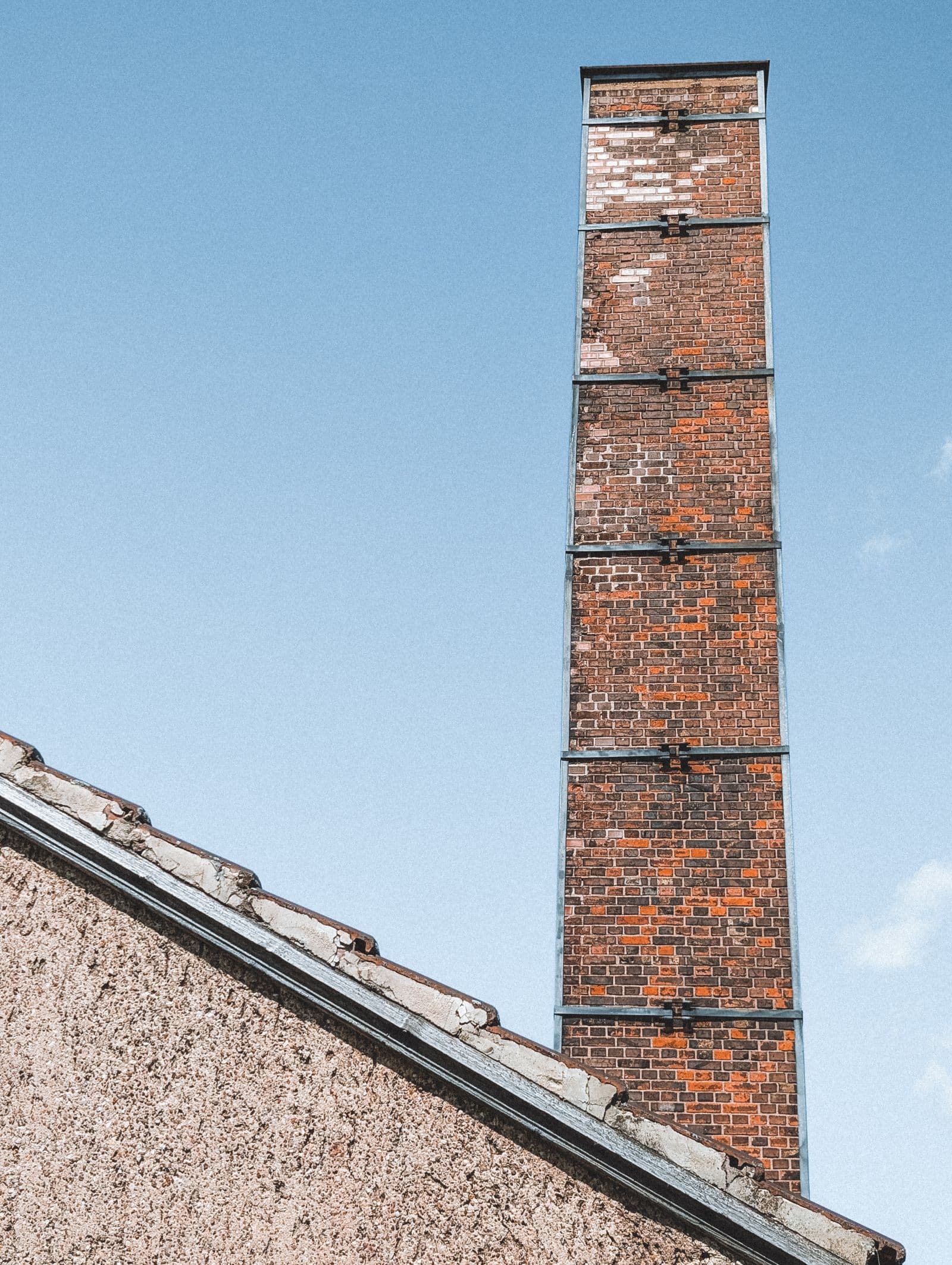
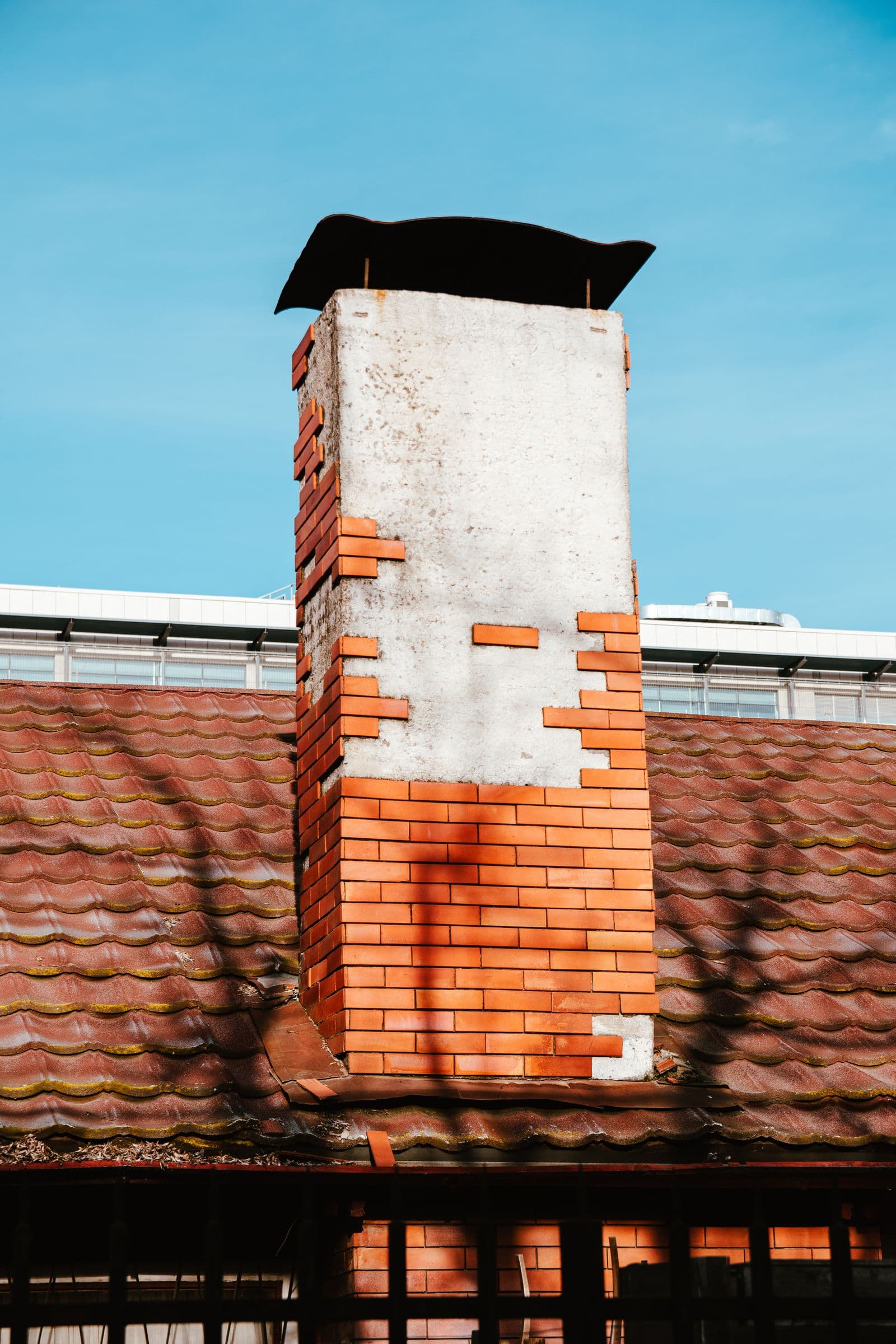
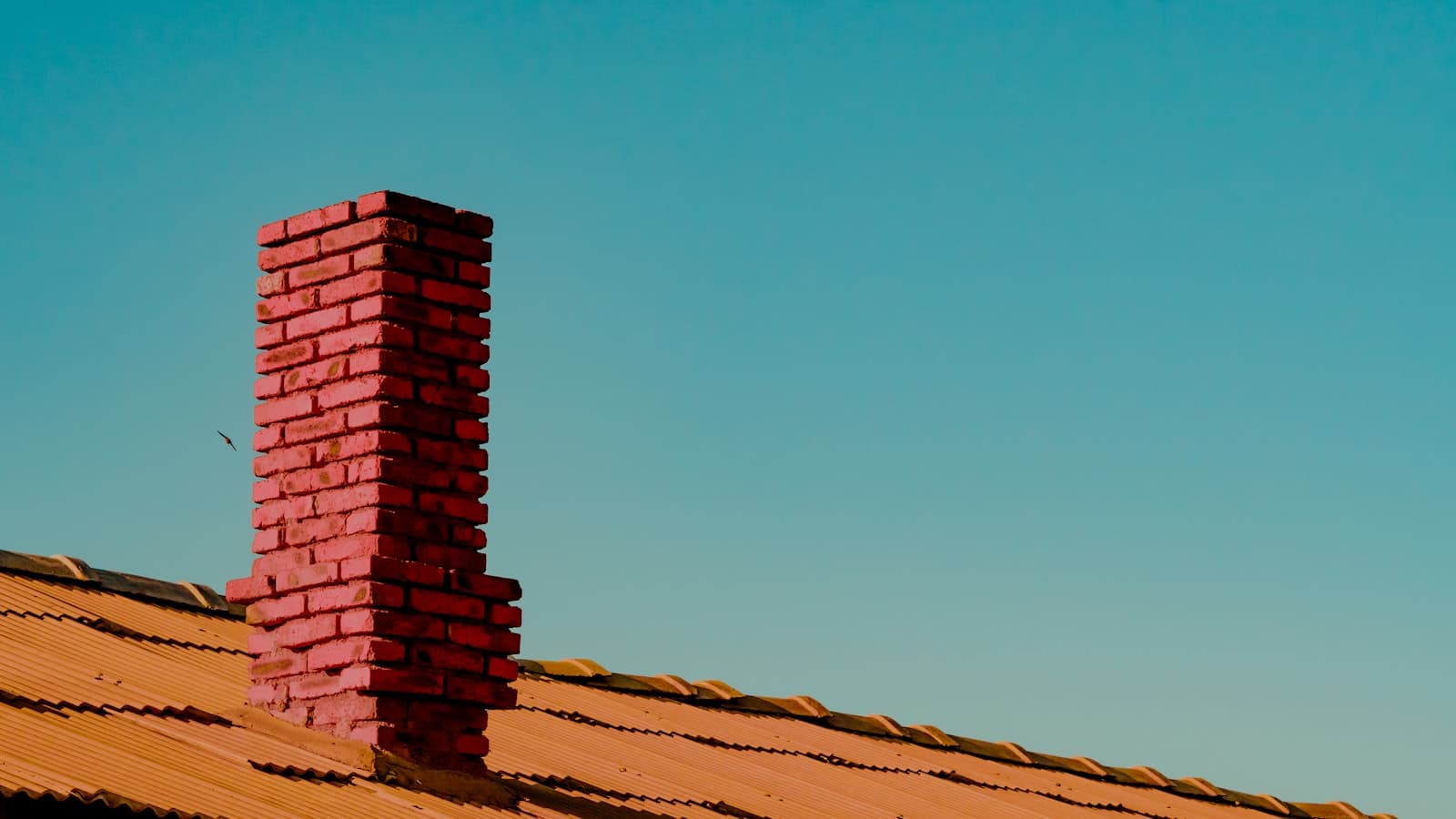
After strong wind or heavy rain, look from the ground for a missing or tilted cap, lifted metal, fresh rust streaks, new masonry cracks, or staining near the chimney. Do not climb onto a wet or storm-damaged roof. Indoors, note when an odor, drip, draft change, or stain appears and whether it is tied to rain, wind direction, fireplace use, or the air-conditioning cycle. A short timeline is often more useful than a general statement that the chimney leaks sometimes.
Before the first cold front, check whether the damper moves, whether debris is visible in the firebox, and whether there has been water or animal activity since the last use. Do not light a fire to test a chimney with an unknown obstruction or visible damage. If an animal may be present, keep the damper closed until the situation is evaluated. Chimney animal removal and capping are related, but removal must come before closing an occupied flue.
When comparing chimney service recommendations in Panama City, ask which observed condition each item addresses. A clear explanation should distinguish urgent safety concerns from water management, maintenance, and appearance. It should also identify whether the request is for cleaning, repair, or a separately scoped inspection. That separation keeps a broad symptom such as odor, smoke, rust, or a wall stain from turning into a list of unrelated work and helps the homeowner make a decision based on the actual chimney.
Depending on the condition, a Bay County property may need chimney repair, leak repair, waterproofing, flashing repair, relining, or hurricane chimney repair. Describe the concern through free estimate or book online to request a technician visit. You do not need to diagnose it yourself.