
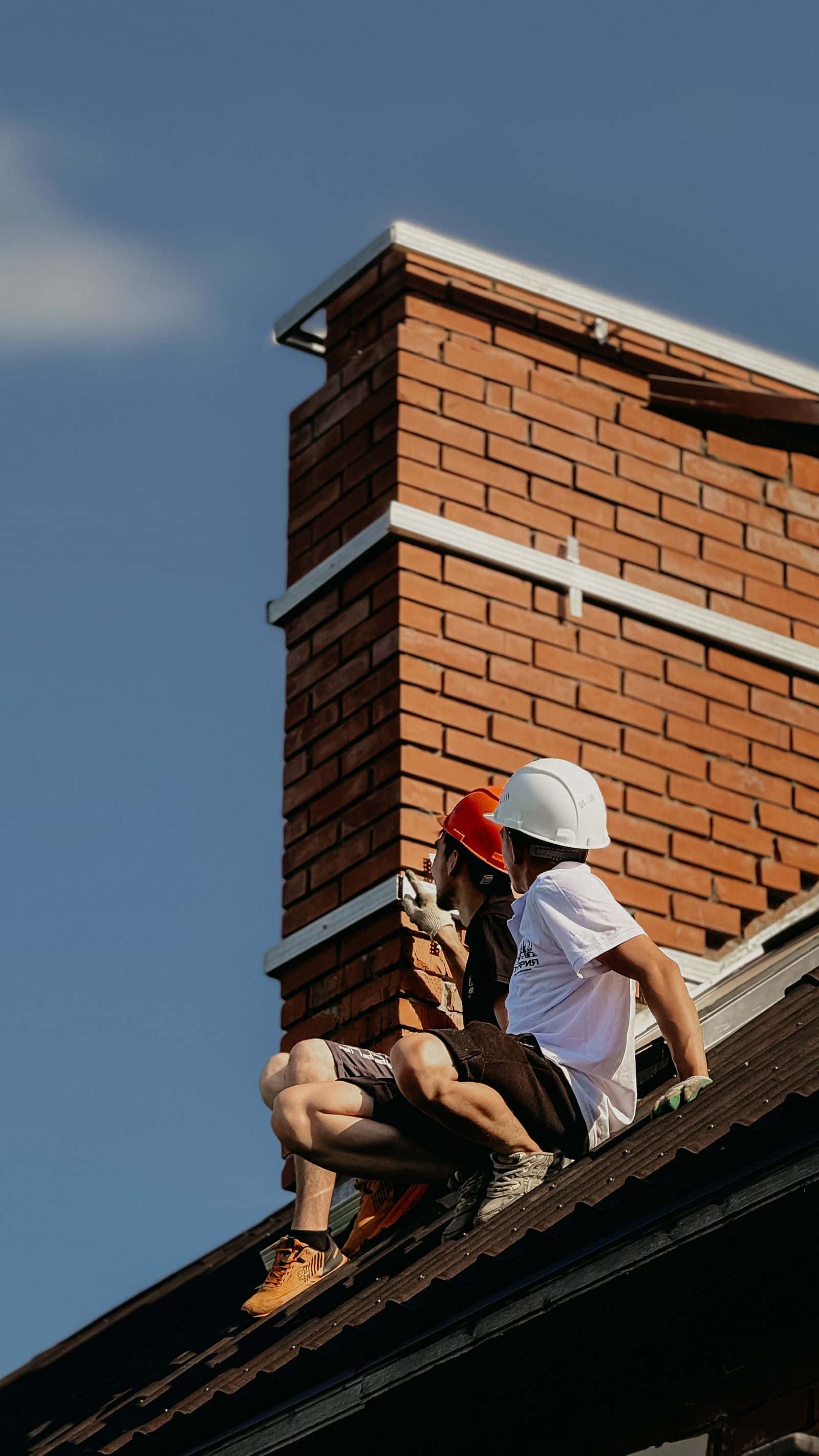
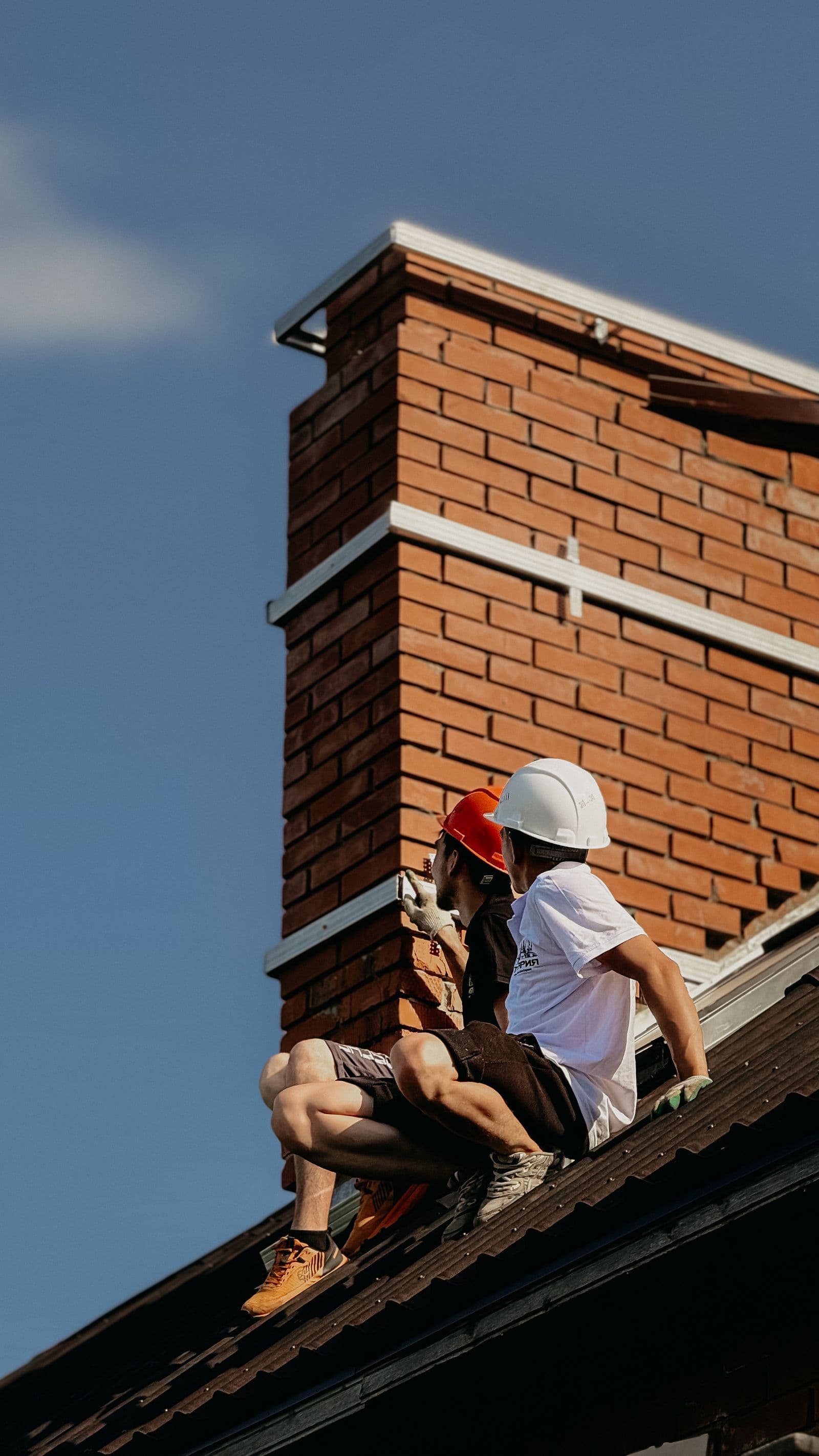
What a chimney liner actually does — and when you need one
The flue liner is the lining inside the chimney that contains combustion gases and protects the surrounding masonry from heat. When it cracks, splits, or was never installed (common in pre-1940 homes), combustion products start finding their way out through mortar joints — including the carbon monoxide that's supposed to leave through the top of the flue. That's the safety issue. The structural issue is heat transferring directly to surrounding combustibles in the wall.
The five situations that drive most relining work
1) Pre-purchase or pre-listing inspection finds a cracked clay tile liner. 2) Unlined chimney discovered during a full-flue inspection (still common in pre-1940s construction). 3) Conversion from oil or wood to gas — different gases need different liner specs. 4) New wood stove insert that requires a UL-listed liner sized to the stove's outlet. 5) Post-chimney-fire — heat damage typically destroys clay liners even when masonry survives.
Stainless 316Ti — the default recommendation
For most chimneys your local pro installs 316Ti stainless. The 316 alloy resists chloride corrosion (coastal air is full of chlorides); the titanium stabilizer prevents intergranular corrosion at the welds. Cheaper 304-alloy liners — which some installers default to — corrode faster under combustion acid attack and in salt environments. The cost difference is modest and the life difference is large.
Stainless comes in two shapes: flexible (corrugated) for chimneys with offsets or bends, and rigid for straight runs where draft efficiency matters most. We measure the actual chimney geometry on the pre-install scope and recommend the right one. Both forms ship in standard sizes; we cut to the exact chimney height on-site.
Aluminum — only for gas-only systems
Aluminum is significantly cheaper than stainless and works fine for low-temperature gas combustion. The catch: it cannot handle wood-burning temperatures or acidic creosote condensation. If there's any chance the chimney will ever serve a wood appliance, we recommend stainless from the start so the relining doesn't have to be redone in five years.
Cast-in-place — when the chimney itself needs reinforcement
For badly compromised chimneys with irregular flue geometry or partial structural failure, a cast-in-place liner is the right call. The process pumps a refractory cement around an inflatable form inside the chimney, creating a seamless insulated flue that also reinforces the surrounding masonry. Higher upfront cost but 50+ year lifespan and structural benefit.
Sizing — the part most installers get wrong
A liner that's too large lets combustion gases cool before reaching the top, killing draft and accelerating creosote formation. A liner that's too small restricts airflow and can overheat. The right size is calculated from the appliance BTU rating, the chimney height, and the number of bends. We do this calculation on-site before quoting; you'll see the math on the estimate.
Insulation — non-negotiable on wood applications
We wrap stainless liners with high-temperature vermiculite blanket before installation. The insulation keeps flue gas temperature high enough to maintain draft, prevents condensation on the liner walls (which is what eats stainless from the inside), and gives the chimney fire-protective separation from surrounding wood framing. Workmanship warranty on stainless requires the insulation; we don't install without it.
Code compliance
The Florida Building Code requires UL-listed liners for any fuel-burning appliance. After installation the pro confirms the UL-listed liner is sized and installed to code and runs a draft test so you know the system is working as it should. A code-compliant liner keeps your fireplace safe to use and protects the value of the home for resale.
What a chimney relining project includes
Chimney Relining is structural work — new masonry, a new liner, or a full rebuild from the firebox up — so it's planned around code, draft, and permits, not just appearance. Our local team's crews engineer each rebuild for the local wind load and climate, and spec materials that hold up to the exposure the chimney actually faces.
Depending on scope, chimney relining covers controlled demolition of failed masonry, rebuilding to the original or an upgraded profile, installing or replacing the flue liner (stainless, cast-in-place, or clay-tile depending on the appliance), a new crown and cap, and tying the structure into the roof and framing with corrosion-resistant anchors.
Liners and draft
A rebuild is the moment to get the liner right. The pro sizes the liner to the appliance and flue so the chimney drafts properly — an oversized or undersized flue is the hidden cause of smoke spillage and poor burns. Stainless liners are matched to wood, gas, or oil service, and every liner installed through our local team carries a manufacturer warranty.
Permits, inspection, and timeline for chimney relining
Structural chimney relining is permitted, inspection-ready work. Your local pro pulls the permit, builds to the jurisdiction's code, and coordinates the inspection so you're not left holding an open permit. Most rebuilds run one to three days depending on height, access, and weather; you get a realistic written timeline with the free estimate, and the quoted number holds.
How to schedule chimney relining in your area
Three ways to book chimney relining through Chimney Repair Service: phone (754) 328-2421 for live help, the free-estimate form here for a callback within one business day, or online self-scheduling. Every job is assigned to a background-checked local pro, with a fixed two-hour arrival window confirmed the day before by text so you don't lose half a day waiting.
Staffed by vetted local pros, our local team leaves every chimney relining job done right — clear upfront pricing, on-time arrival, a real person on the phone, and a workmanship warranty so you have recourse if anything is not right.
Your local chimney relining pro, in your area
Chimney Relining is one of the jobs your local pro handles most. Every job is performed by a vetted, experienced local pro — a real person answers, the estimate comes before the work, and every job is backed by a workmanship warranty.
For chimney relining that means permitted, code-compliant masonry engineered for Florida hurricane wind loads and wind-driven rain, with a flue sized for proper draft. A salt-battered coastal chimney in Naples or Fort Lauderdale is a different job than an inland Orlando chimney fighting humidity and summer thunderstorms — salt air corrodes caps and flashing, year-round moisture works into masonry, and tropical-storm wind-driven rain finds every weak crown and joint. Any chimney relining job has to be matched to your part of Florida, which is the whole point of sending a pro who already works in your city rather than a distant call center.
How chimney relining pricing works in your area
Most chimney sites keep chimney relining pricing intentionally vague. We do not. Here is what actually moves the number on a chimney relining job in your area:
- scope — an above-the-roofline partial rebuild versus a full rebuild from the firebox up
- chimney height, roof pitch, and the staging or lift access the structure requires
- the liner installed during the rebuild — stainless, cast-in-place, or clay tile
- a new crown, flashing, and cap specified for Florida hurricane wind loads and wind-driven rain
- pulling the permit and coordinating the municipal inspection in your Florida jurisdiction
What your local pro will not tolerate is a bait-and-switch — a low online quote padded with surprise charges on the invoice. The number on the free estimate is the number you are billed. If something hidden surfaces mid-job, the pro stops, photographs it, quotes the change, and only proceeds with your approval — which is why homeowners in your area keep choosing this over the cheapest bid.
How a chimney relining appointment runs from first call to report
Every chimney relining appointment runs the same predictable way with your local pro. You call (754) 328-2421 and reach a real person; we capture what is happening and match you with a vetted local pro in your Florida city who books a fixed arrival window, often same-day. The pro arrives on time, inspects the chimney, walks you through what they find, and sends a free written estimate the same business day — before any work is scheduled.
When the chimney relining work is finished the pro walks the result with you and goes over the workmanship warranty in plain language. A follow-up about a week later confirms everything is right — and if it is not, the pro returns at no charge.
Chimney Relining for your area's varied housing stock
A chimney relining on a century-old masonry chimney in a historic Tampa, St. Augustine, or Pensacola neighborhood is engineered to preserve the home's character while meeting current code; a rebuild on newer concrete-block construction across Central and South Florida is usually a more direct above-the-roofline job. Along the Atlantic, Gulf, and Keys coasts, rebuilds use corrosion-resistant anchors and heavier marine-grade hardware throughout to fight salt-air chloride, while inland the detailing focuses on shedding humidity and wind-driven rain before it can soak into a joint.
Whatever the neighborhood, the new flue and liner are sized for proper draft and the masonry is tied into the tile or shingle roof and framing for hurricane wind loads.
Why homeowners pick a vetted local chimney relining pro
Homeowners comparing chimney relining companies are usually weighing three options: big franchise outfits that route the call to a central dispatcher and bake a premium into the bill, handyman generalists who quote cheap but are not chimney specialists and often miss what a specialist would catch, and vetted local specialists like the pro who covers your area. Local chimney relining pricing sits between the extremes — competitive, performed by trained pros, documented, and warrantied in writing.
Chimney Relining in your area
We connect you with a vetted local chimney relining pro right in your area and the surrounding communities. The local pro comes to you; if you are not sure a pro covers your address, call (754) 328-2421 and we will confirm coverage in your area.
The same vetting standard, the same documentation, and the same pricing transparency on every chimney relining job — from a pro who actually works in your area.
The chimney relining standard homeowners recommend
A vetted local pro on every job, holding the same high standard right here in your area — a real person on the phone, not a faceless call center. Upfront pricing, on-time arrival, and a workmanship warranty on every chimney relining job. Call (754) 328-2421 or use the estimate form on this page and we will be in touch within one business day.
- Your local chimney & fireplace pros — screened, experienced professionals in your own area, not a distant franchise. They come to you.
- On-time arrival for residential chimney and fireplace work — a fixed window confirmed before the visit, not a vague all-day slot.
- Free estimates before tools come out, and the quoted number is the billed number.
- Transparent, upfront chimney relining — clear pricing and a workmanship warranty in writing.