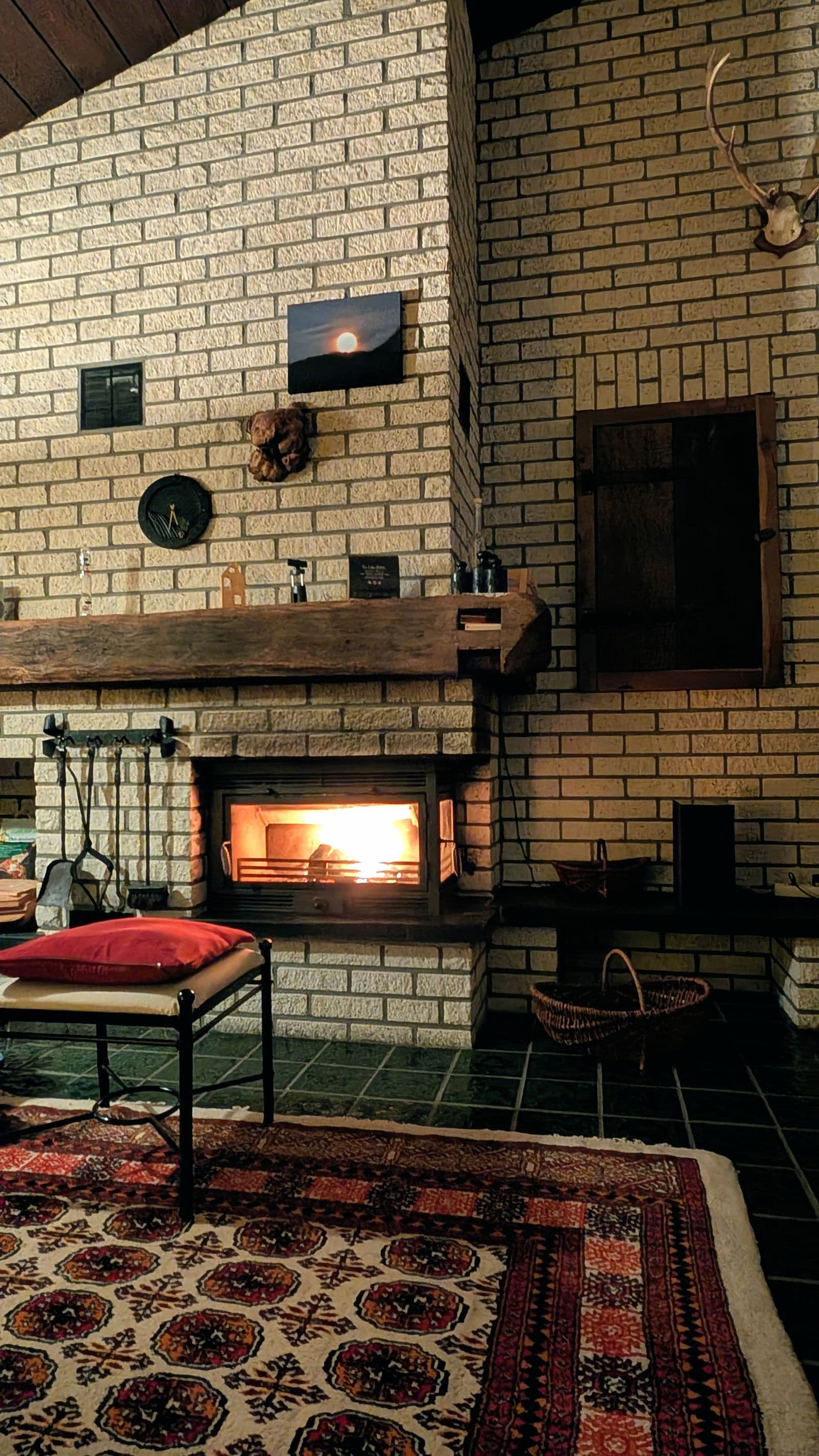
Fireplace installation starts with the property, not a product photo
A fireplace installation contractor needs to match the proposed appliance to the room, existing opening, fuel or electrical supply, vent path, framing, hearth, finishes, manufacturer instructions, and local requirements. Those factors determine whether the project is an insert, a replacement, or a new installation and should be considered before a homeowner commits to a unit.
New fireplace, replacement, or insert?
A new fireplace in a room without an existing opening may require a new enclosure, utilities, venting, wall or roof penetrations, and finish work. Replacing an existing manufactured fireplace is a different scope because the old unit, enclosure, vent system, and available opening all affect compatibility. An insert uses an existing fireplace opening, but the opening, chimney, liner route, hearth, and appliance listing still matter.
Gas, wood-burning, and electric options
Gas, wood-burning, and electric fireplaces solve different problems. Gas systems involve fuel supply, controls, combustion, and a venting approach allowed for the selected appliance. Wood-burning systems depend on the firebox, chimney or listed vent system, clearances, hearth protection, and fuel-use expectations. Electric units avoid combustion venting but still depend on electrical requirements, wall construction, heat clearances, and the selected model.
Venting, clearances, and finishes belong in one plan
The vent route can limit where an appliance fits. Mantels, televisions, cabinets, trim, tile, stone, and other finishes can also change the usable opening and required spacing. Manufacturer instructions and applicable local requirements control; a general measurement from another home or a showroom display should not be reused as a rule for a different system.
What changes a fireplace installation estimate?
Important variables include whether an opening already exists, removal needs, appliance type, vent route, utility access, wall or roof construction, framing, hearth work, surround materials, access, and permit or inspection requirements. The estimate should identify the property-specific proposed work. Appliance purchase, gas, electrical, finish work, permits, and related trades should not be assumed unless they are confirmed for the job.
Installation versus repair or restoration
If an existing fireplace has an operating fault or damaged component, start with fireplace repair. If the goal is to preserve and renew an older fireplace, fireplace restoration may be the better intent. If the project adds or replaces an appliance, fireplace installation is the right starting point.