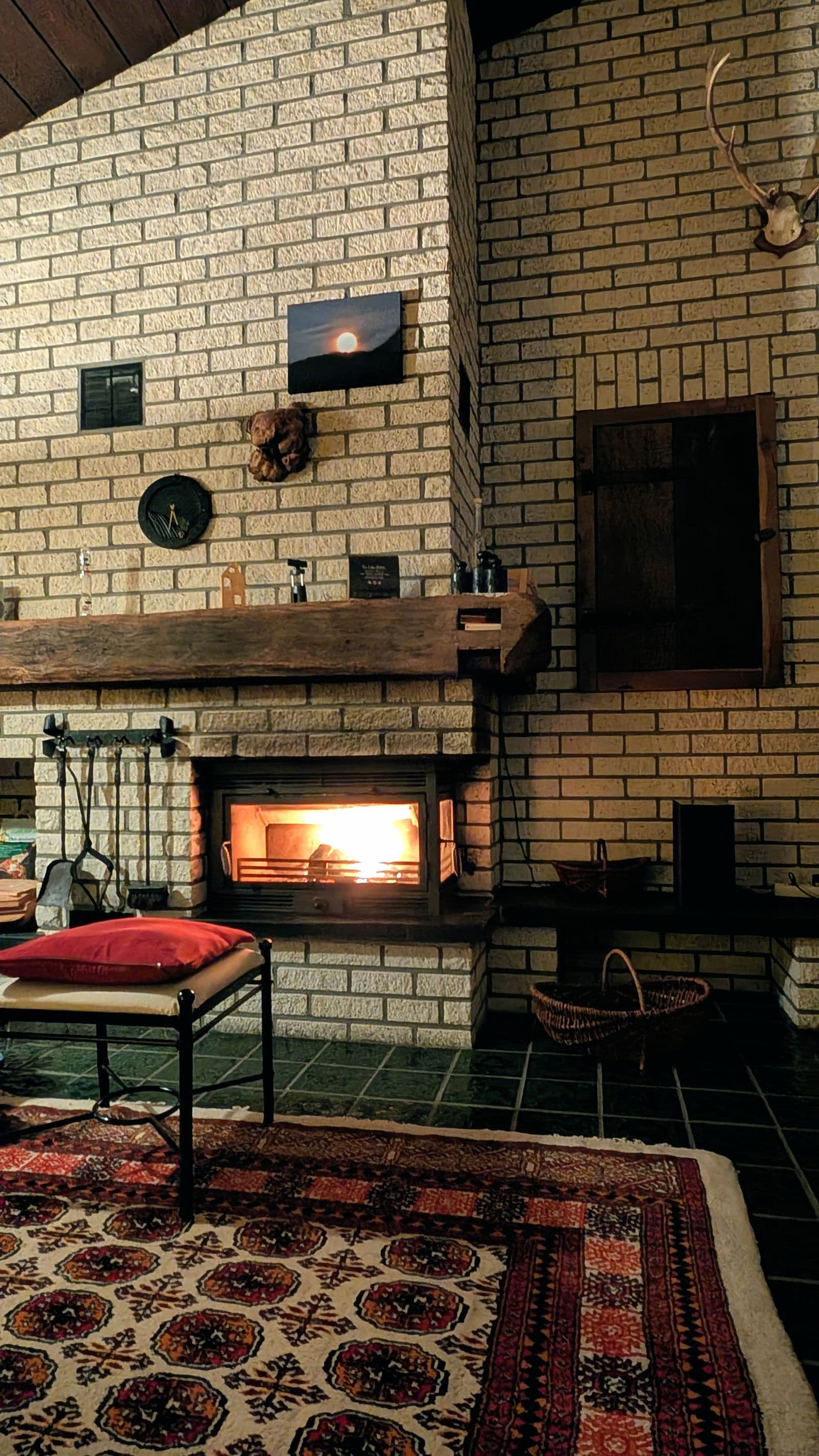
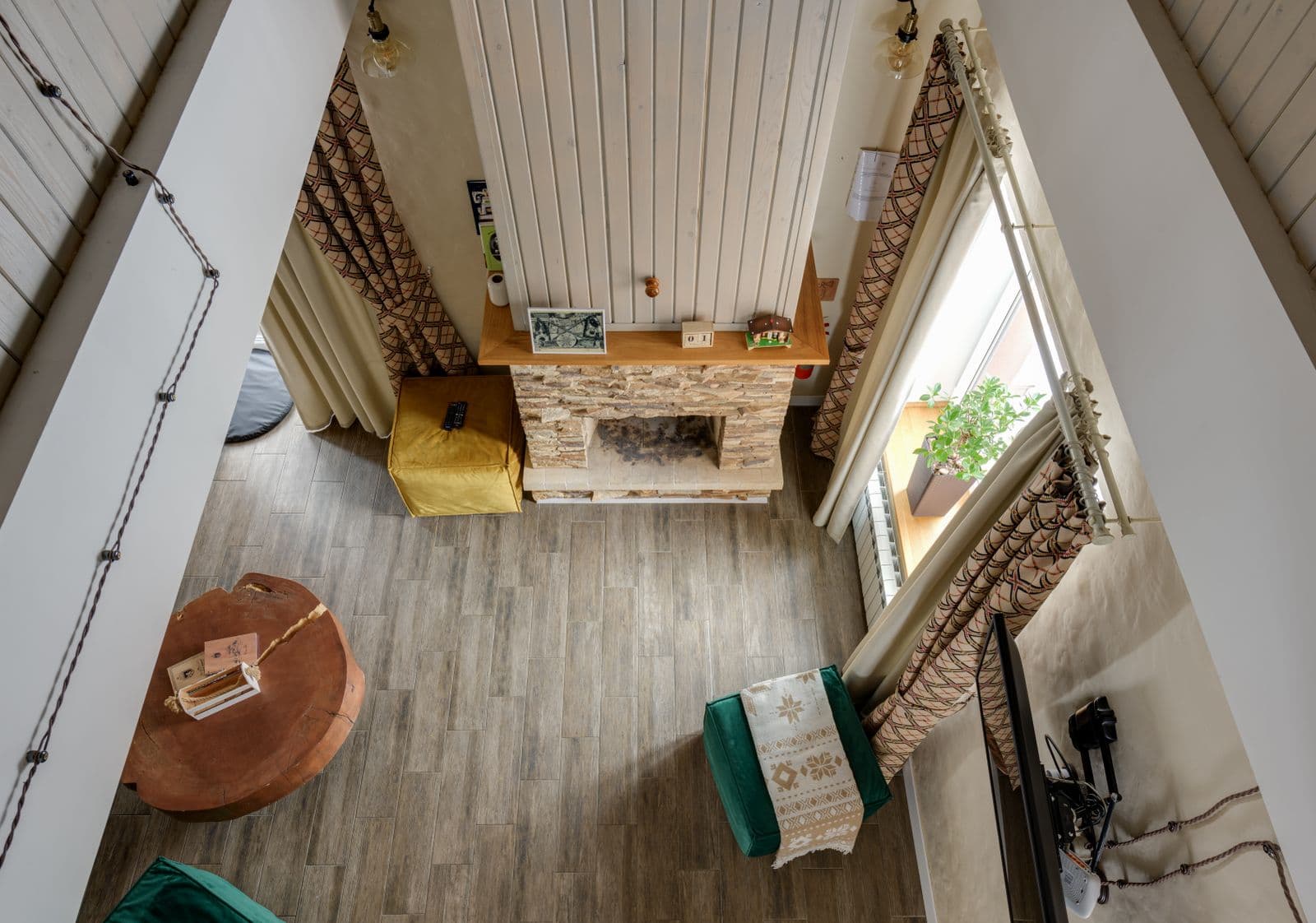
Fireplace remodeling starts by defining what will change
Fireplace remodeling can mean a simple finish update or a coordinated change to the surround, hearth, mantel, opening, firebox, or appliance. Those are not interchangeable projects. A useful estimate separates the existing condition from the homeowner's design goals and identifies which elements remain, which are removed, and which require a different service.
Cosmetic remodel versus functional repair
New tile, stone, trim, or a mantel can change the room's appearance, but finish work does not correct a cracked firebox, operating fault, venting concern, water entry, or unstable masonry. When a functional problem exists, the related fireplace repair question should be considered before it is covered by a new finish.
Surround, hearth, mantel, and appliance planning
The surround frames the opening, the hearth protects the area at the base, and the mantel occupies the wall above. An insert or replacement appliance can change the required opening and transitions. Manufacturer instructions, heat clearances, wall construction, weight, and existing support can limit a design even when the materials look suitable in a sample.
Remodeling versus restoration
Remodeling usually changes layout, finish, or style. Fireplace restoration is generally aimed at retaining and renewing an existing character or assembly. Either project may uncover repair needs, but neither term should be used to imply that the firebox, chimney, vent, utilities, or appliance is automatically included.
What affects a fireplace remodeling estimate?
Removal, wall and backing condition, opening changes, selected finishes, pattern, weight, hearth and mantel transitions, appliance compatibility, utility work, access, and repair needs can affect scope. Before the free estimate visit, list the elements you want to keep and the elements you want changed. This makes the proposal easier to compare with the goal.
When describing the project, include the full-wall context: nearby cabinets, flooring, television placement, trim, and the proportions of the room can all affect the proposed layout.