
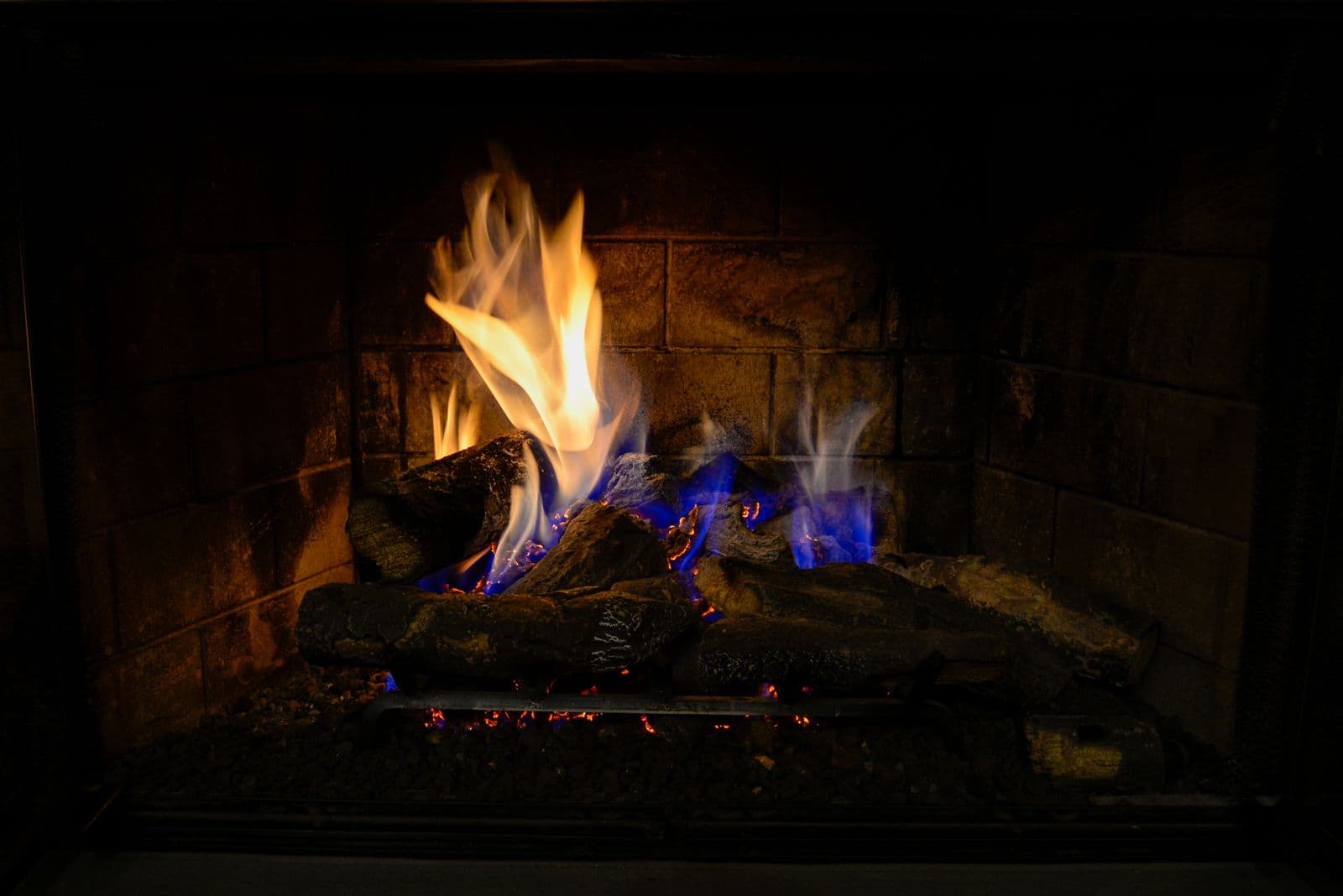
Proudly American-Owned

Fireplace Restoration

Fireplace restoration for worn fireboxes, hearths, dampers, and surrounds. Compare what to repair, retain, or replace. Request a free estimate.

Family-OwnedProudly American-OwnedFree Estimates

Get a Free Estimate

10% OFFFirst service

Restore the fireplace you have, or change the whole design?

A worn fireplace can raise several questions at once: crumbling firebox joints, a stuck damper, a cracked hearth, damaged facing, or years without use. Fireplace restoration considers what can be repaired and retained together. It is different from choosing a new finish for a fireplace that otherwise works.

Restoration, repair, and remodeling address different goals

Fireplace repair addresses a defined problem. Restoration may combine repairs to several existing parts while retaining useful features or the original appearance. Fireplace remodeling focuses on changing the look or layout, such as a new surround, mantel, or hearth design. Some projects combine these goals; identifying the priority avoids covering a defect with a cosmetic update.

Separate the firebox from the decorative finish

A crack inside the firebox is not the same as a cracked tile on the outer surround. Masonry firebrick, manufactured refractory panels, facing materials, hearths, and dampers have different roles and compatibility requirements. An attractive exterior does not establish the condition of the firebox or venting behind it. Keep a fireplace with loose firebox material, damaged glass, or smoke entering the room unused pending appropriate advice.

What can stay, and what may need replacement?

Sound brick, stone, or tile may be worth retaining, but reuse depends on condition, attachment, and the planned work. A manufactured fireplace can require model-specific panels, doors, or other parts rather than a visually similar substitute. Previous alterations and water damage can affect both the repair boundary and whether an existing feature is practical to preserve.

Restoring a fireplace after years without use

Explain why use stopped, which fuel the fireplace uses, and whether there have been leaks, smoke, odors, or earlier modifications. Do not light a test fire to demonstrate an uncertain system. Cleaning, chimney repair, appliance repair, and a formal inspection are distinct requests; a restoration estimate does not automatically include every one of them or establish that the fireplace is ready for use.

Compare the work, not just the surface finish

Cost can change with the parts affected, material matching, access, dismantling, concealed damage, and the availability of compatible replacements. Identify what you want to preserve and what you want to change when requesting a free technician estimate visit. For a project that replaces the appliance rather than restores it, see fireplace installation.
Recognize the concern

Common reasons to request this service

These signs and project questions can help you explain what needs attention.

Worn firebox joints or refractory
Damaged hearth or surround
A stuck or deteriorated damper
A fireplace unused for years
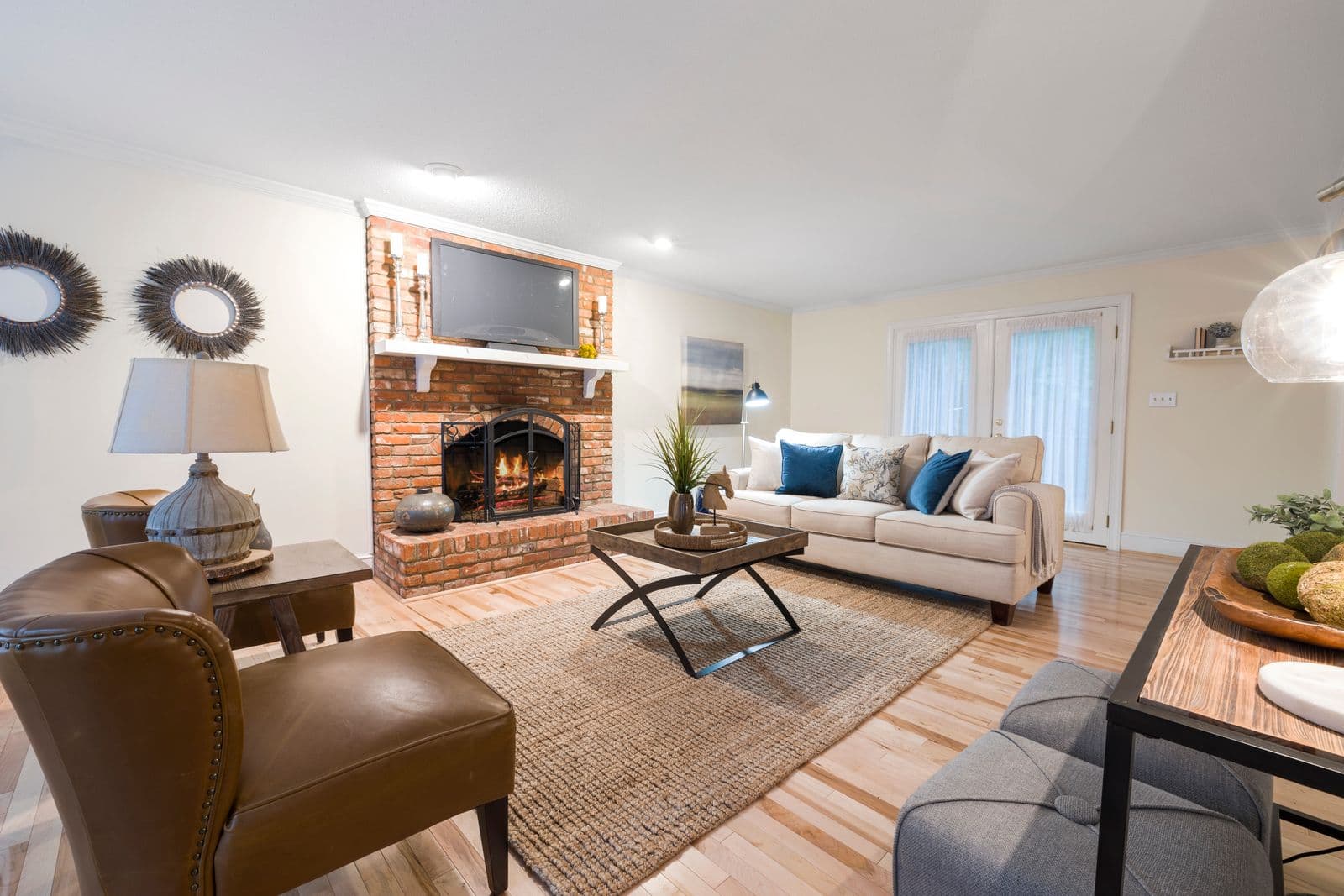
A brick fireplace in a living room

Why it matters

Before you choose the work

  • Separate necessary repairs from a visual redesign
  • Identify which existing features may be retained
  • Consider the fireplace and chimney as distinct parts of the project

Planning steps

Prepare for your estimate

Share what you already know. Do not climb onto the roof or dismantle the fireplace to collect information.

1

Describe what you want to preserve and what is damaged

2

Share the fireplace type, prior changes, and reason use stopped

3

Request a free estimate for the restoration work under consideration

Frequently Asked

Fireplace Restoration questions from homeowners.

The fireplace restoration questions homeowners in your area ask most. Tap any question to see the answer.

What is the difference between fireplace restoration and fireplace remodeling?
Restoration starts with the existing fireplace and asks what can be repaired or retained. Remodeling changes its appearance or layout. A project can combine both, but repairing damaged firebox material is a different task from changing a surround or mantel.
Can original brick, stone, or tile be kept?
Sometimes. The material must be sound, compatible with the planned work, and practical to retain without damage. Selected features may stay while damaged material or incompatible components need replacement.
Can a fireplace be restored after years without use?
It may be possible, but the reason it stopped being used matters. Describe its fuel, past leaks, smoke, damage, and alterations. Do not light a test fire while its condition is uncertain; a restoration estimate is separate from a return-to-use determination.
Does fireplace restoration include the chimney?
Not automatically. The firebox, surround, hearth, damper, chimney structure, and venting may raise separate concerns. The proposed work should identify which parts are being restored and which need another service.
How much does fireplace restoration cost?
The affected parts, extent of damage, finish matching, access, dismantling, and replacement-part availability affect cost. A technician can visit and give a free estimate for the requested restoration work.
Is gas fireplace restoration the same as masonry fireplace restoration?
No. Gas fireplaces can depend on model-specific glass, seals, controls, burner components, and venting. A masonry fireplace raises different firebrick, joint, damper, hearth, and chimney questions. The fuel and installed system guide the restoration options.

Related Services

Related service options

Compare closely related work that may be considered for the same chimney or fireplace.

Ready to request a fireplace restoration estimate?

Request a free technician estimate visit.