
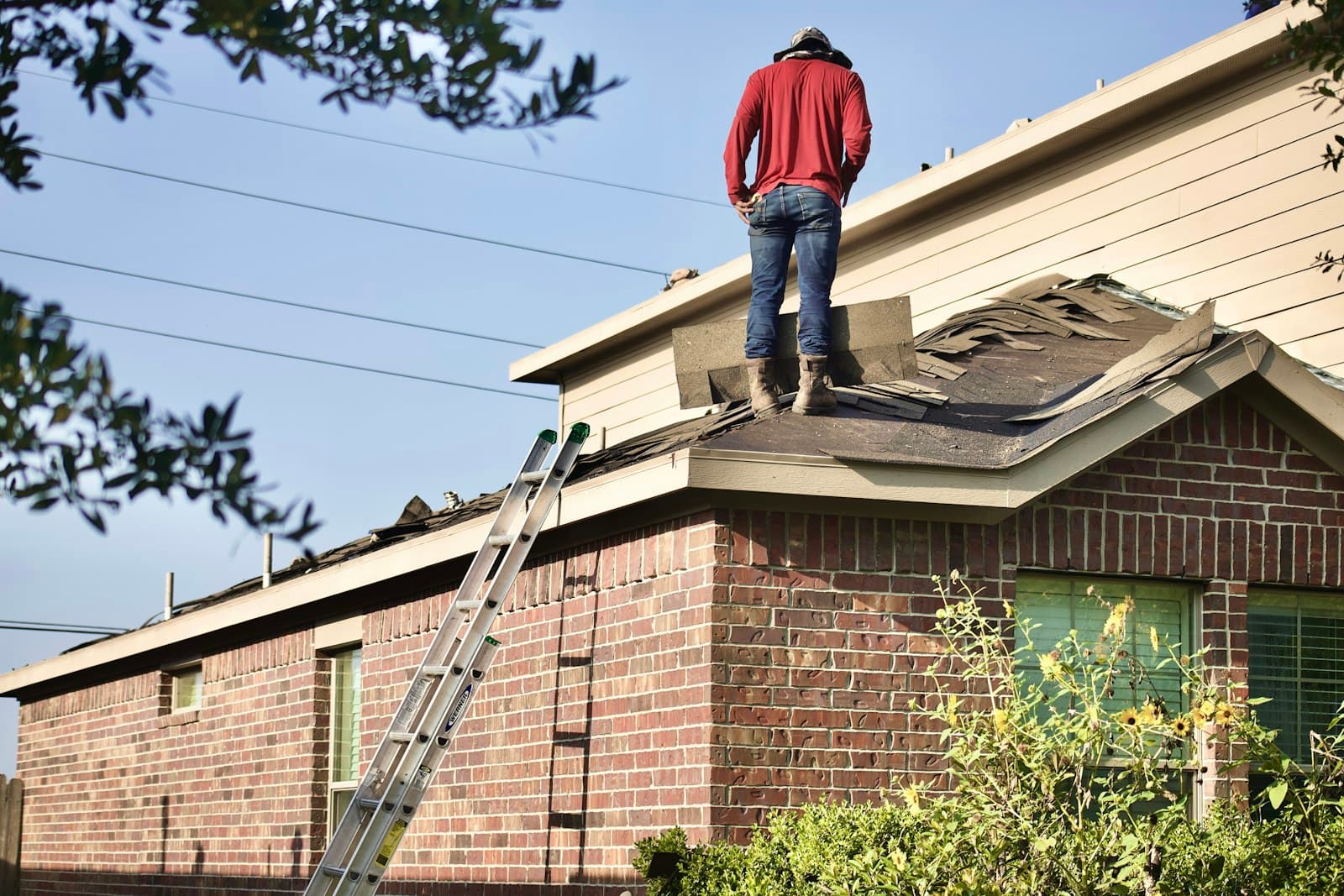
Why homeowners need a professional chimney inspection
Most chimney inspections are booked for one of five reasons: keeping up with annual maintenance, moving a real-estate deal forward from either the buyer or seller side, planning a repair, checking for damage after a storm, or giving an unused fireplace its first look before the homeowner starts burning in it. None of these is trivial, and your local pro covers all five the same way — with one consistent, thorough inspection standard on every visit.
Here is a detail that catches many owners off guard: a good number of homeowner-insurance carriers will not honor a fireplace-related claim unless you can show that the chimney has been maintained every year. Skipping the yearly inspection and trusting that nothing breaks is the kind of bet that tends to come due at the worst possible time — in the immediate aftermath of a chimney fire or a storm-damage event.
What a chimney inspection actually checks
Run through a thorough visual chimney inspection and the pro touches every part of the system that can be reached: the exterior chase is scanned from the ground for visible damage; the cap is checked from the roof for corrosion, dislodgement, or animal-entry damage; the crown is read for cracks, separation, or missing parging; the flashing is inspected for lift, gaps, or failed sealant; the firebox interior is examined for refractory damage, mortar-joint failure, or signs of past water intrusion; the damper is cycled fully open and closed; the smoke chamber's parge coating is assessed; and the length of flue visible from below is checked for creosote staging and obvious blockages.
When something is found behind concealed assemblies, an exploratory inspection can extend the visual work — carefully opening up the covered area to confirm the condition of the flue tiles, a stainless liner, or unlined brick, the mortar joints between them, and any cracks or gaps that only reveal themselves once the surface is opened. Whatever level the inspection reaches, you get a clear, plain-language explanation of the condition and a free written estimate for any work that is advised, so nothing about the chimney's condition is left a mystery.
Climate-specific inspection considerations in Florida
Along the coast, a chimney inspection zeroes in on salt-air corrosion that chimneys further inland never have to deal with. The inspector checks the cap material — galvanized, 304 stainless, 316 marine-grade stainless, or copper — and explains how much service life is likely left given the corrosion already visible. Flashing metal gets the same close read, and the crown is judged with coastal humidity in mind, since that moisture pushes cracks along faster.
Move inland or up north and the priorities shift. Freeze-thaw country demands close attention to crown and joint cracks that can open in the span of one winter; dry, arid cities redirect the focus toward mortar and sealant worn down by UV exposure. Plenty of large franchises inspect to a single generic climate — they flag the usual issues at the usual thresholds and overlook the failure modes that actually dominate where you happen to live. A local pro working your specific Florida metro tunes the inspection to the conditions on the ground.
Chimney inspection for real-estate transactions
Real-estate work ranks among the busiest categories your local pro handles. The pattern is familiar: a buyer's home inspector marks the chimney for "further evaluation by a chimney professional," the inspection-contingency clock starts running, and whichever party the deal puts on the hook — buyer or seller — needs a clear read on chimney condition before the sale can close. Your local pro clears these inside the same week, and same-day when a deadline is bearing down.
A transaction inspection is not run like a routine annual check. It speaks directly to the items the home inspector flagged, takes a close look at any concealed components reachable without dismantling, and sorts every finding plainly: normal age-appropriate condition (nothing to do), routine maintenance (minor work advised), or repair-required (specific fixes needed before further use). You get a clear explanation of where the chimney stands and a free written estimate for any repairs, so the inspection-contingency conversation has solid footing.
Post-storm chimney inspection
Whenever severe weather or a major storm rolls through, a wave of post-storm inspection requests follows from existing customers. As a storm moves over a house, the pressure cycling works on the chimney's mortar joints — a rapid swing in pressure paired with sustained high winds can pry open joints that were perfectly sound only days earlier. The trouble is that the damage usually stays hidden until the next rainy season, when a chimney that used to be watertight suddenly starts leaking.
A post-storm inspection from your local pro is built to give you clarity fast: a careful walk-through of each damaged component, a plain explanation of what the storm did, a note on pre-storm condition wherever past service history can establish it, and a free written estimate for the repairs. If you plan to involve your own homeowner's insurance, the inspector can talk you through what your carrier is likely to ask for.
How the inspector walks you through what was found
No matter which inspection level you book, the inspector covers the chimney the same methodical way and then sits down with you to explain it. The conversation starts with the basics — the chimney and fireplace types found on site, the level of inspection performed, and a quick one-line read on overall condition — so you know where things stand before the details.
From there, the inspector walks the chimney system component by component in order: exterior chase, cap, crown, flashing, attic-side penetration (where it can be reached), firebox, damper, smoke chamber, and the flue. Each part gets a plain-language read on its observed condition and a clear finding: no action needed, routine maintenance recommended, or repair-required, with nothing buried in jargon.
Finally, the inspector pulls every action-worthy finding into one prioritized rundown with a free written estimate and ballpark cost ranges. The priorities run from immediate action (anything that affects safety or is actively worsening), to short-term maintenance (the 6-to-12-month window), to long-term monitoring (items to revisit at the next annual inspection). Laid out this way, you can spread chimney work across several years instead of getting blindsided by one big bill.
Scheduling a chimney inspection and what to expect on visit day
For the typical booking, the appointment lands 5 to 7 business days after you call. When something is urgent — a real-estate contingency deadline, post-storm damage assessment, or an active leak that needs diagnosing — same-day scheduling opens up. The day before, the dispatcher locks in a tight arrival window, and the pro phones ahead roughly 30 minutes out.
The visit itself runs 45 to 90 minutes for a thorough visual inspection and longer when exploratory work is involved. Prep on your end is minimal: clear the path to the fireplace area and make sure the chimney has been cold for at least 24 hours, meaning no fires the day before. The crew lays drop cloths over the hearth and nearby flooring and runs HEPA-filtered vacuums to catch whatever debris the work stirs up.
Before the inspector leaves, you get a clear explanation of what was found and a free written estimate for any work that is advised. If a real-estate deadline means you need that estimate the same day, just ask — same-day turnaround costs nothing extra, and the inspector sums up the findings with you before pulling away from the property.

