

You bought a Florida home with a fireplace. Now what?
Closing day hands you the keys, the garage remote, and, if you’re lucky, a fireplace. What it doesn’t hand you is the fireplace’s history. You usually don’t know when the flue was last swept, whether the previous owners burned wet wood for a decade, whether a storm cracked the crown two summers ago, or whether anything has nested in there since. In Florida, where fireplaces sit idle most of the year, that unknown history is the single biggest safety variable in the system.
The good news: getting from “no idea” to “safe and confident” is a short list. One professional look at the system, a handful of burning habits, working alarms, and a little Florida-specific awareness. This guide is that list, in order.
Step one: an inspection before your first fire
Before you light anything, have the chimney inspected. This isn’t upsell talk. NFPA 211, the standard fire-safety guidance for chimneys and fireplaces, recommends an annual inspection, and it specifically matters when a property changes hands, because you’re inheriting a system with an unknown record. A pre-purchase home inspection doesn’t cover this: general home inspectors typically shine a flashlight up the flue at most, and their reports usually say exactly that in the fine print.
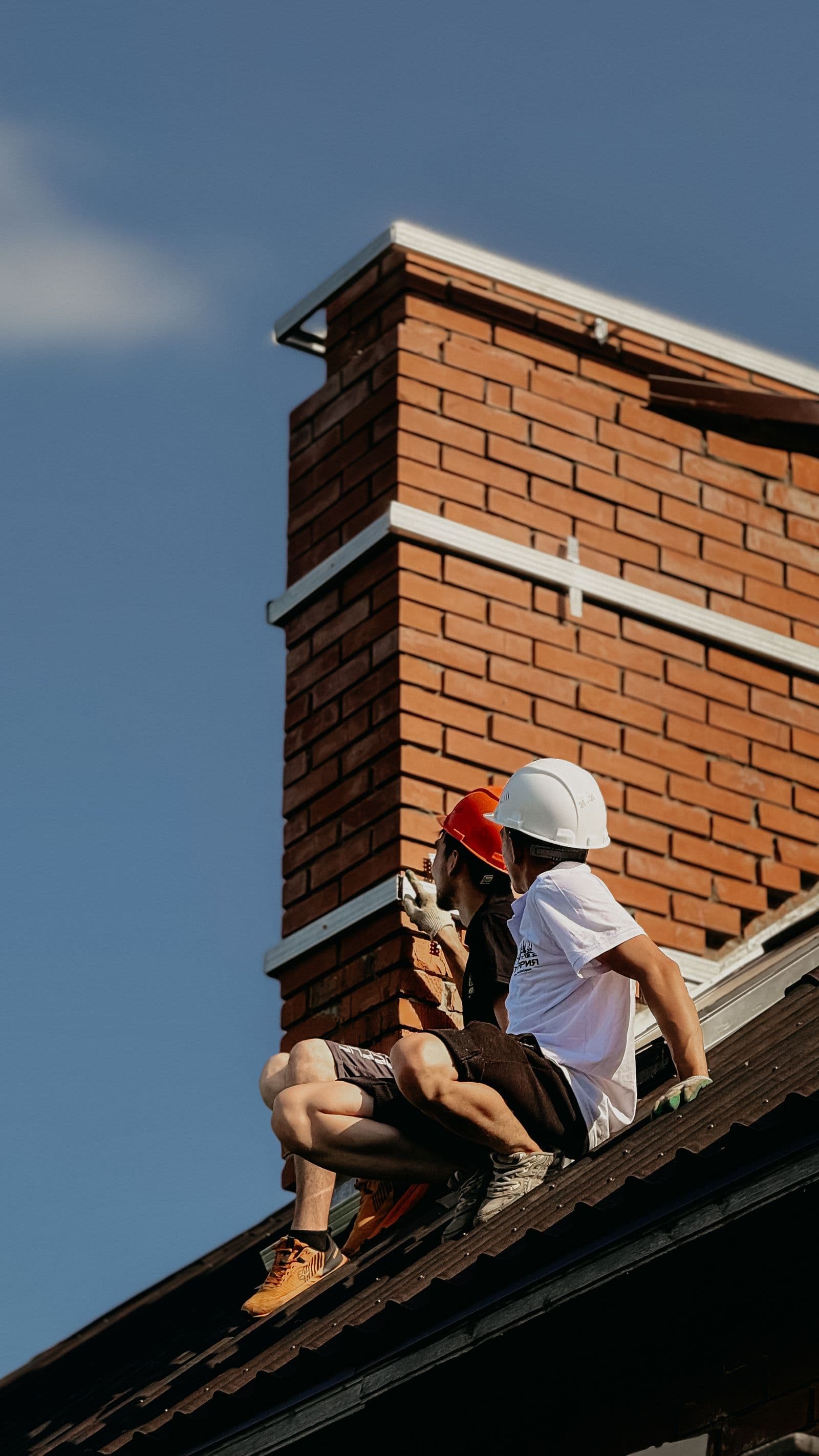
A qualified chimney professional will check what actually determines whether your first fire is safe: the condition of the flue lining, creosote buildup from the previous owners’ burning, the damper, the firebox, the crown and cap up top, and whether anything (leaves, debris, an animal’s nest) is sitting in the flue. In Florida, off-season blockages are common; a flue that sat open through spring is an inviting spot for birds, squirrels, and the occasional raccoon.
If a professional evaluation finds no immediate concern, keep the documentation and follow the recommended maintenance schedule. If work is proposed, request a proposed work and price. A technician can visit the property and give a free estimate.
Learn what you actually own
Florida homes hide surprising variety behind similar-looking hearths. You may have a traditional masonry fireplace, brick firebox and clay-lined flue, common in older neighborhoods. You may have a factory-built (“prefab”) metal fireplace inside a wood-framed, stucco-clad chase, which is extremely common in Florida construction from the 1980s onward and has different rules: prefab units have strict parts and clearance requirements and their metal chase tops rust out in our climate. Or you may have gas logs in either of the above.
Ten minutes of orientation pays off. Find the damper handle and practice opening and closing it. Find the gas shutoff if you have gas. Look at your roofline and identify the cap. Ask the pro during your first inspection to walk you through what type of system you have; it changes what maintenance looks like and what parts are involved if anything ever needs repair.
While you’re looking up, learn three words that will save you money for as long as you own the house. The cap is the hat that keeps rain and animals out of the flue. The crown is the sloped masonry (or metal chase cover, on prefab systems) that sheds water off the chimney top. The flashing is the metal layered where chimney meets roof. In Florida, nearly every expensive chimney story starts with one of those three quietly failing, and all three can be glanced at from your driveway.
Safe burning, the short course
Burn only dry, seasoned firewood, nothing else. Not construction scraps, not pressure-treated or painted wood, not glossy paper, not a mountain of pizza boxes. Wet or treated wood smokes heavily, burns dirty, and lays down creosote (the flammable residue that causes chimney fires) far faster than clean, dry hardwood. In Florida’s humidity, firewood stored uncovered stays damp; keep it off the ground, top-covered, and give it months to season.
Start fires the boring way: newspaper or a commercial firestarter, dry kindling, then split logs. Never gasoline, charcoal fluid, or any accelerant, indoors, ever. If lighting is a struggle on a mild Florida evening, the cause is usually a cold or blocked flue or damp wood, and the answer is patience or a phone call, not more fuel.
Open the damper fully before lighting, every time; a surprising number of smoky-living-room stories start with a closed damper. Build modest, hot fires rather than big smoldering ones; a small fire burning briskly is cleaner and safer than a large one choking on itself. Use a spark screen or keep glass doors in the manufacturer’s recommended position, never leave a fire unattended, and let it burn down naturally rather than dousing it.
Ashes deserve their own sentence, because they cause house fires every winter: coals stay hot inside an ash bed for days. Scoop ashes into a metal can with a metal lid, set it outside on concrete away from the house, and leave it there for several days before disposal. Never a paper bag, never a plastic bin, never the garage.
Alarms and clearances: the ten-minute safety net
Working smoke alarms on every level and inside sleeping areas, plus carbon monoxide alarms if you burn anything, wood or gas, in the house. CO is odorless, and a blocked or leaking flue is one of the classic ways it enters a home. Test the buttons when you move in and monthly after; replace units past their stamped expiration date, which new homeowners often discover is years gone.
Then clear the zone around the hearth. Keep furniture, rugs, baskets of throws, and holiday decorations a respectful distance from the opening, because embers pop. If you have young kids, a hearth gate or screen is worth it. And check what’s above: mantel decor and TVs are fine, but anything draping down toward the opening (garlands, stockings while a fire is actually burning) is asking for trouble.
The Florida-specific risks nobody warned you about
In most of the country, the chimney’s enemy is fire. In Florida, it’s mostly water. Daily summer thunderstorms, months of saturated humidity, and, near either coast, salt air all work on the crown, cap, flashing, and masonry year-round, whether you burn or not. Water intrusion shows up as ceiling stains near the chimney, white staining on brick, rusty dampers, and musty firebox smells in summer. Catching it early is dramatically cheaper than catching it late, which is the real argument for the annual look-over.
Hurricane season adds its own item: after any major storm, glance at your chimney from the ground. A missing cap, shifted bricks, or bent prefab chase top means the system is open to rain, and should be checked before the next burn season regardless. And because Florida flues sit idle from roughly March to November, always assume something may have moved in; the pre-season check exists partly to evict wildlife before you light a fire under it.
Two ground-level habits round out the Florida list. Walk your irrigation zones once and make sure no sprinkler head is spraying the chimney base. Brick soaking up reclaimed water on a daily timer is a slow-motion leak you’re paying to create. And keep vines and shrubs off the masonry; greenery holds moisture against the brick and hides the early warning signs you’d otherwise spot from the driveway.
When to stop and call someone
Certain signals should end the DIY conversation immediately. Smoke entering the room instead of drafting up. A strong tarry or musty smell from the fireplace. Any signs of a past chimney fire: puffy, shiny black deposits in the flue. Water stains appearing on walls or ceilings near the chimney. Cracked, leaning, or spalling brick. A damper that won’t open or close. And for gas: any sulfur smell, ever.
Call to ask about current availability. For fire, a strong gas smell, a carbon-monoxide alarm, falling masonry, or an unstable chimney, get everyone out and call 911 or the gas utility from outside first.