
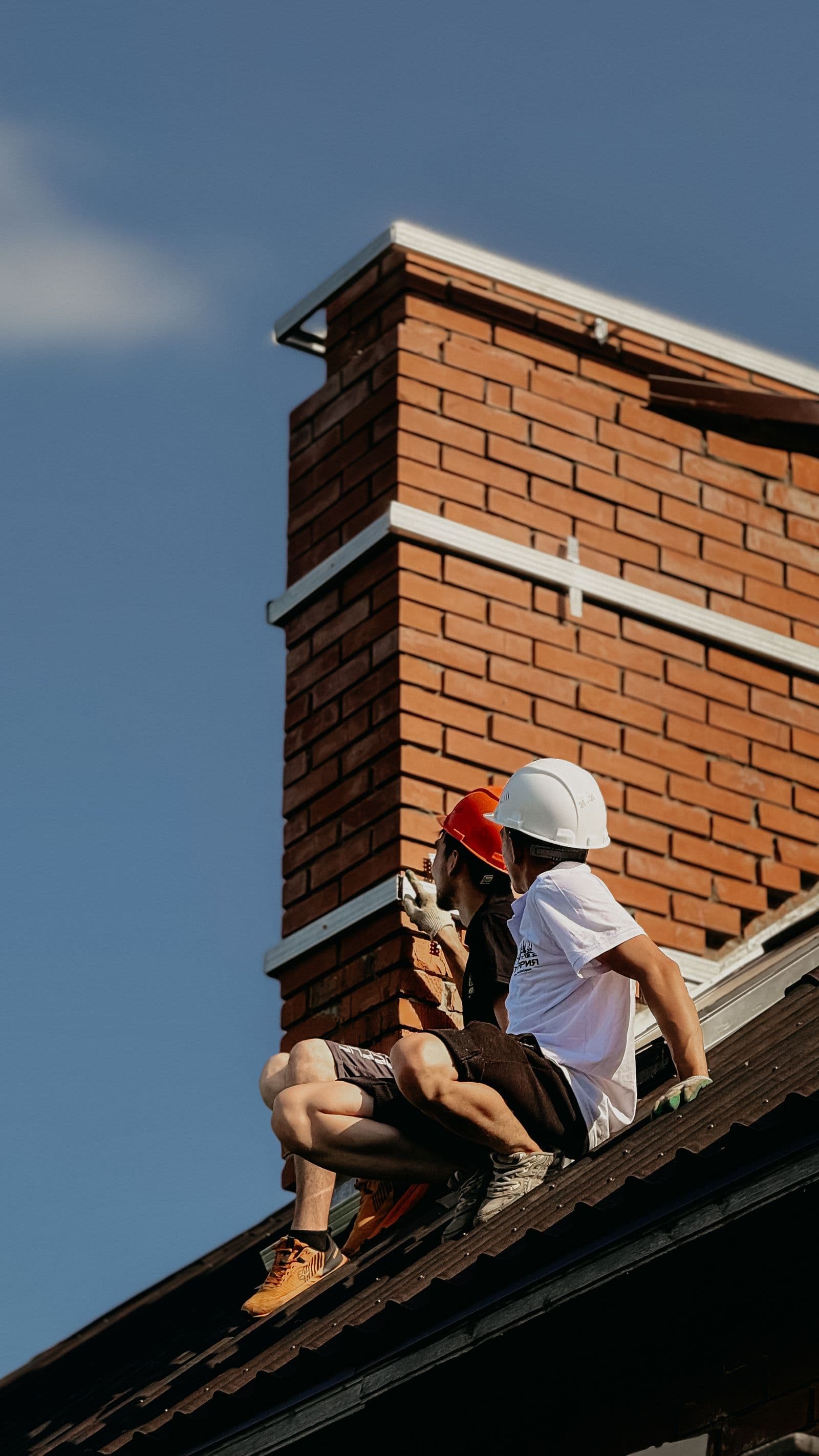
A Family-Owned Chimney & Fireplace Company
Chimney Repair Service is a family-owned and proudly American-owned chimney and fireplace company. A technician can visit and give you a free estimate.
Get a Free Estimate
Who We Are
Chimney and fireplace work is our focus.
We are Chimney Repair Service, a family-owned and proudly American-owned company for homeowners who need chimney or fireplace work. Our services include Sweeps, inspections, leak repairs, masonry, caps and crowns, waterproofing, and fireplace work. Across our team, we have completed hundreds of chimney and fireplace jobs in the communities we serve.
We provide on-site service throughout Florida. Our local service directory helps you find information for your community; you can still request a visit if your city is not listed. Start with the property ZIP code and the work you need.
You can contact us about a specific repair or start with what is happening: water after rain, loose brick, a damaged chimney top, smoke entering the room, or a fireplace that is not working. You do not need to choose a repair method before requesting a visit.
The first step is a free technician estimate visit. A cleaning request, a repair, an installation, and a formal inspection are different services. Tell us which one you need, or explain the concern so the requested work can be discussed for your property and installed system.
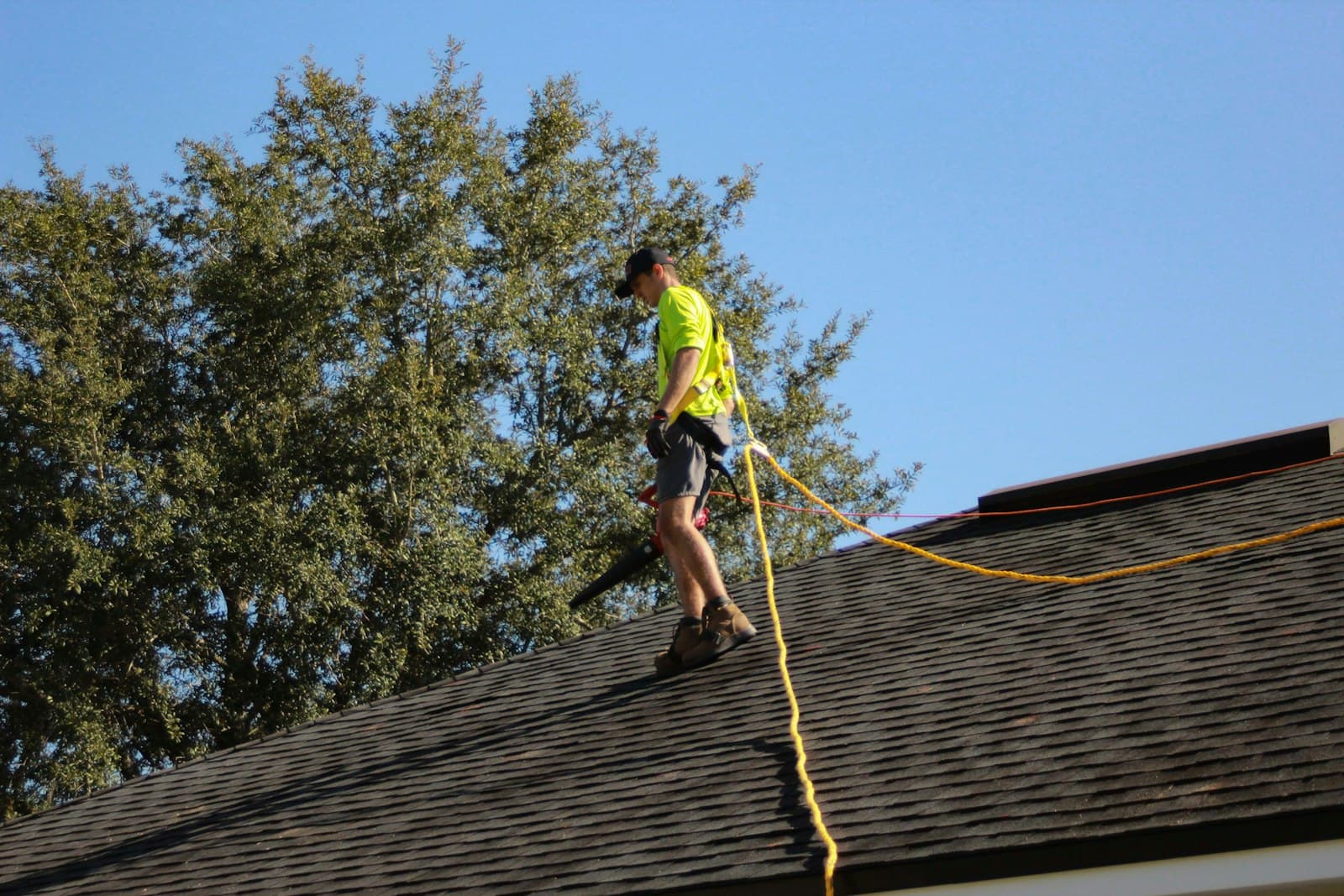
Working With Us
From your first call to a decision about the work.
Call or send your name, phone number, ZIP code, and the service or problem. Email is optional. You do not need to know the name of the damaged part.
A technician can visit the property and give a free estimate for the requested work.
If you approve paid work, a deposit is required. If you later cancel after paying that deposit, the company retains it.
What We Work On
The chimney outside and the fireplace inside need different attention.
Start with the part of the home involved. These service pages explain common problems, the components that may be affected, and what to consider before choosing work.
Chimney repairs
Rain leaks, cracked crowns, rusted chase covers, damaged caps, and deteriorated brick or mortar. The visible symptom may involve the chimney top, structure, or roof connection.
Explore chimney repairsFireplace repairs and changes
Firebox wear, damaged panels, doors, dampers, operating faults, and plans to restore or replace a fireplace. Wood, gas, electric, and factory-built systems need different service decisions.
Explore fireplace servicesCleaning and inspection requests
Soot, debris, an unknown service history, or a change before the next use. Sweeping addresses cleaning; an inspection request concerns system condition and needs its own scope.
Explore chimney sweepingNeed an inspection rather than cleaning? See chimney inspection options. A free estimate visit is not a substitute for every inspection, diagnostic test, or decision about whether a system can be used.
FAQ
Questions homeowners ask us.
Estimate visits, deposits, service scope, and the first-service offer.
Who is Chimney Repair Service?
Do you offer free estimates?
Where do I start with an estimate request?
What happens if I approve the work?
Do you service gas fireplaces as well as wood?
Is there a first-time customer offer?
Free Estimate
Talk to our family-owned chimney company today.
Request a technician visit and a free chimney or fireplace estimate.
- ✓Family-owned and proudly American-owned company
- ✓Free technician estimate visit
- ✓10% off your first chimney or fireplace service
- ✓Deposit required only after you approve paid work