

The wrong question, and the better one
“How long does a chimney last? ” sounds like it should have one number, and it doesn’t, because a chimney is not one thing. It is a system of parts stacked on top of each other, and each part ages on its own clock. The brick-and-mortar stack itself can outlast the house. The concrete crown on top of it lives a shorter life. The metal cap above that lives a shorter one still. Flashing ages with your roof, the liner ages invisibly inside the flue, and the damper quietly rusts on a schedule all its own.
The better question is which clock runs out first, and what happens when it does. The answer to the second part is the whole story: the short-lived parts exist to protect the long-lived ones. When a cap, crown, or flashing fails and nobody notices, water starts spending down the masonry’s lifespan instead, and the masonry is the expensive part. In Florida, where humidity, near-daily summer storms, and hurricane-driven rain keep the pressure on year-round, several of those clocks run noticeably faster than they would in a drier state. Here is each one, what shortens it here, and what stretches it.
The masonry stack: the generational clock
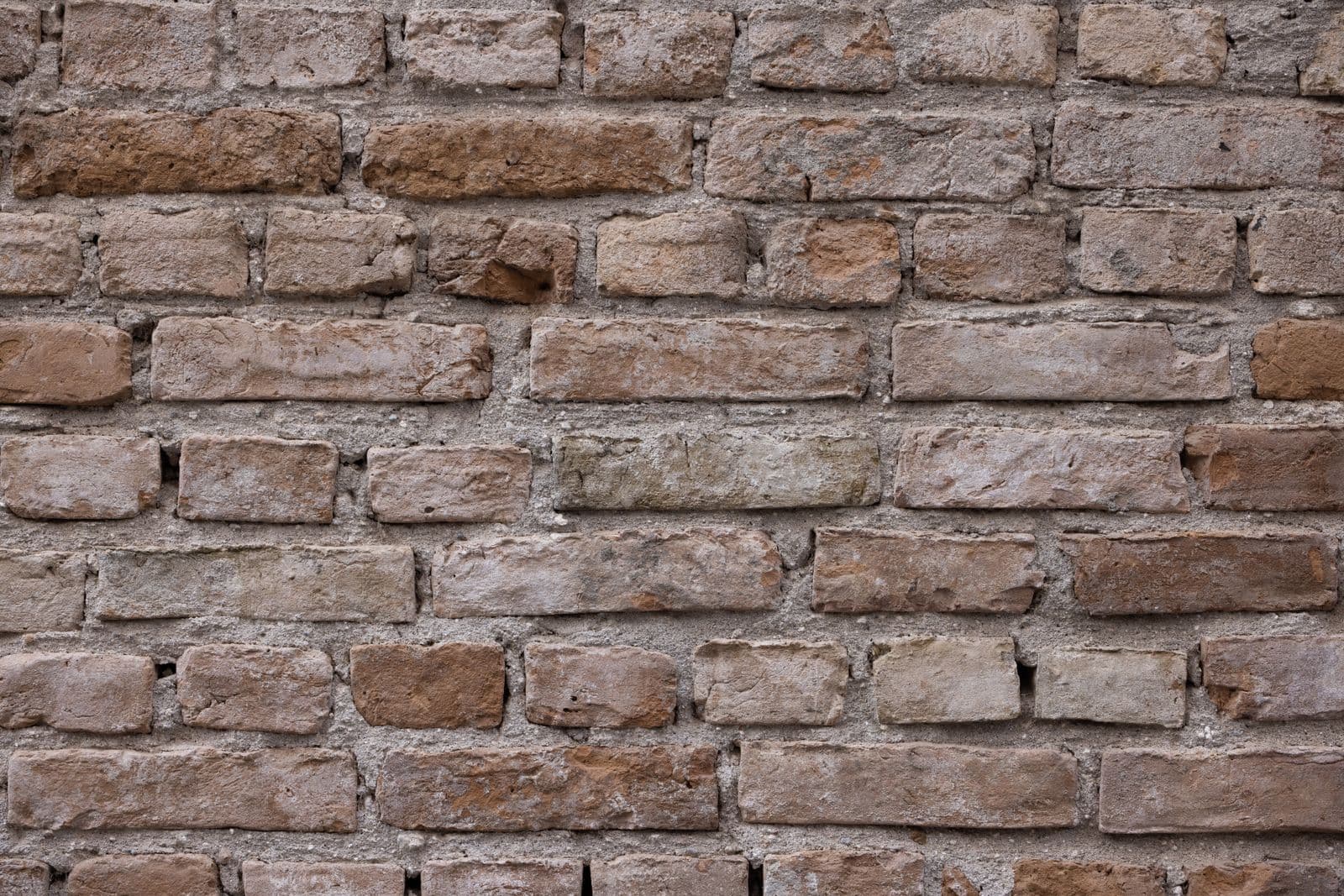
Start with the good news. A well-built brick chimney, kept sealed and maintained, is genuinely long-lived: the brick itself can serve for many decades, often generations. The catch is the word “maintained,” because the stack is not uniform. The mortar joints between the bricks are deliberately softer and more porous than the brick, a sacrificial layer designed to absorb the wear so the brick doesn’t. The joints are meant to be renewed periodically through repointing; the brick is not meant to be replaced at all.
Florida compresses the joint-renewal cycle. Humidity keeps the mortar damp between rains, summer delivers a storm most afternoons, and wind-driven rain during tropical weather forces water into any joint that has started to open. A joint schedule that might stretch comfortably in a dry climate comes due sooner here. Miss it, and water moving through open joints starts saturating the brick cores: faces flake off, and the repair escalates from repointing joints to replacing brick, and eventually to rebuilding sections of the stack.
A note for the majority of Florida homes: if your chimney is stucco over concrete block, matching the state’s CBS housing stock, the same logic applies with different names. The block is the long-lived core; the stucco shell and its paint are the sacrificial skin. Hairline cracks and failed caulk joints are that system’s version of failing mortar: small, cheap to renew, and very expensive to ignore once water gets behind the shell and stays there.
The crown: the clock that controls the others
The crown is the concrete slab capping the top of the masonry, and it has one job: shed water away from the stack so rain never soaks straight down into the chimney’s core. It also lives the hardest life on the house: flat, horizontal, baked by full Florida sun all day and hit by a thunderstorm the same afternoon. That daily heat-and-soak cycle opens hairline cracks, and every crack is a direct path into the masonry below, bypassing all the vertical defenses at once.
This is why crown condition effectively sets the pace for the whole chimney. A properly built crown (genuinely thick, sloped, overhanging the brick with a drip edge) can protect for decades. A thin “mortar wash” crown, troweled on as an afterthought during construction, can crack through within a few years, and plenty of Florida chimneys were built with exactly that. What extends the clock is catching cracks at the hairline stage: a flexible crown sealer applied then buys years for very little money. Once the crown is cracked through or coming apart, the honest fix is rebuilding it, still a modest job compared with what a failed crown does to the masonry beneath it.
Cap, chase cover, damper: the fast metal clocks
The metal components are the shortest clocks on the chimney, because metal above a Florida roofline fights corrosion around the calendar. Humid air condenses on cool metal at night and rust proceeds without a drop of rain falling. The chimney cap (the hood keeping rain, animals, and debris out of the open flue) shows this fastest. A galvanized-steel cap can rust out in a handful of years here, and near the coast, where salt rides the humidity, faster still; the first sign is often an orange streak bleeding down the masonry. Stainless steel or copper caps commonly serve for decades, which is why the upgrade is standard advice in this state, not a luxury.
Framed chimneys (the siding-wrapped chases common on many Florida homes) have their own version: the chase cover, a metal pan closing off the top of the chase. Builder-grade galvanized pans rust at their seams and low spots, then quietly drip into the chase for years before anyone notices. The damper, down at the throat of the flue, runs the same script indoors: humid air condenses on it constantly, most Florida fireplaces sit idle for months at a time, and rust builds undisturbed until the one evening you want a fire and it grinds, sticks, or won’t seat.
The components that weather fastest can also protect larger parts of the system. A sound cap, chase cover, or damper may help limit water, debris, or uncontrolled airflow depending on the chimney type. Addressing deterioration early can reduce the chance that a smaller component problem contributes to broader damage, but the appropriate repair and outcome depend on the assessed condition.
Flashing: tied to your roof’s clock
Flashing is the layered metal weaving the chimney into the roof, and its lifespan is best understood as linked to the roof itself. Properly installed step-and-counter flashing can last about as long as the roofing around it. What actually ends its service early is rarely the metal wearing out: it is sealant-smear repairs drying and splitting in the sun, fasteners backing out as the roof expands and contracts, and storm winds lifting edges just enough to break the overlap that makes flashing work.
Florida stresses this joint more than most places. The chimney-to-roof junction is exactly where hurricane wind-driven rain attacks: hours of water pushed sideways will find any marginal overlap that ordinary vertical rain forgives. And because Florida roofs tend to be replaced on the earlier side (storms and insurers see to that), homeowners get regular chances to reset this clock properly. The rule worth remembering: when the roof is redone, the flashing should be redone with it, not bent up and reused. A reroof that reuses tired flashing puts a new roof around an old leak.
The liner: the clock nobody can see
Inside the stack runs the flue liner (clay tiles in most older masonry chimneys, a stainless pipe in relined ones), and it ages where nobody is looking. Clay tile is a durable material, but the mortar joints between tiles are the weak link, and Florida attacks them from an unexpected direction: old creosote in the flue pulls moisture out of the humid air, and that damp residue is mildly acidic, slowly working on the joints and tile surfaces from within. An idle flue (and most Florida flues are idle most of the year) sits damp for months at a stretch, so the process never really pauses.
A liner can lose integrity this way with zero external symptoms, which matters because the liner is what keeps heat and combustion gases inside the flue where they belong. This is the one clock you cannot read from the driveway; only an inspection reads it. The encouraging half of the story is that relining with a quality stainless system resets this clock for decades of service, and a chimney with a sound new liner inside sound old masonry is, functionally, a young chimney again.
What actually buys the decades, and what it costs to skip
Look back across the components and one pattern repeats: water management affects service life. The cap, crown, and flashing help manage water; sound joints and an appropriate breathable water repellent may help masonry shed rain; liners and dampers can deteriorate when moisture lingers. Timely work on a failed protective component can help limit additional damage, but it does not guarantee a particular lifespan.
The practical routine is not complicated. An annual inspection reads all six clocks at once (joints probed, crown checked, cap and flashing examined, flue looked at from the inside) and turns silent failures into small line items. Between visits, a two-minute look from the yard after the summer wet season catches the obvious: rust streaks, missing mortar, a leaning cap. A breathable waterproofing treatment on the masonry stretches the joint cycle further. None of this is exotic; it is the difference between a chimney that quietly serves for generations and one that needs structural work at middle age.
It helps to hold the work in tiers. Caps, chase covers, dampers, and crown sealing are more limited components than repointing, crown rebuilding, relining, or a masonry rebuild. Actual duration, material, access, and sequencing vary by the assessed condition and approved scope. An estimate should explain which component is proposed and why without promising a fixed visit time in advance.