
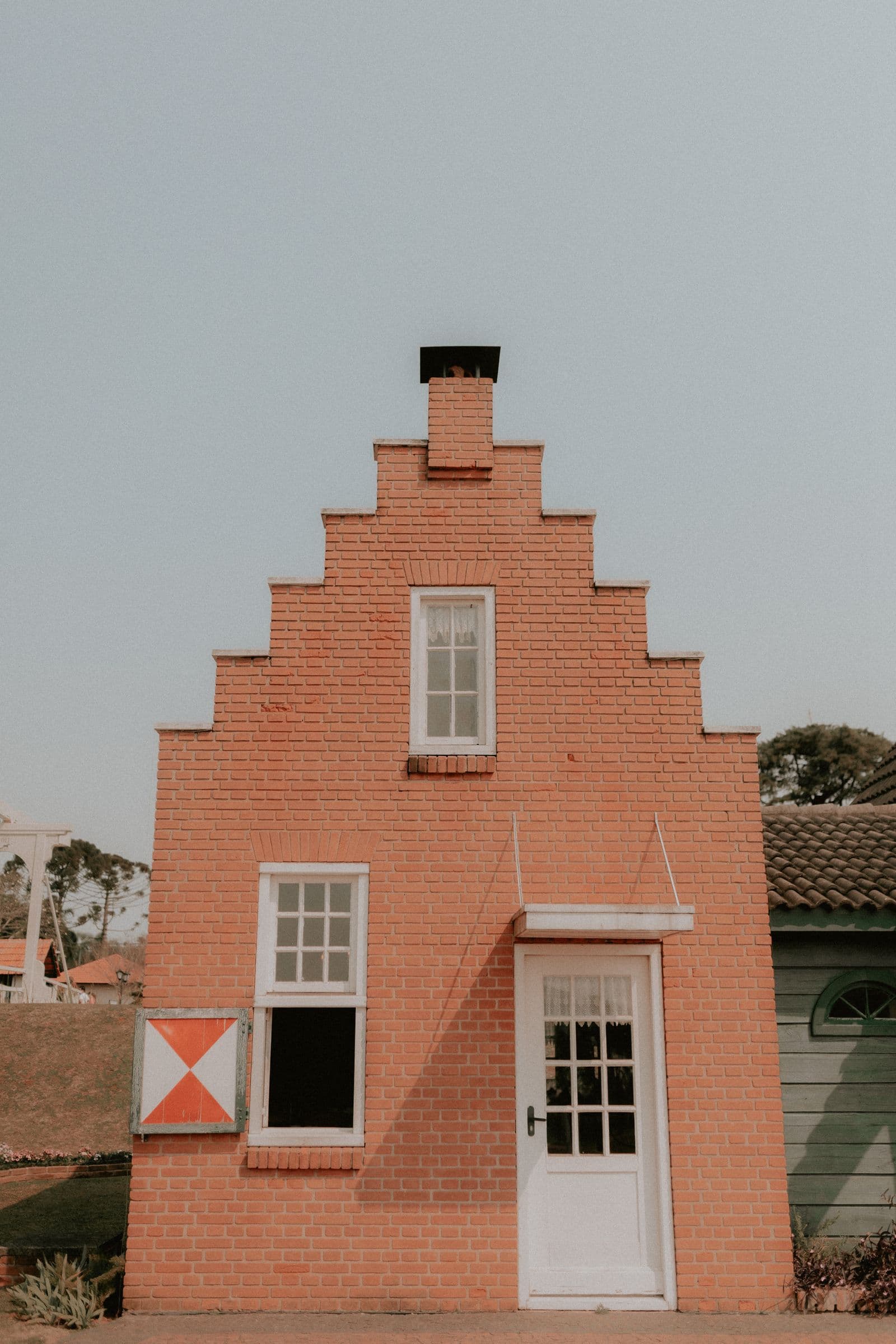

The five-nights-a-year fireplace
Walk any neighborhood in Orlando, Tampa, or Jacksonville and you will pass house after house with a chimney on the roof and a fireplace that burns maybe a handful of evenings a year: a cold snap in January, perhaps a holiday fire for the atmosphere. The rest of the calendar, the system just sits. Many Florida homeowners have never lit theirs at all.
It is natural to assume that a fireplace you barely use is a fireplace you can safely ignore: no fires, no creosote, no risk, right? The uncomfortable truth is closer to the opposite. A chimney is a hole through your roof connected to a shaft of masonry and metal, and every process that degrades it (moisture, corrosion, animal intrusion) runs whether or not anything ever burns. Some of those processes actually run faster in an idle flue.
Idle doesn’t mean paused
Think about what the chimney endures in a Florida year regardless of use: a wet season of near-daily storms, months of saturated air, hurricane winds, baking sun on the exposed stack, and, up in the Panhandle, the occasional hard freeze against wet masonry. The crown still cracks, the flashing still ages, the mortar still erodes, the damper still rusts. None of that waits for you to light a fire.
What idleness removes is the feedback. A regularly used fireplace tells on its chimney: smoke backing up, odors, poor draft, symptoms that get problems noticed. An unused system produces no symptoms because it is never asked to do anything. Problems accumulate silently for years and surface at the worst moments: during a home sale inspection, after a hurricane, or on the first cold night you finally want a fire.
Moisture with nothing to dry it out
A wood fire is the one event in a chimney’s life that thoroughly dries it: hours of strong heat driving moisture out of the brick, the mortar, and the metal. In a northern home that happens most winter nights. In a Florida home it happens almost never, while the humidity and the daily summer rain keep loading moisture in.
So the idle Florida flue spends most of the year damp: masonry holding water in its pores, the damper and firebox steel corroding, and any old creosote in the flue soaking up humidity like the sponge it is. This is the engine behind most of what this guide describes, and behind the musty or smoky smell that many owners of unused fireplaces notice on humid days. Our guide on why Florida humidity destroys chimneys covers the physics in full.
The damper deserves its own mention, because it is the moving part idleness punishes hardest. Metal seated against metal, wet air on both sides, never exercised. After enough years it seizes shut, seizes open, or no longer seals at all. A damper stuck open is an invisible utility bill: your conditioned air rises out of the house all summer while humid air drifts down in, which means the unused fireplace is quietly costing you money every month it sits ignored.
A quiet flue is prime real estate
To you, an unused chimney is a forgotten appliance. To Florida’s wildlife, it is a fortified tower with climate control: dark, sheltered from storms, safe from predators, and never disturbed by smoke. Raccoons raise litters on smoke shelves. Squirrels and rats pack flues with nesting material. Birds drop in and cannot always climb back out. Bees and wasps build comb in the upper flue.
Beyond the noise and the smell (and few smells match an animal that got trapped in a flue during a Florida summer), the fire-safety math is grim: a flue packed with nesting material is kindling stacked inside your chimney, waiting for the one night a year somebody lights a fire beneath it. One nester deserves special mention: chimney swifts, which are federally protected migratory birds. Once they are nesting in a flue, they generally cannot be removed until the young have flown, and the practical answer is prevention: a proper cap with an animal screen before anything moves in.
The creosote you inherited
“We never use the fireplace” usually means “we have never used the fireplace. ” Somebody did. Maybe the previous owner, maybe the one before them. Whatever creosote their fires deposited is still coating the flue, because creosote does not evaporate, decay, or politely see itself out. It waits.
In Florida’s humidity, inherited creosote absorbs moisture and releases the tarry campfire odor that mystifies owners who have never burned a log in their lives. Damp creosote is also mildly acidic, quietly working on the flue’s mortar joints and liner from the inside. And it remains exactly as flammable as the day it condensed there, which matters the day someone finally decides tonight is a fireplace night.
The first-cold-snap problem
Here is how the idle-flue story usually ends: a real cold front finally reaches Central Florida, and that evening thousands of households light fireplaces that have not burned in one, three, or ten years: no inspection, no sweep, no idea what is in the flue. It is the riskiest fireplace night of the Florida year, entirely because of what may be waiting upstairs: a nest, a blockage, inherited creosote, a rusted-open gap, or a damper that will not open fully and sends smoke rolling into the living room.
A blocked or compromised flue does not always announce itself with drama. Sometimes it simply drafts poorly and lets combustion byproducts, including carbon monoxide, linger indoors. This is exactly why NFPA 211 recommends a chimney inspection every year even when the fireplace sees little or no use. The inspection is for the chimney’s condition, not a reward for burning often. Get the look-over in the calm season, and the first cold snap becomes something to enjoy.
The home-sale surprise
The other moment idle chimneys surface is closing season. Home inspectors flag chimney issues constantly, precisely because unused systems accumulate a decade of small problems nobody ever had a reason to notice: a cracked crown, a rusted-shut damper, a flue nobody can see up because a nest is in the way. Suddenly the fireplace nobody used in ten years is a line item in a negotiation, on a deadline, with a buyer’s repair estimate you had no hand in.
Sellers get a better version of that story by getting ahead of it: an inspection and any needed fixes before listing turns “unknown condition, price accordingly” into a working fireplace that shows well on a January open house. Buyers should flip the same logic: if the sellers say the fireplace “has never been used,” treat the chimney as an unknown, not a reassurance, and have it inspected like the roof or the AC. Our guide on chimney inspections before buying a home covers what that look actually includes.
Your three honest options
Option one: keep it alive. If you like having a working fireplace (and buyers in Florida consistently do), the maintenance load is modest: an annual inspection, a sweep when the flue actually needs it, a good cap with an animal screen, and prompt attention to water issues. For a few burns a year, that is the whole program.
Option two: retire it properly. If you know you will never burn, the chimney still needs to be sealed against water and wildlife: a quality cap or top-sealing damper up top, the structure kept weathertight. What retirement does not mean is ignoring it: the masonry still stands in the rain, and a deteriorating stack above your roof is a roof problem, not a fireplace problem.
Option three: convert it. Gas logs or a gas insert deliver the ambiance on demand without wood, creosote, or the first-cold-snap gamble, a popular middle path in Florida. Whichever way you lean, a local pro can inspect what you have, lay out the choices in plain language, and put numbers on paper with a free estimate, so you decide with facts instead of guesses.