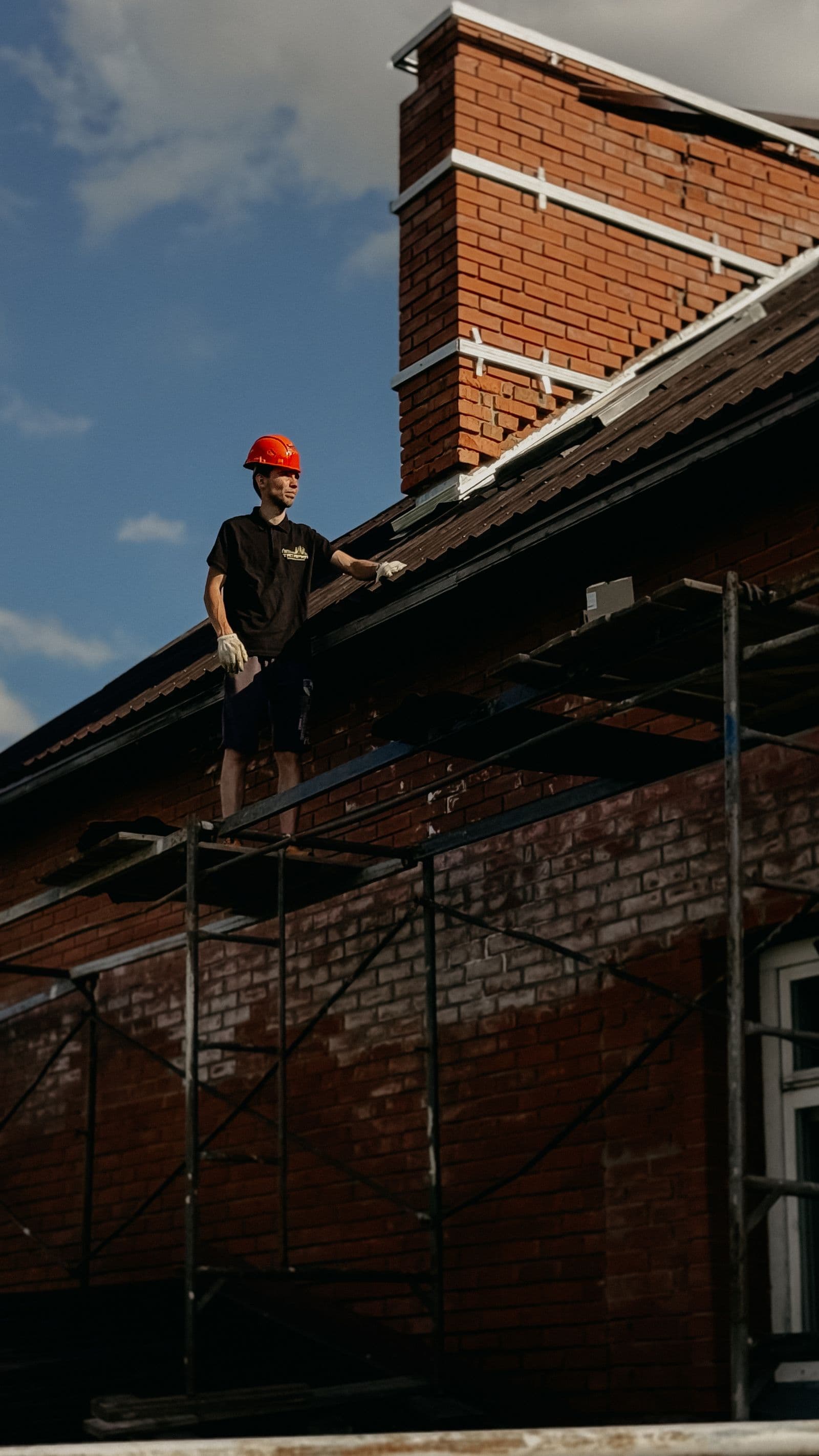
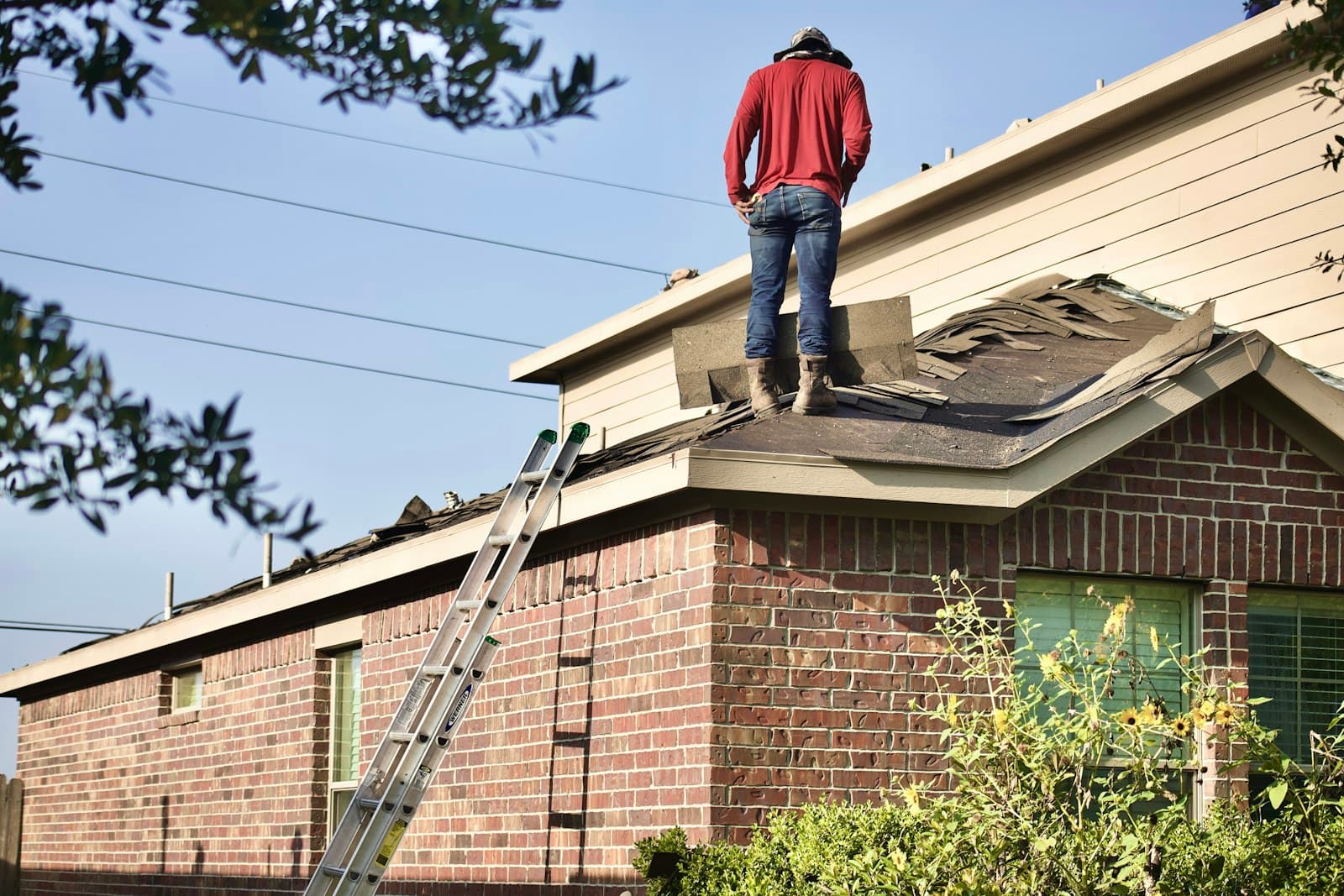
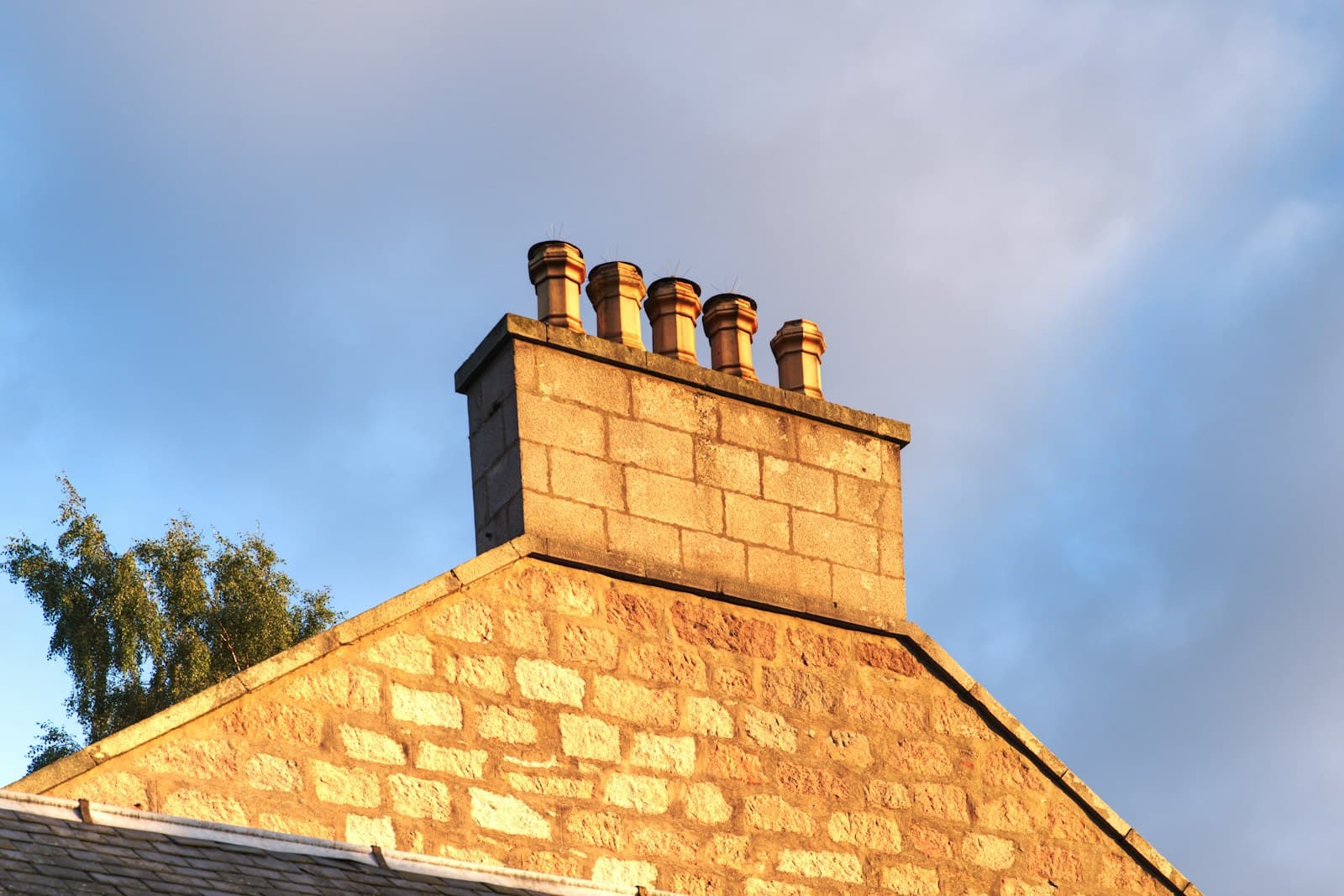
The Tampa Bay region is famously the lightning capital of North America, and your chimney is the tallest thing on your roof. Strikes on or near a house can crack a crown, shatter flue tiles, and blow mortar out of joints, damage that hides above the roofline where nobody looks. After any close strike, the stack deserves a professional inspection even if nothing visibly fell, because lightning damage inside a flue announces itself only when the fireplace is lit.
Then there's the daily artillery. From June into September, Tampa gets a violent storm most afternoons, and the chimney takes each one head-on. Hairline cracks in the crown let water into the structure, tired flashing lets it into the ceiling, and bare masonry simply drinks. The maddening part is that chimney leaks rarely show up at the chimney. They surface as a ceiling stain a few feet away, peeling paint in a corner, a damp smell in a spare room. Chimney leak repair starts with finding the true entry point (crown, flashing, cap, or saturated brick), because sealing the wrong spot doesn't stop water, it reroutes it.
Prevention is cheaper than chasing stains. A sound crown, intact flashing, and a breathable water repellent applied in the drier months (the kind that sheds rain but lets trapped vapor escape) will carry a Tampa chimney through the wet season intact. Chimney waterproofing done in spring, before the daily storms return, is one potentially useful maintenance item for masonry in this climate.