
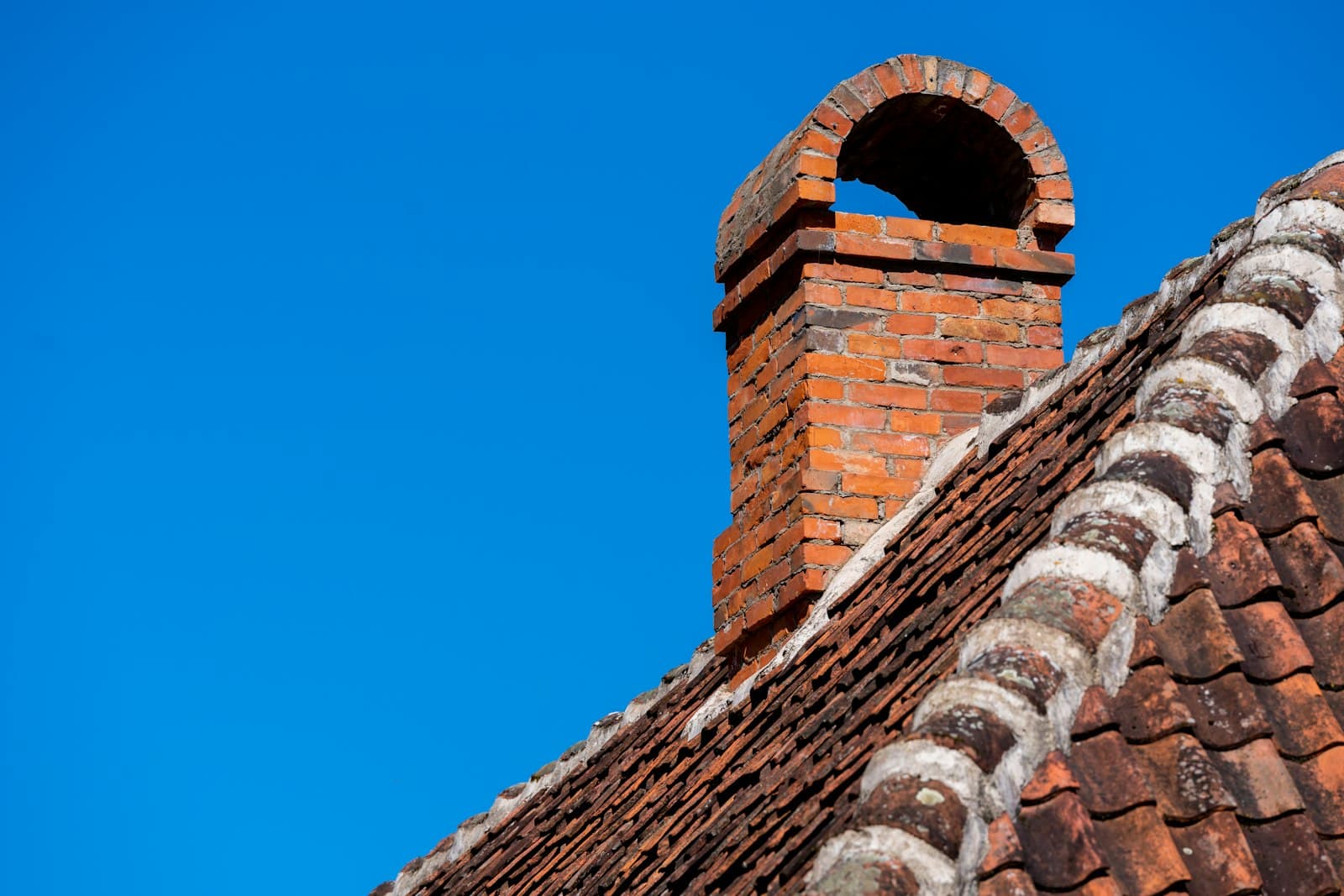
Chimney Waterproofing in Tampa, FL: Matching the Scope to the Property
Chimney waterproofing in Tampa is a question about moisture entering suitable masonry surfaces. It is not another name for repairing an open roof joint, broken crown, or missing cover. Explain where dampness appears and whether the chimney has already been painted, sealed, or treated before discussing a new application.
Separate surface absorption from an open leak
Masonry condition and existing coatings affect whether a water-repellent treatment is suitable. Covering deterioration does not replace lost mortar or resolve movement, and trapped moisture needs consideration rather than another layer applied by default. If the masonry is a suitable candidate after other defects are addressed, review these treatment questions:
- The brick, block, mortar, or finish receiving the treatment
- Previous paint, coatings, patches, or water-repellent applications
- Open joints or damaged components that need repair first
- Product compatibility, preparation, and how retained moisture can escape
How chimney waterproofing needs are evaluated
It is worth being plain about what this does not do. Waterproofing will not stop a leak, will not hold a spalling face together, adds no strength to a joint, and does not last forever. What it does is stop wind-driven rain being absorbed into the face of a sound wall, which is the mechanism behind efflorescence, permanently damp masonry and the interior dampness that follows. Sold to a Tampa homeowner as anything more than that, it disappoints.
How it is applied, and what changes the job
Near the coast the wall's own moisture sets the schedule. Salt-laden masonry has to be dry through, not merely dry to the touch, before it is treated, and on a Tampa chimney that means picking the weather rather than the date. Sealing a wall that is still holding water is how a treatment ends up pushed off from behind, and it is the one mistake on this job that cannot be corrected by applying more product.