

How chimney waterproofing is priced, and how to read the quote
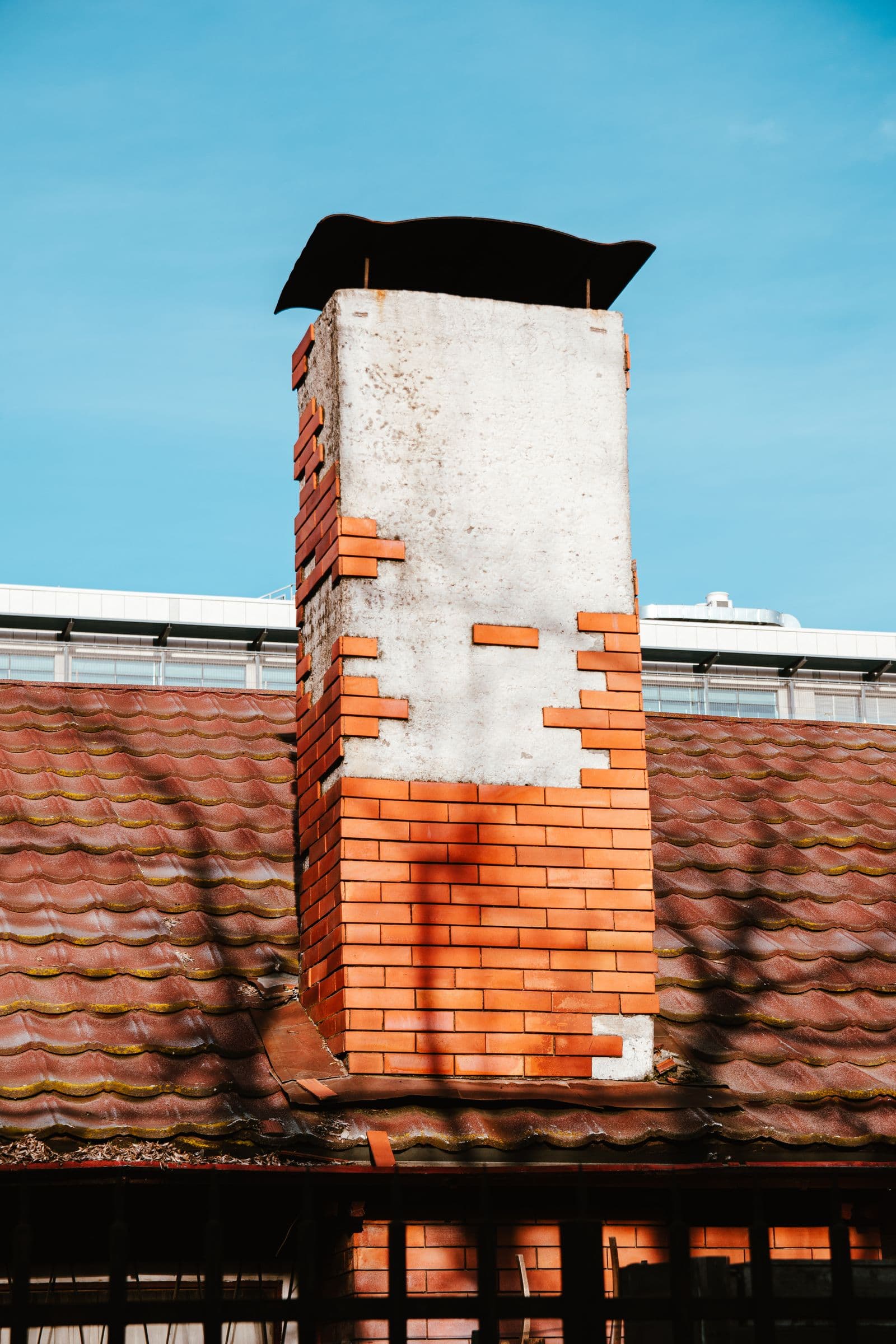
The first thing that moves a waterproofing number is not the size of the chimney but its condition. Repellent is a finishing step: over sound masonry it does exactly what it is sold to do, and over open joints or a cracked crown it slows the wall's drying while leaving every real entry point open. So the scope is usually settled on the roof rather than from the driveway. A pro who finds washed-out joints will price repair ahead of repellent, and that sequencing, not the spraying, is what separates two very different-looking estimates for the same chimney.
After condition, the number tracks surface area, substrate, and access. Brick, stucco, and CBS absorb at different rates, so the same stack takes a different amount of material depending on what it is made of, and a tall chimney on barrel tile spends more of the day on safe footing and staging than on spraying. A complete quote shows those parts separately: cleaning and prep, any masonry repair, the named product and its class, the number of saturation passes, and any job terms the contractor offers. A vague quote collapses all of it into one line reading "waterproof chimney" and never names the product.
A number that undercuts every other quote on this job is usually buying one of three things: a film-forming clear coat instead of a vapor-permeable repellent, a single thin pass over dirty masonry, or a spray applied to a wall still wet through its depth from the last storm. All three look identical on the day and fail differently later. The tell is the paperwork: a low number with a named breathable product, real prep, and a stated weather window is a good deal; a low number with none of that is a different job wearing the same word.
- Ask exactly what is being applied (brand and type) and whether the maker calls it penetrating and vapor-permeable.
- Ask whether the masonry needs repair first, and have that priced as its own line you can accept or decline.
- Ask how the surface gets cleaned, and what changes if an old coating or paint has to come off before anything can penetrate.
- Access drives the labor: height, roof pitch, and tile decide how much of the visit is spent reaching the chimney rather than treating it.
- Bundling crown coating and a cap and flashing check into the same trip beats paying for separate visits later.
Waterproofing · Why Florida humidity destroys chimneys · Free estimate
What chimney waterproofing actually is
Waterproofing a chimney means treating the exposed masonry (brick, block, or stucco above the roofline) with a penetrating water repellent. The professional-grade products are siloxane or silane based: they soak into the masonry and chemically bond inside the pores, so wind-driven rain beads off instead of soaking in. Critically, the good products are vapor-permeable. Water cannot get in, but moisture already inside the masonry can still escape as vapor.
That one word, breathable, is the entire difference between waterproofing and ruining a chimney. Film-forming sealers, clear coatings, and paint trap moisture inside the brick. In Florida, where masonry picks up moisture from the air ten months a year, a sealed-in chimney rots from the inside: the brick face spalls off, mortar crumbles behind an intact-looking surface, and the “protection” becomes the cause of the damage. When you compare quotes, the product spec matters more than the price.
Why Florida masonry drinks water
Brick and mortar are sponges. That is not an insult, it is how the material works. A chimney is the most exposed masonry on the house: it takes rain from every direction, has no roof over itself, and in Florida it gets hit by wind-driven rain in nearly every summer storm. Wind-driven is the key phrase. Rain falling straight down mostly runs off; rain arriving sideways at 30 miles an hour gets forced into the face of the brick and into every hairline joint.
Between storms, our humidity keeps the masonry from ever fully drying. A chimney that stays damp grows algae and mildew streaks, leaches white efflorescence salts, and slowly loses mortar. On the coasts, salt spray adds chloride to the water soaking in, which accelerates everything and attacks any embedded metal. And in the Panhandle, the occasional hard freeze turns a damp chimney into a freeze-thaw test rig: water in the pores expands as it freezes and pops the brick face clean off. Waterproofing exists to break that cycle at step one: keep the bulk water out.
How to read a waterproofing quote
Waterproofing an average single-family chimney means two things: cleaning the masonry, then applying professional-grade breathable repellent. A small chimney reached from a walkable roof is the quickest version of that job. Tall chimneys, large masonry surfaces, and steep or tile roofs mean more product, more setup, and more careful time up there. The real number comes from a free estimate after a pro has seen the size and condition of your chimney.
One honest caveat: waterproofing is a finishing step, not a repair. If the mortar joints are washed out or the crown is cracked, repellent over failing masonry is money half-spent. The water keeps entering through the defects. That is why estimates for waterproofing sometimes arrive with a repair line item ahead of them. It is not an upsell; sequencing repairs before repellent is the only order that works.
When quotes differ, make them name the product. An estimate should state what is being applied, brand and type, so you can check two things yourself: that it is a penetrating siloxane or silane repellent, and that the maker calls it vapor-permeable or breathable. Two quotes that both say “waterproofing” can describe a professional repellent or a film of clear coat, and the paper is where you find out which one you are buying.
What moves the price
Surface area and height set the baseline. A short chimney on a one-story ranch is a small surface reached from a walkable roof; a tall two-story chimney is more product, more time, and more careful roof work. Steep pitches and barrel tile slow everything down, and honest pricing reflects time on the roof.
Condition is the second lever. Masonry that needs cleaning first (algae, efflorescence, old paint or a failed previous sealer) adds prep work, and stripping a film-forming coating so the new repellent can penetrate is real labor. Any repointing or crown work needed before treatment is its own scope. Product grade matters too: professional siloxane blends cost more per gallon than hardware-store clear coat, penetrate deeper, and last years longer. Some pros also bundle the crown into the visit with a purpose-made crown coating, which changes the number but covers the chimney’s most vulnerable horizontal surface.
What the visit actually looks like
A proper waterproofing job is mostly preparation. The pro cleans the masonry first (brushing or washing off algae, mildew, and efflorescence) because repellent bonded to grime protects the grime, not the brick. Any hairline crack patching or joint touch-up happens next, then the surface has to be dry enough for the product to penetrate. Roof surfaces and nearby plantings get masked or wetted for protection before anything is sprayed. On most homes the entire visit fits comfortably inside a morning.
Application itself is a saturation coat, sprayed generously from the bottom of the chimney up, so the masonry drinks in as much product as it will take, often followed by a second pass while the first is still wet. The practical Florida constraint is the weather window: the surface needs dry hours before and after application, which in summer means morning work timed ahead of the afternoon storm. A pro who reschedules around rain is doing the job right, not being difficult.
Cheap now, expensive later: the sealer trap
The classic false economy in this niche is the cheap “sealing” job: a fast spray of film-forming clear coat, sometimes literally the same product sold for driveways. It beads water impressively for a season, which is exactly long enough for the one-year handshake warranty to expire. Then the film starts trapping the moisture that enters through the crown, the flashing, and hairline cracks, and the chimney begins spalling behind the coating. Fixing that means grinding off the failed film and replacing damaged brick: masonry work on a completely different scale from the treatment that was supposed to prevent it.
The other trap is treating waterproofing as a substitute for repair. Repellent will not fix a leaking flashing seam, seal a cracked crown, or restore washed-out joints. If a company proposes spraying a visibly damaged chimney without mentioning the damage, that is a red flag, not a bargain. The honest sequence is: fix the defects, then protect the surface, and an estimate should show both parts plainly.
When waterproofing is the right money
Waterproofing earns its keep in specific situations. A structurally sound chimney showing early moisture signs (dark staining after rain, efflorescence, mildew streaks) is the ideal candidate: you are buying years of protection before damage starts. A chimney that just had masonry repairs is another: repellent locks in the new work. Coastal chimneys facing salt-laden wind, and Panhandle chimneys that see real freezes, get the most measurable benefit of all.
It also pairs naturally with the rest of the chimney’s rain defense. The most cost-effective version of this job is often a bundle: crown coating on top, repellent on the masonry, and a check of the cap and flashing in the same visit: one trip up, the whole water path covered. Each piece should still appear as its own line on the estimate so you can accept or decline them individually. And with a storm always somewhere on the Florida calendar from June to November, that single visit doubles as the cheapest hurricane prep a chimney gets.
Product life and reapplication needs vary with the masonry, exposure, preparation, and product instructions. A technician can visit the property and give a free estimate. Every approved paid job requires a deposit. If the customer cancels after paying the deposit, the company keeps it. Scope, price, payment terms, and job terms are provided in the job-specific paperwork.