
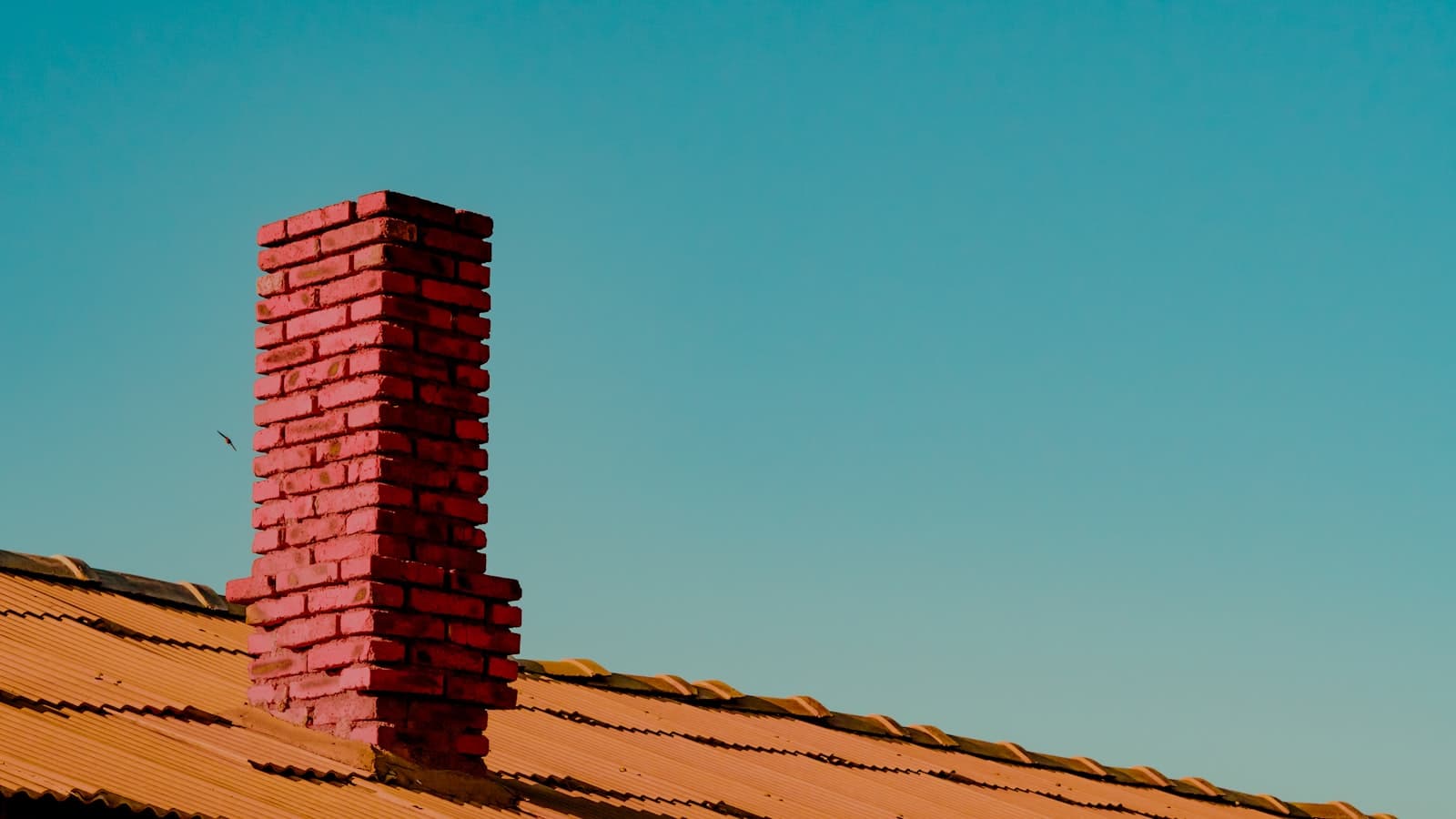

Tuckpointing, in plain language
The mortar joints are the lines between the bricks. When those joints crack, crumble, or erode, repointing removes the deteriorated material and replaces it with suitable fresh mortar. Chimney contractors often call this tuckpointing. Renewing the joints can reduce water penetration, but the condition of the bricks and other chimney components still matters.
The reason it matters so much is that mortar joints are the chimney’s first line of defense against water. Brick is fairly durable; the joints are the weak link. Once they erode, water has an open invitation into the heart of the masonry, and in a humid, rain-heavy state like Florida, that invitation gets accepted constantly. Tuckpointing is how you slam that door shut before the damage spreads from the joints into the bricks themselves.
Why mortar fails before brick, by design
Here is the part most homeowners never hear: mortar is supposed to be the weaker material. Masons deliberately use mortar that is softer and more porous than the brick around it, so that as the wall moves, breathes, and weathers, the stress and the moisture damage concentrate in the joints (the part built to be renewed) rather than in the bricks, which are not. Mortar is the sacrificial layer. Tuckpointing is not a sign your chimney was built badly; it is the scheduled renewal the system was designed around.
What kills mortar is the wet-dry cycle. Each soaking dissolves a little of the binder and each drying leaves the joint slightly more porous, so the next rain penetrates a bit deeper. Florida runs this cycle on fast-forward: humidity keeps joints damp between rains, summer delivers a storm nearly every afternoon, and along the coast, salt crystallizing inside the joint pries it apart from within. In the Panhandle, add the occasional hard freeze: water absorbed into a saturated joint expands as it turns to ice, and one bad cold snap can visibly widen cracks that took years to form.
How to tell your chimney needs it
The clearest sign is visible from the ground if you look closely: mortar joints that are cracked, recessed, crumbling, or missing chunks. If you can see daylight or shadow in the gaps between bricks, or if bits of mortar have collected on the roof or in the gutters, the joints are failing. Soft mortar you could scrape with a key is another tell. Healthy mortar is firm and resists a scratch.
The secondary signs are the same water-intrusion warnings that point to most chimney problems: efflorescence (the chalky white staining) on the brick, spalling brick that is flaking or popping, and a musty smell or damp patches that suggest water is getting into the masonry. In Florida these show up faster than homeowners expect because our humidity and frequent rain keep the joints wet, and because on the coast salt accelerates the breakdown.
A useful habit: give the chimney a two-minute look twice a year: once after the summer wet season ends, once before your first fire. Stand back where you can see the whole stack, use binoculars if you have them, and compare against a photo from last year. Joint failure is gradual enough that memory misses it; a side-by-side photo rarely does.
The repair window, and what missing it means
It helps to think of the joints as the chimney’s raincoat. As long as the mortar lines are full and firm, water runs off the face of the masonry the way it should. The moment a joint opens up, that raincoat has a tear in it, and Florida’s weather is relentless about finding tears: humidity keeps the gap damp, summer storms drive rain into it, and the cycle widens the opening a little more each season. Tuckpointing is simply patching the raincoat before the rain reaches what it is protecting.
There is a window where tuckpointing is the right, contained fix: when the joints have failed but the bricks are still sound. Miss that window, and water moving through open joints starts destroying the bricks too: faces spall off, cores stay saturated, and freeze or salt action breaks them apart. At that point the repair escalates from repointing joints to replacing bricks, and eventually to rebuilding sections of the stack. Catching it early keeps the work in the joint-renewal tier (renewing the sacrificial layer the chimney was designed to have renewed) instead of pushing it into the tier where you are replacing the part that layer existed to protect.
What a pro actually does
Good tuckpointing is more craft than most people expect. The failing mortar is ground or raked out to a proper depth (roughly twice the joint’s width is the standard practice), because new mortar smeared over old, crumbling material is a cosmetic patch that pops back out within a couple of seasons. The joints are cleaned and dampened so the fresh mortar cures against the brick instead of having its moisture sucked out instantly, which matters in Florida heat.
Then comes the judgment call that separates pros from patch jobs: matching the new mortar to the old, in composition and hardness, not just color. Packing modern, extra-hard mortar into an older chimney built with softer materials quietly reverses the sacrificial system: the joints become harder than the brick, stress transfers into the brick faces, and the bricks start spalling instead of the joints. A pro matches the mortar’s strength to the original, blends the color so the repair disappears, tools the joints to the existing profile, and lets it cure properly.
Why it matters more in Florida
Florida is unusually hard on mortar joints. Year-round humidity keeps them damp, daily summer downpours wash at them, wind-driven rain is forced into them, and along the coast salt chemically degrades them. The result is that Florida chimneys often need attention to their joints sooner than chimneys in drier climates, and that ignoring failing joints here lets water do its damage quickly, not over decades.
The hurricane angle deserves a mention too. A chimney with open, soft joints is the one that cracks or sheds bricks when a major storm loads it with hours of sideways wind and rain. Sound joints are part of what lets the tallest masonry on your house take a named storm without becoming a repair project, one more reason the smart time for this work is spring, before the season, not after.
One Florida-specific note: not every chimney here is exposed brick. Plenty are stucco over block, matching the state’s CBS housing stock. Those do not get tuckpointed (their equivalent failure is cracked stucco and failed caulk joints letting water behind the shell), but the underlying logic is identical: the outer skin’s seams are the raincoat, and small openings become big water problems on Florida’s schedule. If your chimney is stucco and showing cracks or staining, the same inspect-early instinct applies; the repair just goes by a different name.
What shapes the job, and pairing with waterproofing
The size of a tuckpointing job depends on how much mortar has deteriorated and whether the surrounding bricks are sound. Repairing a few accessible joints is different from repointing an entire stack. Chimney height, roof access, and hidden damage can also affect the work. A technician can assess the chimney at your home and give you a free estimate; a ground-level view alone may not show the full extent of the damage.
Tuckpointing is frequently paired with breathable water repellent after the new joints cure, because the repaired joints and masonry then work together to shed rain while releasing vapor. A qualified chimney professional can assess whether tuckpointing is appropriate or whether damaged brick also needs attention. Ask for the proposed work and job terms in the written agreement.
Chimney masonry & tuckpointing · Waterproofing after openings are closed
Does the chimney need new mortar or new bricks?
Recessed or crumbling mortar between sound bricks may be suitable for repointing. If the brick faces are breaking away, individual bricks are loose, or part of the stack has shifted, renewing the joints alone may not be enough. A cracked crown at the chimney top also needs to be assessed separately from the mortar below it.
Our chimney masonry service covers mortar-joint repair and damaged brickwork. If you also have water indoors or a damaged chimney top, describe those symptoms when requesting chimney repair. You do not need to know the name of the failed part to ask for a visit. Waterproofing may be considered for sound masonry after repairs; it cannot fill a missing joint or support a loose brick.
If you notice mortar debris, recessed joints, or recurring white staining after rain, take photos from a safe place on the ground. Tell the technician when you first noticed the change and whether it followed a storm or earlier repair. These details help focus the visit, but the repair recommendation depends on the condition found at the property.
- Crumbling or recessed mortar with sound brick: ask whether repointing is appropriate.
- Spalled faces, loose units, or a cracked crown: the same visit can compare brick, crown, or rebuild scope.
- Indoor stains or rust streaks: start with chimney repair or leak repair so the water path is named first.
- Do not coat open joints and call it waterproofing. Close the openings, then decide on a breathable treatment.
| What you see | What may need attention | Related service |
|---|---|---|
| Recessed or sandy mortar, brick still sound | Tuckpointing / repointing | Chimney masonry |
| Flaking brick faces or missing units | Brick replacement or restoration | Chimney masonry |
| Cracked slab at the top of a masonry stack | Crown repair or rebuild | Crown repair |
| Indoor stain after rain, rust, or a loose metal top | Source diagnosis, then the failed part | Chimney repair or leak repair |
Similar symptoms can have different causes. An on-site assessment helps determine which repair is appropriate.
Request chimney masonry / tuckpointing · Chimney repair services · Crown repair · Leak repair · Free estimate visit
What to have ready for the estimate visit
A useful request names the symptom, not the product. Say where the joints look open, whether brick faces are flaking, whether water appears indoors, and whether the stack is brick, block, or stucco. Safe ground-level photos help. The technician still has to reach the joints to judge depth, hardness, and whether surrounding brick can stay.
Include your ZIP code and mention any access restrictions, such as a shared roof or a locked gate. A technician can visit the property and give you a free estimate. If you are unsure whether the problem is mortar, brick, or another chimney component, describe what you have noticed rather than choosing a repair in advance.
Chimney masonry estimate · Request a visit online · Florida service-area directory