Proudly American-Owned

Chimney Repair in Fort Walton Beach, FL | Estimate

Request a chimney repair and fireplace company serving Fort Walton Beach, FL. A technician can visit your property and give a free estimate.

Free Fort Walton Beach Estimate

10% OFFFirst service

Family-Owned

A family-owned company serving Fort Walton Beach properties.

Proudly American-Owned

An American-owned chimney and fireplace company.

Free Estimate Visit

A technician can visit the property and provide a free estimate.

Fort Walton Beach Chimney Repair, Cleaning & Fireplace Service

Fort Walton Beach sits among Choctawhatchee Bay, Santa Rosa Sound, and connected bayous in coastal Okaloosa County. A local chimney may spend months in humid salt air before a Panhandle cold front brings it back into use, so water control, corrosion, deposits, and venting all deserve separate attention.

Name the symptom at the Fort Walton Beach address, then open the matching page: chimney repair in Fort Walton Beach, chimney sweeping, inspection, leak repair, cap replacement, crown repair, flashing repair, waterproofing, masonry repair, relining, rebuild, hurricane repair, gas fireplace repair, animal removal, or fireplace repair. The technician estimate visit is free.

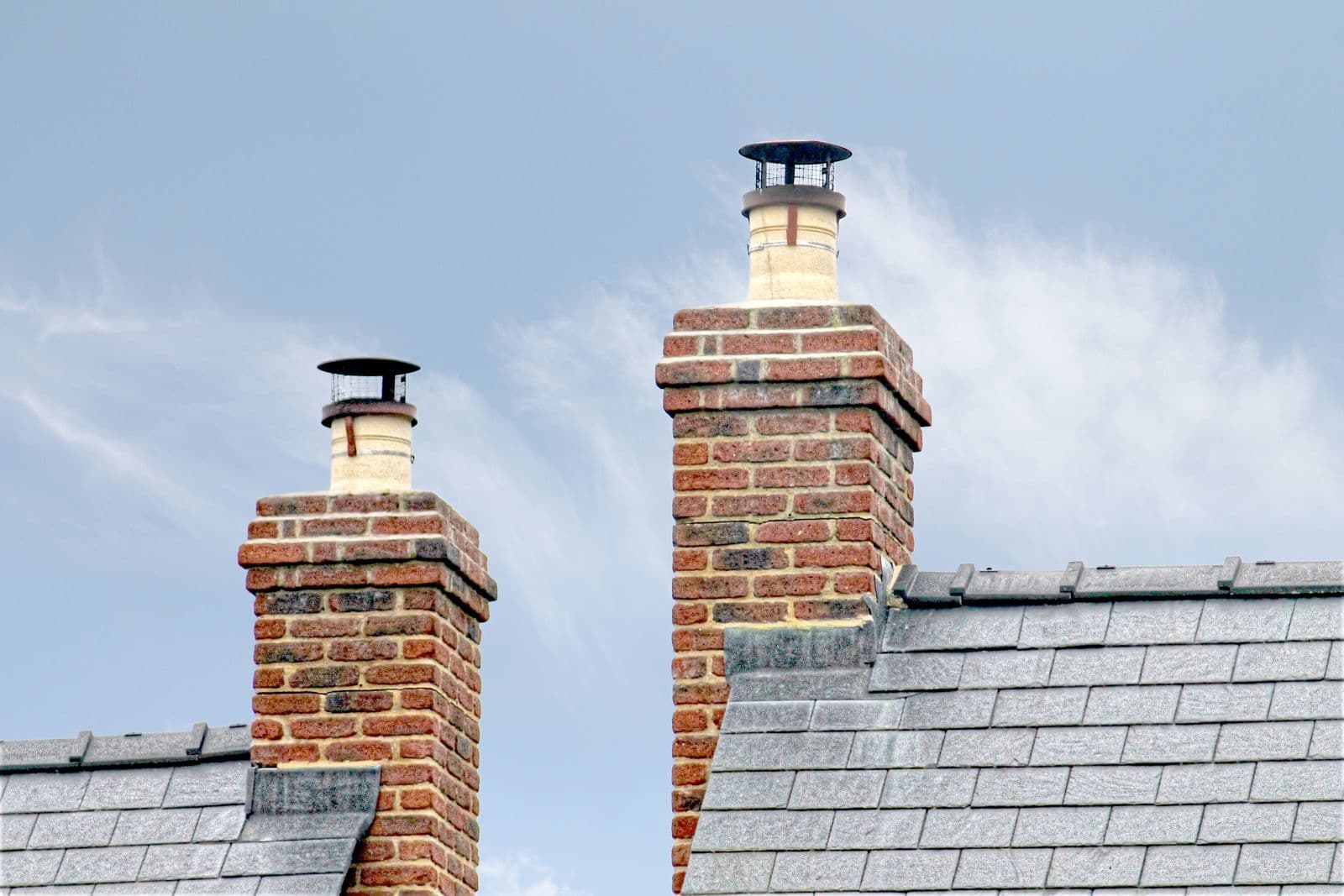
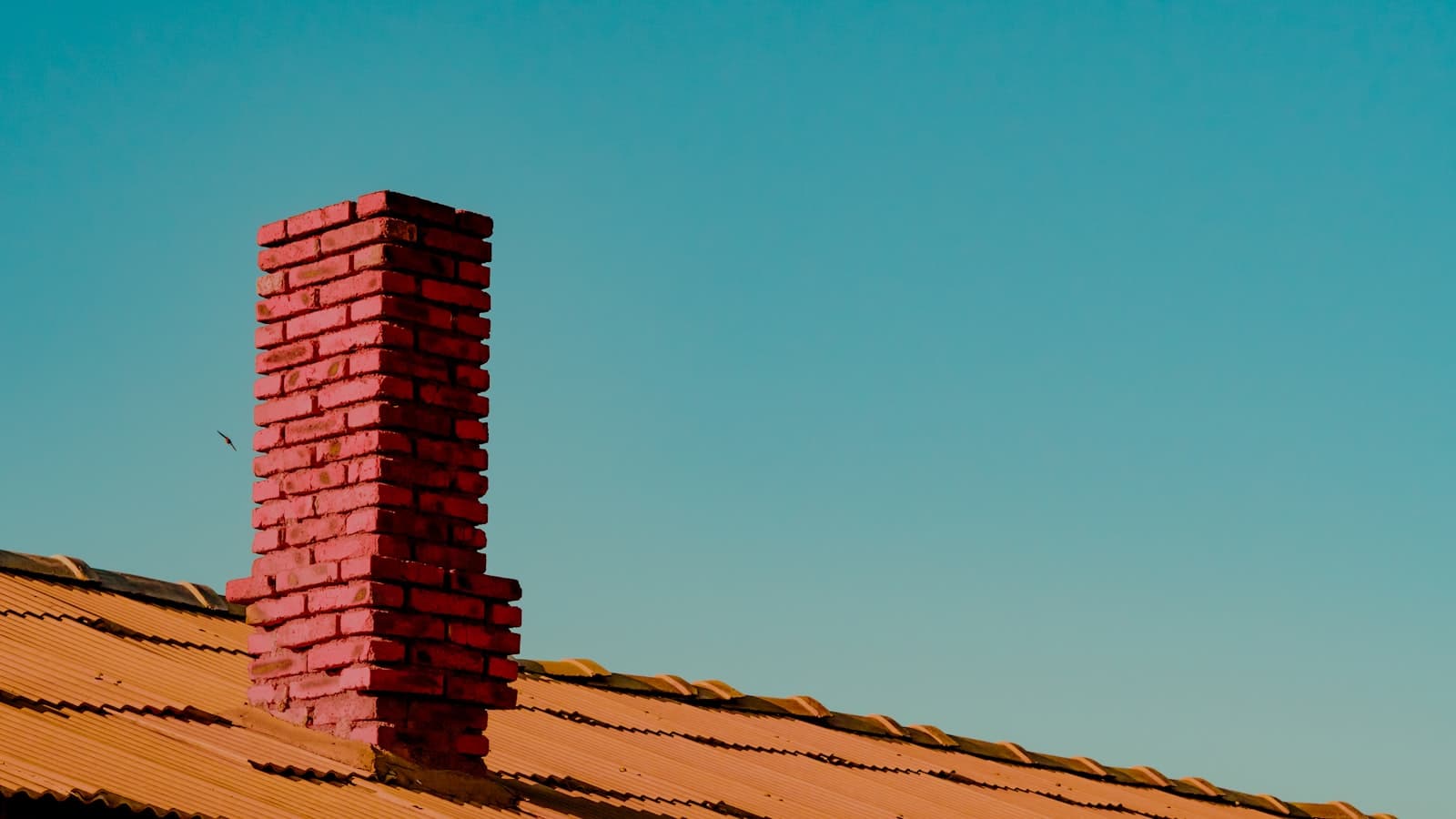
Brickwork being carried out on a rooftop chimney

What happens next

How chimney and fireplace service works in Fort Walton Beach

The estimate visit is separate from any paid work, so you can review the estimate before deciding.

  1. Tell us what you are seeing

    Call or send the estimate form with the service or concern you want reviewed. Include your property's ZIP code in Fort Walton Beach.

  2. Get a free estimate visit

    A technician can visit the property and provide a free estimate for chimney or fireplace service.

  3. Approve the work before it begins

    Paid work requires a deposit. If you cancel after paying the deposit, the company retains it.

Understanding Fort Walton Beach properties

Coastal exposure around Choctawhatchee Bay and the Sound

Fort Walton Beach spans a network of coastal waterways, including Choctawhatchee Bay, Santa Rosa Sound, Cinco Bayou, and Garniers Bayou. That does not mean every address has identical exposure, but it does establish a persistent coastal environment where moisture and salt can reach roof-level metal even when a home is not directly on open Gulf water.

Caps, chase covers, flashing edges, fasteners, and damper hardware can corrode in different places and at different rates. A rust streak on a chase does not necessarily mean the entire cover is failing, and a clean-looking top surface does not rule out deterioration at a seam or penetration. Chimney cap installation begins with identifying the flue and chimney type, because a cap over a flue opening is not the same component as the larger cover over a framed chase.

Coastal air also keeps masonry in repeated wet and dry cycles. Mortar may erode, brick faces may hold moisture, and metal embedded near masonry can leave stains that resemble a leak path. The right question is not simply whether the chimney is coastal. It is which material is showing change, where water can enter or remain, and how that area connects to the roof and flue. Those details determine whether the concern belongs to maintenance, masonry service, or another repair category.

Why a Fort Walton Beach leak needs a timeline

Water can enter at the cap, crown or chase cover, vertical masonry, flashing, roof drainage, or an exterior vent termination. In Fort Walton Beach, wind can move rain across those surfaces from more than one direction. The water may then travel along framing or decking before reaching the ceiling or firebox. A stain several feet from the chimney does not exclude the chimney, and a wet firebox does not prove that the cap is the only source.

Homeowners can make leak diagnosis more useful by recording the pattern. Does the mark appear during every shower or only when wind crosses the bay? Does it begin while rain is falling or hours later? Is it above the firebox, on a side wall, at the ceiling, or around a chase? Has the roof or flashing been changed recently? Chimney leak repair should connect those observations to the actual assembly before any sealant or replacement is proposed.

Surface treatment is only one part of water control. Breathable chimney waterproofing may reduce absorption through suitable brick and mortar, but it cannot rebuild a crown edge, replace corroded metal, close a deep joint, or correct flashing geometry. Coating an unresolved defect can make the next leak harder to trace. Repairs should address open paths first, allow the substrate to be prepared correctly, and reserve water repellent for masonry that can benefit from it.

Preparing an idle fireplace for a Panhandle cold front

Fort Walton Beach belongs to the Panhandle climate region, where cold fronts can bring fireplace weather and occasional freezes. The challenge is the transition. A system may sit unused through months of warmth and humidity, then be expected to draft correctly on the first cold evening. During that idle period, rain, nesting material, corrosion, a stuck damper, or old deposits can change the condition without producing an obvious sign in the room.

Humidity can also intensify fireplace odor. Deposits absorb moisture, while pressure differences inside an air-conditioned home can pull chimney air into the room. Opening a nearby window may change the odor or draft and provide a clue, but it does not prove the solution. Water entry, damper position, flue condition, and outside-air effects may all contribute. Cleaning may address deposits, while a repair is appropriate only if an actual defect is identified.

Storm exposure without guessing at the damage

Fort Walton Beach is closely tied to bays, sounds, bayous, and the Gulf. For a chimney, tropical weather can mean wind-driven rain, uplift at loose metal, debris impact, and water entering a joint that performs normally in a vertical shower. The same storm can affect the chimney and the adjacent roof, so the boundary between chimney work and roofing work needs to be identified rather than assumed.

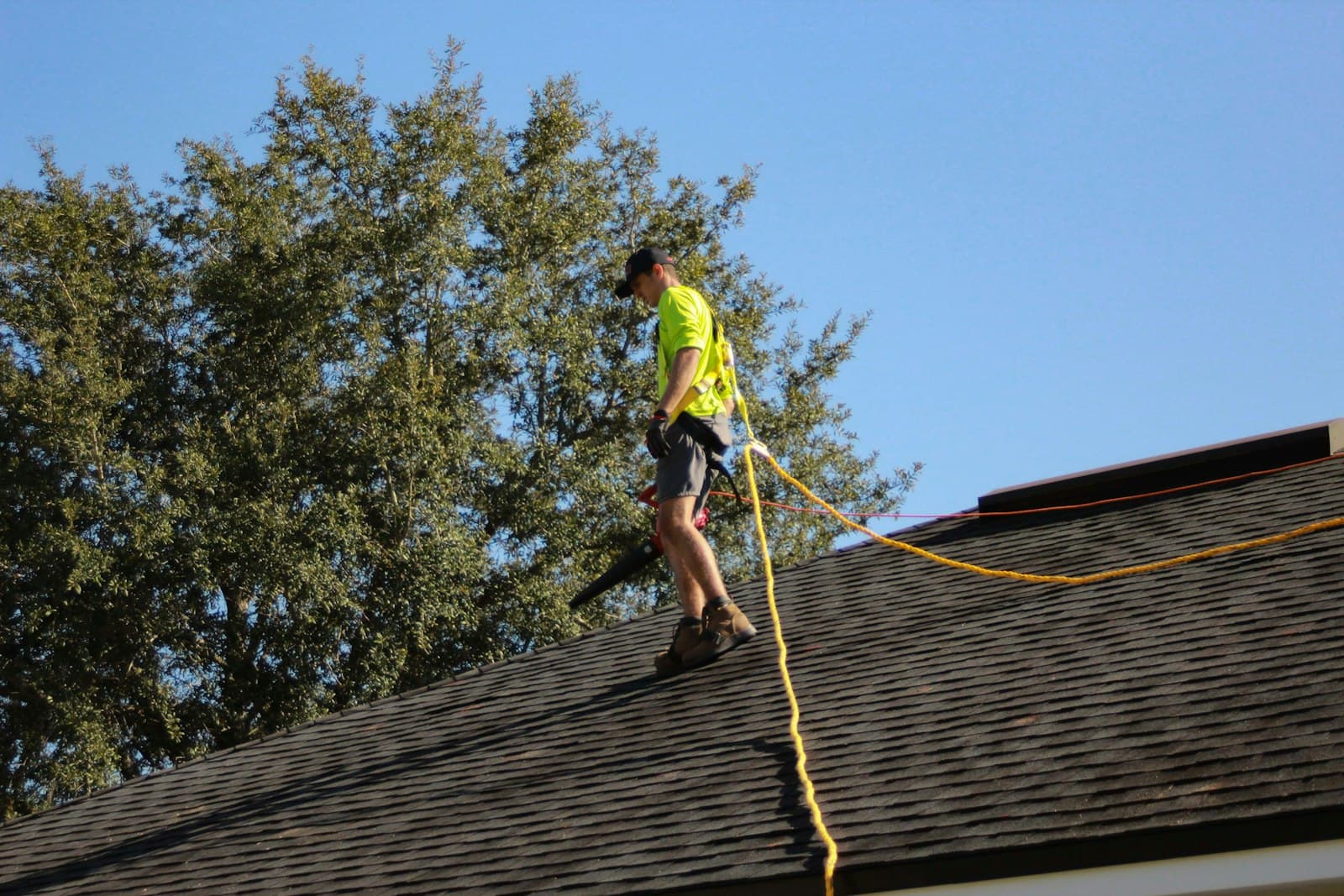
After strong weather, inspect only from a safe position on the ground. Look for a shifted cap, bent or lifted metal, fresh rust streaks, new cracks, missing masonry, or a stain that was not present before the storm. Photographing the same elevations over time can make subtle movement easier to recognize. If a chimney is leaning, shedding material, or appears unstable, keep people away from the area and call 911 when there is an immediate danger.

A post-storm concern does not automatically require a chimney rebuild. Limited metal damage, a displaced cap, an open joint, or a roof connection problem can each call for a narrower response. Rebuilding becomes a different conversation when sound material, stability, flue condition, or the support below the roofline is in question. The repair boundary should follow the observed condition rather than the size of the storm named in the forecast.

Questions that lead to a clearer local repair decision

Start with the system type. Is the exterior a masonry stack, a framed chase, or a wall termination serving a listed appliance? Then identify the symptom and its timing: smoke at startup, a pilot that will not stay lit, rust, an odor after rain, a ceiling mark, loose mortar, or animal sounds. These details point toward different service pages and keep a general search for chimney repair from turning into an assumed solution.

For smoke or draft concerns, note whether the behavior is new, whether it happens only at startup, and whether exhaust fans or a tightly closed house change it. Obstruction, flue temperature, house pressure, geometry, damper condition, and appliance compatibility can create similar symptoms. Relining is not the automatic answer to smoke in the room, just as sweeping is not the automatic answer to every odor.

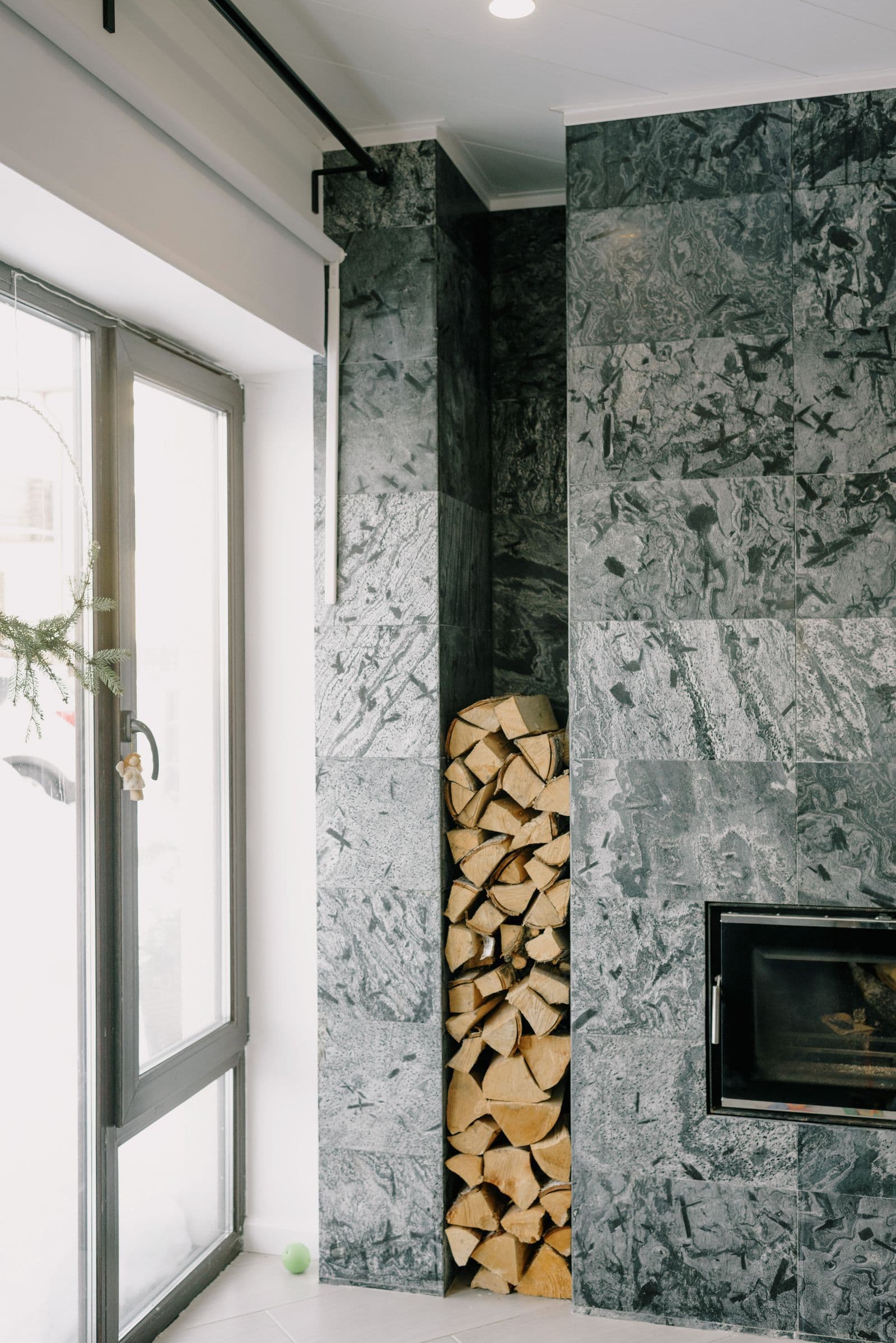
For a gas fireplace, do not move logs, alter the burner, or repeatedly attempt ignition when the appliance is sooting or behaving abnormally. Log placement, pilot condition, vent termination, controls, and fuel setup are system-specific. If you smell gas or suspect carbon monoxide, leave the area and call 911 and the gas utility before requesting fireplace service. That safety step comes before scheduling gas fireplace repair in Fort Walton Beach.

For a Fort Walton Beach property, the next step may be chimney repair, leak repair, waterproofing, crown repair, relining, or hurricane chimney repair. Use free estimate or book online to request the technician estimate visit and describe the condition you have noticed.

Talk with our team

Need chimney and fireplace service in Fort Walton Beach?

Tell us what you are seeing and include your property's ZIP code. We will use those details to understand the service request.

Frequently Asked

Chimney, Fireplace & Estimate Questions in Fort Walton Beach

Does salt from Choctawhatchee Bay reach chimney parts away from the water?
Coastal salt can travel in humid air and settle on exposed roof-level metal beyond the immediate shoreline. Exposure still varies by address, wind, shelter, material, and maintenance. Rust around a seam, fastener, edge, or damper deserves attention even when the home is not directly on the bay.
Why does my Fort Walton Beach fireplace smell after rain?
Moisture can strengthen odors held in soot and other deposits. Rain entry, humid outdoor air, damper position, and pressure inside an air-conditioned home may all affect what reaches the room. Note whether the odor follows a certain wind direction or changes when a nearby window is opened.
Can waterproofing stop every chimney leak near the coast?
No. A breathable masonry treatment may reduce absorption through suitable brick and mortar, but it cannot repair failed flashing, a corroded chase cover, an open crown crack, or a missing cap. The water path and open defects should be addressed before a surface treatment is considered.
What should I look for after a storm in Okaloosa County?
From the ground, check for shifted caps, bent metal, fresh cracks, displaced masonry, rust streaks, and new interior stains. Avoid climbing onto a wet or damaged roof. A leaning chimney or falling material is an immediate safety concern, not a routine appointment.
Why does my fireplace smoke only on the first cold night?
A long idle period can leave moisture, debris, animal material, deposits, or a stiff damper unnoticed. Cold flue air and house pressure can also affect startup. Do not assume the chimney only needs sweeping or relining; record when the smoke begins and what changes it so the correct service can be identified.
Is a chimney cap the same as a chase cover?
No. A cap covers the flue opening, while a chase cover is the larger metal top over a framed chase. A masonry crown serves the top of a brick stack. Each component sheds water differently, so the chimney type and failed part should be identified before replacement.
How do I book a Fort Walton Beach chimney estimate?
Call (754) 328-2421 or use free estimate or book online. Describe whether the home sits toward the bay or farther inland, what you see after wind-driven rain, and whether the fireplace is wood or gas. Every approved paid job requires a deposit.

Ready to schedule chimney service in Fort Walton Beach?

Tell us what you are seeing, include your property's ZIP code, and call to request a technician estimate visit.