
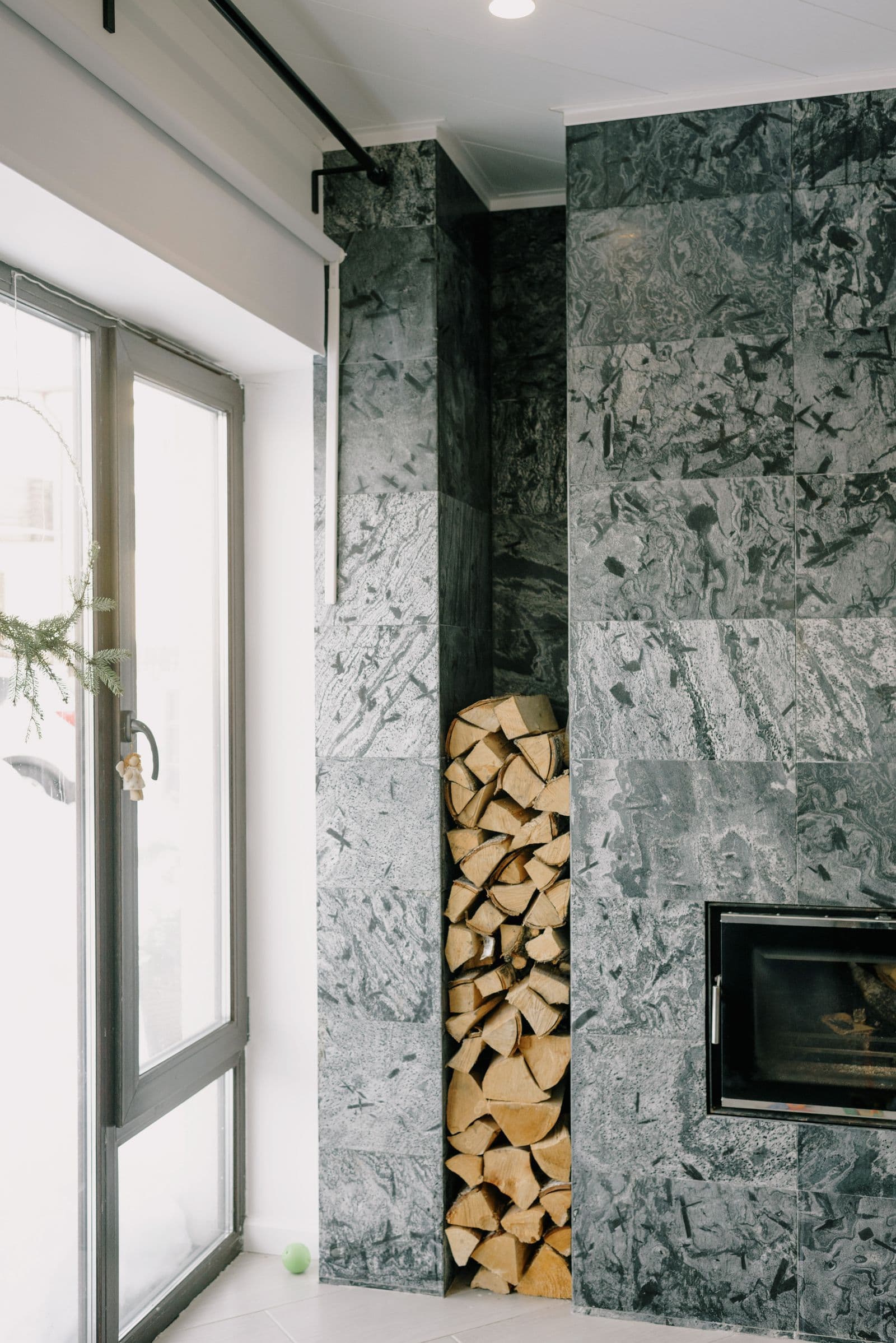

Gas means no creosote, not no maintenance
The best thing about a gas fireplace in Florida is everything it doesn’t do: no smoke, no ash, no creosote laying down in the flue. It’s easy to take the next step and assume it needs nothing at all. That’s where Florida gas fireplaces get into trouble, because while gas removes the soot problems, it does nothing about the climate problems. Your gas fireplace sits idle for eight to ten months a year in some of the most humid air in the country, and idle is exactly when things go wrong.
A gas fireplace is a gas appliance with a burner, a valve, an ignition system, and venting: the same categories of parts as your water heater, except this one lives partly exposed to weather and gets used a few dozen hours a year at most. Light use doesn’t protect those parts. In Florida, it slowly damages them.
There’s also a reliability argument that’s peculiar to this state. Florida cold snaps arrive with a day or two of warning and leave just as fast, which means a gas fireplace that fails gets discovered on exactly the night you wanted it, with every service calendar in the region filling at once. A unit serviced in the fall simply works when the front rolls through. For an appliance whose entire job is a few perfect evenings a year, being ready is most of the value.
What a long, humid off-season does to an idle unit
Humidity is the main actor. From roughly May through October, moist air sits inside the firebox and venting, condensing on cool metal overnight. Burners, valves, pilot assemblies, and log support frames are all metal, and months of damp contact encourage surface corrosion that can foul ports and stick components. On the coasts (from Jacksonville’s beaches down the Space Coast, and along the Gulf from Tampa Bay south), salt air accelerates all of it. Salt-laden moisture is quietly brutal on the thin metals in a burner assembly.
Then there are the tenants. An unused appliance in a warm climate is prime real estate for insects. Spiders and mud daubers are notorious for building in pilot tubes and burner ports during the off-season, and even a small web can restrict gas flow enough to cause ignition trouble or an erratic, sooty flame come December. It’s one of the most common reasons a Florida gas fireplace won’t light after sitting all summer.
The venting faces the outdoor version of the same fight: rain driven by daily summer thunderstorms, corrosion of metal vent components, and caps or terminations that can take a hit in a storm season that runs half the year. A blocked or corroded vent isn’t a cosmetic issue on a gas appliance: it’s the path combustion byproducts, including carbon monoxide, are supposed to take out of your house.
If your gas fireplace lives inside a framed, stucco-clad chase (the common Florida construction that mimics a masonry chimney), add the chase itself to the worry list. The metal chase cover on top rusts in our climate, and once it perforates, rain drops straight down onto the appliance below. Rust streaks running down the stucco are the telltale; they mean the cover is corroding and the clock is running.
What an annual service actually covers
A proper annual service on a gas fireplace is more than a dusting. A qualified chimney professional will clean the burner and pilot assembly and clear any insect debris from ports and tubes, then check the ignition system so the unit lights reliably instead of coughing on the first cold night. Logs get repositioned to the manufacturer’s layout: misplaced logs disturb the flame pattern and cause sooting even on a gas unit.
The safety half matters most. The pro checks gas connections for leaks, verifies the flame is burning correctly, and inspects the venting end to end for corrosion, blockages, nests, and proper draft, so combustion gases actually exit the house. Glass-front units get the gasket and glass checked and cleaned. The white film that builds on gas fireplace glass is normal, but it should come off with the right product, not a scraper.
One nuance worth knowing: not all gas fireplaces are the same animal. Vented units (direct-vent or B-vent) push combustion byproducts outside and depend on that venting being sound. Vent-free log sets burn indoors by design, run to tighter tolerances, and are even less forgiving of dust, pet hair, and insect debris on the burner. Your owner’s manual (or the pro standing in front of the unit) will tell you which you have, and the maintenance emphasis shifts accordingly.
NFPA 211 recommends chimneys and vents be inspected annually, and that guidance doesn’t carve out an exception for gas. Once a year, ideally in fall before Florida’s short burn season, is the right rhythm. It’s a shorter, simpler visit than a wood-fireplace sweep, but it’s the visit that catches a corroded vent or a slow leak before your family spends an evening in front of the unit.
What you can do yourself between visits
Plenty, and none of it requires tools. Keep the area around the unit clean and dust the exterior: dust burning off is the classic “first fire of the year” smell, and less dust means less of it. Run the fireplace for a few minutes once a month or so even in summer; a brief burn dries out the firebox and keeps components moving, which is genuinely useful in this climate. Glance at the flame while it runs: gas flames should burn steady, blue at the base. A lazy, dancing, mostly-yellow flame is a signal worth a call.
Test your carbon monoxide alarms: every home running any gas appliance should have working CO alarms, and the test button costs you ten seconds. Outside, after big storms, look at the vent termination from the ground and make sure nothing is crushed, blocked, or missing. What you should not do yourself: open gas connections, disassemble the burner, or reposition logs by guesswork. That half of the arrangement belongs to the pro.
Warning signs that shouldn’t wait for the annual visit
Call someone promptly if you notice any of these. A rotten-egg or sulfur smell near the unit: that’s the odorant added to gas, and a possible leak; leave the area and get it checked. Soot appearing on the logs, glass, or surround: gas should burn clean, and soot means incomplete combustion. A pilot that won’t stay lit, or a unit that clicks without lighting: in Florida that’s very often insect debris or a corroded component. A flame gone floppy and yellow instead of steady and blue.
Add the moisture signals too: rust anywhere on the unit or vent, water stains near the fireplace after storms, or a musty smell from the firebox in summer. Those point to the venting or chimney chase letting Florida weather in, a problem that damages a gas unit just as happily as a wood one.
A note on sound: gas fireplaces are quiet appliances. New noises (whistling, ticking beyond normal metal expansion, or a whoosh-delay when it lights) deserve attention rather than tolerance. Delayed ignition in particular means gas is pooling before it catches, and that pattern gets worse, not better, on its own.
What moves the number, and when to book
Maintenance scope depends on the unit, its condition, access, use, and manufacturer instructions. Repairs also vary with what is found. Clearing debris and replacing venting are different jobs with different parts and access needs. A technician can visit the property and give a free estimate.
One planning tip: request fall service before the first cold front, when demand can rise. Call to ask about current availability.