
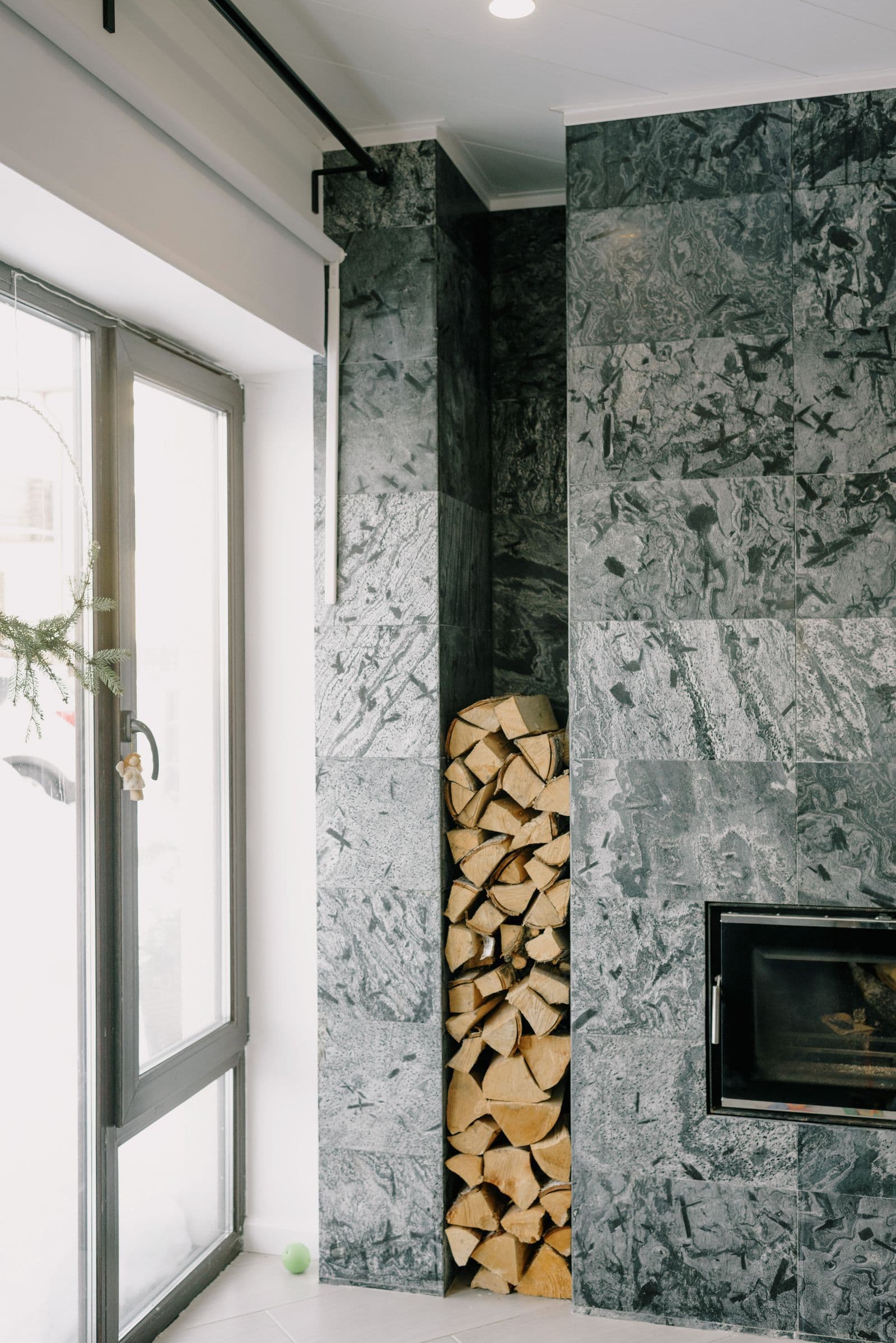

The Florida context for the choice
A fireplace in Florida is less a heating necessity than a comfort and a centerpiece. We light fires on the handful of cool evenings the state hands us each winter, and the rest of the year the fireplace mostly sits idle. That reality changes the gas-versus-wood calculation here compared with a northern climate where a fireplace might run for months. When the appliance is used lightly and stands idle in humidity most of the year, convenience and low maintenance carry more weight than raw heat output.
Both options work beautifully in a Florida home. This is not about one being right and the other wrong. It is about matching the fireplace to how you actually live, what your house already has, and how much upkeep you want to take on in a climate that is hard on idle systems. A qualified chimney professional can walk your specific setup, but the trade-offs below hold across most Florida homes, from Orlando and Tampa to Jacksonville and the Panhandle.
What gas gets you
Gas wins on convenience, hands down. A gas fireplace lights with a switch or remote, throws heat instantly, makes no smoke, leaves no ash, and produces essentially no creosote. For the Florida homeowner who wants ambiance on a cool night without hauling wood, building a fire, and cleaning up after, gas is hard to beat. When the evening warms back up, as Florida evenings do, you turn it off and the room recovers in minutes instead of hours.
Gas also sidesteps two problems our climate creates for wood. First, there is no firewood to keep dry, which matters in a state where a stack of logs left in the yard soaks up humidity and rain almost as fast as it seasons. Second, a gas system generates none of the creosote that makes an annual sweep non-negotiable for wood burners, so the yearly service visit is lighter: a check of the venting, connections, burner, and ignition rather than a full cleaning.
Lighter is not zero, though. Gas venting and valves are metal, and metal in Florida (especially within a few miles of either coast) corrodes. A gas fireplace that sat untouched through a humid summer deserves the same annual once-over any fuel does; NFPA 211 guidance recommends an annual inspection regardless of what you burn. Idle gas flues also attract the same nesting birds and wasps that idle wood flues do.
What wood gets you
Wood wins on character. There is a crackle, a smell, and a real flame that no gas log fully replicates, and many Florida homeowners keep wood-burning fireplaces for exactly that reason. On the few nights a year the state actually gets cold, nothing else feels like a real fire, and for a lot of families, those nights are the entire point of owning the fireplace.
Wood has one practical advantage that Florida homeowners in particular should weigh: it works when the power is out. After a hurricane or a hard Panhandle cold snap knocks the grid down, a sound wood-burning fireplace still burns, while many gas units depend on electric ignition or blowers. It is not a heating plan, but it is genuine, useful resilience in a state that loses power more often than most.
The trade-off is work and upkeep. You need dry, seasoned firewood (harder to keep dry in Florida humidity), you produce creosote that requires annual sweeping, and you deal with ash and smoke. Damp wood smolders instead of burning hot, which means more smoke and faster creosote buildup, so the humidity problem compounds itself. In a coastal home, the flue’s metal components (damper, cap, spark screen) also face the same salt-air corrosion that works on everything else near the water.
The maintenance ledger, side by side
For wood, the annual routine is a sweep and inspection: creosote removed, flue checked for cracks and blockages, damper and cap verified. Skip it a couple of years and you are carrying a fire risk in the flue and, in Florida, very likely a nest or humidity-seized damper too. Add the ongoing work of sourcing, storing, and covering firewood, plus ash cleanup after every fire.
For gas, the annual routine is an inspection of the venting, gas connections, burner, and safety components: no creosote removal, no ash. The failure modes are different but real: corroded venting, a pilot or ignition that will not light after ten idle months, ceramic logs shifted out of position, and blocked vents from nests or debris. Because gas problems are quieter than wood problems (no smoke in the room to warn you), the annual check is what catches them.
The honest summary: gas roughly halves the annual effort and removes the weekly effort entirely, but neither option is maintenance-free in a climate this humid. Whatever you burn, one professional visit a year is the baseline that keeps a lightly-used Florida fireplace safe.
Honest cost context
A wood fireplace you already have is the cheapest thing to keep as-is: your recurring costs are firewood and the annual sweep. Switching to gas is where real money enters the picture, and the spread is wide because the projects differ so much. Dropping a gas log set into an existing fireplace that already has a gas line nearby is a modest project; running a new gas line and installing a sealed gas insert is a substantially larger one, because it adds routing the line, the appliance itself, and venting work to the same job.
The number that actually matters is the one on an estimate for your specific house: how far the gas line has to run, what shape your flue is in, and whether you want a simple log set or a high-efficiency insert all move the figure meaningfully. A free estimate stating the proposed price settles it for your home in one visit.
Converting from wood to gas
Many Florida homeowners land on a middle path: convert an existing wood-burning fireplace to gas. Conversion keeps the look of your existing hearth while removing the wood, ash, smoke, and creosote from your life, a popular choice for people who love the fireplace but rarely want the work of a real fire in a warm climate.
What actually happens: a local pro first inspects the existing firebox and flue, because a conversion inherits whatever condition the chimney is in: cracked flue tiles or a failing crown get fixed first, not papered over. Then a gas line is run to the firebox, the log set or insert goes in, and the venting and damper are adapted to suit the new appliance. A log set keeps the open-hearth look; an insert seals the firebox and delivers more heat with less conditioned air lost up the flue, a genuine consideration in a house you air-condition nine months a year.
How to decide
A simple framework: if you burn more than a handful of fires a year, value one-touch convenience, and want the lightest upkeep, gas fits. If the ritual of a real fire is the whole point, you do not mind managing firewood in a humid climate, or you want a heat source that works in a blackout, wood fits. If you are coastal, weigh the corrosion tax both options pay and lean toward whichever you will actually maintain. And if your wood fireplace mostly sits cold because lighting it feels like a chore, that is the classic profile of a happy conversion.
Whichever direction you are considering, request an on-site assessment of the existing fireplace, chimney, venting, and proposed unit. A technician can visit the property and give a free estimate. Call to ask about current availability.