
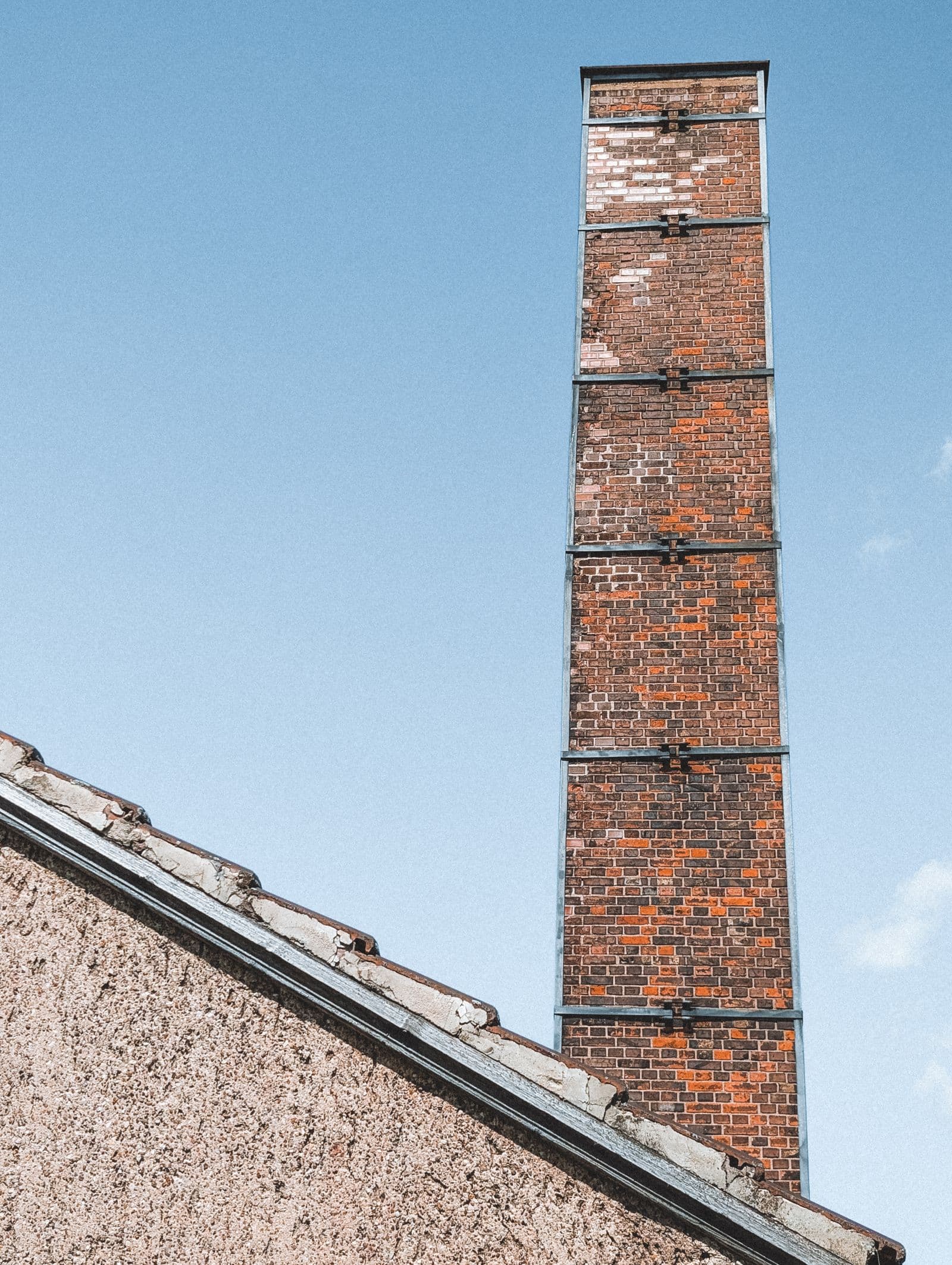
Chimney Leak Repair in Fort Walton Beach, FL: Professional Service for Local Homes
Water in a fireplace and a stain on the ceiling can come from different entry points. Chimney leak repair in Fort Walton Beach begins with the leak pattern: where moisture appears first, which weather brings it back, and what has already been repaired. The indoor mark is a clue, not a diagnosis.
Find the entry path before selecting the repair
A crown opening, failed cover, roof junction, masonry defect, or nearby roof detail can let water travel before it becomes visible. Replacing a cap will not close every kind of opening. The observed water path determines which components need attention; these questions help connect the proposed work to the recurring leak:
- Does moisture follow ordinary rain or wind-driven rain?
- Where is the first stain, drip, damp patch, or rust mark?
- Which entry points remain after previous repairs or coating work?
- Does the proposal address the source as well as damaged material?
How chimney leak repair needs are evaluated
At a Fort Walton Beach roof-to-chimney connection, water may enter around loose flashing, an open masonry joint, an attachment detail, or adjacent roofing. It can travel along concealed surfaces before showing on a ceiling, so the indoor stain may not sit directly below the opening. Counterflashing arrangements vary with the wall and roof construction. Previous sealant or patching is useful history, but its presence alone does not establish why the leak returned. Compare the metal, adjoining joints, and roofing condition rather than assuming another surface bead will address the underlying connection.
Moisture associated with fireplace or appliance use can raise a condensation question as well as a rain-entry question. Exhaust temperature, the vent arrangement, surrounding conditions, and the connected appliance can affect where moisture forms. For a Fort Walton Beach property, note whether the wet area follows rain, operation, or periods without use, including occasions when those events overlap. Timing helps narrow the investigation but does not prove one cause. The appliance documentation and condition of the passage matter before proposing insulation, a liner change, or any other venting alteration.
A broad damp patch on a Fort Walton Beach chimney can raise a masonry-absorption question, but its shape alone does not distinguish porous surfaces from open joints or moisture arriving from above. Brick condition, mortar loss, previous coatings, and the exposure of that face are separate details to consider. A water-repellent treatment does not replace missing material or close a failed roof connection. The proposal should explain whether the concern involves surface absorption, a physical opening, or both, and why the selected repair or treatment suits the existing masonry.
What the repair involves once the entry point is known
For a Fort Walton Beach crown with limited surface cracking, a compatible repair may be possible when the remaining material is sound. Crack width alone does not establish that a coating is suitable. Loose sections, deeper deterioration, movement, or drainage defects can require a different approach, including rebuilding the crown. Compare what each proposal retains, how it addresses the flue junctions and water-shedding edges, and whether damaged masonry beneath the crown needs separate work. Neither a surface treatment nor a replacement crown resolves an unrelated opening at the flashing, cap, or surrounding roof.
Salt air can change which component shows corrosion first. Fasteners, flashing, caps, and chase covers should be assessed together, and compatible replacement-metal options for a Fort Walton Beach chimney should be identified in the estimate.