Proudly American-Owned

Jacksonville Chimney Repair | Free Estimate Visit

Jacksonville is one of the Florida cities where a fireplace actually heats the house. Post-1901 Springfield and Riverside brick, a Westside chase, and salt nearer the beaches are different jobs. A stain after a coastal front or a flue that sat damp until the first Georgia cold snap should be named on a free estimate visit.

Free Jacksonville Estimate

10% OFFFirst service

Family-Owned

A family-owned company serving Jacksonville properties.

Proudly American-Owned

An American-owned chimney and fireplace company.

Free Estimate Visit

A technician can visit the property and provide a free estimate.

Reliable Chimney Repair & Fireplace Service in Jacksonville, FL

Jacksonville is one of the Florida cities where a fireplace actually heats the house. Post-1901 Springfield and Riverside brick, a Westside chase, and salt nearer the beaches are different jobs. A stain after a coastal front or a flue that sat damp until the first Georgia cold snap should be named on a free estimate visit.

Name the symptom at the Jacksonville address, then open the matching page: chimney repair in Jacksonville, chimney sweeping, inspection, leak repair, cap replacement, crown repair, flashing repair, waterproofing, masonry repair, relining, rebuild, hurricane repair, gas fireplace repair, animal removal, or fireplace repair. The technician estimate visit is free.

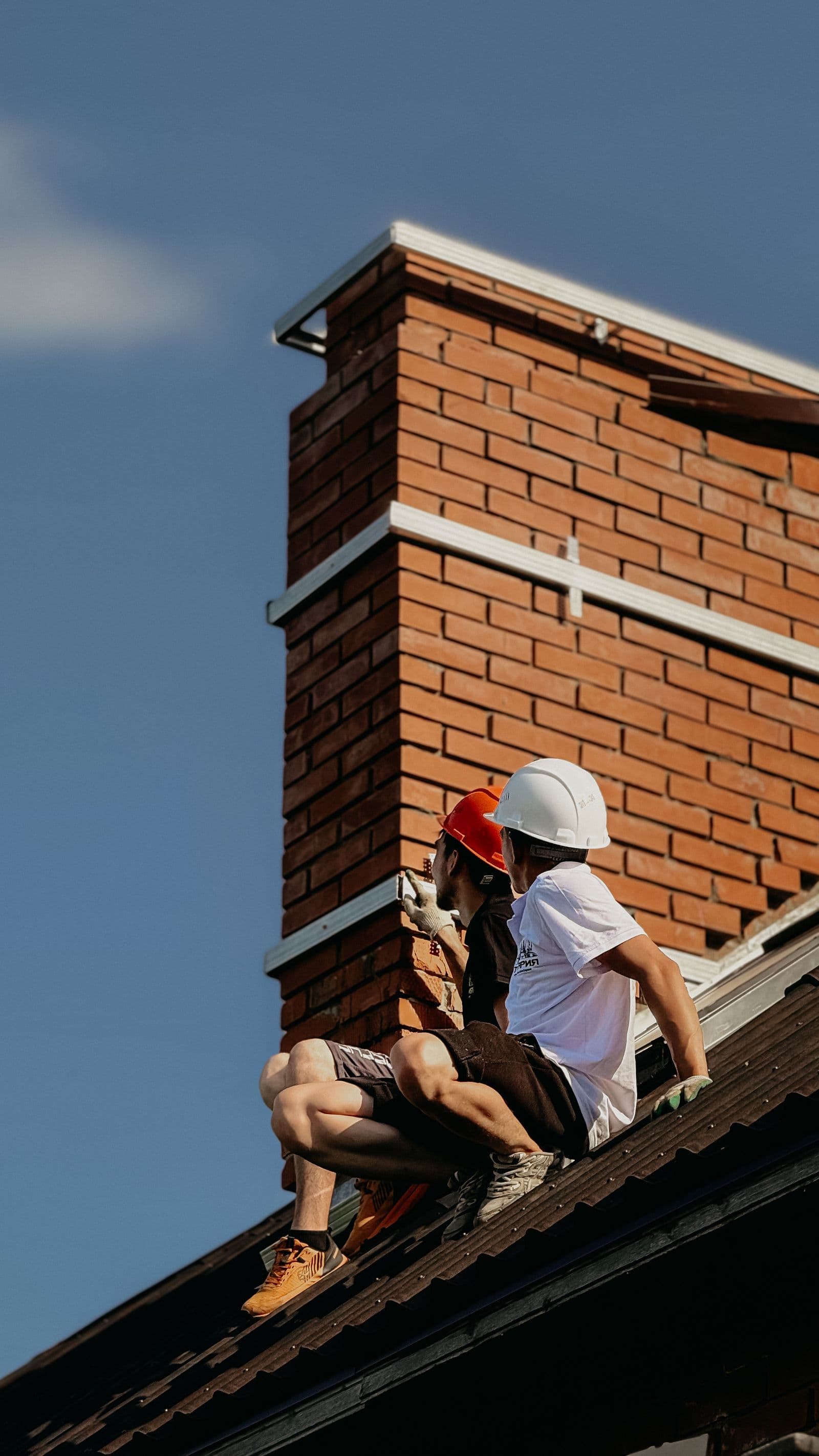
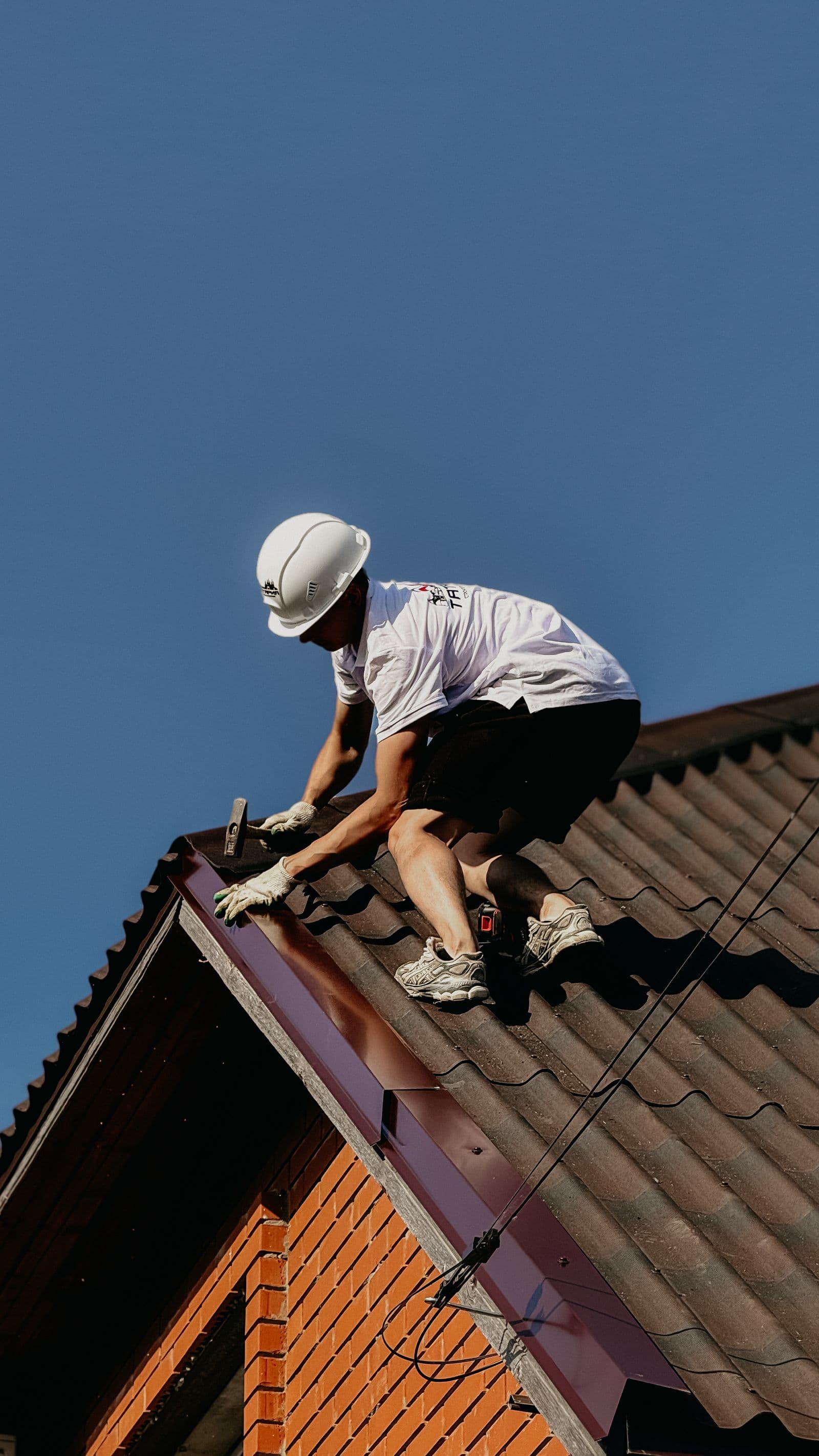
Brickwork being carried out on a rooftop chimney

What happens next

How chimney and fireplace service works in Jacksonville

The estimate visit is separate from any paid work, so you can review the estimate before deciding.

  1. Tell us what you are seeing

    Call or send the estimate form with the service or concern you want reviewed. Include your property's ZIP code in Jacksonville.

  2. Get a free estimate visit

    A technician can visit the property and provide a free estimate for chimney or fireplace service.

  3. Approve the work before it begins

    Paid work requires a deposit. If you cancel after paying the deposit, the company retains it.

Understanding Jacksonville properties

Winter actually happens here

Jacksonville's first real cold front can surprise new residents. Northeast Florida sees a meaningful burn season, and a flue that has sat closed and damp through the warmer months may be asked to perform with little notice. That pattern makes pre-season inspection and cleaning especially useful here.

More burn nights mean more creosote. Every fire leaves flammable residue inside the flue, and a season of regular use builds deposits faster than most Florida homeowners expect, because most Florida advice is written for cities that light a fire twice a year. A proper chimney sweep each fall clears last winter's buildup and confirms the damper, smoke chamber, and flue are ready before the first front rolls down from Georgia. October is the smart month for it; by the first hard freeze, every sweep in town is booked out.

A separately scoped chimney inspection may evaluate the flue and relevant components. A technician can visit the property and give a free estimate.

After the Great Fire: Springfield, Riverside, and the historic core

In 1901 a fire tore through downtown Jacksonville and leveled most of it, one of the most destructive urban fires the South has ever seen. The city that rose afterward built in brick and masonry, and the neighborhoods that grew in that era are now its historic heart. Much of Springfield, Riverside, Avondale, San Marco, and Ortega still carries chimneys that are approaching or past the century mark: real load-bearing masonry, laid by hand, on homes people restore with genuine care.

Chimneys of that age were laid with softer, lime-rich mortar, and that detail decides whether a repair helps or hurts. Repointing a 1910s Springfield chimney with a hard modern Portland mix traps moisture inside the brick, and a few years later the faces start popping off, spalling that turns a maintenance item into a restoration project. Proper chimney masonry work on a historic Jacksonville home means matching mortar hardness, joint style, and brick character so the repair disappears into the original work instead of fighting it.

Older flue liners can crack or shift where the condition is not visible from the room. Whether relining or another repair is appropriate depends on a separately scoped inspection and system compatibility; any proposed recommendation depends on the condition at the property.

A city the size of a county, and a housing stock to match

Jacksonville consolidated with Duval County decades ago, which is how it became the largest city by land area in the contiguous United States. Practically, that means 'chimney service in Jacksonville' covers everything from a century-old riverfront home in Ortega to a brand-new build out toward the county line, and those are different trades wearing the same name.

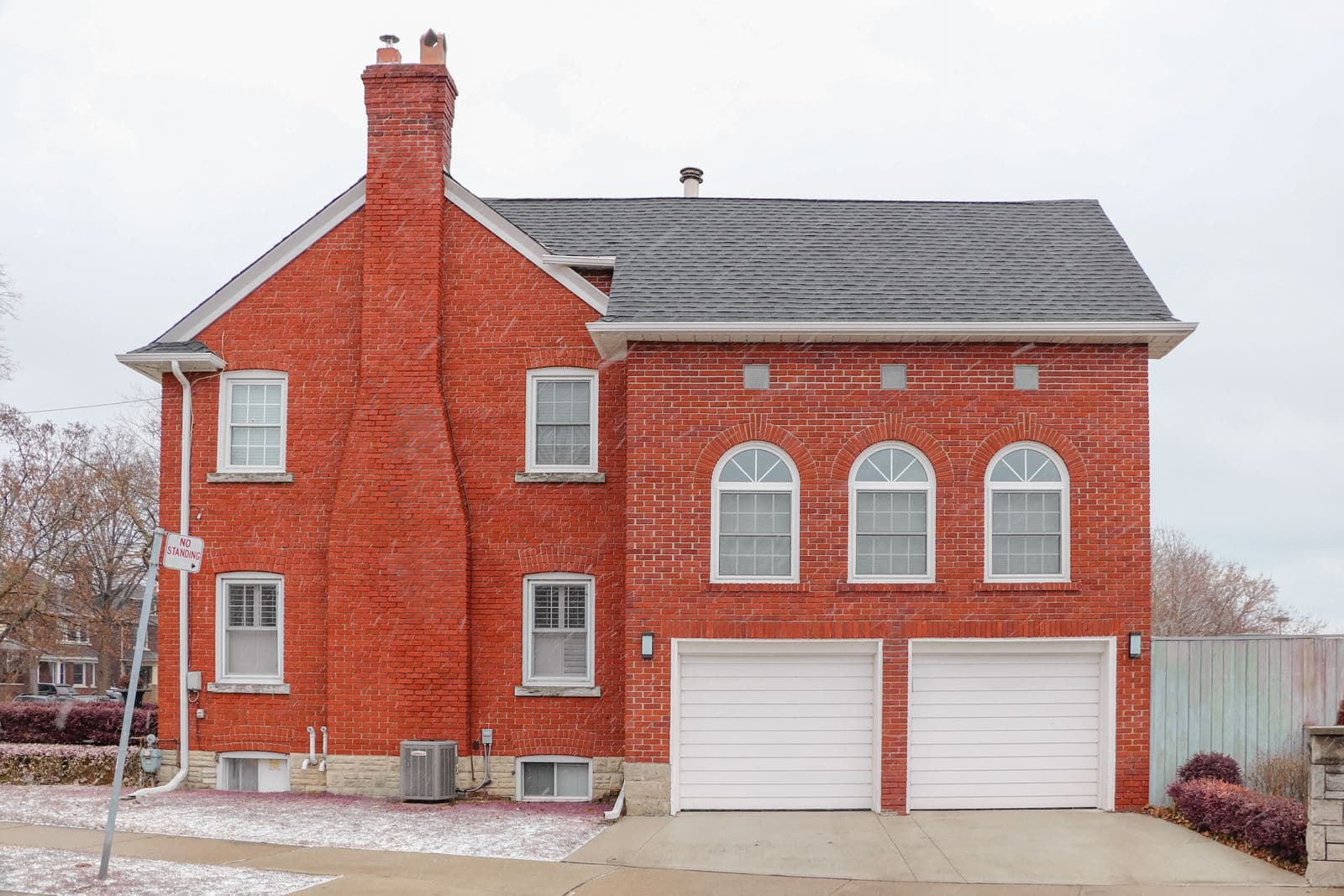
Between the historic core and the new construction sits the broad middle of the city: much of Arlington, the Westside, Mandarin, and the older Southside grew through the postwar decades and beyond, largely in concrete-block homes, many with masonry fireplaces from the era when builders still included them by default. These chimneys are sturdy but fifty-plus years into Florida weather, and their crowns and mortar joints are typically the first things to give. Newer subdivisions across the Southside and the fringes of the county mostly carry factory-built fireplaces inside framed, sided chases, systems whose weak points are sheet metal, not brick.

For the prefab side of town, the usual culprits are a rusted-through chase cover pooling water on top of the chase, and a missing or undersized cap letting rain and animals straight into the flue. A correctly sized chimney cap and a sound, properly pitched chase cover may address common cap- and cover-related water-entry paths when those components are the source: inexpensive parts that prevent expensive interiors. The value of a pro who works the whole county is knowing which of these houses yours is before the ladder comes off the truck.

Salt air, river weather, and the leak season

Jacksonville takes its weather from two directions. Summer delivers the standard Florida afternoon: towering storms, torrential rain, and lightning, week after week from June into September. The Atlantic adds its own program: salt-laden onshore wind that works on metal chimney parts, and the multi-day coastal blows locals know as nor'easters, which push rain sideways for days at a time. Sideways rain finds gaps that vertical rain never tests: tired flashing, hairline crown cracks, mortar joints that looked fine from the ground.

Salt exposure is a gradient in a city this size. Close to the ocean and the Intracoastal, caps, chase covers, and flashing corrode noticeably faster and are worth checking more often; along the tidal St. Johns the effect is gentler but real; out on the Westside the mechanics are mostly inland: humidity, storm rain, and lightning. Wherever you sit on that gradient, the chimney is the most exposed thing on the house, and it takes every storm first.

Chimney leaks rarely announce themselves at the chimney. They show up as a ceiling stain a few feet away, a peeling corner, or a musty room nobody uses. Chimney leak repair starts with finding the true entry point (crown, cap, flashing, or brick that has simply been drinking rain all summer), because sealing the wrong spot reroutes water instead of stopping it. And in a city with real freezes, saturated masonry carries a second risk: brick that goes into a January cold snap full of water can spall when that water turns to ice. Breathable chimney waterproofing ahead of the summer rains protects against both seasons at once, which is a better deal here than almost anywhere else in Florida.

Hurricane season runs June through November, and tropical systems riding the coast or crossing the state can drag strong wind and rain bands over Duval County, enough to shift a loose cap or expose tired flashing. After a nearby storm, look at the stack from the ground and arrange an assessment if anything appears shifted, missing, or newly stained.

Straightforward chimney help across Jacksonville

Call (754) 328-2421 or use the estimate form for a Jacksonville visit. Mention whether the house is post-1901 brick, a Westside chase, or nearer the beaches, and whether the flue sat damp until the first Georgia cold snap.

NFPA 211, the fire-safety standard for chimneys and fireplaces, recommends an annual inspection even for lightly used systems, and Jacksonville homes are not lightly used by Florida standards. A city that burns for real each winter and then soaks through a coastal summer earns the annual habit more than anywhere south of it.

A technician can visit the property and give a free estimate.

Talk with our team

Need chimney and fireplace service in Jacksonville?

Tell us what you are seeing and include your property's ZIP code. We will use those details to understand the service request.

Frequently Asked

Chimney, Fireplace & Estimate Questions in Jacksonville

How often should a Jacksonville fireplace be swept?
NFPA 211 calls for an inspection every year, with sweeping whenever deposits warrant it. Jacksonville burns more real fires than almost anywhere in Florida (frost is routine and freezes come most winters), so the annual rhythm genuinely fits here. Book the sweep in early fall; by the first hard cold snap, schedules across Duval County fill fast.
Does salt air matter if I don't live near the beach?
It's a gradient. Close to the ocean and the Intracoastal, salt-laden air corrodes caps, chase covers, and flashing noticeably faster, so metal parts deserve more frequent checks. Along the St. Johns the effect is milder, and out on the Westside the main concerns are humidity, storm rain, and lightning. Material options should be based on the chimney type, observed condition, and site exposure, then stated in the estimate.
My Riverside or Springfield home has its original chimney. Can the brick and mortar be matched?
That's the whole job. Chimneys from Jacksonville's post-1901 building era were laid with soft, lime-rich mortar, and repointing with a hard modern mix damages the brick over time. A careful match of mortar hardness, joint style, and brick character keeps the repair invisible and the chimney healthy. A technician can visit the property and give a free estimate.
Can a Jacksonville freeze actually damage a chimney?
Yes, more plausibly than in most of Florida. Brick that enters a freeze saturated from months of storms can spall as the water inside it expands. It's one strong reason waterproofing and a sound, crack-free crown matter more on the First Coast than further south: the wet season loads the brick, and winter pulls the trigger.
What do chimney repairs in Jacksonville usually cost?
Honest answer: it depends on which part of the chimney failed, and that is not something anyone can tell you over the phone. A cap swap and a crown that has to be re-cast are different jobs on the same chimney. What moves the number is roof access and stack height, the materials appropriate to the chimney and its exposure, how far the failure has already run, and whether several items can share one visit instead of three separate trips. A technician can visit the property and give a free estimate. Every approved paid job requires a deposit. If you cancel after paying the deposit, the company keeps it.
Why does my fireplace smell musty every summer?
Jacksonville's coastal humidity is the usual culprit. A closed flue holds damp air against months of soot and creosote, and the mix turns sour in July heat; the smell often rides downdrafts into the room. A sweep to remove the deposits, a proper cap to keep rain out, and better flue-season habits usually clear it up; a stubborn odor after that deserves an inspection.

Ready to schedule chimney service in Jacksonville?

Tell us what you are seeing, include your property's ZIP code, and call to request a technician estimate visit.