
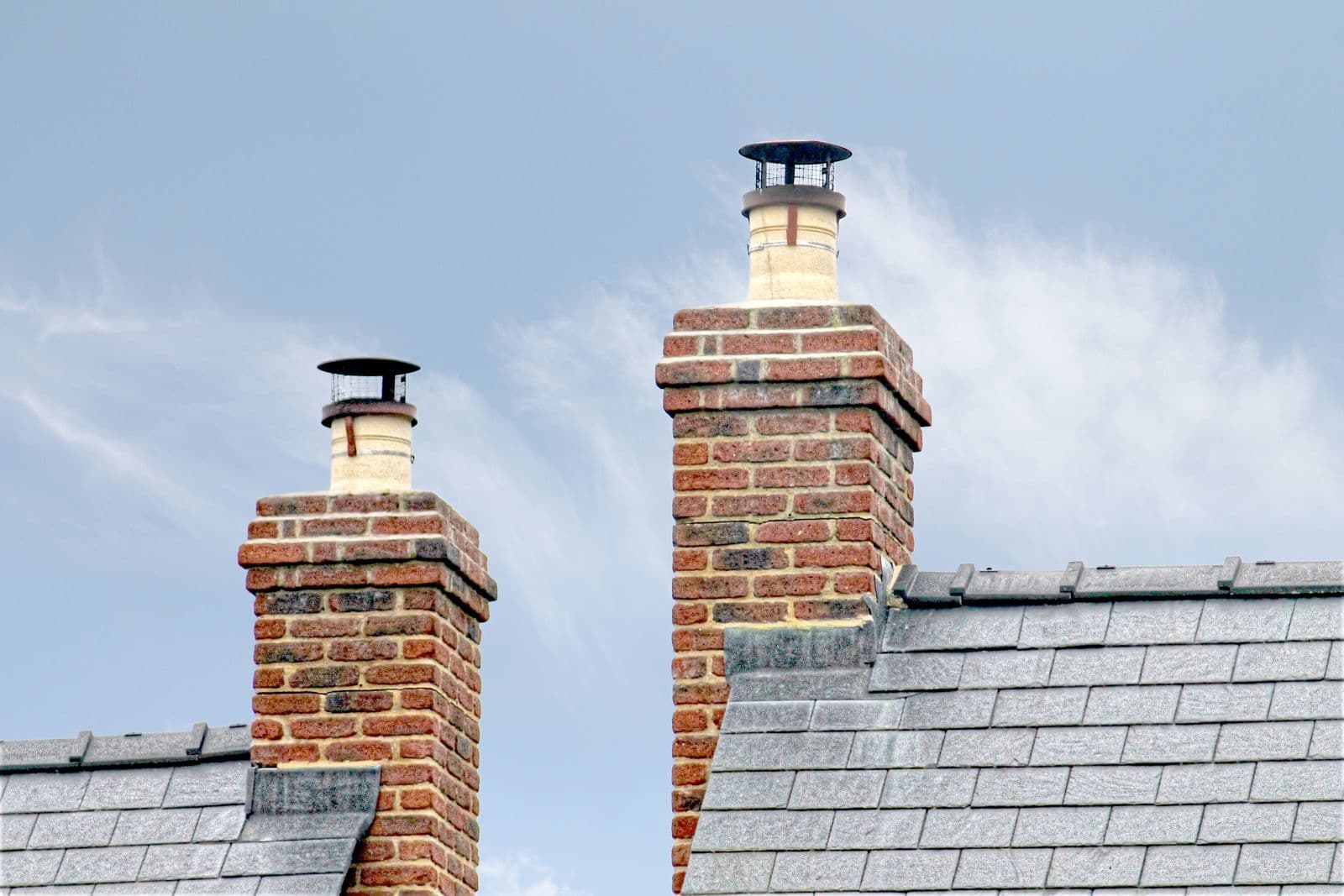
Chimney Leak Repair in Panama City, FL: Reliable, Property-Specific Service
Water in a fireplace and a stain on the ceiling can come from different entry points. Chimney leak repair in Panama City begins with the leak pattern: where moisture appears first, which weather brings it back, and what has already been repaired. The indoor mark is a clue, not a diagnosis.
Find the entry path before selecting the repair
A crown opening, failed cover, roof junction, masonry defect, or nearby roof detail can let water travel before it becomes visible. Replacing a cap will not close every kind of opening. The observed water path determines which components need attention; these questions help connect the proposed work to the recurring leak:
- Does moisture follow ordinary rain or wind-driven rain?
- Where is the first stain, drip, damp patch, or rust mark?
- Which entry points remain after previous repairs or coating work?
- Does the proposal address the source as well as damaged material?
How chimney leak repair needs are evaluated
A recurring leak in a Panama City home is easier to explain when the observations stay separate: where moisture first appears, how soon it follows rain, whether wind direction matters, and which previous repairs changed the pattern. These details help frame an investigation without selecting a failed part in advance. Water can cross more than one joint before reaching the room, and an old stain can remain after an opening has been repaired. Leave roof access and any specialist investigation to appropriately qualified professionals rather than trying to reproduce the leak yourself.
Moisture inside a Panama City fireplace can enter through a damaged crown, but damp flue surfaces, rust on a damper, or staining on the smoke shelf do not prove that the crown is the source. Crown cracks can occur at flue junctions, edges, or elsewhere in the slab. Their location, depth, surrounding material, and relationship to the rain pattern help explain the concern. Compare the crown with the cap, masonry, and roof connection before selecting a repair; a ground-level view alone may not reveal all relevant openings.
At a Panama City roof-to-chimney connection, water may enter around loose flashing, an open masonry joint, an attachment detail, or adjacent roofing. It can travel along concealed surfaces before showing on a ceiling, so the indoor stain may not sit directly below the opening. Counterflashing arrangements vary with the wall and roof construction. Previous sealant or patching is useful history, but its presence alone does not establish why the leak returned. Compare the metal, adjoining joints, and roofing condition rather than assuming another surface bead will address the underlying connection.
What the repair involves once the entry point is known
Closing a water-entry point and repairing damaged material are separate parts of a Panama City chimney leak project. Damp sheathing, softened framing, corrosion, or deteriorated firebox and flue materials can require further assessment beyond the visible stain. The date a leak was first noticed does not establish how long moisture has been present or how far it has traveled. Ask what damage is visible, what remains concealed, and which findings could change the proposal. An estimate should distinguish the entry-point repair from any additional work identified in the affected assembly.
Close to salt air, a leak may follow corrosion in a chase cover, cap band, fastener, or flashing component rather than a crack in the masonry. The existing metal and exposure determine which replacement options may be appropriate.