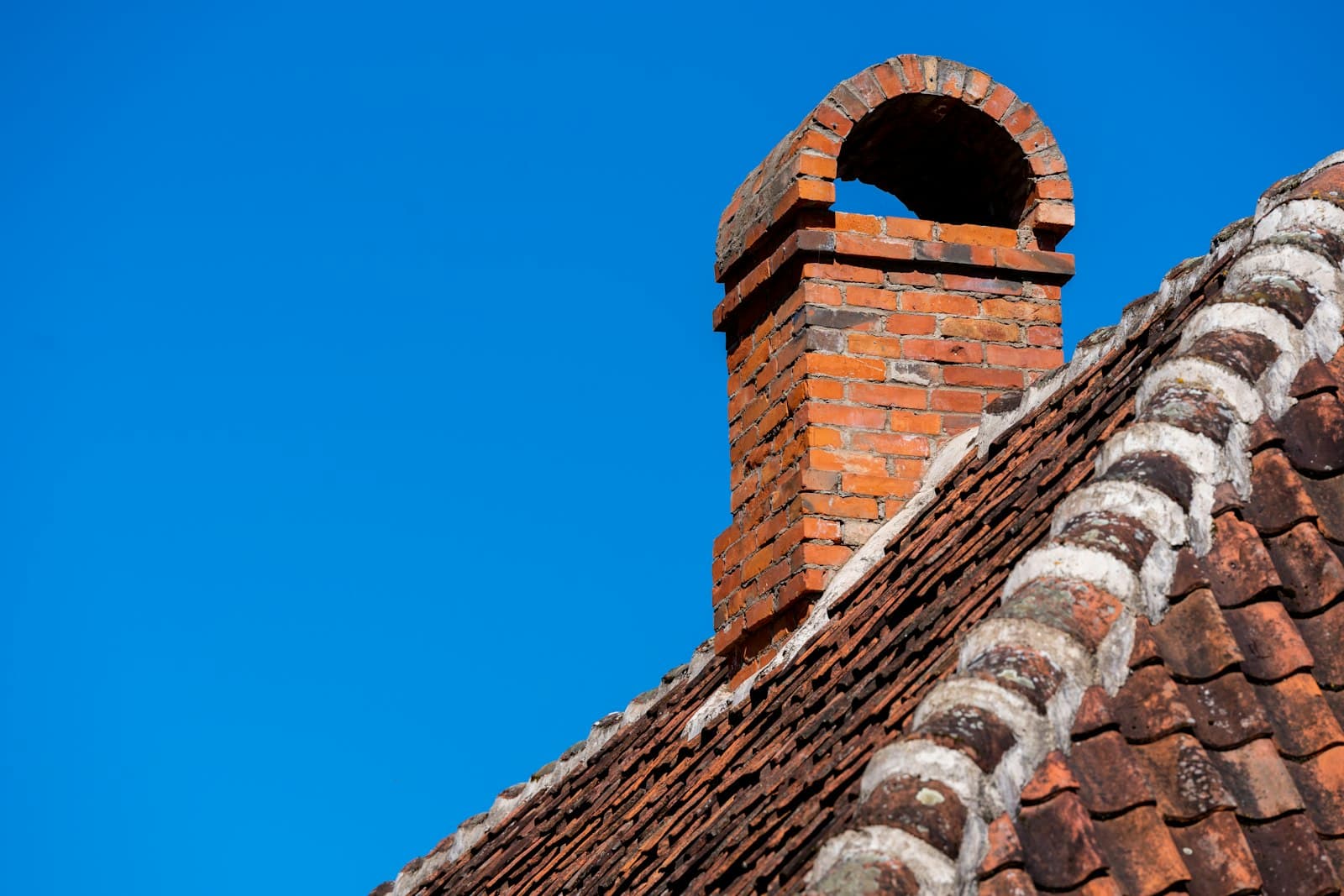

To wildlife, your chimney is a hollow tree
The animals do not think they are breaking in. To a raccoon, a squirrel, or a chimney swift, an uncapped flue is indistinguishable from the hollow trees their species has denned and nested in forever: dark, dry inside, high off the ground, and out of reach of most predators. Decades of Florida development have cleared away a great many old hollow trees and put up millions of chimneys in their place. An open flue is not an oddity that occasionally attracts wildlife: it is prime habitat with a vacancy sign, and something will eventually read the sign.
Florida sharpens the problem in two ways. First, there is no winter off-season: in cold states chimney wildlife is mostly a spring story, but here animals stay active year-round and breeding seasons run long. Second, Florida fireplaces sit cold and unused for most of the year, so the flue offers ten months of undisturbed quiet, ideal for raising young. And because so much of the state’s housing stock is concrete block and stucco, many “chimneys” here are actually prefab units inside a framed chase topped by a sheet-metal chase cover. When that cover rusts through or a storm peels it loose, the opening left behind is even more inviting than a masonry flue.
Reading the sounds: who’s up there
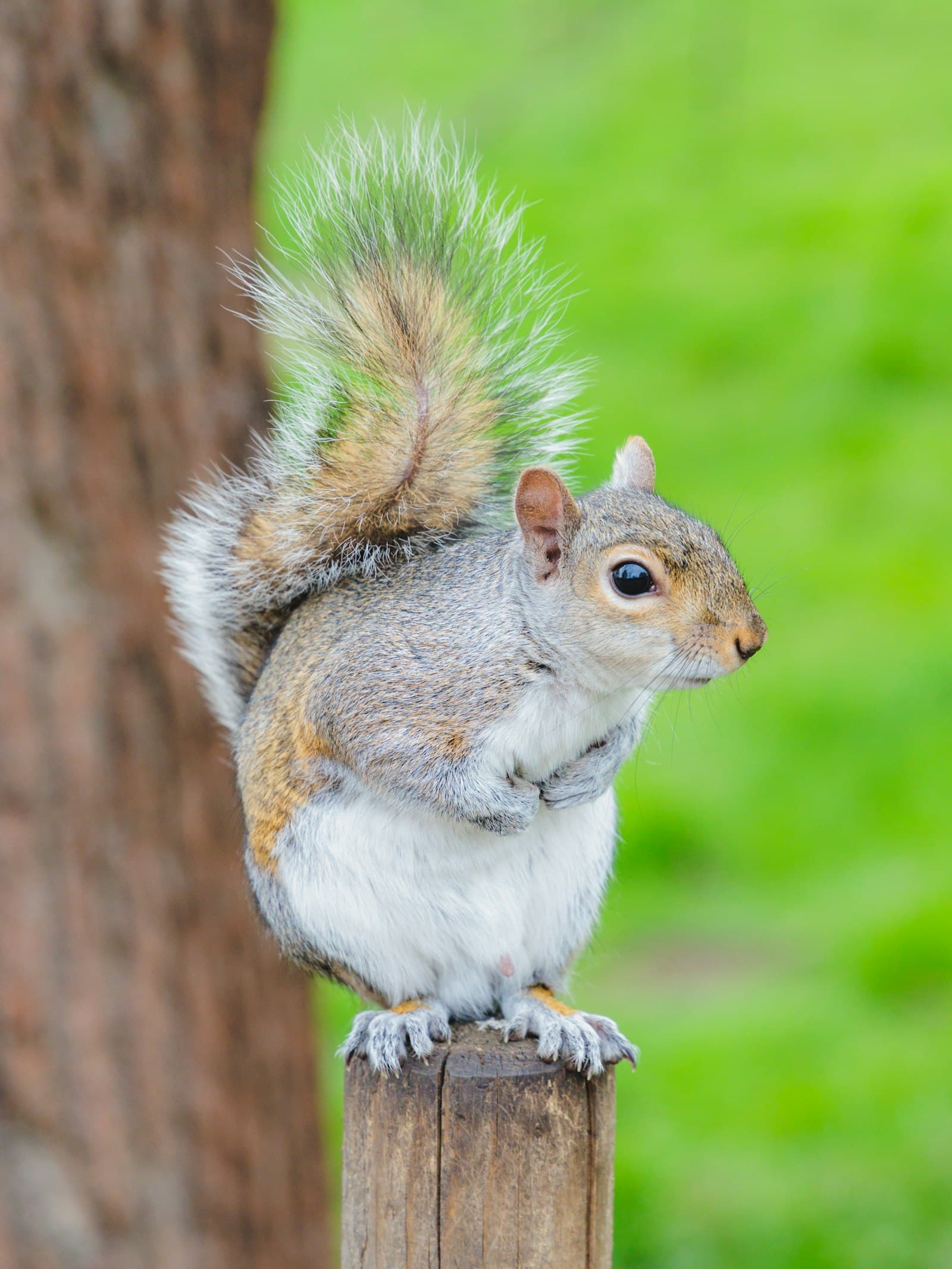
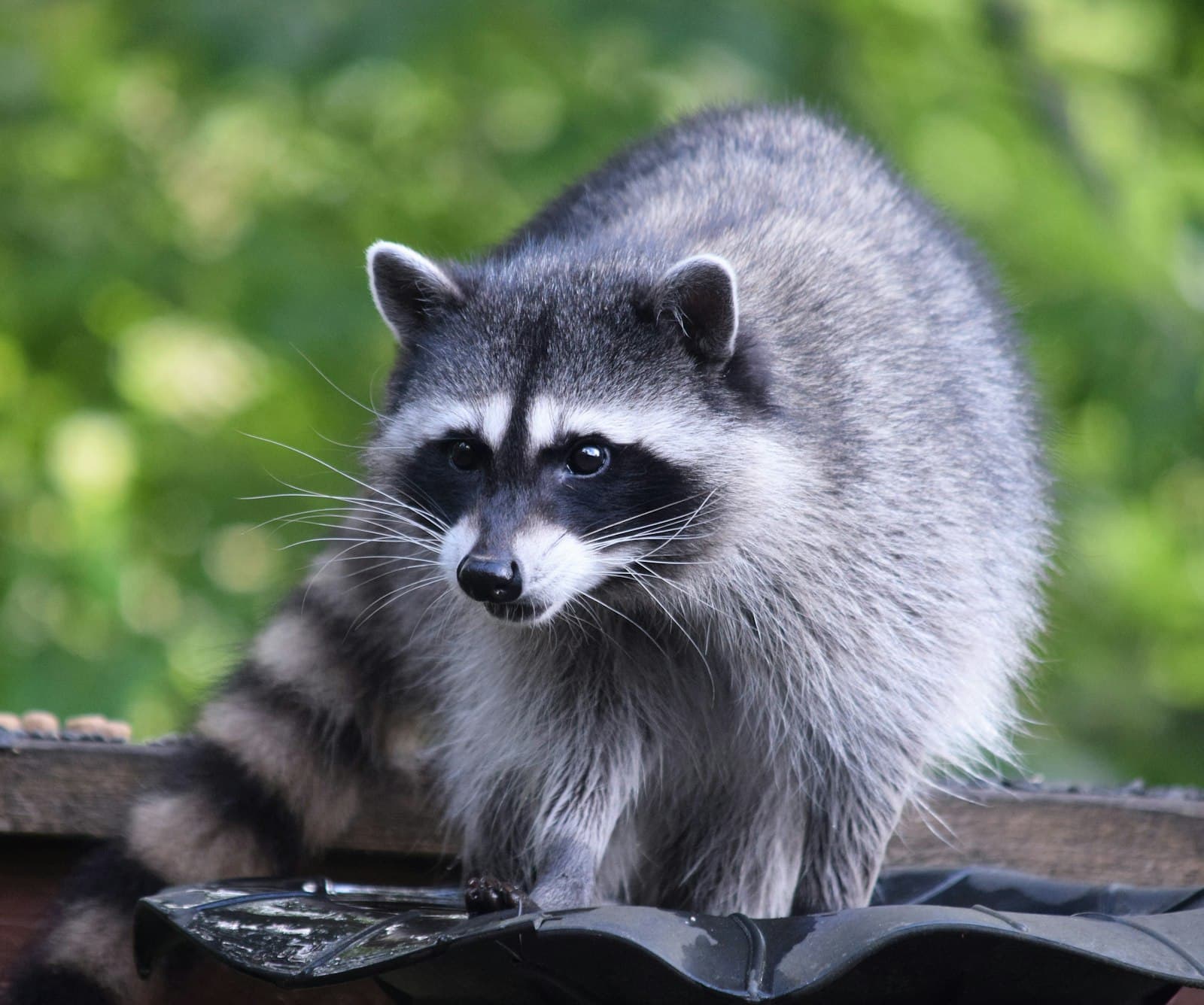
You can usually identify the guest without seeing it, because each species has a signature: a combination of weight, timing, and voice. Heavy, deliberate thumping and scraping, mostly at night, with occasional growls or a strange churring: that is a raccoon, and in spring or summer it is very likely a mother, because the smoke shelf behind your damper happens to be almost exactly the size and shape of a den. If you also hear a chorus of high, purring chatter, those are her kits. Light, fast, frantic scratching during the day is a squirrel. And if the scratching is constant and desperate rather than busy, the squirrel probably fell in and cannot climb back out, because clay tile and metal flue walls are too smooth to grip.
Fluttering and wing-beats mean a bird. A loud, mechanical, insect-like chattering that surges every time there is noise near the fireplace is the signature of chimney swift chicks begging for food, worth identifying precisely, because swifts change your legal options, as the next section explains. A low, steady hum that strengthens on hot afternoons is a bee colony. The faintest resident is the rat: light scurrying at night, often accompanied by droppings appearing near the hearth or gnaw marks around the damper. In Florida that usually means roof rats, which are excellent climbers and treat a gap at the top of a chimney less as a home than as a highway into your attic.
Smell fills in what sound leaves out. A sharp, ammonia-like odor is accumulated droppings and urine, a sign the tenancy is established, not new. A foul smell that worsens by the day in summer heat usually means an animal became trapped and did not make it, which converts the situation from an eviction into a retrieval. Either way, the smell is telling you the flue now needs cleaning as well as clearing.
Chimney swifts: the tenant you wait for
Chimney swifts deserve their own section because the rules around them are different. These small, cigar-shaped birds physically cannot perch the way other birds do: they can only cling to rough vertical surfaces, which once meant hollow trees and now means chimneys almost exclusively. They migrate: they arrive in the spring, glue a small half-cup nest of twigs to the flue wall, raise one brood, and leave in the fall for South America. They are migratory birds protected under federal law, which means an active nest with eggs or young generally cannot be disturbed or removed. The lawful move, in nearly every case, is to wait until the young have fledged and the birds have left on their own.
In practice this is less painful than it sounds. The noisy phase (that surging mechanical chatter) lasts a couple of weeks while the chicks beg, and then goes quiet as they fledge. Swifts do not gnaw, do not spread nesting material through the flue the way mammals do, and spend their days eating enormous quantities of flying insects, which in Florida is not a small favor. Once they depart in the fall, the right sequence is a sweep to remove the nest (old nests are flammable debris sitting in the path of your first fire), followed by a cap so the colony finds a different flue next spring. One flag worth remembering: a company that cheerfully offers to remove an active, chattering swift nest in June is proposing something that is generally not legal. Treat that as a warning about the company, not a convenience.
Raccoons and squirrels: the mothers and the stuck
A raccoon in a chimney is nearly always a mother with kits, and that changes how removal has to work. She chose the smoke shelf deliberately, she can climb in and out at will, and she will defend the den. The mistake to avoid is any approach that removes or drives off the mother alone: the kits cannot climb, and kits left behind die in the flue, creating exactly the cruel and expensive outcome everyone wanted to avoid. Humane eviction works with her instincts instead: making the den feel unsafe so she relocates the kits herself, one by one, to a backup den (mother raccoons almost always have one) or removing the family together so they stay together.
Squirrels are usually a different story: not tenants but accident victims that fell in and cannot grip the smooth flue walls to climb out. A stuck squirrel is an urgent rescue, not a slow eviction. In a masonry chimney, a thick rope or knotted towel lowered past the damper gives it the climbing texture the flue lacks, and it will typically leave on its own within hours. What does not work is opening the damper and hoping it exits calmly through the house; that experiment tends to end with a panicked squirrel ricocheting around the living room.
On the legal side, a general rule serves better than folklore: wildlife handling rules protect more species than most homeowners assume, and requirements around trapping and relocating animals vary by state and municipality. Rather than guessing at what is allowed, use a pro who handles wildlife humanely and legally as a matter of course, and verify local requirements if you want to do any part of it yourself. “It was in my chimney” is not, by itself, a legal basis for doing whatever is convenient to an animal.
Bees and rats: the two that are not just visiting
A bee colony in a flue is the one guest that becomes a building problem the longer it stays. Bees build wax comb against the flue wall, and in Florida heat that comb softens; a large colony can store a surprising weight of honey directly above your damper. Killing the colony often makes things worse: unattended honey in a hot flue seeps, ferments, smells, and draws ants, roaches, and other pests into the chimney. Where it is feasible, live removal by someone who works with bees is usually the better path, and the right handling depends on the species and the situation. What is never the right handling is a fire under an active colony, which sends defensive bees looking for another way out, and in many homes that way out is the gap around the damper, into the room where you are standing.
Rats invert the usual problem: the chimney is not their destination but their on-ramp. Roof rats are common across Florida, climb almost anything, and use a gap at a cap or a corroded chase cover as one more entrance to the attic and walls. That is why rat evidence at the fireplace (droppings by the hearth, gnawing around the damper frame) calls for a different response than a raccoon or a squirrel. Removing individual rats accomplishes little; the fix is exclusion, meaning the chimney’s openings get sealed along with the rest of the roofline’s, so the highway closes in both directions.
Why the smoke-out is the worst idea in this guide
The folk remedy (light a fire and drive the animal out) fails on every level at once, so it is worth spelling out the mechanics. The nesting material sitting on your smoke shelf or damper is dry twigs, leaves, and fur: tinder, positioned directly above open flame, inside your house. A flue blocked by a nest or an animal does not draft, so the smoke that cannot go up comes into the room instead. And the animals you are trying to evict mostly cannot leave on command: kits and chicks cannot climb at all, and a stuck squirrel is stuck precisely because the flue walls are unclimbable. What a smoke-out usually produces is not a fleeing animal but a suffocated one, or several, lodged in a spot that is difficult and unpleasant to reach, plus a real chance of a chimney fire as the bonus.
Then there is the legal exposure. Chimney swifts are federally protected, so smoking out an active nest is not a gray area. Beyond swifts, animal-cruelty rules and species protections cover more situations than most homeowners assume, and the details vary by species and by municipality. The safe working assumption is that a smoke-out is not lawful, not that it is. Even judged purely on self-interest, every branch of the smoke-out decision tree ends somewhere worse than where you started: a fire risk, a panicked animal loose in the house, a carcass in the flue, or a violation. There is no version of it that beats calling someone who does this properly.
What proper removal looks like, and why cleanup is half the job
Done right, removal starts with identification, because the species dictates the method: patience and a fall exclusion for swifts, a family-aware eviction for raccoons, a prompt rescue for a stuck squirrel, a live-removal path for bees where feasible, and exclusion work for rats. The common thread is humane pressure over force (making the flue an unattractive place so the animal leaves under its own power) and then confirming the flue is actually empty before anything gets sealed. Sealing too early is how a routine eviction turns into an animal trapped behind a brand-new cap.
The second half of the job is the part homeowners skip: cleanup. Droppings and urine-soaked nesting material carry real disease risks (raccoon droppings in particular are a known hazard worth treating with respect), and parasites like fleas and mites will outlast the animal that brought them, sometimes migrating into the house once their host is gone. The nest itself is flammable debris parked in the path of your first fire of the season. So the sequence finishes with a proper sweep of the flue and smoke shelf, and a look at what the stay did to the chimney: gnawed damper components, displaced flue tiles, and the water intrusion that often rode in through the same opening the animal used. The opening that admitted a raccoon has usually been admitting rain, too.
How a screened cap can reduce re-entry
Every animal in this guide came through the same door: an open flue or a failed cover at the top of the chimney. That is the good news, because it means one fix ends the whole story. For a masonry chimney, that is a properly sized stainless steel cap with animal mesh on all sides: rain protection and animal exclusion in one piece of hardware. For Florida’s many prefab chimneys in framed chases, it is a sound chase cover with a capped flue collar. One state-specific habit completes the fix: check the top of the chimney after every named storm and any violent summer squall, because a cap or chase cover that a storm bent or carried off is an open vacancy sign again, and Florida wildlife reads it quickly.
Animal response and prevention are different scopes. Lawful removal or exclusion depends on the species, whether young are present, access, contamination, and any damage. A correctly fitted screened cap may be proposed after the flue is clear, but neither the number of visits nor the required cleanup should be assumed. Ask for the proposed work and price in writing.