
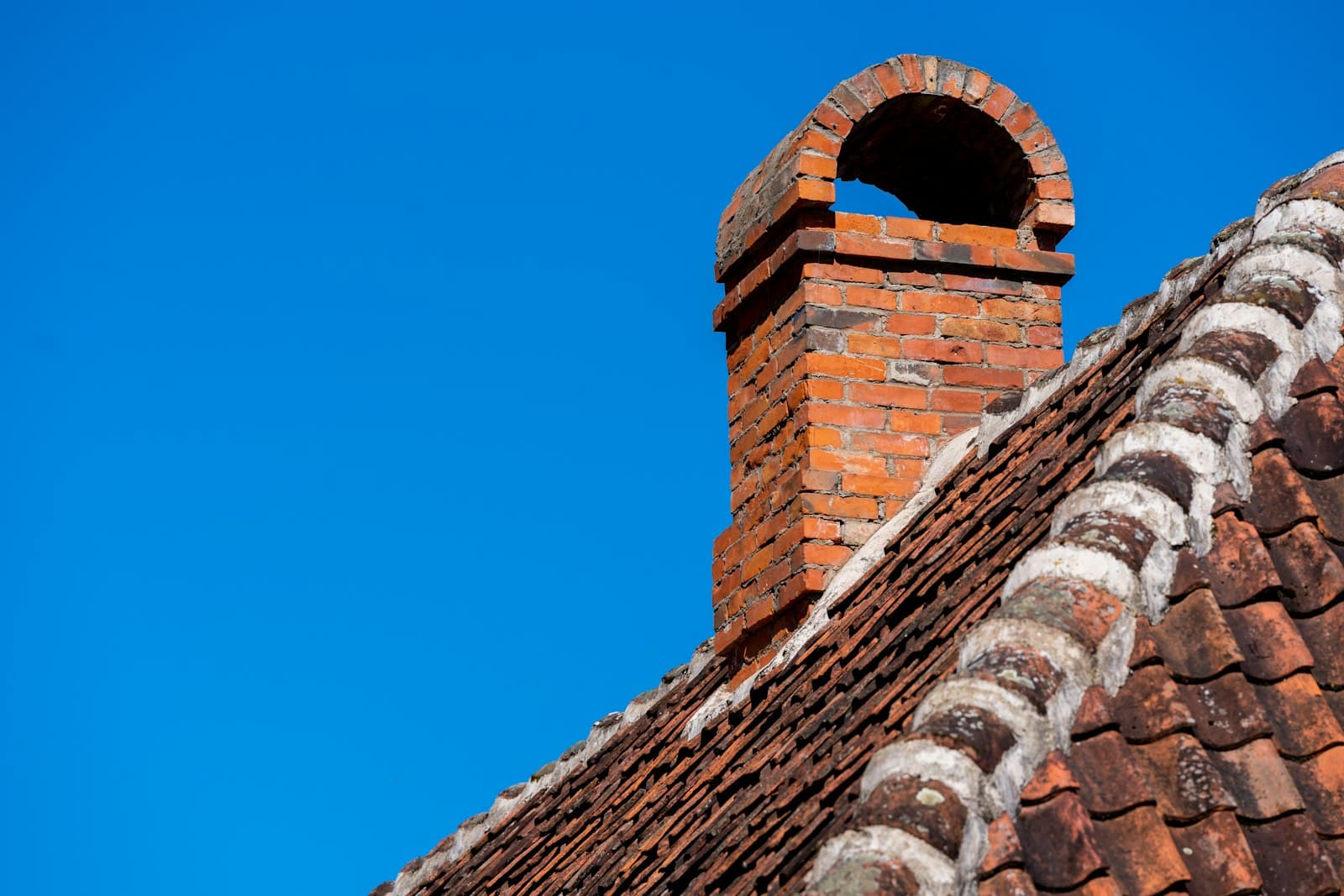
Chimney Cap Replacement in Orlando, FL: Evaluating Condition, Access, and Exposure
A missing, loose, or deteriorated cap leaves the chimney opening exposed. Chimney cap replacement in Orlando starts with identifying that opening: a masonry flue and a manufactured chimney termination do not necessarily use the same component. A cap is also different from the broad metal cover over a framed chase.
Choose a cap that suits the opening
The opening shape, mounting surface, exhaust passage, and existing system matter more than a cap that looks similar in a photograph. Screens and other features must suit the connected appliance rather than being assumed universal. Depending on the chimney, these details help distinguish compatible cap options from an unsuitable replacement:
- The number and shape of flue openings being covered
- The existing attachment surface and any damaged material beneath it
- Required exhaust space and compatibility with the connected appliance
- Material options, screen configuration, and access for future maintenance
How chimney cap installation needs are evaluated
Mesh size is a real decision rather than a detail. Too coarse and squirrels are through it; too fine and it blinds off with creosote, pollen or soot and the fireplace starts pushing smoke into the room. On an Orlando wood-burning flue the mesh is also the spark arrestor, so it is sized as a compromise: coarse enough not to blind off with soot, fine enough to exclude animals and catch embers. A gas appliance producing almost no particulate can safely take a finer screen for better animal exclusion.
How the cap is anchored, and what changes the job
How a cap is secured depends entirely on what it is sitting on. A single-flue cap clamps to the exposed tile on set screws. A crown-mounted cap is fixed into the crown with masonry anchors and sealed at its base. A cap over a framed chase fastens to the metal chase cover itself. Each needs different hardware and a different detail at the base, and on an Orlando roof a cap simply set on and caulked is the one that leaves in the first strong wind.
The stress on an inland cap is mostly thermal. Sheet metal sitting in full sun expands and contracts against masonry that moves at a different rate, and that is what works fasteners loose and opens a caulked joint over a few seasons. On an Orlando chimney the cap that is still tight years later is the one anchored mechanically, with sealant used to finish a joint rather than to make it.