
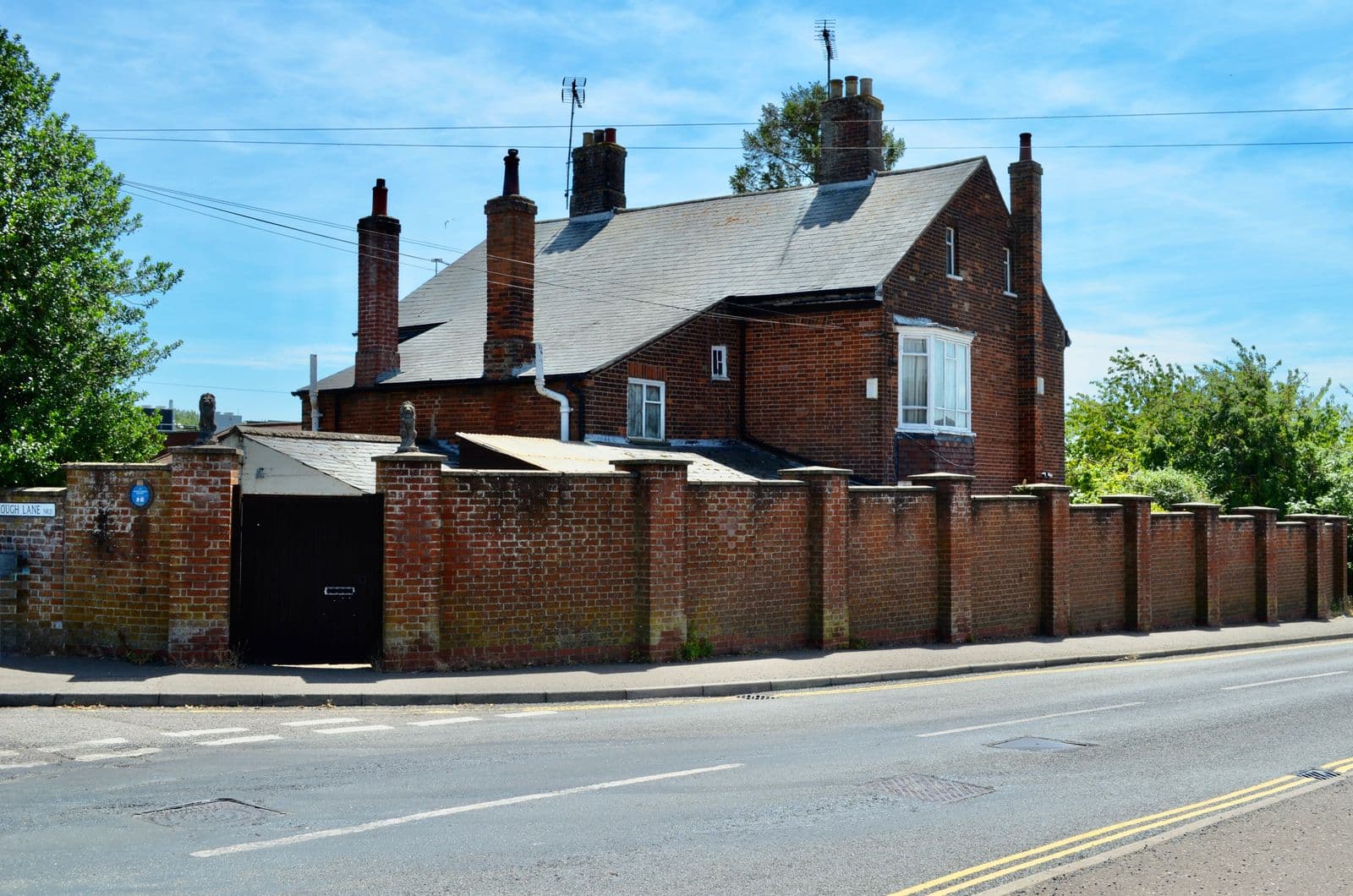

Why the chimney deserves a spot on your hurricane list
Every Florida homeowner has a hurricane routine: shutters, water, generator, the works. The chimney rarely makes the list, and that is a mistake. A chimney is the tallest, most exposed masonry on the house, sticking up into exactly the wind a hurricane brings. When a storm finds a weak cap, a cracked crown, or aging flashing, it does not just damage the chimney. It opens a path for wind-driven rain to pour into your home for the duration of the storm and every rain that follows.
The good news is that a chimney is easy to prepare, and most of the prep is checking rather than building. The goal before the season (ideally well before June) is simple: make sure the chimney is sound enough that a strong storm finds nothing loose to rip off or drive water through. A little attention in late spring saves a lot of grief during a named storm.
Which parts matter most depends on what kind of chimney you have. On a masonry chimney, common in Florida’s older brick and CBS housing stock, the vulnerable points are the cap, the crown, the flashing, and the mortar joints. On a framed, siding-clad chase chimney, typical of newer construction, the storm targets are the chase cover (the big metal lid on top), the cap on the flue pipe, and the siding seams. Both types appear in the checklist below; skip the lines that do not apply to yours.
How a hurricane actually attacks a chimney
It helps to know the mechanics, because they explain the checklist. The first weapon is uplift: wind accelerates as it passes over a roofline, creating suction that pries at anything with an edge: the cap, the flashing, loose crown fragments. A cap that is merely resting snug can be peeled off by suction long before the wind would simply blow it over. That is why "present and firmly fastened" is the standard, not just "present. "
The second weapon is horizontal rain. Every ordinary defense on a chimney (the crown’s slope, the drip edge, the flashing’s overlaps) is designed for rain that falls downward. Hurricane rain travels sideways for hours, driven into joints, under laps, and through hairline cracks that never leak in a normal storm. A tropical system can also drop a foot or more of rain, saturating masonry that never fully dries in our humidity to begin with.
The third weapon is debris. Tree limbs and airborne fragments strike the chimney like projectiles, cracking crowns and knocking masonry loose. And in extreme wind, an already-deteriorated chimney (open joints, soft mortar) can crack or shift structurally. Each of these has a matching line on the checklist below.
Before the season: the walk-around checklist
Start at the top. The cap is the most likely thing a hurricane will tear off, so confirm it is present, intact, and firmly secured. A loose or corroded cap is an invitation. Check the crown for cracks; the storm will drive water into any it finds. Look at the flashing where the chimney meets the roof for lifted edges or dried-out sealant, since suction gets under loose flashing and peels it. From the ground, scan the masonry for cracks, spalling, or open mortar joints, the weaknesses sideways rain exploits.
Trim back tree limbs that overhang or sit close to the chimney: a hurricane turns those branches into projectiles aimed at your roofline. If the chimney is sound, this is also the moment to confirm the masonry is waterproofed, because a sealed chimney sheds wind-driven rain far better than a porous one. A breathable sealant applied in the dry spring months is cheap insurance against a wet June-through-November.
If a check identifies a potential problem, request an assessment before storm season when possible. A technician can visit the property and give a free estimate. Scheduling and repair timing depend on availability, safe access, weather, and the approved scope.
When a storm is named: the last 72 hours
Once a storm has your part of Florida in the cone, the roof work window is closed. Do not put anyone on a ladder days before a hurricane. What is left is quick and ground-level. Close the damper and latch any glass fireplace doors: a shut damper keeps wind-driven rain and pressure surges from blasting down the flue into your living room, and it blocks the ash-and-soot mess a pressurized downdraft can spray across the hearth.
Take dated photos of the chimney from a couple of angles; phone quality is fine. That baseline record costs you two minutes and makes every later conversation, whether with a repair crew or your insurer, simpler and faster. Clear the area around the chimney’s fall line of anything you would hate to lose (grills, patio furniture, vehicles parked tight against that wall) the same way you would under a big oak. Then move your attention to the rest of the hurricane list; the chimney prep that matters most was done back in spring.
After the storm: what to look for
Once the winds pass and it is safe, look the chimney over from the ground. Never climb a possibly-damaged roof yourself. The most common hurricane damage, roughly in order: a missing or mangled cap, a cracked or shifted crown, lifted or torn flashing, and cracked or displaced masonry. In severe cases a weakened stack can lean or lose bricks. Treat any visibly tilted chimney as a hazard and keep people away from its fall line.
Inside, watch for new water stains on the ceiling or walls near the chimney, a damp or musty smell at the fireplace, or water in the firebox, all signs the storm opened a path for rain. Compare what you see against your pre-storm photos; a change you can point to is worth far more than a general impression.
No visible damage? The quiet check still pays
A fair amount of hurricane damage never shows from the ground. Hairline crown cracks, flashing that lifted just enough to break its seal before settling back, water pooled on the smoke shelf behind the damper, a cap whose fasteners loosened without letting go: all invisible from the yard, all capable of feeding a slow leak for months. If your area took a serious hit, a professional look afterward is worth it even when everything appears fine; NFPA 211 guidance recommends inspection after weather events severe enough to have damaged the chimney.
Florida seasons can bring more than one storm. If another party has installed temporary protection, follow its written limitations and arrange an appropriate permanent repair plan promptly. Chimney Repair Service does not promise tarping or a particular temporary measure.
Triage, repair, and getting on the schedule
An active chimney leak is time-sensitive. Call to ask about current availability. Any temporary or permanent work depends on weather, safe access, availability, and the proposed work you approve.
After a major storm, getting on the schedule early matters: call as soon as you spot damage rather than waiting to see if it gets worse. Keep your dated photos and the estimate together. If you pursue an insurance claim, that file is the backbone of it. And once the repair is done, fold the chimney into next spring’s routine so the next season starts from sound, not patched.