
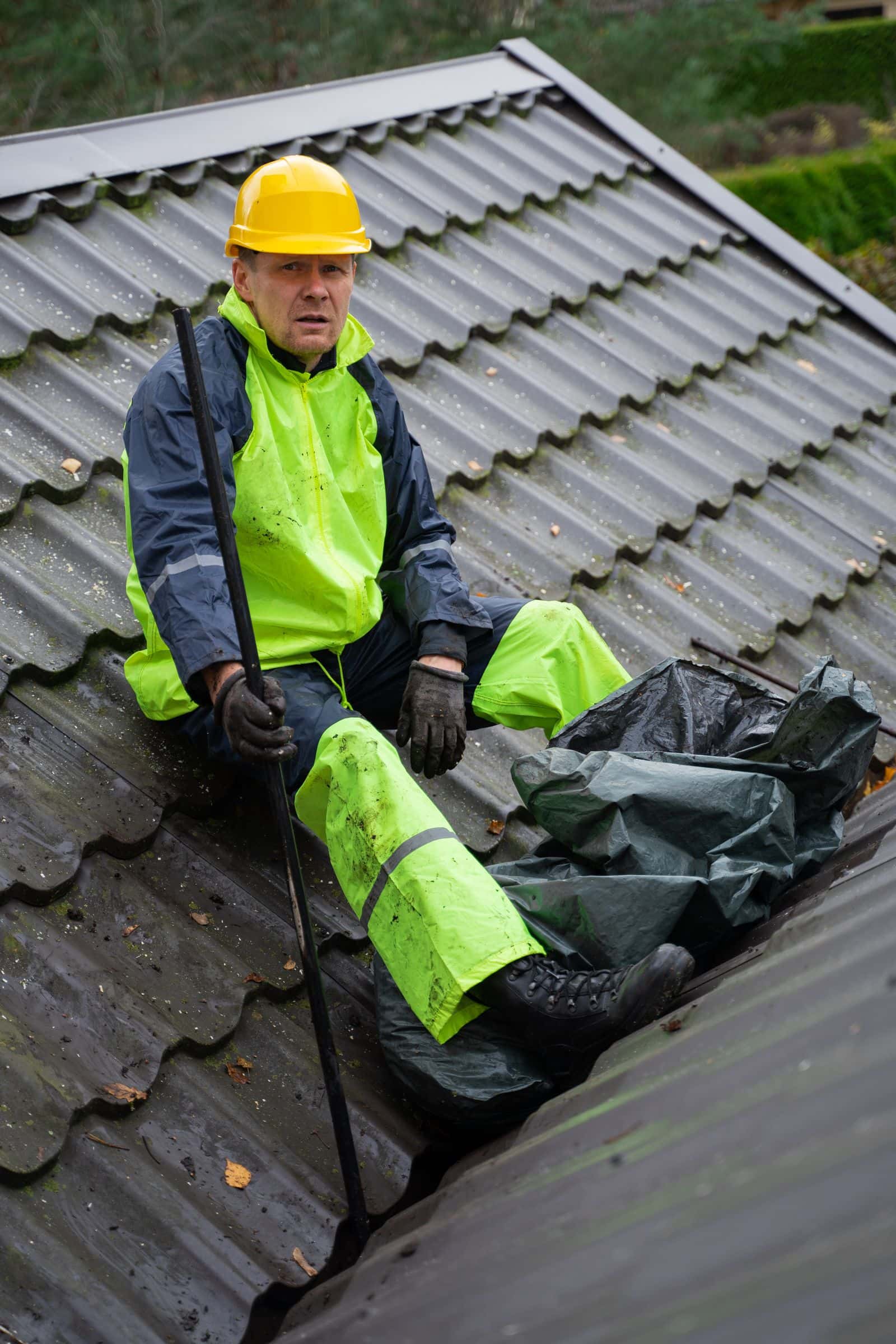
Why yearly chimney cleaning is non-negotiable
For anyone who burns wood, yearly chimney cleaning is the single most important preventive step a homeowner can take. Creosote collects on the flue walls during ordinary fireplace use; left to pile up year after year, that creosote layer grows thicker and harder into a fuel source that can catch under sustained heat — touching off a chimney fire that can spread into the surrounding structure and do serious damage.
CSIA's national guideline calls for yearly chimney cleaning on any chimney showing measurable creosote. For households that burn through the cold season, that yearly cleaning is essential and belongs on the calendar before the season's first fire. For light-use fireplaces (a few holiday fires a year), the interval between cleanings can extend to two or three years, though the inspection should still take place every year.
What actually happens during a chimney cleaning
A professional chimney cleaning runs the same way every time out. The pro shows up inside the booked window, spreads drop cloths across the hearth and nearby flooring, sets up the HEPA-filtered vacuum, and opens with a visual look-over of the flue from above. That look-over takes stock of the starting creosote condition and points to the right cleaning approach to take.
The mechanical cleaning itself relies on brushes matched to your flue diameter. A round flue wants a round brush; a square flue wants a square one; an oval flue wants an oval brush. The pro stocks all three across a range of diameters, so the correct brush rides on the truck on every call. The brushing works from the top of the flue downward (or bottom-up where access calls for it), with the HEPA vacuum running the whole time to grab every particle of loosened creosote before it has a chance to drift into your living space.
Once the mechanical cleaning wraps, a post-clean visual check confirms the flue is completely clear. The pro then walks you through what was found in plain language before leaving. The walkthrough covers the creosote-stage read, the damper assessment, notes on the smoke chamber, and any recommendations for follow-up.
Creosote stages 1, 2, and 3 — what each one means for cleaning
Creosote staging is the industry's standard way to grade buildup, and it sets the cleaning approach. Stage 1 is the lightest deposit — flaky and powdery, lifted out with routine brushing. Stage 2 sits in the middle — firmer and thicker, occasionally needing forceful mechanical removal alongside a chemical conversion treatment. Stage 3 is the worst of it — glazed and hardened so badly that brushing alone will not fully clear it; a chemical treatment has to come first before the mechanical cleaning can do its job.
Where your chimney lands depends on how often you burn, your firewood's moisture, the draft, and how much time has passed since the last cleaning. Chimneys cleaned every year mostly hold at Stage 1; ones skipped for 2-3 years climb to Stage 2; ones left for 5+ years often reach Stage 3. The tiers mirror the time and materials each stage demands; Stage 1 cleanings run quickest and cheapest, while Stage 3 cleanings take longer and may need a second visit to finish.
How Florida's climate factors into chimney cleaning
Florida shapes chimney cleaning in ways that differ across the state, and the real divide is coastal versus inland. Year-round humidity keeps the flue interior damp between fires in Florida's climate, and that dampness teams up with creosote residue to throw off a distinct smoky odor that sharpens in muggy weather — one of the most common reasons people place cleaning calls off the usual yearly cycle. On the coasts — the Southeast Atlantic, the Southwest Gulf, and the Keys — salt air drives chloride corrosion into the cap, crown, and any metal hardware above the flue, so the rooftop check focuses there. The Panhandle is the one part of Florida that sees occasional genuine hard freezes, so up that way the crown gets an added look for cold-weather cracking.
A salt-battered coastal chimney in Naples is a different job than an inland Orlando chimney fighting humidity and summer thunderstorms, and the cleaning visit accounts for it: a rooftop cap-and-crown inspection (a chloride-corrosion check on the coast, a storm-and-wind damage check inland, a freeze-cracking check in the Panhandle), a look at the flue interior for humidity-driven creosote hardening, and a read on the smoke chamber's parge coating. Hurricanes and tropical storms add their own wrinkle — wind-driven rain and debris can pack a flue, so post-storm checks are routine across coastal and inland Florida alike. Any climate-driven problems spotted during the cleaning are pointed out in the end-of-visit walkthrough with follow-up recommendations, though the cleaning itself goes the same way on every visit.
Chimney cleaning companies — what sets the established ones apart
Dozens of chimney cleaning companies operate in most Florida cities, in all sizes. The established local operators your local pro relies on stand apart from solo handyman setups and out-of-state franchise outposts in three concrete ways: training (chimney-specific procedures, not catch-all home-services work), punctual arrival inside a confirmed window with a call ahead (not an all-day wait), and the same crew showing up across many visits over many years.
Homeowners who have stuck with the same local pro for cleanings over several years get a level of service that honestly cannot be matched on a first visit with a new customer — not for any lack of effort, simply because the built-up context counts. The pro remembers the shape your flue was in last year, which materials went into any earlier repair, and what your particular concerns are in your particular home. That continuity is part of why long-term customers stay loyal to established cleaning companies instead of churning through whoever is cheapest this season.
What a professional chimney cleaning visit looks like
Most chimney cleaning appointments run 90 to 120 minutes start to finish. The pro shows up inside a confirmed window, phones 30 minutes ahead, and carries all the gear the cleaning needs, so there is no second trip to wrap things up.
The opening 10 minutes cover introductions, a walkthrough of the fireplace area, laying drop cloths across the hearth and nearby flooring, and setting up the HEPA-filtered vacuum. The next 10 bring a rooftop visual look-over that takes stock of the starting creosote condition and settles the right brush size. The following 45 to 75 minutes are the mechanical cleaning itself, with brushes matched to your flue's dimensions working the full flue length as the vacuum pulls in every particle that comes loose.
The closing 15 to 25 minutes handle the post-clean visual check, a damper operation check, a smoke chamber assessment, packing up the drop cloths and gear, and one last visual once-over of the work area. The pro walks you through what was found before leaving; payment comes only after the homeowner has looked over the result and is happy with it. Nothing is collected upfront.
What drives the cost of chimney cleaning
More than anything, chimney cleaning cost rides on the creosote stage the visual look-over assigns before work starts. Stage 1 cleaning (light yearly upkeep buildup) is the quickest, most affordable visit; Stage 2 cleaning (hardened mid-grade buildup) runs longer and can tack on a chemical conversion treatment; Stage 3 cleaning (heavily glazed buildup that needs chemical treatment) is the most involved tier and can run across two visits. The local pro's scope structure holds steady metro to metro — you never pay a location surcharge for identical work.
Within a single market, what nudges chimney cleaning cost up or down is how hard the flue is to reach (steep tile roofs add safety-gear time; multi-story homes add staging), the creosote stage the look-over assigns, and any add-on services folded into the same visit (cap inspection, crown evaluation, smoke chamber parge assessment). The yearly maintenance bundle (cleaning + visual inspection + cap check) is the most economical way to schedule: a single trip and a single setup take care of all three services instead of paying out for three separate visits.
Cleaning work that may fall under your homeowner policy — usually post-chimney-fire cleanup or clearing storm debris out of the flue — runs on a different scope model than routine maintenance, since the job is larger. Most chimney cleaning is paid by the homeowner out of pocket; if you think a claim might apply, check with your own carrier first, and the pro will write up the scope and the estimate clearly so you have what you need to start that conversation.
Chimney creosote — what it is, why it matters, and how to keep it in check
Chimney creosote is what incomplete wood combustion leaves behind, coating the inside walls of any wood-burning flue. It forms as wood smoke cools on its way up the flue and condenses against the walls, and chemically it is a mix of tar, soot, carbon particles, and assorted volatile compounds. Creosote is the top fire hazard in a wood-burning chimney — the material is flammable in its own right, and once it builds to a critical thickness, the sustained heat from an ordinary fire below can set it off and start a chimney fire. Keeping chimney creosote under control with yearly professional cleaning is the proven way to keep a wood-burning fireplace safe to run.
Chimney creosote moves through three industry-standard stages, and each one calls for its own cleaning method. Stage 1 creosote is the lightest deposit — flaky and powdery, cleared with routine mechanical brushing. Chimneys cleaned every year tend to stay in Stage 1 for their entire service life. Stage 2 creosote is the in-between grade — denser and thicker, and it sometimes takes forceful mechanical removal plus a chemical conversion treatment that loosens the deposit ahead of brushing. Skip cleaning for 2-3 years and a chimney usually slides into Stage 2. Stage 3 creosote is the harshest — glazed and hardened to a tar-like crust that brushing alone cannot fully shift. Stage 3 always demands a chemical conversion treatment first, occasionally over several applications, before mechanical cleaning will work.
Pricing for chimney creosote removal tracks the stage. Stage 1 removal is one simple visit. Stage 2 removal adds some material cost and roughly an extra hour onsite for the chemical conversion treatment. Stage 3 removal is the most involved tier and can run across two visits — the first lays down the chemical conversion treatment and gives it 24-48 hours to work, the second handles the mechanical removal. The visual look-over taken before cleaning establishes which stage your chimney is in and which tier applies; the pro talks you through the stage assessment before any cleaning starts.
Preventing chimney creosote begins with yearly professional cleaning, but how fast it builds is partly in your hands. Burning seasoned firewood (under 20% moisture) generates far less creosote than burning green or wet wood. Hot, bright fires that fully burn the fuel leave less behind than slow, smoldering ones that burn incompletely. Keeping the damper wide open while burning supplies the draft the fire needs. And steering clear of banking a fire overnight — which keeps wood smoldering at low temperatures for hours — is one of the highest-impact habits for cutting creosote buildup. Worried about the buildup in your own flue? Book a creosote assessment — the pro looks over the flue, grades the stage, and quotes the removal work that fits.