
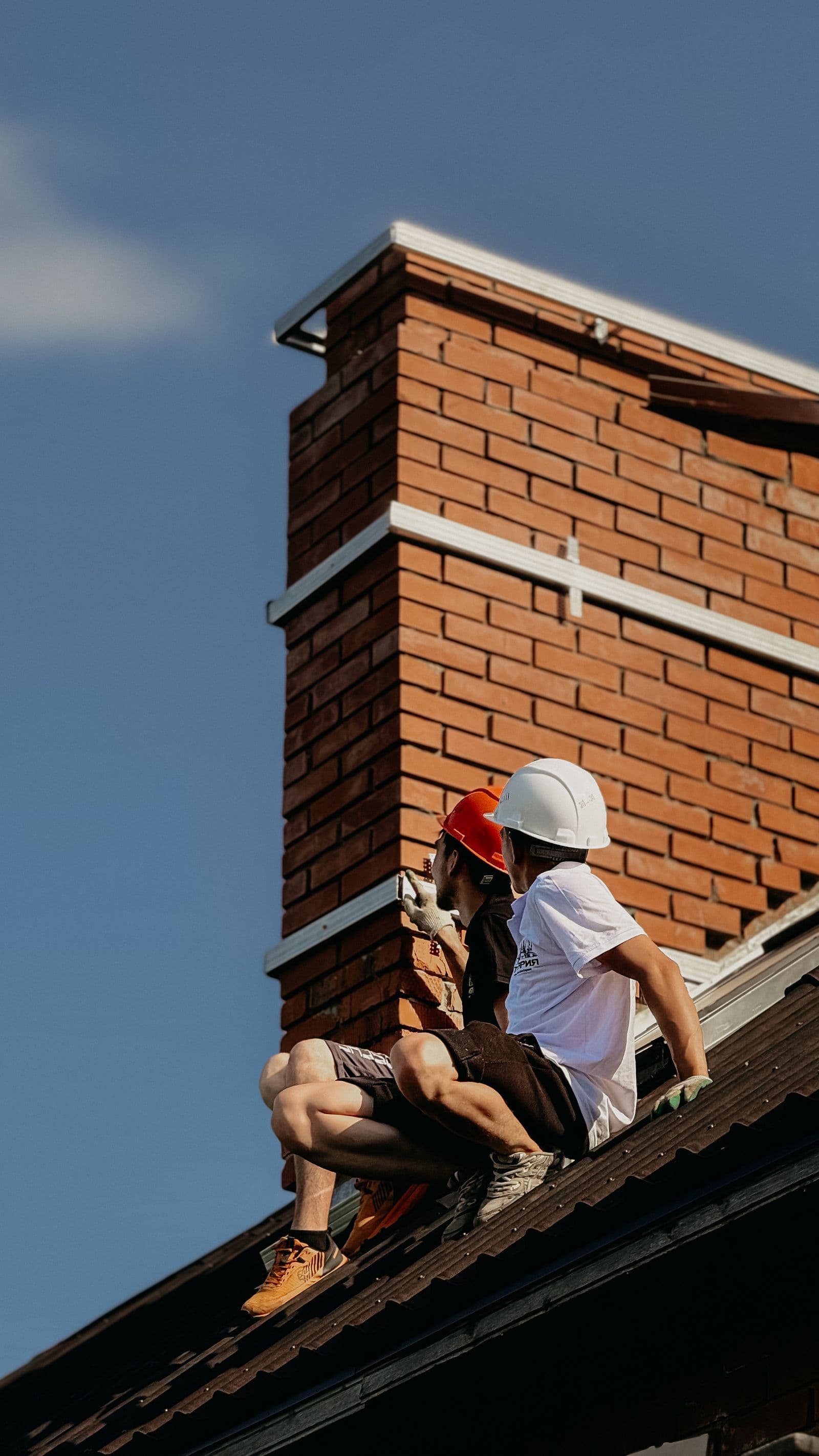
Before
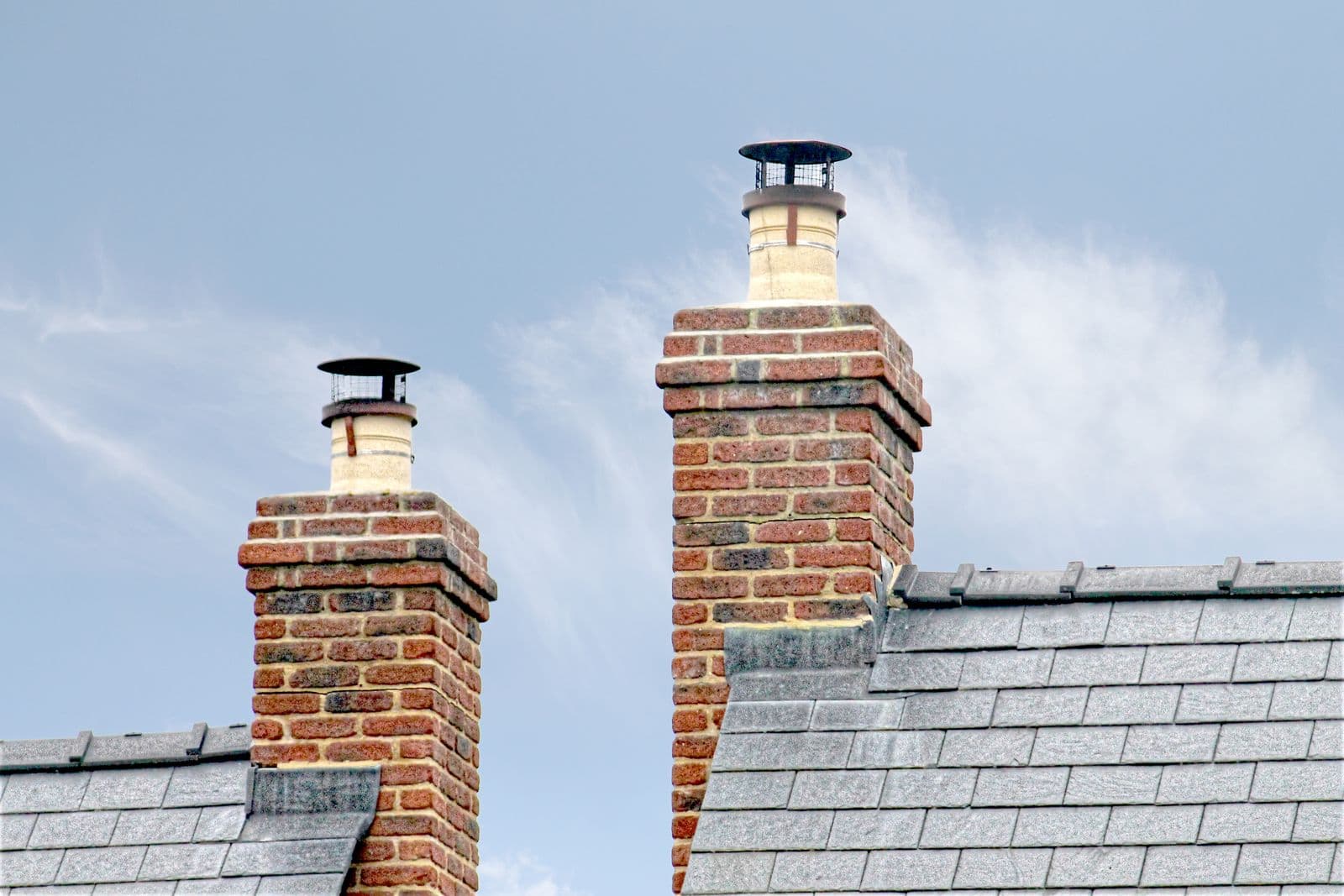
After
Project #01
Chimney Crown Repair · Pensacola, FL
Crown cracked by one of the Panhandle’s rare hard freezes rebuilt and sealed against future moisture intrusion.
Chimney before-and-after work from vetted local crews near you. On every sweep, inspection, crown rebuild, cap installation, relining, and fireplace renovation, you see the chimney before and after — with a clear explanation of the work done.
Takes about 30 seconds.
What These Photos Prove
Every chimney job in our local team — sweep, inspection, repair, crown rebuild, cap install, relining, or fireplace renovation — is shown to the homeowner before and after. Not because it makes a good marketing page, but because it is the straightforward, no-surprises way a chimney repair company homeowners trust has to operate. You see the chimney before the work starts and again once it is done, get a clear explanation of what was performed, and walk away with a free written estimate for anything else the chimney needs — useful whether you are planning a repair, preparing for a sale, or just keeping up with annual care.
The gallery below is twelve real chimney projects from Florida cities our local team works in every week — Miami, Tampa, Orlando, Jacksonville, Fort Myers, Naples, Sarasota, West Palm Beach, Gainesville, Pensacola, and the Keys. Every project includes the before photo, the after photo, the scope of work, and the Florida metro it was performed in. The workmanship warranty on every chimney repair shown here is in writing, backed by the vetted local pro who did the work.
The Gallery
Every project captioned with the metro the work was performed in.
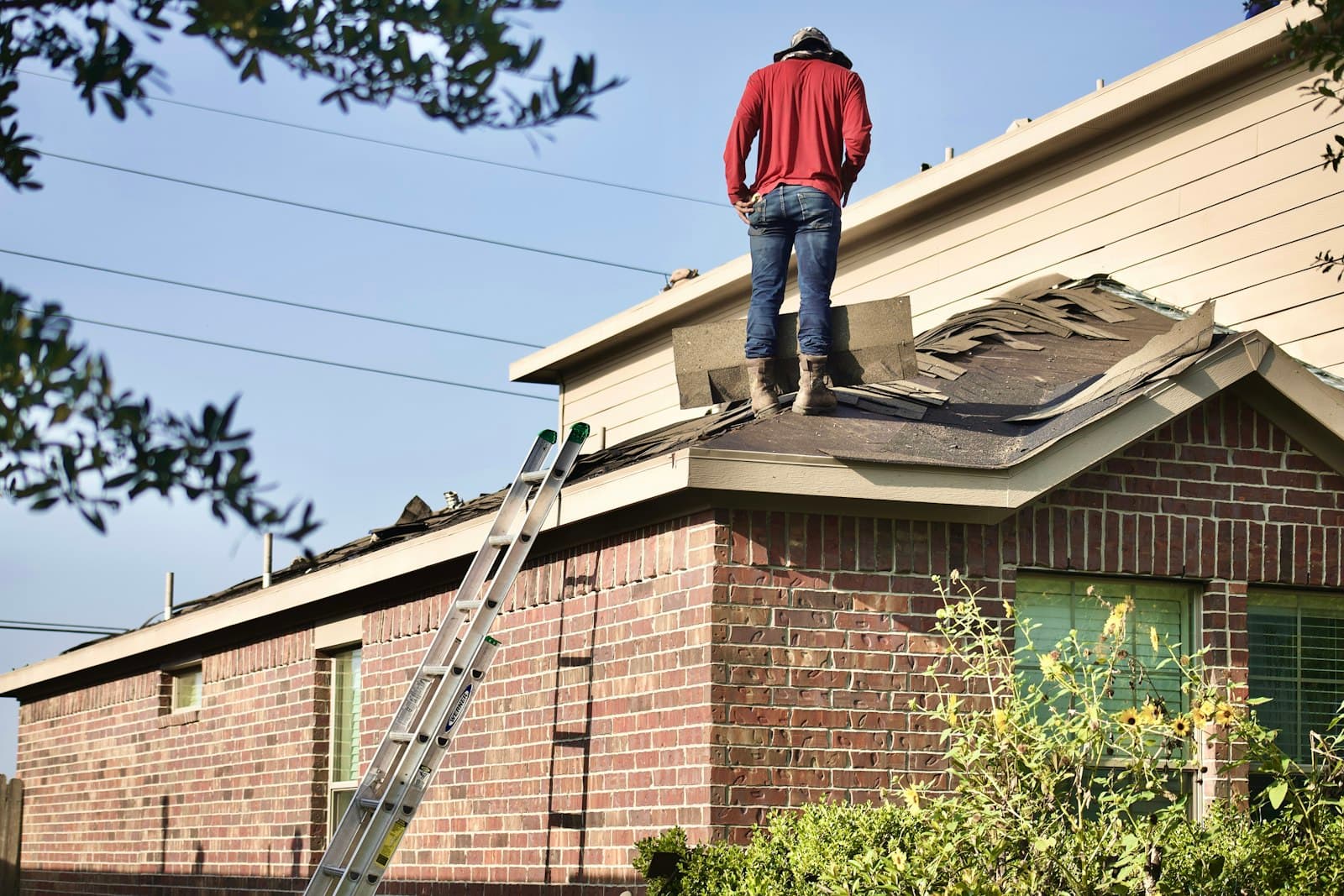
Crown cracked by one of the Panhandle’s rare hard freezes rebuilt and sealed against future moisture intrusion.
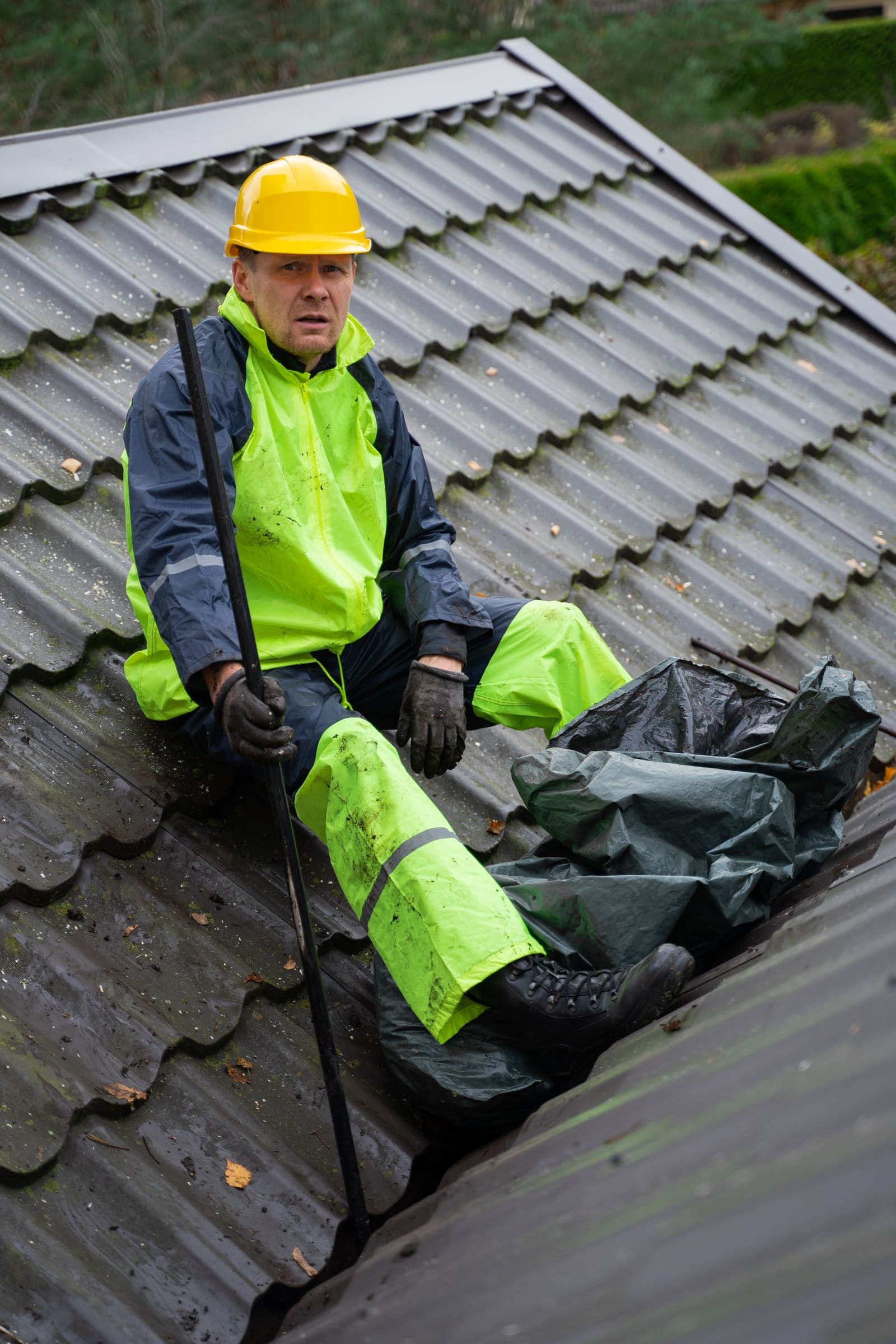
Glazed Stage 3 creosote chemically loosened and swept from a heavily used wood-burning flue in a North Florida home.
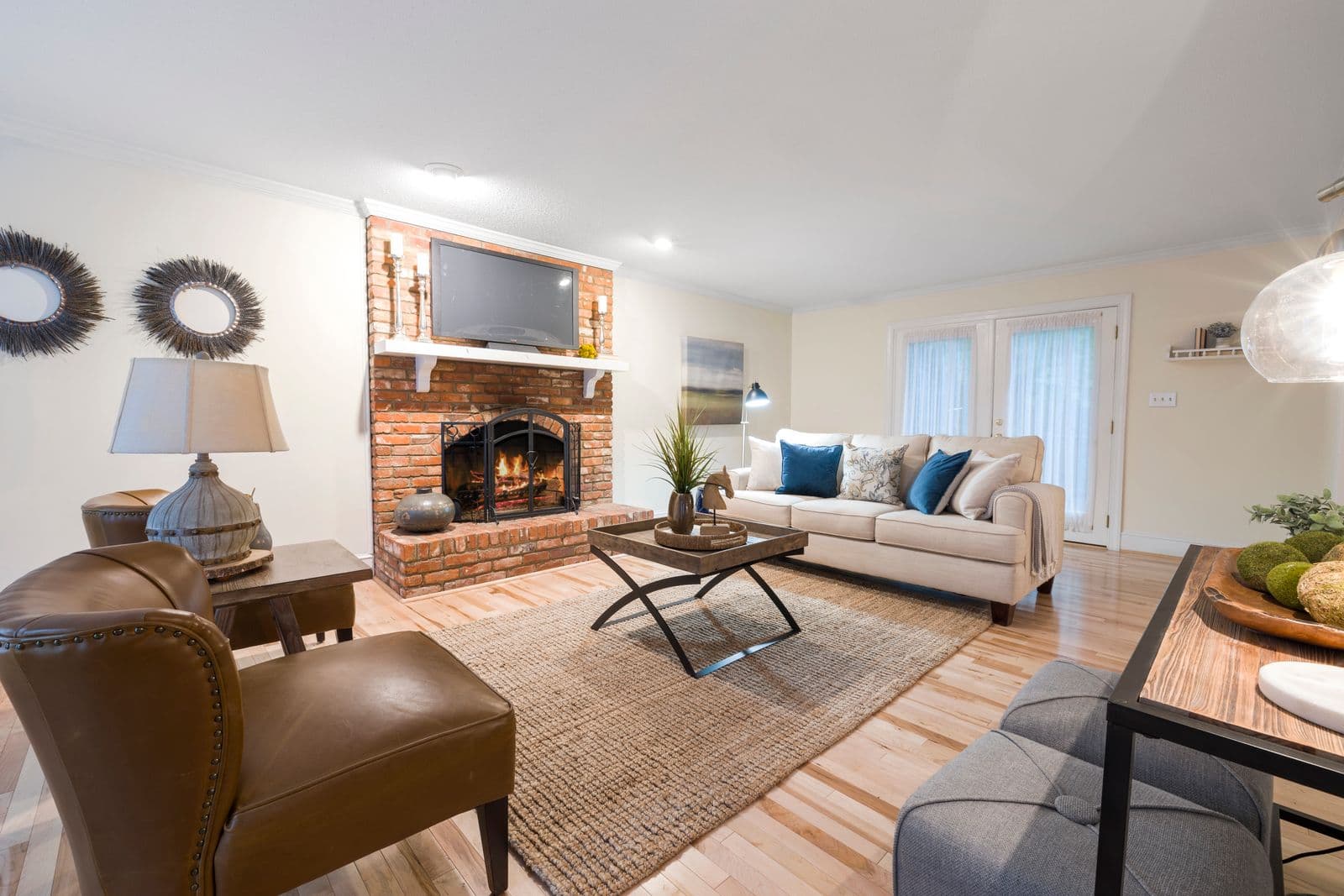
Salt-corroded galvanized cap replaced with 316 marine-grade stainless on a Southeast Atlantic coastal chimney — salt-air spec.
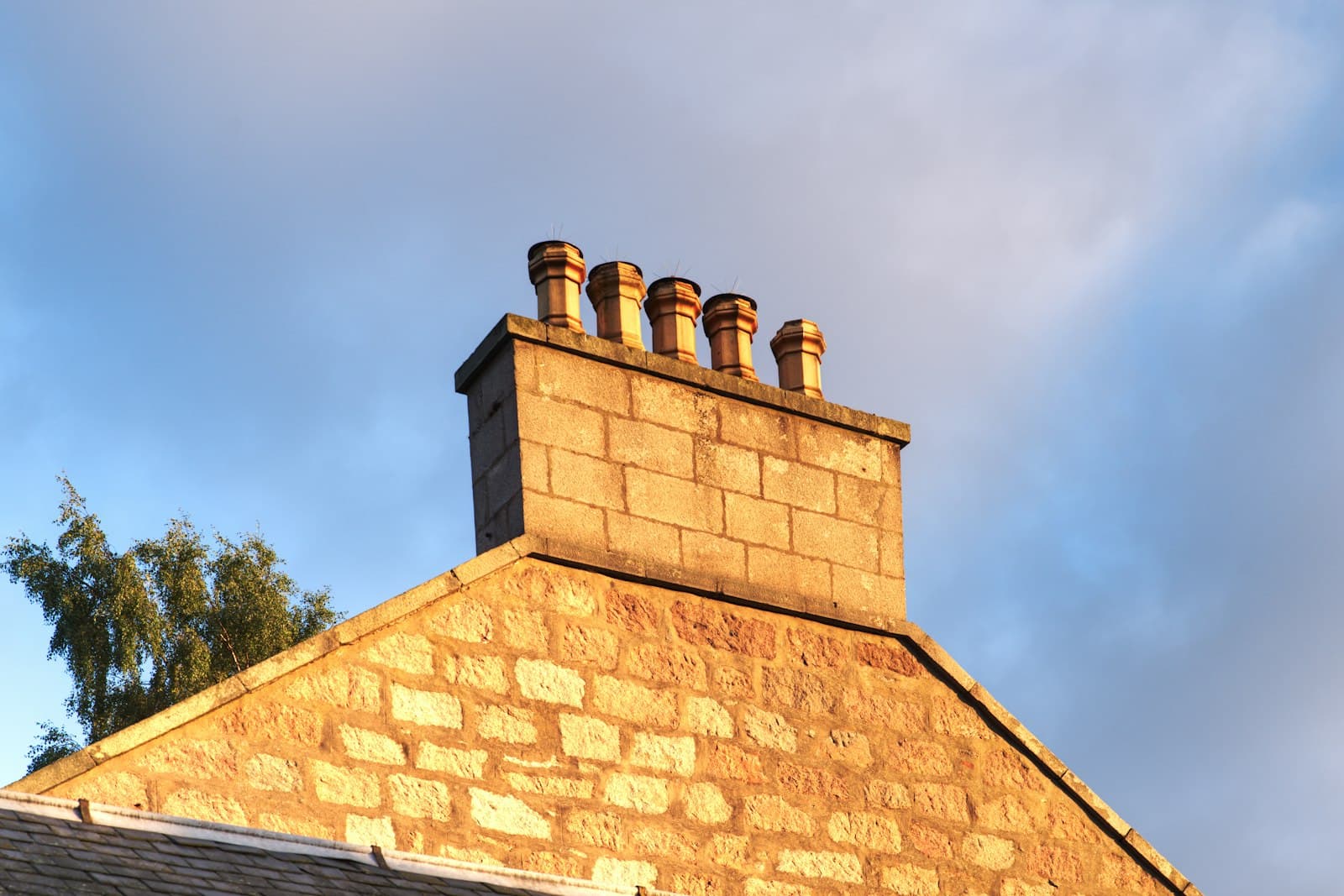
Deteriorated clay flue relined with insulated 316 stainless in an older First Coast masonry home.
Wood-burning insert converted to a sealed direct-vent gas system in a Central Florida stucco home.
Wind-driven mortar joint failures repointed across a chimney exterior after a Gulf-coast hurricane season.
Squirrel nest removed, full sweep, and stainless cap installed on a North-Central Florida masonry chimney.
Thorough on-site chimney inspection for a Gulf-coast real-estate transaction closing.
Salt-air-seized cast-iron damper rebuilt and resealed on a Southwest Gulf coastal fireplace.
Salt- and UV-degraded chase cover replaced with marine-grade stainless on a factory-built fireplace in the Keys.
Annual chimney sweep with HEPA vacuum and a thorough before/after visual check on a Treasure Coast home.
Leaking chimney flashing torn out and rebuilt with proper step + counter flashing to survive Tampa Bay wind-driven rain.
Documented End-to-End
Every chimney job — sweep, inspection, crown rebuild, cap installation, relining, or fireplace renovation — is shown to you before and after, with a thorough on-site inspection, a clear explanation of what was found and done, a free written estimate for any work advised, and a workmanship warranty on the repair — the straight answers homeowners and real-estate closings actually need.
Free Chimney Estimate
Every chimney sweep, inspection, repair, and fireplace renovation in our local team comes with the same before-and-after walkthrough shown above. Call (754) 328-2421 or submit the form — a real person responds within one business day.
Before & After FAQ
Showing the before-and-after of the work is not a marketing layer added at the end of a chimney repair — it is how the work actually gets done. Every chimney sweep, inspection, repair, crown rebuild, cap installation, relining, and fireplace renovation a local pro performs starts the same way from the moment the truck pulls up. The technician walks the property and looks the chimney over from the ground, from the roof, from inside the firebox, and along any adjacent walls or ceilings showing water damage — a real concern in Florida, where year-round humidity and wind-driven rain hide moisture problems until you go looking for them.
The work itself moves through clear stages the homeowner can follow. For a crown rebuild that is the demolition step, the rebar placement, and the concrete pour. For a relining job that is the existing flue condition, the insulation install, and the stainless liner descent.
When the job wraps, the finished chimney is shown from the same angles as the starting condition. Side-by-side, the before and after tell a story you can see for yourself without taking anyone's word for it. That is the point — chimney work happens out of sight, on the roof, inside the flue, behind the firebox.
Every chimney job ends with the pro walking you through the before-and-after of the work in plain terms — what the chimney looked like when the crew arrived, what was done, and where it stands now. The summary covers the service address, the date of visit, the technician on the job, and a plain rundown of the work performed, so nothing about the job is left a mystery.
If anything is recommended for the future, you get a free written estimate for it and an honest read on how urgent it is. There is no high-pressure sell — the choice of whether and when to do the work is yours.
It would be easy to point only to the dramatic before/after pairs — the salt-corroded cap next to the shining stainless replacement, the creosote-glazed flue next to the cleaned-out lining. Those make great marketing photos, and they are real, and there are plenty. But the habit goes further: pros show the homeowner the things that are not dramatic too.
The habit also catches mistakes. More than once, a second look at the work has surfaced a missed area that got fixed before the homeowner ever noticed.
The projects in the gallery above show the kinds of conditions Florida chimneys face — from Southeast Atlantic and Gulf-coast salt-air corrosion to Central Florida storm and lightning damage to the occasional hard-freeze cracking that only the Panhandle sees.
The location detail matters because chimney conditions vary substantially within Florida. The key distinction is coastal versus inland: coastal chimneys on the Southeast Atlantic, the Southwest Gulf, the Space and Treasure Coasts, and the Keys take a constant beating from salt-air chloride, so they demand marine-grade stainless hardware; inland chimneys around Orlando, Tampa Bay, and Central Florida fight relentless humidity and violent summer thunderstorms instead. Stucco and concrete-block (CBS) construction with tile or shingle roofs is the Florida norm, which shapes how flashing and crown work get done.
A busy week across our local team produces a steady stream of new before/after pairs, and the mix shifts with the season and the region. The drier winter and spring months tend to be sweep-heavy (the pairs are mostly creosote-stage before/after plus crown-condition checks). Hurricane and tropical-storm season is repair-heavy along the coasts (storm-damage assessments, post-storm cap and crown rebuilds, flashing replacements); the summer thunderstorm and lightning months drive water-intrusion and crown work inland through Central Florida.
Whatever the season, the workflow is the same. Phone consultation, on-site visit with a free written estimate, homeowner approval, a work day where the before-and-after is shown plainly, and a follow-up call to confirm everything is performing as expected.
After years of careful work, our local team has built deep, hands-on experience with how chimneys actually perform in Florida homes — in every coastal and inland condition the state throws at them. From that experience, our local team can answer questions no single contractor or homeowner could answer alone.
How long does a cap last on a salt-battered coastal home versus an inland one? Experience shows it plainly — salt-air chloride exposure on the coasts cuts cap life dramatically compared with inland Central Florida markets, and the constant humidity is hardest on crowns and mortar joints. What share of older masonry chimneys still have their original mortar? A minority, and most of those need tuckpointing within the next inspection cycle.
That kind of experience helps pros quote more accurately, plan materials better, and give honest expected-lifespan answers when a homeowner asks how long a repair will hold up. It also helps our local team spot trends early.
Every project is logged by service address, with notes on the metro, the chimney type (masonry, prefab, gas insert, wood-burning), the service category (sweep, inspection, repair, rebuild, relining, cap, crown, flashing, full renovation), and the date. When a returning customer calls, the prior work comes right up.
For homes with no prior service history, the pro still works the same careful way. The first visit sets the baseline. The second visit becomes the first comparison point. Over enough visits, the record tells the story of how that specific chimney has performed in its own Florida microclimate — salt air on the coast, humidity and storms inland.
The public gallery on this page shows twelve representative projects. Our local team has worked on many times that number. The public gallery is curated for visual variety — different services, different cities, different chimney types — rather than just the most dramatic before-and-after pairs.
Conversely, some of the most instructive jobs are the boring ones. A routine annual chimney sweep on a well-maintained masonry chimney looks nearly identical before and after at the exterior level. The interesting part on those visits is the close look up the flue.
If you want to know where your chimney stands — whether you have used us before or not — reach out by email at info@chimneyrepairservice.com or by phone at (754) 328-2421. A vetted local pro will schedule a thorough on-site inspection, walk you through what was found, and give you a free written estimate for any work that is advised. There is no charge for the estimate.
Each chimney our local team has ever serviced has its own record — logged by address, metro, chimney type, service date, and technician. When a homeowner calls about a chimney a pro has worked on before, the prior visits and the prior scope of work come right up. That continuity is part of why homeowners return for annual service — they know the pro already understands the chimney specifics rather than starting from scratch every visit.
For homeowners who later sell, that service history becomes a real-estate asset. A summary of past work is available on request, showing every visit, every repair, and its workmanship warranty terms. Buyers like knowing the chimney has been looked after; sellers like that it removes the chimney from the negotiation list. Real-estate agents increasingly ask for this history during pre-listing chimney inspections because it simplifies disclosure and shortens negotiation cycles.
Spring is the cleanest before/after season. Crews are not under storm-response time pressure, scheduling is flexible, and the work is mostly routine annual sweeps and inspections. The before/after pairs from spring tend to be subtle but instructive — the difference between a stage-2 creosote firebox before sweeping and the clean firebox after, or a slightly cracked chimney crown before sealing and the resealed crown afterward.
Storm season produces the dramatic transformations. Hurricane response on the coasts and severe-weather response inland surfaces caps ripped off entirely, flashing peeled back, and masonry cracked from wind pressure. Those before/after pairs tell stories of restoration rather than maintenance. Pros assess storm damage separately from the repair work that follows, because it helps to keep the as-found damage clearly distinct from the as-repaired final state.
Fall is the busiest scheduling window almost everywhere. Most homeowners wait until October or early November to think about chimney service, hoping to be ready before the heating season. The fall season tends to be heavy on inspections — when homeowners book inspection plus sweep, the before/after covers both the exterior and a careful look up the flue.
Winter is quieter but produces a different kind of visit. Mid-season check-ins sometimes happen for homeowners actively using their fireplace who want a quick safety look. Those before/after pairs are essentially status checks rather than transformations — confirmation that the system is performing safely partway through the season.
The twelve projects shown above represent only a small slice of the work our local team has done. There are many more before/after pairs across every chimney type our local team has serviced. The public gallery is curated rather than comprehensive for two reasons. First, the goal is visual variety — different services, different cities, different chimney conditions — rather than showcasing only the most dramatic transformations. Second, some of the most instructive cases require more context than a single before/after pair can convey, and live better in homeowner-specific conversations than on a public gallery.
The gallery rotates every few months. New projects from the most recent quarter often get added; older projects sometimes get retired to make room. The work history itself is kept on file — once a project is logged it stays available to the original homeowner on request and useful internally for spotting trends and crew training.
If you plan to involve your own homeowner's insurance after a storm, a clear before-and-after picture of the chimney helps your case. A carrier generally wants to understand the chimney's condition before the loss event, the as-found damage after it, and the scope of the repair. A vetted pro can walk you through what your carrier is likely to ask for and provide a free written estimate for the repair work.
For storm-driven claims, timing matters — carriers want to be confident the damage happened during the named storm event rather than from gradual deterioration. A pro who serviced your chimney before the storm can speak to its prior condition, which helps you make a clearer case to your own insurer. The decision to file, and the dealings with the carrier, stay in your hands.
Homeowners periodically ask about older visits — sometimes for a sale, sometimes when planning future work, sometimes just for their own peace of mind. Our local team supports all of those requests. The pro pulls up the customer record by address and walks the homeowner through what was done on past visits. There is no charge for current or past customers.
For homeowners who have moved away, the same help is available. Records are kept indefinitely — every project is searchable by address even if the homeowner has since sold the home and relocated. The service history belongs to the property; the past owner can ask about it any time.
Every routine chimney sweep visit produces a before-and-after picture that looks uneventful at first glance — a firebox that looked fine before still looks fine after, a flue that read clean before reads clean after. Those uneventful visits are actually some of the most valuable because they confirm the chimney is holding steady year over year. When something does eventually change, the pro can point to exactly what shifted by comparing how the chimney looked last visit to how it looks now. A small crown crack that appeared between the 2024 and 2025 visits is a different conversation than one that has been growing slowly over several years. The first might be storm-driven; the second is gradual wear and a maintenance conversation.
Some homeowners like to see the before-and-after even when nothing changed. It gives them peace of mind, helps them plan ahead, and gives family members who manage the property remotely a clear picture of its condition. The pro walks through it gladly — it costs nothing and reinforces the straightforward, no-surprises approach our local team is built around. Showing the work plainly is not just an internal habit; it is part of how every job is done, whether or not the homeowner ever explicitly asks.
Many chimney contractors never show the homeowner the work at all, or only point to the most dramatic before/after pairs to use as social-media marketing. The habit of plainly showing the before-and-after state on every job is unusual in the trade. Pros do it because the few extra minutes it takes pay back many times over in homeowner trust, fewer disputes, and better quality control. The contractors who bother to show their work tend to be the higher-end shops; the budget operators almost never do.
If you have used another chimney contractor in the past and never saw the before-and-after of the work, that is not necessarily a sign that the work was bad. It might just mean the contractor did not bother to show it. When a local pro takes over service for a homeowner who has been serviced by someone else before, the first visit sets the baseline and the before-and-after picture starts there. Future visits compare against that baseline rather than against a blank record.
The dramatic visual contrast in a before/after chimney photograph is the easy story to tell, but the story homeowners actually need to read is a more careful one. A good before/after pair shows three things: what the chimney looked like at the moment work began, what the chimney looks like at the moment work finished, and the workmanship details in between that prove the transformation was achieved by professional craft rather than cosmetic patching. Our local team's before/after pairs document all three layers so homeowners can evaluate the work without taking anyone's word for it.
The most important detail in any chimney before/after photograph is the surrounding context. A cap replacement before/after pair should show not just the old cap and the new cap but the chimney crown surface they sit on, the storm collar around the flue penetration, and the upper course of brick or stucco around the cap perimeter. Without that surrounding context a viewer cannot tell whether the cap was actually replaced properly or simply painted over the old hardware. We compose our before/after photographs to make the surrounding context visible because it answers the questions sophisticated homeowners actually ask.
Crown rebuild before/after pairs require even more contextual documentation. The before photograph shows the cracked, deteriorated existing crown surface with visible water staining on the brick courses below. The during-work photographs show the demolition step (cracked crown material removed down to the masonry substrate), the rebar reinforcement placement, and the formwork. The after photograph shows the new crown surface in its cured state, sloped properly outward to shed water away from the flue tile. A homeowner reading the sequence understands the structural integrity of the rebuilt crown in a way that a simple before-after pair could not communicate.
Tuckpointing before/after pairs document the joint condition at multiple scales. The wide shot shows the overall chimney face before and after the work. The close-up shots show specific joint segments — the failed mortar in the before photograph, the freshly tooled mortar in the after photograph. The color-match comparison verifies that the new mortar matches the existing era and weathered appearance. Homeowners in historic districts pay particular attention to this color-match documentation because mismatched mortar in a historic district is both visually jarring and potentially in violation of architectural review guidelines.
Flashing repair before/after pairs need to show both the chimney-roof interface and a clear water-test verification. The before photograph documents the failed flashing condition with associated water staining inside the home where applicable. The after photograph shows the new flashing system installed with proper step-flashing technique, counter-flashing into the chimney mortar joints, and a final controlled water-test verification that no water entry remains. Homeowners considering a flashing repair often ask whether we can guarantee no future leaks; the workmanship warranty plus the documented water-test verification answers that question concretely rather than verbally.
Our local team keeps a record of every job on file rather than wiping it after the visit. There is no expiration date and no purging policy. A chimney serviced in our local team's first year of operation can still be looked up today; a chimney serviced this week will still be on file a decade from now. That record becomes part of the service history for any home our local team has ever worked on, and that responsibility is taken seriously.
Reaching back into that history is straightforward. Current and past customers can email or call to ask about any past visit, free of charge. The dispatcher pulls the record by service address and walks the homeowner through what was done. Real estate transactions are the most common reason for these requests — sellers want a clear account of the chimney's care to support their disclosure statement, buyers want confirmation of the chimney condition before closing, and real estate agents want it to streamline negotiation around chimney-related contingencies.
If a homeowner plans to involve their own insurance after a storm, that service history helps too. When a hurricane or named tropical storm causes new damage to a chimney a pro has worked on before, the pro can speak to the chimney's condition before the storm, which helps the homeowner distinguish storm-driven damage from pre-existing wear when making their case to their own carrier. The decision to file and the dealings with the carrier stay in the homeowner's hands.
The history also supports proactive maintenance planning across multi-year service relationships. When a customer schedules their fifth annual chimney maintenance visit, the technician arrives knowing exactly what condition the chimney was in for the previous four visits. The cap condition, crown condition, flashing condition, masonry condition, and flue interior condition are all noted from prior visits. The technician evaluates the chimney against the trend line rather than against an arbitrary baseline, which produces more accurate recommendations and avoids unnecessary repair work that a contractor without history would default to.
Property managers who oversee multiple residential properties benefit from this too. A property manager with 15 units in their portfolio can ask about the service history for any unit at any time, and the records are pulled together by unit address. Quarterly reviews of property condition become routine rather than ad-hoc, and the property manager's report to the owners can draw on a clear account of every chimney in the portfolio.
Showing the before-and-after well takes more than a quick phone snapshot. The standard exterior chimney shot is framed wide enough to capture the entire chimney structure with its surrounding roof context in a single view. On a returning visit, the pro lines up the same vantage point used before so the year-over-year comparison reads cleanly and a homeowner can see at a glance what has changed and what has not.
Inside, the pro takes a careful look up the flue with a strong light, working past any bends in the run, and notes every condition worth flagging — creosote staging, mortar joint condition, smoke chamber surfaces, damper condition, liner integrity. The state of each one becomes part of the before-and-after picture the homeowner is walked through for that visit, so the inside of the chimney is no more of a mystery than the outside.
For storm damage and urgent calls, capturing the as-found condition clearly is what matters most — a plain, honest picture of what the weather did before any repair begins. Keeping the as-found state clearly separate from the as-repaired state is useful to the homeowner, especially anyone planning to take the damage up with their own insurer, who can then speak to the chimney's condition with confidence.
When the job wraps, the pro pulls the before-and-after together with a plain rundown of the scope of work, the materials used, and the workmanship warranty terms, and walks the homeowner through all of it before leaving. Handling every job the same careful way keeps the standard consistent from visit to visit and home to home, so every homeowner gets the same straight answers about where their chimney stands.