
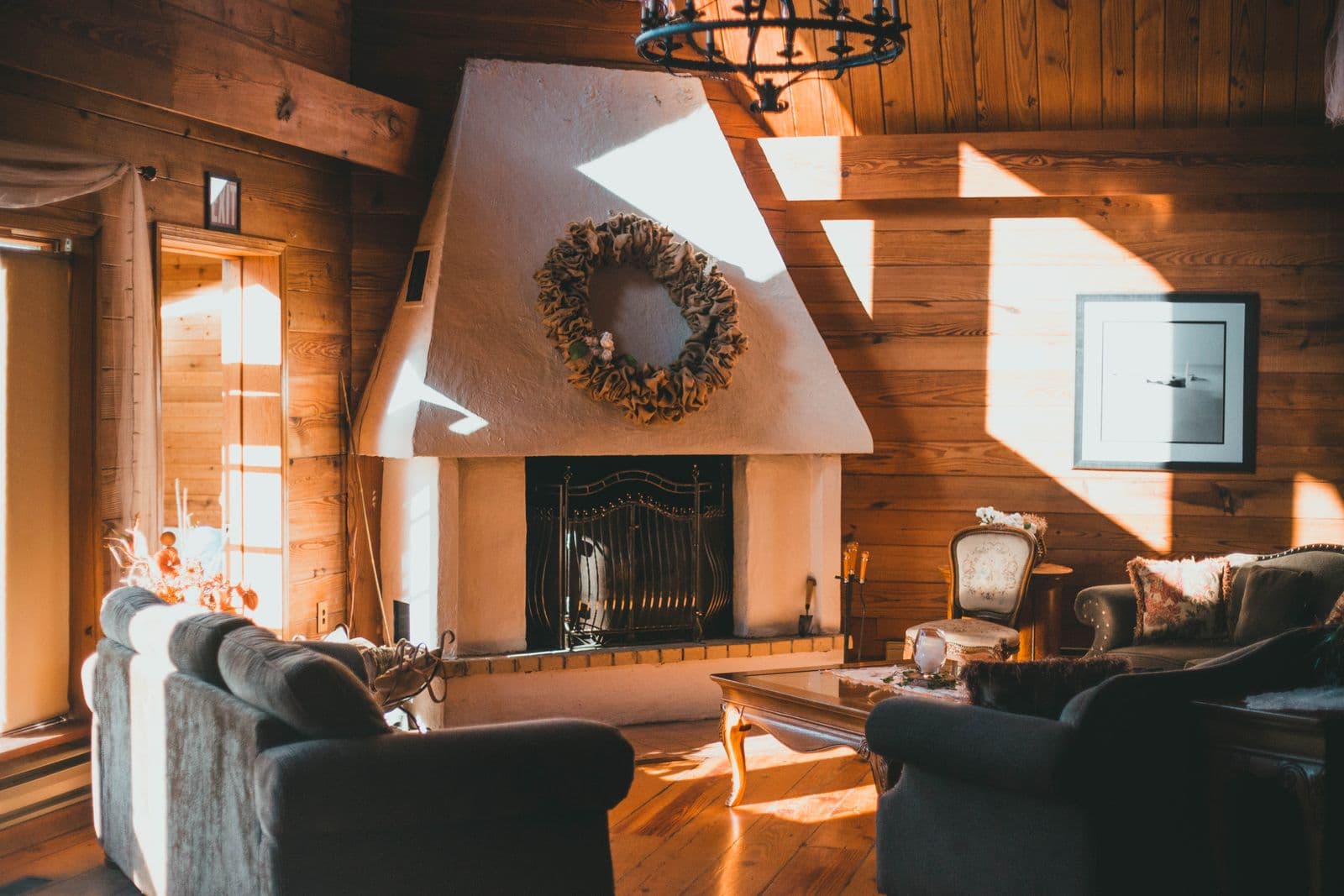
Seasonal chimney maintenance for Florida.
Spring cleaning questions, summer storm prep, fall readiness, and winter burning safety. A technician can visit and give you a free estimate.
Get a Free Estimate
Spring · Off-Season Reset
Clear winter residue and check visible exterior conditions
March – May
Why it matters: Spring can be a practical time to address conditions noticed during the burning season. Availability, weather, safe access, and the proposed scope determine actual scheduling.
- 1
Schedule cleaning when use, buildup, or the appliance guidance indicates it is due
- 2
Look from the ground for a shifted cap, crown cracks, or loose masonry; do not climb onto an unsafe roof
- 3
Check the fireplace for debris or signs of animals before using it again
- 4
Review the chimney’s service history before storm season
- 5
Test the damper before regular use resumes, without lighting a fire
- 6
Request a free estimate if visible chimney conditions have changed
Storm Prep
Ground-level checks before storms and careful review afterward
June – September
Why it matters: Wind-driven rain and storms can expose existing weaknesses. Do not climb onto a wet or damaged roof. If there is a fire, carbon-monoxide alarm, or gas emergency, leave the home and call 911 or the gas utility first.
- 1
Look from the ground for a loose or missing cap and visible flashing or crown damage
- 2
Arrange qualified tree work for branches that could strike the chimney
- 3
Keep your own dated photos of visible exterior condition
- 4
After severe weather, look for shifted masonry, fallen pieces, a missing cap, or new staining
- 5
Keep people away from loose masonry or a leaning chimney and seek appropriate help
- 6
For an active chimney leak, call and describe where and when water appeared
Before Regular Use
Review service history and prepare the fireplace
September – November
Why it matters: Homeowners often return to fireplace use when temperatures fall. Checking visible conditions before the first fire leaves time to address questions before regular use.
- 1
If the service history is unknown or conditions changed, arrange the appropriate evaluation before regular use
- 2
Address visible loose masonry, damaged firebox material, or venting concerns before lighting a fire
- 3
Test smoke and carbon-monoxide alarms according to their instructions
- 4
For gas appliances, follow the appliance instructions and use a qualified gas provider for service
- 5
For wood fireplaces, use suitable dry firewood and never burn treated, painted, or household waste
- 6
Confirm the damper opens and the fireplace area is clear before use
Active Use
Watch for changes while the fireplace is in use
December – February
Why it matters: During active use, changes in smoke, odor, flame, venting, or visible masonry deserve attention. Fire, carbon-monoxide, and gas hazards require emergency services or the gas utility first.
- 1
Stop use if smoke enters the room, the draft changes, or a new strong odor appears
- 2
Use a fireplace screen where appropriate for the system
- 3
Keep combustible household items away from the fireplace
- 4
Let ashes cool completely and place them in a covered metal container outdoors
- 5
Do not use a gas appliance that soots, smells of gas, or repeatedly shuts down
- 6
After unusual cold or severe weather, look from the ground for new visible exterior damage
Year-Round Habits
Six chimney habits every homeowner should keep year-round.
These simple habits can help you notice changes between professional visits. They do not replace an appropriate inspection or emergency response.
Smoke alarms
Test and replace them according to the device instructions and local fire-safety guidance.
Carbon-monoxide alarms
Install, test, and replace them according to the device instructions and local fire-safety guidance.
Cap and crown
Look from the ground for a missing cap, loose pieces, or new visible cracks. Do not climb an unsafe roof.
Fireplace odor
A new odor can have several causes, including moisture, residue, animals, or draft changes. Stop use if safety is uncertain.
Interior staining
New ceiling or wall staining near the chimney can point to water entry and should not be ignored.
Damper and appliance operation
Follow the appliance instructions and stop use when a component will not operate normally.
Seasonal Chimney FAQ
Seasonal chimney questions, answered.
When is the best time to schedule a chimney sweep?
How do I prep my chimney for storm season?
My chimney sat unused all summer. Do I still need an inspection?
What chimney damage should I look for after a major storm?
How often should I waterproof my chimney?
What is the best season to do chimney repair?
Do gas fireplaces need seasonal service like wood fireplaces?
My fireplace smells musty in summer. What does that mean?
When should I cover or close my chimney for the off-season?
How do I know if my chimney is ready for winter burning season?
Can I burn a fire in my fireplace year-round?
What seasonal maintenance keeps my homeowner insurance coverage in force?
Should I get a chimney inspection before buying or selling a home?
Free Seasonal Service Estimate
Book your seasonal chimney service.
Start with a free estimate visit from our family-owned company. Whichever season you are in, call (754) 328-2421 or submit the form.