Proudly American-Owned

Chimney & Fireplace Company in Lakeland, FL

Talk with chimney and fireplace specialists serving Lakeland about repair, sweeping, inspection, or installation. The technician estimate visit is free.

Free Lakeland Estimate

10% OFFFirst service

Family-Owned

A family-owned company serving Lakeland properties.

Proudly American-Owned

An American-owned chimney and fireplace company.

Free Estimate Visit

A technician can visit the property and provide a free estimate.

Chimney & Fireplace Company Serving Lakeland, Polk County

Lakeland pairs one of Polk County's best-preserved historic districts with fast new growth, which means everything from 1920s Dixieland brick chimneys to newer factory-built units along the I-4 corridor.

Name the symptom at the Lakeland address, then open the matching page: chimney repair in Lakeland, chimney sweeping, inspection, leak repair, cap replacement, crown repair, flashing repair, waterproofing, masonry repair, relining, rebuild, hurricane repair, gas fireplace repair, animal removal, or fireplace repair. The technician estimate visit is free.

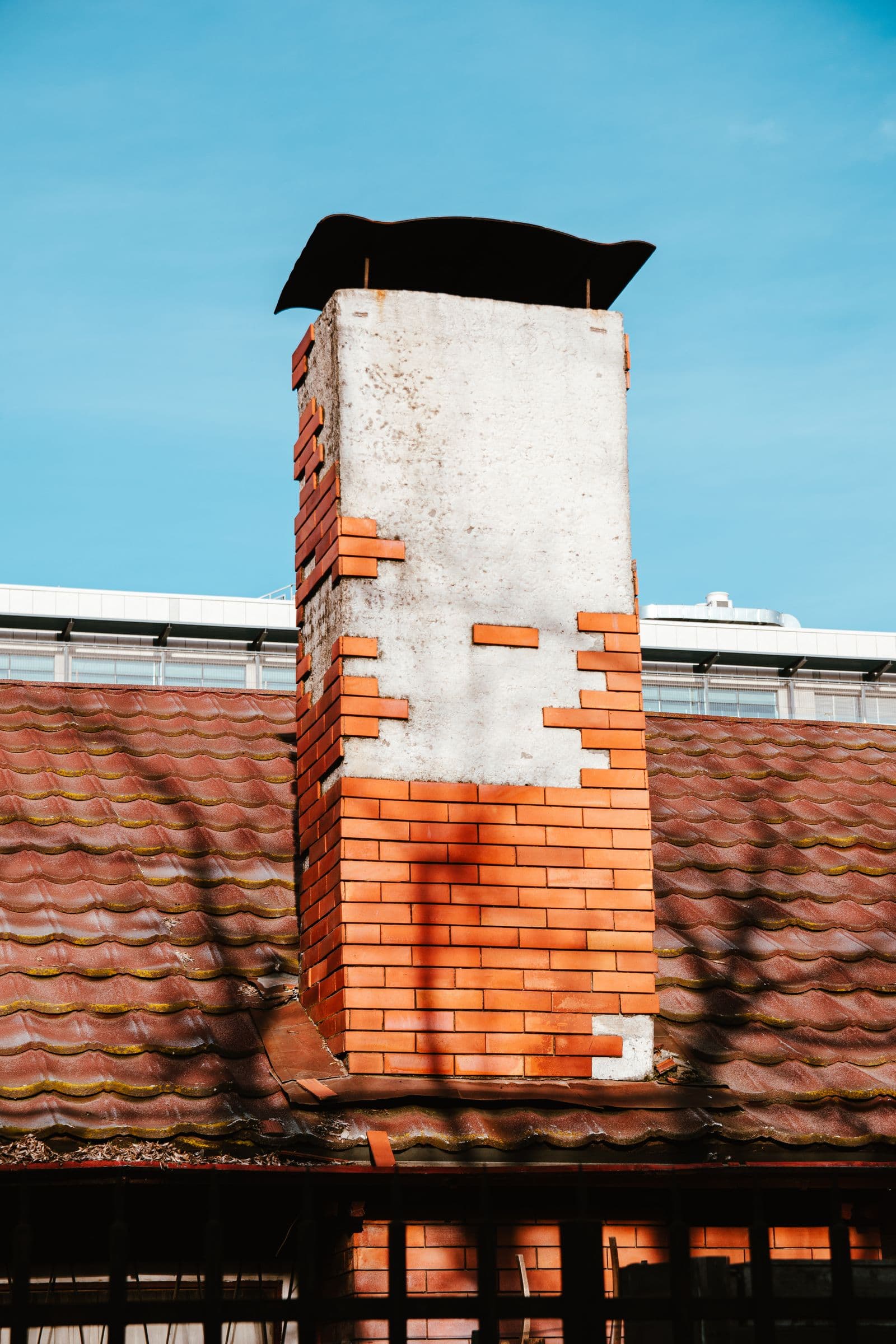
A red brick chimney rising above a rooftop

What happens next

How chimney and fireplace service works in Lakeland

The estimate visit is separate from any paid work, so you can review the estimate before deciding.

  1. Tell us what you are seeing

    Call or send the estimate form with the service or concern you want reviewed. Include your property's ZIP code in Lakeland.

  2. Get a free estimate visit

    A technician can visit the property and provide a free estimate for chimney or fireplace service.

  3. Approve the work before it begins

    Paid work requires a deposit. If you cancel after paying the deposit, the company retains it.

Understanding Lakeland properties

Two Lakelands, two kinds of chimneys

Ring the lakes near downtown (Dixieland, the Lake Morton area where the famous swans hold court, the Garden District) and you're in bungalow country: 1920s boom-era homes with real brick chimneys built when Lakeland was a young citrus-and-railroad city. This is some of the best-preserved historic fabric in Central Florida, in a town that also happens to host the world's largest single-site collection of Frank Lloyd Wright architecture at Florida Southern College. Craftsmanship is part of Lakeland's identity, and its old chimneys are a piece of it.

Salt exposure can accelerate corrosion of exposed chimney components. Rust staining or pitting deserves an assessment; replacement material, compatibility, specifications, and pricing should be evaluated for the particular system and stated in the estimate. See chimney-cap installation for service information.

The practical upshot: chimney work in this town is really two trades. Historic masonry restoration on one side of town, sheet-metal-and-flashing precision on the other. The chimney type and observed condition should be evaluated before any repair scope or materials are proposed.

Downtown ties the two together. Munn Park's historic district keeps Lakeland's early-1900s brick streetscape intact, and the city has been careful with its architectural inheritance in a way few Florida towns match. That preservation ethic matters for homeowners too: repairs in the historic neighborhoods are expected to respect original materials and looks, and a chimney patched with mismatched brick or smeared modern mortar stands out on these streets like a wrong note. Good masonry work here is quiet. You shouldn't be able to find it afterward.

Lake country humidity and Lightning Alley

Lakeland's name is literal (38 named lakes inside the city), and all that water keeps the air perpetually loaded. Masonry in lake country never really dries out between June and October: brick absorbs, mortar stays damp, and any crack in a crown or cap becomes a standing invitation. Moisture is the slow, patient force behind most of the chimney damage associated in Polk County.

The fast, violent force is lightning. The Tampa-to-Orlando corridor is among the most lightning-prone areas in the entire country, and Lakeland sits square in the middle of it. A chimney is often the tallest point on the house, and a strike, even a near one, can crack a crown, blow out mortar joints, or shift a cap. After any close hit, the chimney deserves a look from top to bottom, because lightning damage loves to hide until the next storm turns it into a leak.

Summer storms also do their ordinary daily work: wind-driven rain against the stack, water probing the flashing, debris slapping at the cap. By September, a chimney that entered June with a hairline crack has had a hundred storms' worth of water pushed through it. That's why the smart season for an inspection here is spring or early summer. Find the cracks before the rain finds them.

Humidity leaves fingerprints too. In the lake neighborhoods, the shaded north face of a chimney often grows a gray-green film of mildew and algae the sunny side never shows, and persistent damp softens old mortar joints ahead of schedule. It's mostly cosmetic, but it's also a marker of masonry that stays wet, and masonry that stays wet is masonry aging on fast-forward. A breathable repellent slows the whole process down considerably.

Keeping Dixieland-era brick standing proud

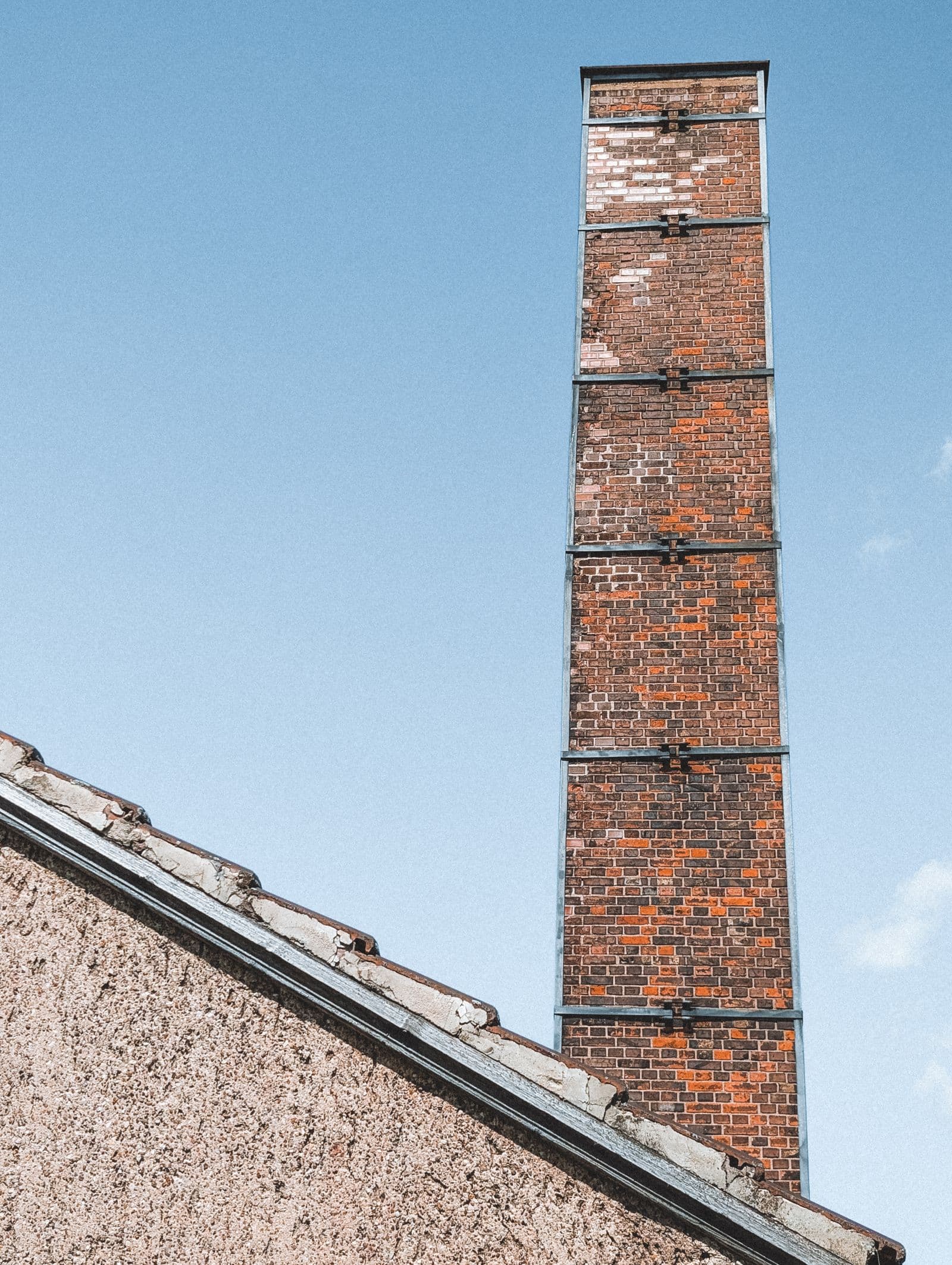
Lakeland's 1920s chimneys were laid with softer lime-based mortar than anything mixed today, and that difference is the single most important fact in repairing them. Repoint a bungalow chimney with hard modern Portland mortar and the repair outlives the brick. Literally: the rigid mortar traps moisture and stress, and the century-old brick faces spall off around it. Proper historic chimney masonry work matches mortar hardness, joint profile, and brick character so the repair disappears into the original.

Inside those chimneys, clay tile liners (where they exist at all) have often cracked or shifted after a hundred years of heat cycles and settling. An unlined or broken flue can pass heat and combustion gases into the home's structure, which is exactly the risk NFPA 211's annual-inspection guidance exists to catch. Chimney relining modernizes the flue's safety without touching the historic exterior.

And when a stack has simply weathered past saving above the roofline (leaning, spalled, mortar gone to sand), a partial rebuild takes it down to sound brick and rebuilds it to match. Done right, a Dixieland chimney comes back looking like it was always there, because respecting the neighborhood's character is half the job.

The leak season playbook

Chimney leaks here follow the rain calendar: quiet all winter, then ceiling stains bloom in July. The usual entry points are a cracked crown, flashing that's separated where chimney meets roof, a missing cap letting rain fall straight down the flue, or saturated brick wicking water inward. Because water travels along framing before it surfaces, the stain is often rooms away from the actual breach, which is why chimney leak repair starts with diagnosis, not caulk.

For the lake-adjacent and historic homes, a breathable water repellent is particularly worth it: it sheds storm rain while letting the old brick release the moisture it inevitably holds. Sealing old masonry with the wrong product (anything that traps vapor) actively hurts it. Done properly, chimney waterproofing plus a sound crown and cap takes a chimney off the summer casualty list, usually for years at a stretch.

Wind finishes what water starts. Summer squalls and the occasional crossing tropical system snatch loose caps, peel lifted flashing, and drop oak limbs on chimney tops around the older lakes. After any serious blow, a two-minute look from the yard (cap present, stack straight, nothing newly stained) is a habit worth keeping, and anything that looks off deserves a professional check before the next storm exploits it. For a chimney fire, suspected carbon monoxide or gas, an unstable chimney, or another immediate danger, leave the area and call 911 or the utility first.

Fireplace season, Central Florida style

Lakeland fireplaces work maybe a few dozen nights a year. Cold snaps roll through from December to February, the firewood comes out, and then the flue goes back to sleep for ten humid months. That idle stretch is when most problems develop: condensation mixing with old creosote into musty odors, dampers seizing, wildlife moving into uncapped flues. An annual rhythm of sweep and inspection in fall, before the first front, keeps the short season safe and pleasant.

The cadence that works in Polk County: masonry and waterproofing in the drier months, sweep and inspection before regular use resumes, and a ground-level look after severe weather. A technician can visit the property and give a free estimate.

Talk with our team

Need chimney and fireplace service in Lakeland?

Tell us what you are seeing and include your property's ZIP code. We will use those details to understand the service request.

Frequently Asked

Questions Lakeland Homeowners Ask About Chimney & Fireplace Service

My Dixieland bungalow chimney is losing mortar. Can it be repaired without ruining the look?
Yes, that's what proper historic repointing is. The failing joints are raked out and refilled with a lime-appropriate mortar matched to the original in hardness, color, and joint profile, so the repair blends in and the old brick stays healthy. Hard modern mortar on a 1920s chimney is the one thing to refuse; it damages the brick over time.
Lightning hit near my house. Should the chimney be checked?
A separately scoped chimney inspection may evaluate the flue and relevant components. A technician can visit the property and give a free estimate.
Why does my chimney only leak in summer?
Because that's when Lakeland gets its rain: a storm most afternoons from June through September, often wind-driven. A crown crack or flashing gap that stays dry all winter takes water a hundred times a season in summer. The fix starts with finding the true entry point; sealing the wrong spot just moves the stain.
What do chimney repairs typically cost in the Lakeland area?
Honest answer: it depends on which part of the chimney failed, and that is not something anyone can tell you over the phone. A cap swap and a crown that has to be re-cast are different jobs on the same chimney. What moves the number is roof access and stack height, the materials appropriate to the chimney and its exposure, how far the failure has already run, and whether several items can share one visit instead of three separate trips. A technician can visit the property and give a free estimate. Every approved paid job requires a deposit. If you cancel after paying the deposit, the company keeps it.
I barely use my fireplace. Is an annual inspection really necessary?
A technician can visit the property and give a free estimate.
Do new-construction homes with prefab fireplaces need chimney service too?
Yes. Factory-built systems can develop cap, chase-cover, flashing, venting, or component concerns. A technician can visit the property and give a free estimate.

Ready to schedule chimney service in Lakeland?

Tell us what you are seeing, include your property's ZIP code, and call to request a technician estimate visit.