
Chimney Cap Replacement in Lakeland, FL: Questions to Resolve Before Paid Work
A missing, loose, or deteriorated cap leaves the chimney opening exposed. Chimney cap replacement in Lakeland starts with identifying that opening: a masonry flue and a manufactured chimney termination do not necessarily use the same component. A cap is also different from the broad metal cover over a framed chase.
Choose a cap that suits the opening
The opening shape, mounting surface, exhaust passage, and existing system matter more than a cap that looks similar in a photograph. Screens and other features must suit the connected appliance rather than being assumed universal. Depending on the chimney, these details help distinguish compatible cap options from an unsuitable replacement:
- The number and shape of flue openings being covered
- The existing attachment surface and any damaged material beneath it
- Required exhaust space and compatibility with the connected appliance
- Material options, screen configuration, and access for future maintenance
How chimney cap installation needs are evaluated
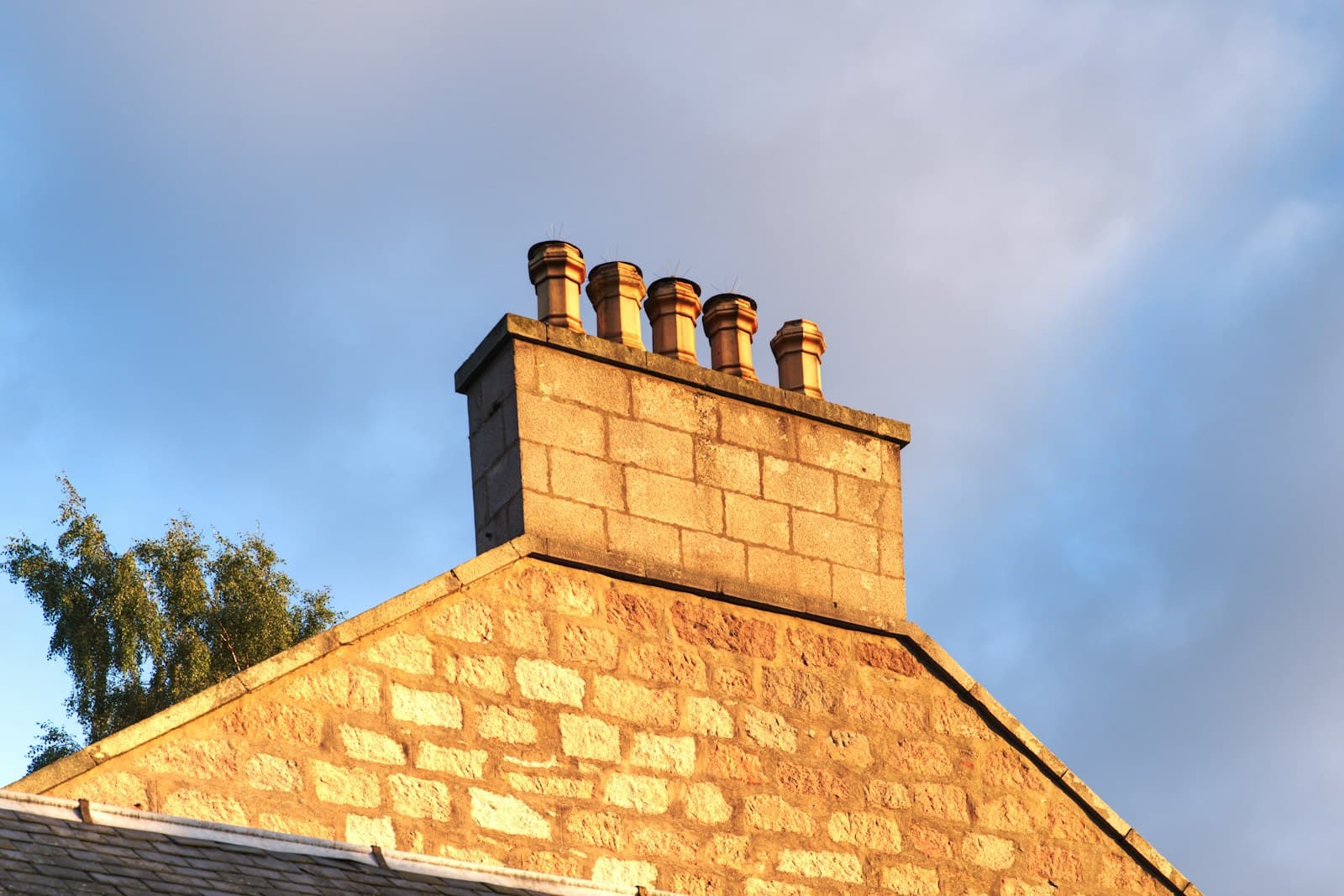
More than one flue on a crown changes the job entirely. A furnace or water-heater flue sitting beside the fireplace flue cannot share a lid unless the lid is high enough that neither exhaust re-enters the other, and a full multi-flue cover has to be fabricated to the crown's exact footprint with the flues located on it. On a Lakeland chimney that is a made-to-measure part, not something taken off a shelf, and it is priced accordingly.
Mesh size is a real decision rather than a detail. Too coarse and squirrels are through it; too fine and it blinds off with creosote, pollen or soot and the fireplace starts pushing smoke into the room. On a Lakeland wood-burning flue the mesh is also the spark arrestor, so it is sized as a compromise: coarse enough not to blind off with soot, fine enough to exclude animals and catch embers. A gas appliance producing almost no particulate can safely take a finer screen for better animal exclusion.
How the cap is anchored, and what changes the job
Scope grows when the crown needs attention first, when the flue tile is too short or too broken to clamp to, or when the chimney needs a multi-flue cover fabricated to its own footprint. It stays small and quick when there is one sound flue with adequate tile exposure and safe access to the top. Those two situations are told apart from the roof, which is why nothing on a Lakeland chimney gets quoted from the driveway.
Inland a cap earns its keep against rain volume and wildlife rather than corrosion. An uncapped flue on a Lakeland home takes water directly onto the smoke shelf and damper at every downpour, and the same opening is a ready-made cavity for squirrels, raccoons and chimney swifts. Mesh sizing and a lid wide enough to keep wind-driven rain off the tile are the specifications that actually matter in this exposure.