Fireplace use in St. Pete is honest about what it is: a handful of genuinely cool evenings between December and February, when a front crosses the bay and nighttime temperatures dip enough to justify a fire. Freezes are rare on the peninsula (the surrounding water sees to that), so the risk profile here is not creosote from heavy burning. It is everything else: salt, humidity, storms, and idle time. A flue that sits unused for ten months collects moisture, odor, and occasionally a nesting animal, which is why the musty summer fireplace smell is one of the most common calls in the city, and why animal-removal requests spike when raccoons and squirrels find an uncapped flue.
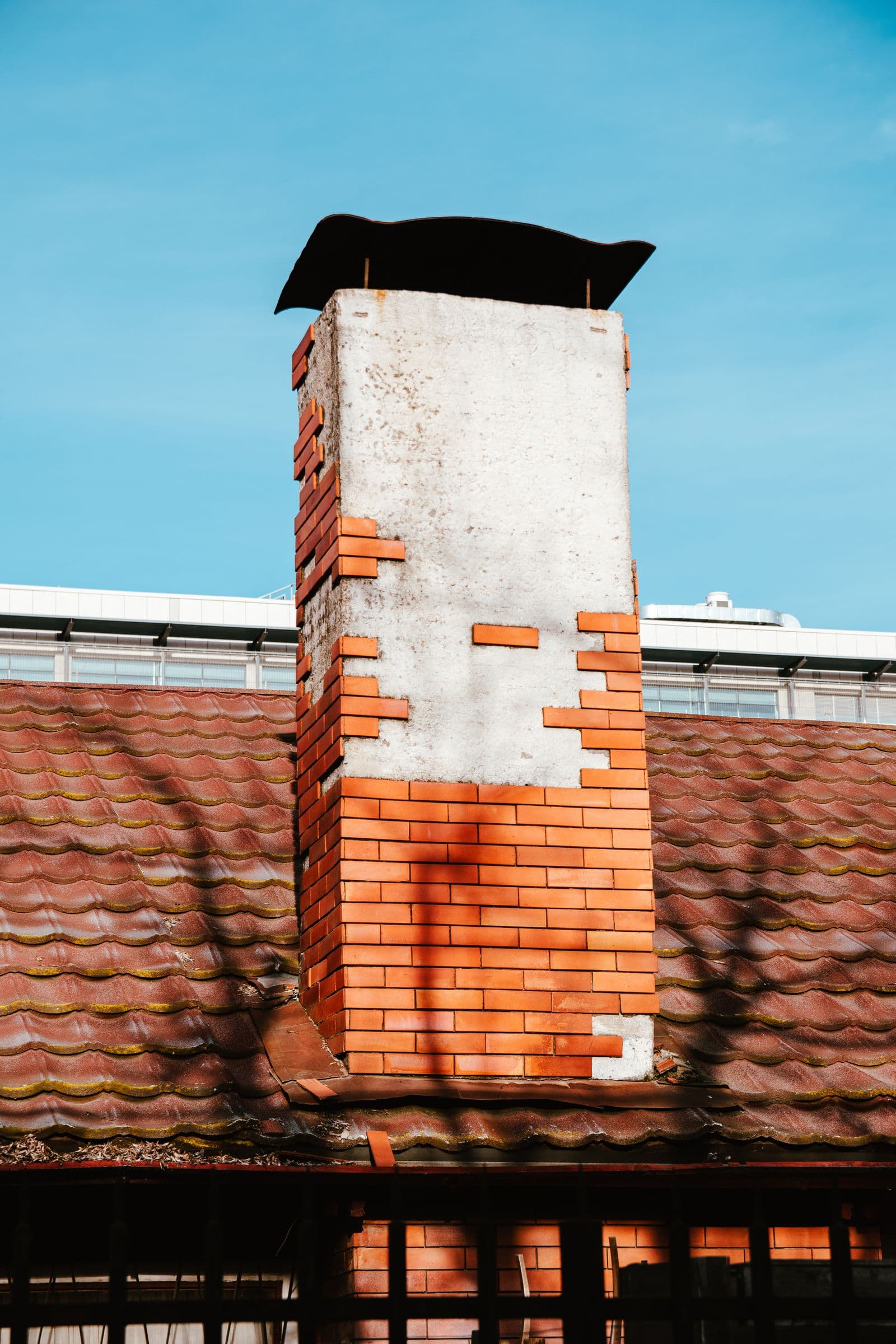
NFPA 211, the fire-safety standard for chimneys and fireplaces, recommends an annual inspection even for lightly used systems, and a marine climate is precisely the situation that guidance was written for: the deterioration happens whether or not you ever strike a match. An annual check, a chimney sweep when deposits or debris warrant it, and St. Petersburg chimney repair when the top, flashing, or masonry is the concern, is the whole program. It is not complicated, and it costs far less than reacting to whatever the rainy season reveals.
Call (754) 328-2421 or use the estimate form for a St. Petersburg visit. Mention whether the stack is Kenwood bungalow brick or a later peninsula chase, and whether rust or water showed after lightning-season rain.