
Proudly American-Owned

Chimney Animal Removal in St. Petersburg, FL

Need chimney animal removal in St. Petersburg? Chimney Animal Removal in St. Petersburg, FL starts with a free estimate visit based on the system and condition at the property.

10% OFFFirst service

Free St. Petersburg Estimate

Family-Owned

A family-owned company serving St. Petersburg properties.

Proudly American-Owned

An American-owned chimney and fireplace company.

Free Estimate Visit

A technician can visit the property and provide a free estimate.

Chimney Animal Removal in St. Petersburg, FL: Local Specialists and a Focused Service Plan

Chimney Animal Removal in St. Petersburg, FL depends on the installed system, current condition, access, and exposure. The proposed work should follow what is actually observed at the property. St. Petersburg is one of Florida's larger cities, home to roughly 258,000 residents across Pinellas County, so chimney and fireplace work here spans everything from historic masonry to newer construction.

Chimney animal removal in St. Petersburg clears the raccoons, birds, and squirrels that treat an uncapped flue as shelter.

Remove, clean, then exclude

Animal-removal scope depends on the species, nesting material, access, chimney condition, and applicable wildlife rules. A compatible cap may be considered after assessment.

  • Possible work item, depending on the property: Odor and droppings cleaned out
  • Possible work item, depending on the property: Humane removal of the animal
  • Possible work item, depending on the property: Nest and debris cleared from the flue
  • A technician visit and estimate at no charge

Signs you may need chimney animal removal: Scratching or chirping in the chimney, a strong odor, or debris appearing in the firebox usually means something has moved in.

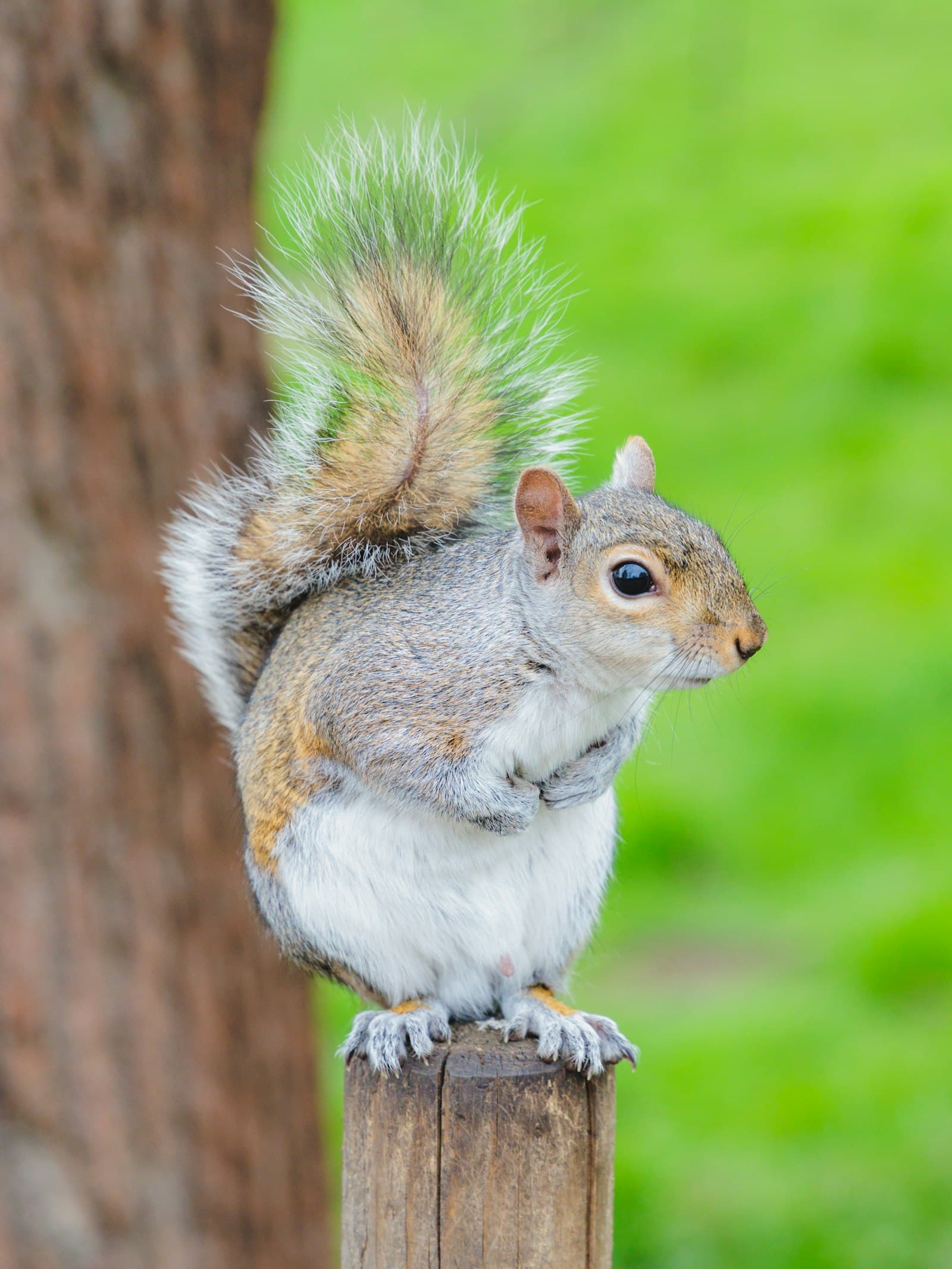
An eastern gray squirrel, a species that commonly falls into open flues

What happens next

How the chimney animal removal estimate process works in St. Petersburg

The estimate visit is separate from any paid work, so you can review the estimate before deciding.

  1. Tell us what you are seeing

    Call or send the estimate form with the service or concern you want reviewed. Add the St. Petersburg ZIP code if you know it.

  2. Get a free estimate visit

    A technician can visit the property and provide a free estimate for chimney animal removal. No deposit is required for that visit.

  3. Approve the work before it begins

    Paid work requires a deposit. If you cancel after paying the deposit, the company retains it.

Chimney Animal Removal details for St. Petersburg

What chimney animal removal in St. Petersburg actually involves

Uncapped St. Petersburg flues are prime nesting spots for birds, squirrels, and raccoons, and the nests they leave block the flue, carry parasites, and stay a fire hazard until cleared.

St. Petersburg sits within about 2 miles of the Florida coast, so salt-laden air is relevant when compatible material options are considered.

A flue standing open, or wearing a friction-fit lid, is an entry route, and identifying what got in comes before removing it. Chimney swifts are protected under the federal Migratory Bird Treaty Act, so an active nest stays and the work becomes wait, then cap. Florida bat maternity season runs 16 April to 14 August, and FWC prohibits exclusion during it. A squirrel that drops down a slick flue cannot climb out; a raccoon with kits will not leave on her own. Protected-species handling belongs to a wildlife professional familiar with applicable rules. After legally required wildlife handling is complete, an on-site assessment can identify nesting material, chimney damage, and whether a fitted cap is appropriate; the proposed scope is confirmed separately.

Sound, time of day, odor, and visible nesting material can narrow the possibilities before anything is opened, but they do not identify a species or authorize removal. Scratching that moves through the flue, activity confined near the smoke shelf, or high chirping at dawn and dusk can point to different animals. Flies or a strong odor can indicate a separate sanitation concern. Keep the damper closed so an animal is not released indoors, and have wildlife-handling requirements determined before chimney cleanup or capping is proposed on a Pinellas County stack.

Chimney Animal Removal details for a St. Petersburg property

For chimney animal removal at a St. Petersburg property, begin with the observed condition rather than a repair conclusion based on one photograph. Do not light the fireplace to drive an animal out; heat and smoke can injure wildlife and push it farther into the structure. Note whether sounds come from the flue, smoke chamber, firebox, or framed chase and whether an animal or nesting material is visible. At a coastal Pinellas County property, salt-laden air and storm rain can affect exposed surfaces, but exposure alone does not identify the needed work. Before the estimate visit, note changes after rain or operation, prior repairs, fuel type, and any model label that can be reached without taking the unit apart. This property-specific information helps keep the estimate focused on the reported concern rather than a generic service checklist for every home in the city.

Talk with our team

Need chimney animal removal in St. Petersburg?

Tell us what you are seeing and add the ZIP code if you know it. We will use those details to understand the service request.

More in St. Petersburg

Other chimney & fireplace services in St. Petersburg.

Not sure what is up there?

Most St. Petersburg calls start with a sound, a smell, or something turning up in the firebox, and each one narrows what it is. Two of them change what can lawfully be done before anyone touches the flue.

Read the full signs table: what you are hearing, and what it means →

Ready to request chimney animal removal in St. Petersburg?

Call to discuss the chimney animal removal concern at your St. Petersburg property.