Proudly American-Owned

Chimney & Fireplace Company in Eustis, FL

Need chimney repair, fireplace service, cleaning, or restoration in Eustis, FL? Start with a free estimate visit from a technician.

Free Eustis Estimate

10% OFFFirst service

Family-Owned

A family-owned company serving Eustis properties.

Proudly American-Owned

An American-owned chimney and fireplace company.

Free Estimate Visit

A technician can visit the property and provide a free estimate.

Reliable Chimney Repair & Fireplace Service in Eustis, FL

Eustis is one of Lake County’s original lakefront towns, with older flues near the historic core and newer chase-built systems toward the city edges.

Name the symptom at the Eustis address, then open the matching page: chimney repair in Eustis, chimney sweeping, inspection, leak repair, cap replacement, crown repair, flashing repair, waterproofing, masonry repair, relining, rebuild, hurricane repair, gas fireplace repair, animal removal, or fireplace repair. The technician estimate visit is free.

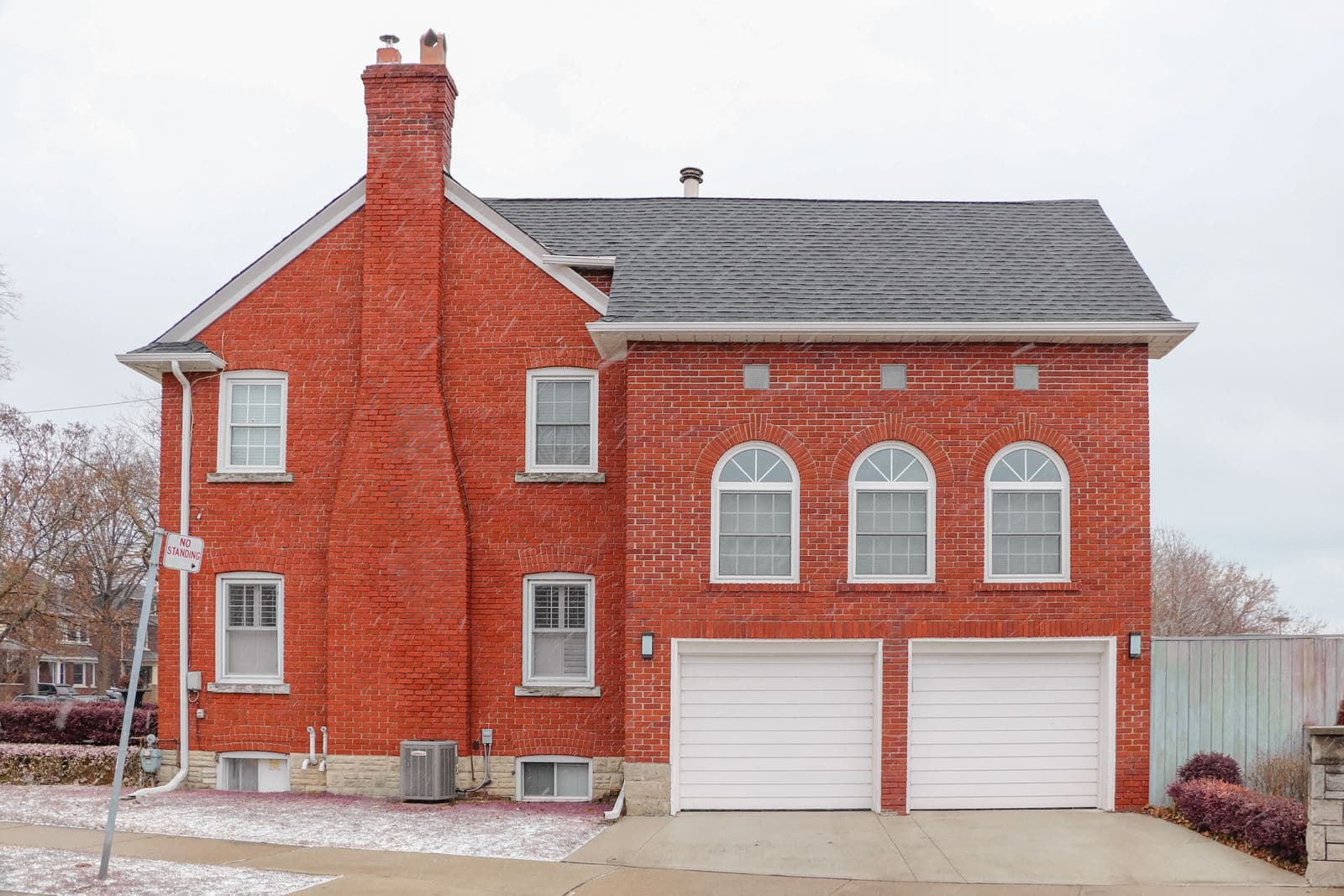
A red brick house with a chimney

What happens next

How chimney and fireplace service works in Eustis

The estimate visit is separate from any paid work, so you can review the estimate before deciding.

  1. Tell us what you are seeing

    Call or send the estimate form with the service or concern you want reviewed. Include your property's ZIP code in Eustis.

  2. Get a free estimate visit

    A technician can visit the property and provide a free estimate for chimney or fireplace service.

  3. Approve the work before it begins

    Paid work requires a deposit. If you cancel after paying the deposit, the company retains it.

Understanding Eustis properties

One of Lake County’s oldest towns, with the chimneys to prove it

Eustis grew up on the shore of Lake Eustis in the late 1800s, and the town still carries that era proudly: a walkable historic downtown, the lakefront around Ferran Park, and GeorgeFest, a Washington's-birthday celebration the town has kept going for well over a century. It's the kind of place where a house can be older than the state road that runs past it, and where people restore things rather than replace them.

That heritage shows up on rooftops. The historic core holds homes from the Victorian and early-1900s eras, many with their original brick chimneys, built by hand, long before modern flue liners and today's building codes existed. They've stood through a hundred summers of storms, which says something about the workmanship. It also means a hundred years of Florida weather has been working on the mortar the whole time.

The setting adds its own character: Eustis sits on the Harris Chain of Lakes, in the gently rolling country of central Lake County, higher and hillier than most outsiders expect Florida to be. Water on one side, hills behind, and a climate that swings from foggy lake mornings to blazing afternoons puts masonry through more wet-dry cycling here than in flatter, drier parts of the state, and wet-dry cycling is what ages mortar fastest.

Owning one of these chimneys isn't a burden; it's mostly a matter of matching the maintenance to the construction. Old masonry wants gentle, compatible repairs, and it rewards them by lasting another generation.

Lake Eustis moisture and century-old mortar

Lakefront humidity is relentless in Eustis. Fog off the water, muggy summer afternoons, and a daily storm pattern from June into September keep older masonry damp far more often than dry. The lime-rich mortar used in early-1900s chimneys is softer and more absorbent than modern mixes, so it erodes first: joints go sandy and recessed, and eventually brick faces begin to flake and pop, a failure masons call spalling.

That compatibility decision belongs in the observed scope for chimney masonry work.

There's one more quirk of old construction worth knowing: many chimneys from that era were finished with a simple mortar wash across the top instead of a true, overhanging crown. A mortar wash cracks early and sheds water poorly, so on a century-old chimney the top surface is very often the main leak source. Rebuilding it as a proper crown (sloped, overhanging, with a drip edge) solves a problem the original builders never knew they were leaving behind.

Once the joints are sound, a breathable water repellent is the best insurance an old Eustis chimney can buy. Unlike paint-on sealers that trap moisture inside the wall, a vapor-permeable waterproofing treatment lets the masonry exhale while shedding the daily rain.

Old flues, modern safety: why relining matters here

Many pre-war chimneys in Eustis were built unlined, or with clay tiles that have since cracked and separated at the joints. An unlined or damaged flue can let heat and combustion gases reach framing and interior walls. The risk isn't visible from the hearth, which is exactly the problem.

The fix doesn't require tearing the chimney down. Relining installs a modern liner inside the original masonry, giving smoke and heat a sealed path out while keeping the historic chimney intact and looking exactly as it always has. For an old Eustis home, it's the single upgrade that turns a decorative fireplace back into a working one.

There's a comfort payoff too, not just a safety one. Old flues in humid lake towns are where the classic summer fireplace smell comes from: damp air meeting decades of absorbed creosote in porous masonry. A sealed liner, a cleaned flue, and a damper that actually closes take an old fireplace from something you smell in August to something you only notice on the December nights you want it.

A separately scoped chimney inspection may evaluate the flue and relevant components. A technician can visit the property and give a free estimate.

Newer Eustis neighborhoods have a different checklist

Eustis isn't only historic homes. The town has grown along its edges, and houses from the 1990s onward are mostly concrete-block construction, many with factory-built fireplaces inside framed, sided chases instead of true masonry chimneys. Different construction, different failure points.

On those homes, the usual culprits are up top: a thin metal chase cover that rusts through and streaks the siding, a builder-grade cap that loosens or blows off in a storm, and wind-driven rain finding the seams. None of it is exotic, and caught early, most of it is a quick, contained repair rather than a project.

Newer homes also bring gas fireplaces into the picture, and it's a common misconception that gas means maintenance-free. Gas units still vent through a flue, still depend on caps and covers to keep water and animals out, and still deserve a place on the annual checklist. The problems are just quieter than a wood-burner's until they aren't.

Hurricane season, June through November, is the stress test for both kinds of chimney. A pre-season check of the cap, cover, crown, and flashing (plus a walk-around after any named storm passes through Lake County) is the cheapest storm insurance a homeowner can get.


Why Eustis homeowners call us

Timing-wise, the smart Eustis calendar is simple. Spring is for the pre-hurricane-season check, summer is for fixing what the inspection found while the fireplace sits idle anyway, and early fall (before the first cold front fills the schedule) is for the annual inspection and any sweeping the flue actually needs. Follow that rhythm for a few years and the expensive surprises largely stop happening.

The assessment documents visible conditions solely to prepare an estimate; it is not a free formal inspection.

Talk with our team

Need chimney and fireplace service in Eustis?

Tell us what you are seeing and include your property's ZIP code. We will use those details to understand the service request.

Frequently Asked

Eustis Chimney Repair & Fireplace Service Questions

My Eustis home was built before 1930. Is the original fireplace safe to use?
It can be, but have it inspected before the first fire. Many chimneys from that era were built unlined or with clay tiles that have cracked over the decades, and the risk hides inside the flue where you cannot see it. If the liner has failed, relining makes the original chimney safe to use again without changing how it looks.
What is spalling brick, and why do I see it on older chimneys around the lake?
Spalling is when the face of a brick flakes or pops off, and it is a moisture problem: humid lakefront air and daily summer rain soak into soft old mortar and brick, and the trapped water slowly breaks the surface apart. Repointing the joints and applying a breathable water repellent stops the cycle before bricks need replacing.
Do you reline old clay-tile flues?
Yes. Relining is one of the most common jobs in historic Lake County homes. A modern liner goes inside the existing masonry, sealing gaps and giving combustion gases a safe path out, while the original chimney stays untouched outside. It is the standard way to make a pre-war fireplace usable again.
We only light a fire a few nights each winter. Do we really need an annual inspection?
NFPA 211 recommends an annual inspection regardless of burn frequency. A separately scoped chimney inspection may evaluate the flue and relevant components; exact scope, deliverables, timing, and pricing are confirmed separately. Sweeping need depends on the deposits and observed condition.
A leak showed up during a summer storm. How fast can you get here?
For a chimney fire, suspected carbon monoxide or gas, an unstable chimney, or another immediate danger, leave the area and call 911 or the utility first. Summer-storm leaks usually trace to the crown, cap, or flashing, so most turn out to be focused, fixable repairs.

Ready to schedule chimney service in Eustis?

Tell us what you are seeing, include your property's ZIP code, and call to request a technician estimate visit.