Proudly American-Owned

Chimney Repair in Daytona Beach, FL | Free Estimate

Compare chimney repair and fireplace service options for your Daytona Beach property with a technician at a free estimate visit.

Free Daytona Beach Estimate

10% OFFFirst service

Family-Owned

A family-owned company serving Daytona Beach properties.

Proudly American-Owned

An American-owned chimney and fireplace company.

Free Estimate Visit

A technician can visit the property and provide a free estimate.

Professional Chimney & Fireplace Service for Daytona Beach Homes

Daytona Beach is split by the Halifax River: the beachside strip along the World's Most Famous Beach on one side, the mainland and the Speedway's growing west side on the other. Which bank of the river your chimney stands on decides most of what goes wrong with it.

Name the symptom at the Daytona Beach address, then open the matching page: chimney repair in Daytona Beach, chimney sweeping, inspection, leak repair, cap replacement, crown repair, flashing repair, waterproofing, masonry repair, relining, rebuild, hurricane repair, gas fireplace repair, animal removal, or fireplace repair. The technician estimate visit is free.

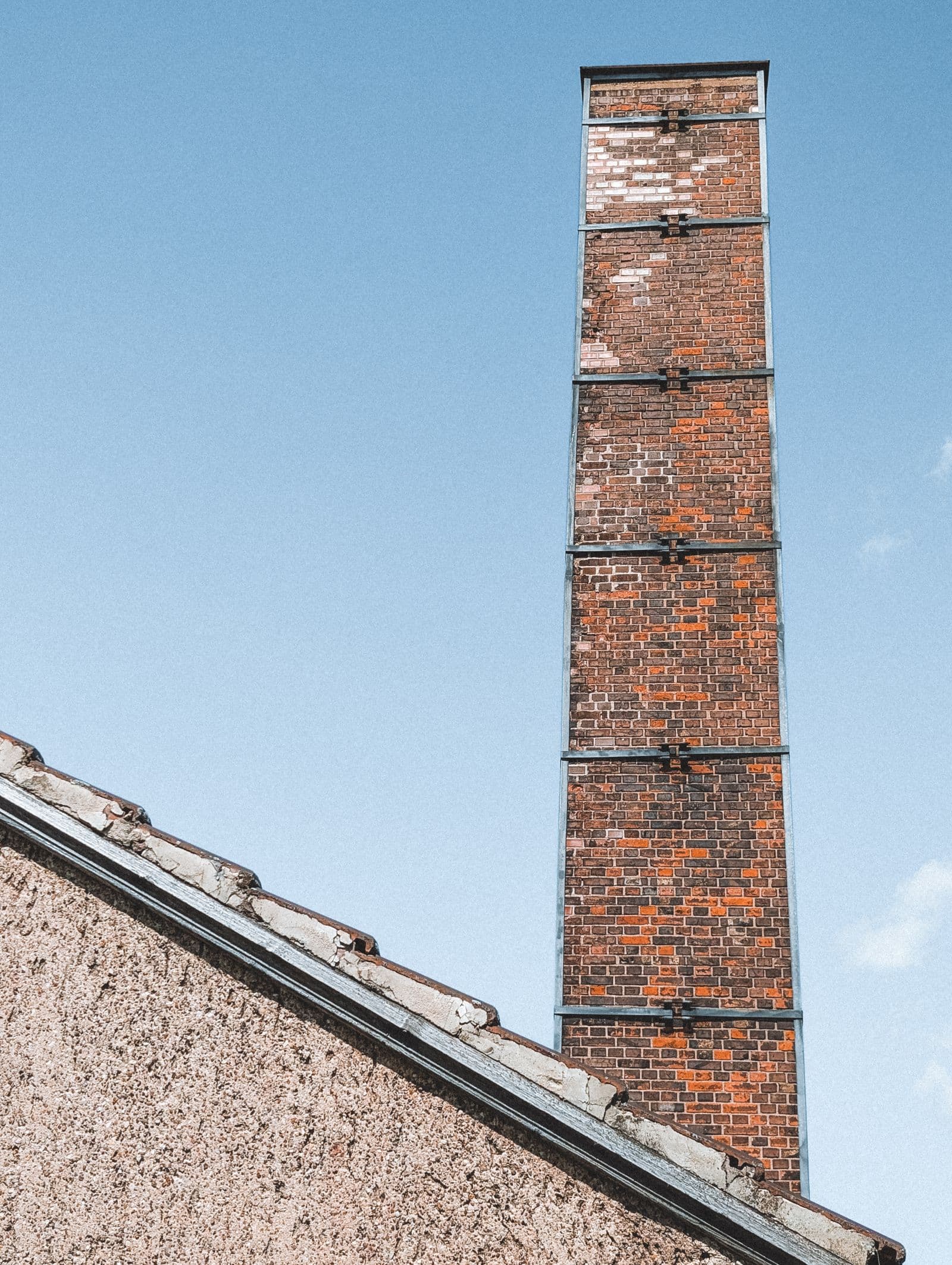
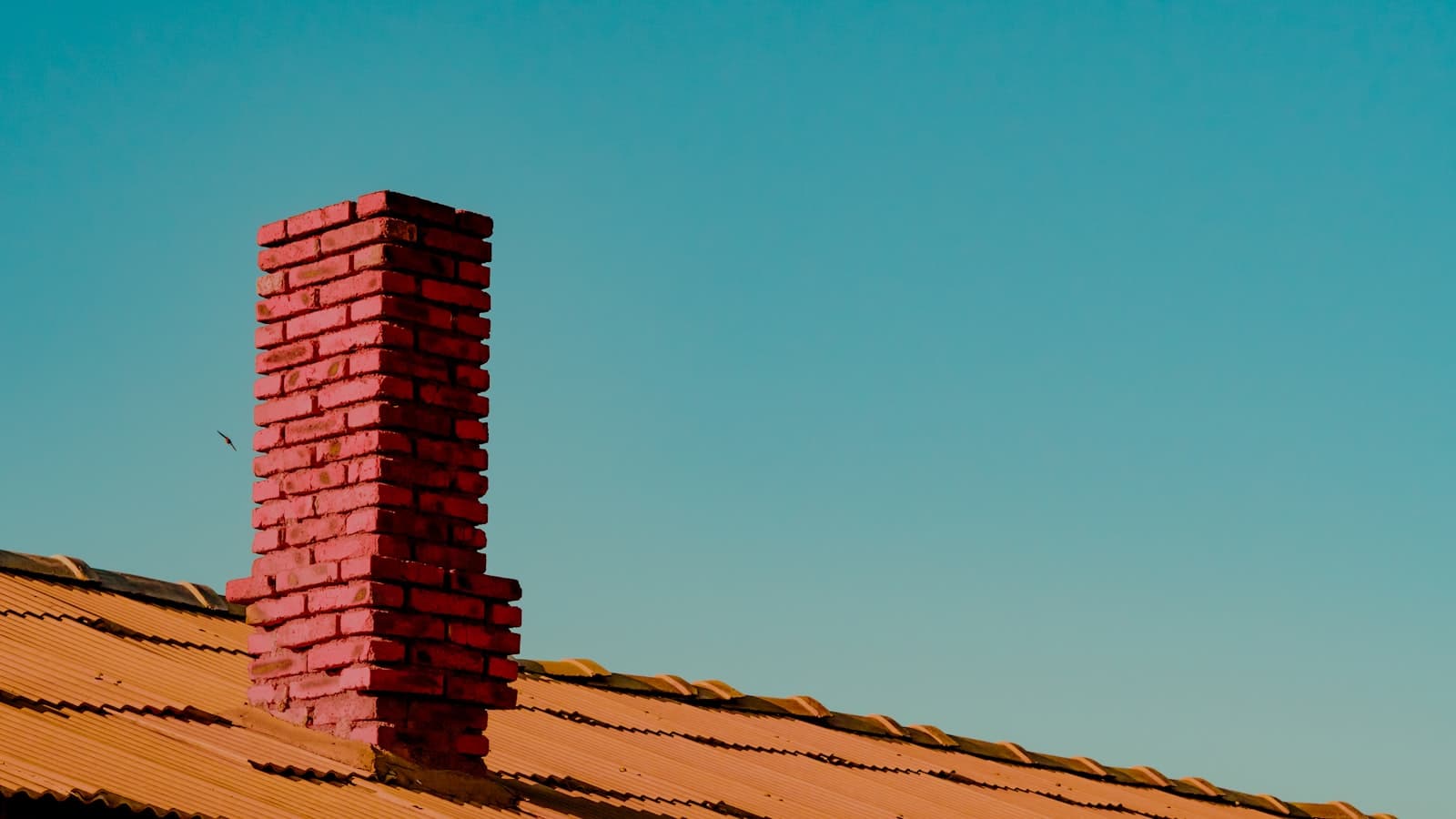
A red brick chimney rising above a rooftop

What happens next

How chimney and fireplace service works in Daytona Beach

The estimate visit is separate from any paid work, so you can review the estimate before deciding.

  1. Tell us what you are seeing

    Call or send the estimate form with the service or concern you want reviewed. Include your property's ZIP code in Daytona Beach.

  2. Get a free estimate visit

    A technician can visit the property and provide a free estimate for chimney or fireplace service.

  3. Approve the work before it begins

    Paid work requires a deposit. If you cancel after paying the deposit, the company retains it.

Understanding Daytona Beach properties

Salt air on the beachside: the Atlantic never takes a day off

Salt exposure can accelerate corrosion relative to inland conditions, so component condition should be assessed rather than inferred from age alone.

is generally more corrosion-resistant than galvanized material, but suitability, specifications, and pricing are confirmed in writing

Masonry is not exempt. Salt carried into porous brick crystallizes as the wall dries, and over years that pressure helps pop brick faces and crumble mortar joints. Coastal spalling is a real pattern, not a sales line. And the salt influence does not stop at the beach ramps: mainland Daytona sits close to tidal water too, so homes well inland of A1A still live in a saltier environment than most of Florida. The closer to the water, the shorter every maintenance interval gets.

Old mainland brick, post-war block, and the new west side

Daytona Beach has been a resort town for over a century, and much of the older housing near the core (on both sides of the river) dates to the first half of the twentieth century. Chimneys from that era are genuine masonry: brick laid in softer, lime-rich mortar, often with clay tile liners that have since cracked or shifted, and sometimes with no liner at all. Repointing old brick with a hard modern Portland mix traps moisture and destroys the faces within a few years, so proper chimney masonry work here means matching mortar hardness and joint style, not just filling gaps.

Older flue liners can crack or shift where the condition is not visible from the room. Whether relining or another repair is appropriate depends on a separately scoped inspection and system compatibility; any proposed recommendation depends on the condition at the property.

The rest of the city tells a different story. The post-war neighborhoods are largely concrete block, and the newer subdivisions spreading west toward I-95 are mostly modern construction with factory-built fireplaces housed in framed, sided chases. Those systems fail at the top (rusted chase covers, missing caps, rain entry at the chase), and they fail faster here because of the salt. Two very different trades, one city: careful masonry on the old streets, sheet-metal precision on the new ones. The chimney type and observed condition should be evaluated before any repair scope or materials are proposed.

Hurricane season and the east-coast blow

From June through November, Daytona Beach faces the tropics from the exposed side of the state. Recent hurricane seasons have pushed storms close enough to Volusia County to strip shingles, flood streets, and carve away dune line, and a chimney is the tallest, most exposed thing on the roof when that weather arrives. Gusts work caps loose, lift flashing that was already tired, and drive rain horizontally into mortar joints and siding seams that ordinary vertical rain never tests.

The Atlantic coast adds a second season most of Florida skips: the fall and winter onshore blows, when a stalled system parks a stiff east wind over the coast and pushes spray and rain at the beachside for days at a stretch. That long, sideways soaking finds every weak point a five-minute thunderstorm misses. It is exactly the weather that turns a hairline crown crack or a lifted flashing edge into a stained ceiling two rooms away, and chimney leaks almost never show up at the chimney. Chimney leak repair starts with finding the true entry point, because sealing the wrong spot just reroutes the water.

Prevention is straightforward and worth doing before the wet season, not after. Sound flashing, an intact crown, a secure cap, and a breathable water repellent on the brick (chimney waterproofing that sheds rain while letting trapped vapor escape) close off the routes water actually uses. After any storm passes close, a two-minute look from the ground is a good habit: anything shifted, missing, or newly stained on the stack deserves professional eyes before the next system lines up.

Burn season in Daytona: short, real, and easy to be ready for

Daytona Beach winters are gentle by national standards, but this coast still gets real cold fronts: overnight temperatures drop into the 40s with regularity and occasionally lower, and when they do, fireplaces that have sat idle since spring suddenly burn for several nights straight. That burst pattern is exactly what catches homeowners out: a flue that quietly collected creosote, moisture, and sometimes a nest all year announces its problems on the first genuinely cold evening, when every sweep in Volusia County is already booked.

The fix is timing. A proper Daytona Beach chimney sweep in October or November clears last season's deposits and confirms the damper, smoke chamber, and flue are ready before the first front arrives. The other nine months matter too: coastal humidity held inside a closed flue is what produces the musty summer fireplace smell, corrodes damper and firebox parts, and makes an uncapped flue an attractive nesting spot. An annual once-over catches all of it while each item is still small.

Straight answers, Daytona style

A technician can visit the property and give a free estimate.

Talk with our team

Need chimney and fireplace service in Daytona Beach?

Tell us what you are seeing and include your property's ZIP code. We will use those details to understand the service request.

Frequently Asked

Before Hiring a Chimney Company in Daytona Beach: Common Questions

Does salt air really shorten chimney life in Daytona Beach?
Salt exposure can accelerate corrosion of exposed chimney components. Rust staining or pitting deserves an assessment; replacement material, compatibility, specifications, and pricing should be evaluated for the particular system and stated in the estimate.
How often should a Daytona Beach fireplace be swept and inspected?
NFPA 211 guidance is an inspection every year, with sweeping whenever deposits warrant it. Daytona's burn season is short but real, and the coastal environment adds corrosion and storm wear that inland homes skip, so the annual rhythm genuinely fits here. Book it in early fall, before the first cold front fills every schedule in Volusia County.
Are beachside and mainland Daytona chimney problems actually different?
Different enough to change the job. Beachside systems fight salt above all (corroded caps, chase covers, and flashing), while older mainland and core neighborhoods lean toward masonry issues: soft-mortar repointing, cracked clay liners, aging crowns. Newer west-side subdivisions mostly need cap and chase-top work on factory-built fireplaces. The right pro shows up knowing which of those three houses yours is.
What should I check after a hurricane or tropical storm passes Volusia County?
From the ground, look for anything shifted, leaning, or missing on the stack: a cap gone, flashing lifted, new staining on brick or siding near the chimney. Inside, check ceilings near the chimney chase for fresh stains over the following week, since wind-driven rain damage often shows up on a delay. Anything that looks wrong deserves professional eyes before the next system arrives.
What do chimney repairs in Daytona Beach usually cost?
Honest answer: it depends on which part of the chimney failed, and that is not something anyone can tell you over the phone. A cap swap and a crown that has to be re-cast are different jobs on the same chimney. What moves the number is roof access and stack height, the materials appropriate to the chimney and its exposure, how far the failure has already run, and whether several items can share one visit instead of three separate trips. A technician can visit the property and give a free estimate. Every approved paid job requires a deposit. If you cancel after paying the deposit, the company keeps it.

Ready to schedule chimney service in Daytona Beach?

Tell us what you are seeing, include your property's ZIP code, and call to request a technician estimate visit.