Fireplace Repair in Daytona Beach, FL: What Top-Notch Service Should Address
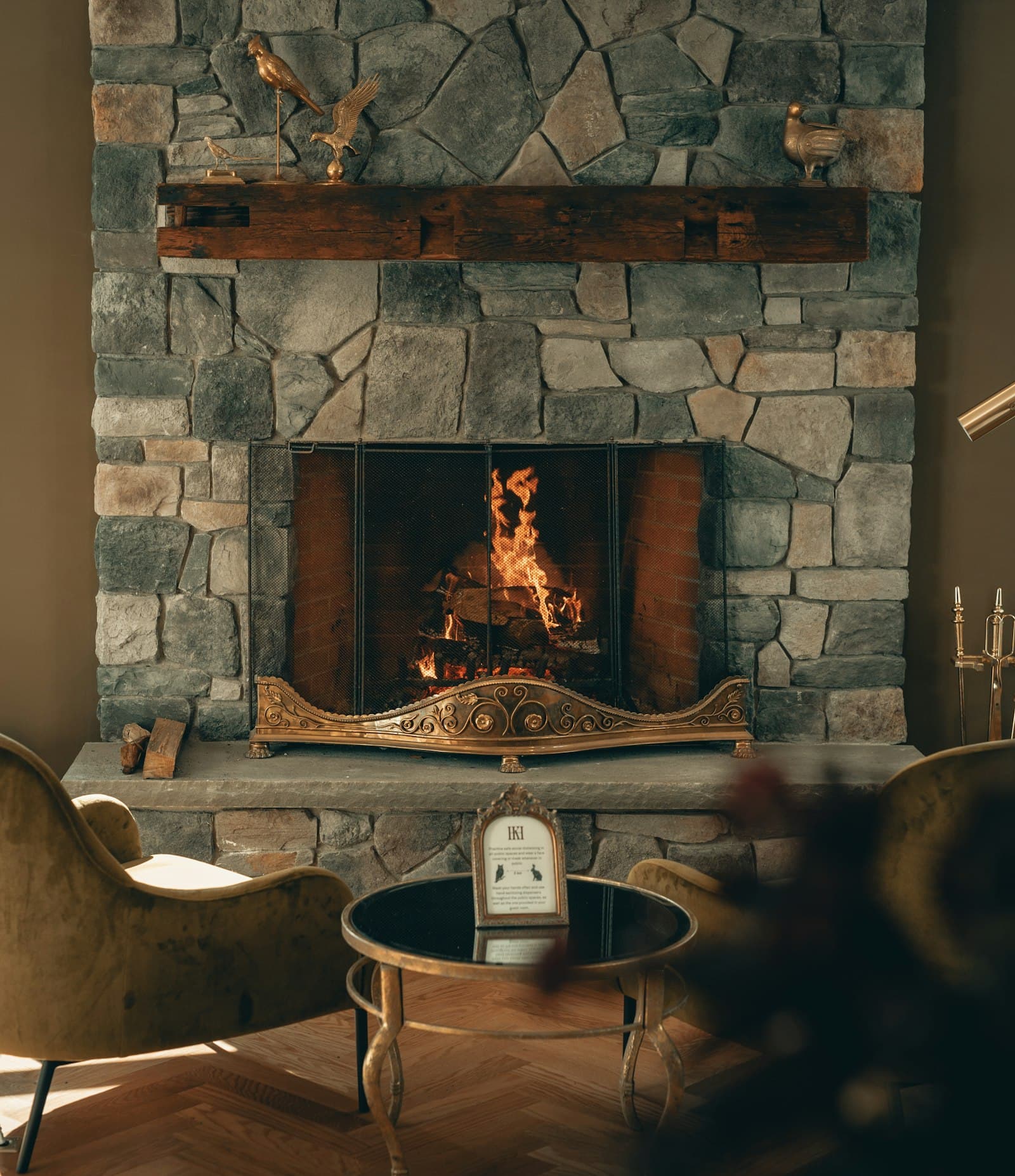
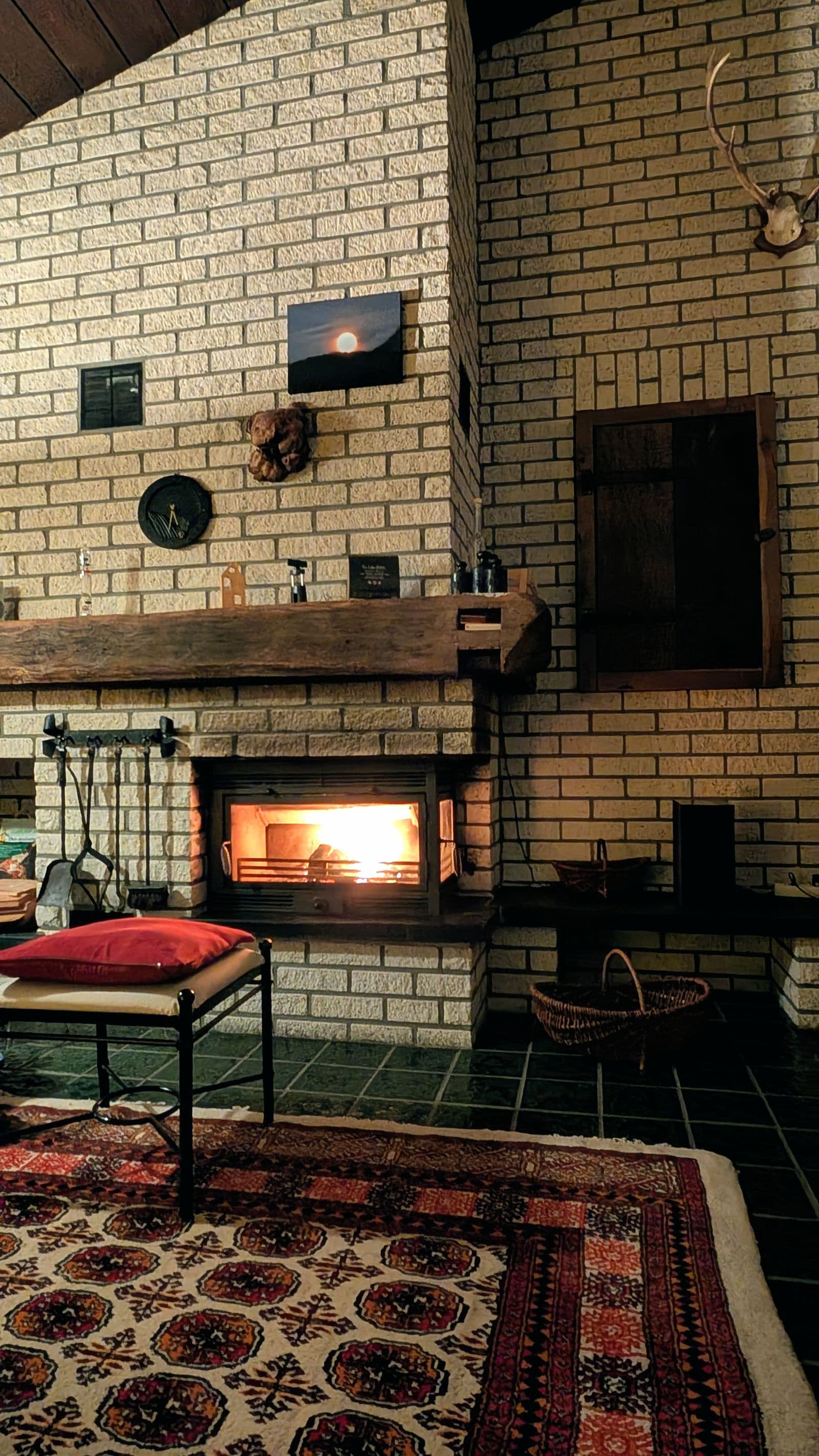
Fireplace repair in Daytona Beach can concern the parts inside the room rather than the chimney exterior: a damaged firebox, worn panels, a stuck damper, broken doors, or an operating fault. Identify whether the unit burns wood or gas and whether it is masonry, a manufactured fireplace, or an insert.
Identify the fireplace before choosing replacement parts
Similar-looking fireplaces can use different panels, glass, doors, controls, and vent connections. A cosmetic surround change does not resolve damage inside the appliance, and an operating complaint does not automatically mean the whole fireplace needs replacement. The installed system and damaged component determine which of these repair questions are relevant:
- The location of cracking, missing material, or loose components
- The model and available documentation for a manufactured unit
- Whether the concern appears during operation or while idle
- Parts compatibility and any separate chimney, vent, or finish work
How fireplace repair needs are evaluated
Cracks in a masonry firebox are graded by what is behind them. Fine crazing in the refractory mortar between firebricks is normal and gets repointed. A crack wide enough to take a coin, a brick that has shifted out of plane, or a brick crumbling at its face is a heat path toward material that should never see that heat, and it is a replace item rather than a patch. The joints matter as much as the brick, because on a Daytona Beach masonry firebox the mortar burns out first.
A damper is seized, warped, or has lost its seal, and the three feel different from the firebox. Seized moves nowhere and is usually rust at the pivot pins. Warped closes but not tightly, and a warped plate nearly always means the fireplace has been run hotter than it was built for. A damper that closes fully and still passes air has lost its seat, and on an open-throat masonry damper that seat cannot be rebuilt, so on a Daytona Beach chimney the honest answer is a gasketed top-sealing damper at the crown instead.
What the repair involves, and what makes the job bigger
Scope on a masonry firebox is set by how many courses have to come out. Replacing a few face bricks and repointing the joints around them is contained work. A firebox where the back wall has bowed, or where the courses have lost their bond and move together, has to be taken down and rebuilt up to the throat, and that is structural work with a different price and a different timeline. Telling the two apart in a Daytona Beach firebox is done by pushing on the brick, not by looking at it.
Near the coast an unused fireplace deteriorates on a shorter clock than it does inland. Salt-laden humidity settles on the damper plate and its pivots and on the grate through a long off-season, and the seized damper freed on the first Daytona Beach call of the season is the result of those months rather than of one cold night. Closing the flue at the top, rather than relying on a throat damper that no longer seats, is what interrupts the cycle instead of treating its result.