
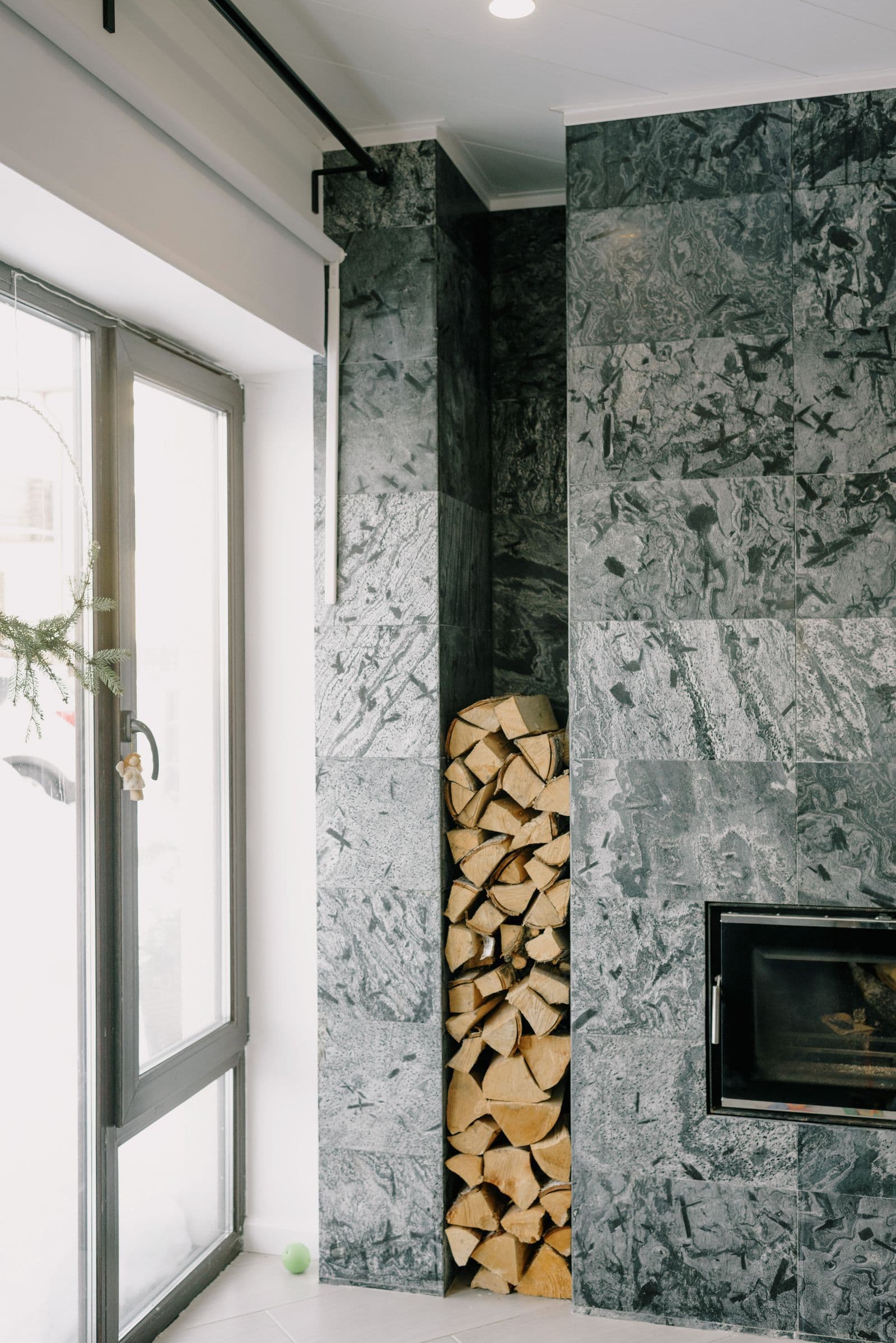
Gas Fireplace Repair Company in Daytona Beach, FL: Choosing the Best Approach for the Installed System
A gas fireplace that will not start, shuts down, or behaves differently needs more information than a guessed replacement part. For gas fireplace repair in Daytona Beach, describe the normal operating sequence and where it stops. Do not keep attempting ignition when the appliance is behaving abnormally or you notice a gas odor.
Use the model and symptoms to narrow the question
Ignition, controls, fuel supply, burner components, and the vent arrangement can produce different faults. A visible pilot does not establish that the remaining system is working correctly. The model documentation and observed condition determine the appropriate investigation and compatible parts; these details help explain the request without attempting a diagnosis yourself:
- The manufacturer, model, and fuel listed for the appliance
- The point at which starting or normal operation changes
- Recent service, control changes, or periods without use
- Visible glass damage, soot, or other changes to mention before a visit
What can cause common gas-fireplace symptoms
A unit that lights and then shuts down may be responding to a weak flame signal, a control or power issue, overheating, a venting condition, or another model-specific safety input. The timing of the shutdown and the appliance error information, when available, help narrow the possibilities without assuming one failed part.
On a standing-pilot fireplace, a pilot that goes out after the control is released can have several causes, including pilot-flame condition, a sensor or connection issue, a control problem, or a model-specific safety condition. Some systems use a thermocouple, some use a thermopile as well, and electronic systems use different components, so the appliance documentation matters.
Soot on the glass or logs is a stop-using warning rather than a diagnosis by itself. Possible causes include incorrect log or ember placement, blocked burner openings, airflow or gas-pressure problems, or a vent restriction. The safe next step is to turn the unit off and have the appliance evaluated according to its manufacturer instructions.
What can affect the proposed repair
Gas logs and ember material are not interchangeable decorations. Placement and quantity should follow the appliance diagram because changes can affect flame contact, soot, and combustion. A soot-producing unit should remain off until the cause is evaluated.
Visible corrosion at an exterior termination can be relevant to appliance performance, but an ignition symptom does not prove the outdoor component is at fault. The firebox, controls, vent path, and exterior components should be considered as parts of the same listed system.