Proudly American-Owned

Chimney & Fireplace Company in Clermont, FL

Talk with chimney and fireplace specialists serving Clermont about repair, sweeping, inspection, or installation. The technician estimate visit is free.

Free Clermont Estimate

10% OFFFirst service

Family-Owned

A family-owned company serving Clermont properties.

Proudly American-Owned

An American-owned chimney and fireplace company.

Free Estimate Visit

A technician can visit the property and provide a free estimate.

Professional Chimney & Fireplace Service for Clermont Homes

Clermont is the rare Florida town with real hills: rolling citrus-ridge terrain in Lake County, watched over by the old Citrus Tower. Homes here sit higher and catch more weather than most of the peninsula, and their chimneys feel every bit of it.

Name the symptom at the Clermont address, then open the matching page: chimney repair in Clermont, chimney sweeping, inspection, leak repair, cap replacement, crown repair, flashing repair, waterproofing, masonry repair, relining, rebuild, hurricane repair, gas fireplace repair, animal removal, or fireplace repair. The technician estimate visit is free.

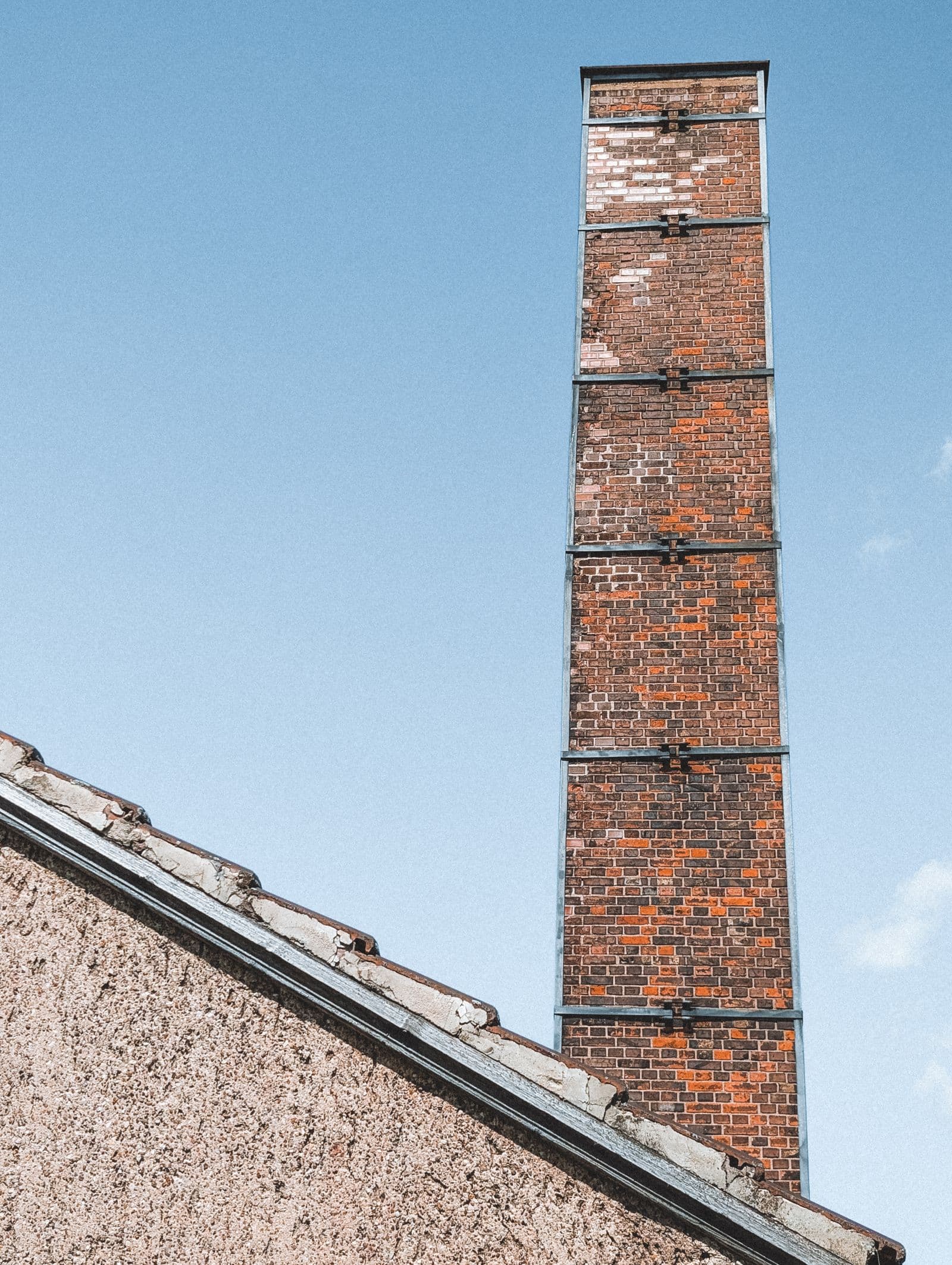
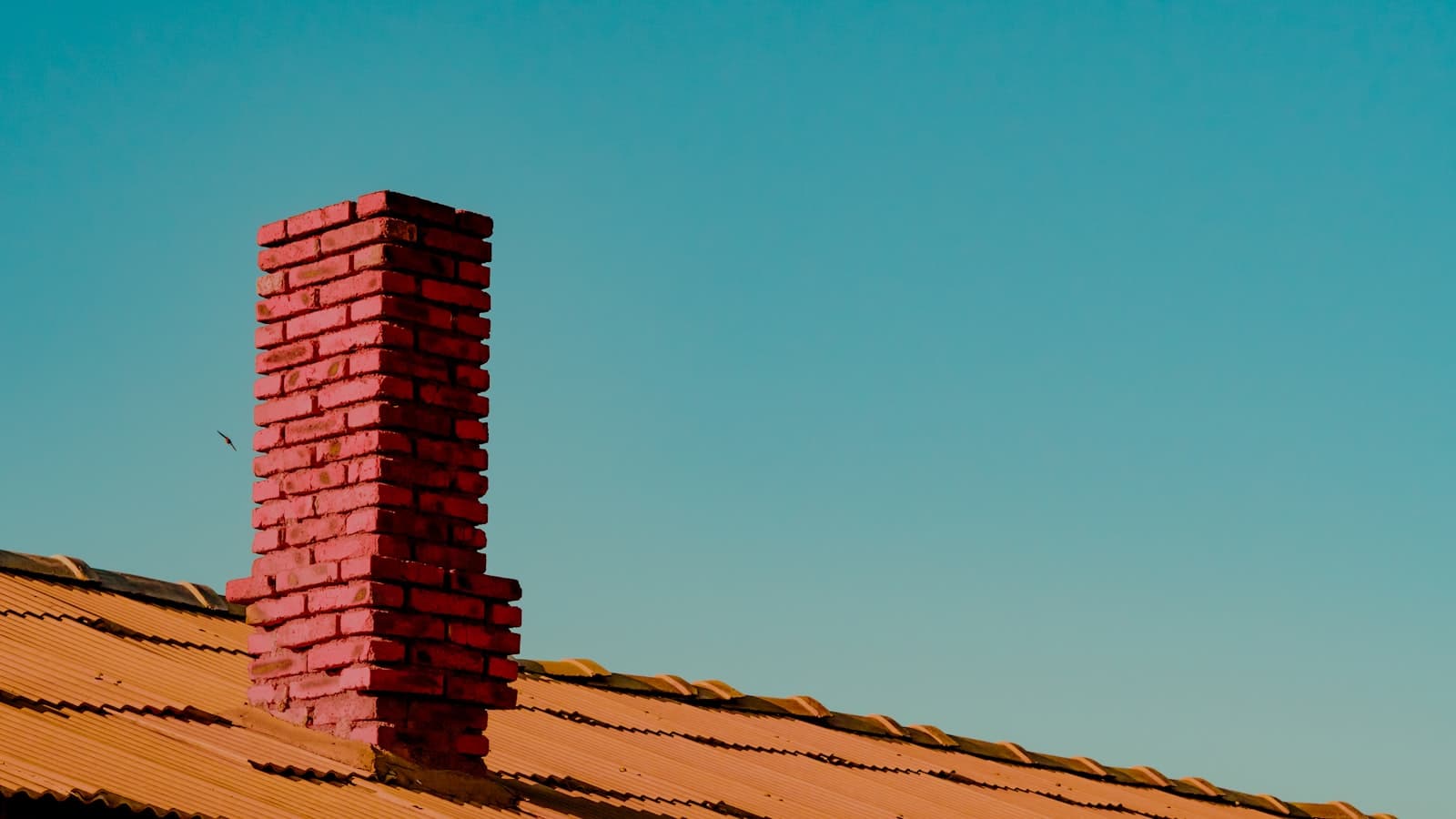
A red brick chimney rising above a rooftop

What happens next

How chimney and fireplace service works in Clermont

The estimate visit is separate from any paid work, so you can review the estimate before deciding.

  1. Tell us what you are seeing

    Call or send the estimate form with the service or concern you want reviewed. Include your property's ZIP code in Clermont.

  2. Get a free estimate visit

    A technician can visit the property and provide a free estimate for chimney or fireplace service.

  3. Approve the work before it begins

    Paid work requires a deposit. If you cancel after paying the deposit, the company retains it.

Understanding Clermont properties

Why Clermont's hills change the chimney math

Most of Florida is famously flat. Clermont rolls: the town climbs some of the highest terrain in the peninsula, and plenty of homes sit on ridgelines and hilltops with open exposure in every direction. That matters for chimneys more than people expect. A chimney is already the tallest thing on the house; put the house on a hill and the stack becomes the tallest thing in the neighborhood, taking wind and driving rain that a chimney tucked into flat, tree-lined terrain never sees. Caps work loose sooner, crowns weather faster, and mortar joints get tested from angles that vertical rain never touches.

A separately scoped chimney inspection may evaluate the flue and relevant components. A technician can visit the property and give a free estimate.

The everyday version of this exposure is simply accelerated wear. The two-minute habit worth building in Clermont is a ground-level look at the stack after any serious storm: a cap sitting crooked, a new stain running down the siding, anything visibly shifted or missing. Small findings caught early stay small; the same findings ignored through a full storm season rarely do.

From citrus ridge to modern Clermont

Clermont grew up on citrus: the hills around town were grove country for generations, which is exactly what the Citrus Tower was built to celebrate. The hard freezes of the 1980s pushed the industry south, and over the decades since, Clermont has grown into one of the fastest-changing corners of the Orlando area. That history left a distinct housing split: a modest older core near the lakefront downtown, and wave after wave of newer subdivisions rolling out along the US 27 and State Road 50 corridors.

The newer neighborhoods (and that is most of Clermont) are largely concrete-block homes with factory-built fireplaces housed in framed, sided chases rather than true masonry stacks. These systems fail in predictable, fixable ways: chase covers rust and pond water, caps go missing or were undersized from day one, and rain finds its way in at the chase top. A properly fitted chimney cap and a sound, correctly pitched chase cover may address common cap- and cover-related water-entry paths when those components are the source: small parts with outsized consequences when they're neglected.

The older homes closer to downtown are a different trade entirely. Genuine masonry chimneys need mortar matched to the original work, crowns rebuilt rather than smeared over, and brick repaired in a way that respects what's there. Careful chimney masonry work on an older Clermont home looks nothing like swapping a chase cover in a newer subdivision. The chimney type and observed condition should be evaluated before any repair scope or materials are proposed.

Summer storms and leak season

From June into September, Clermont gets its rain the Central Florida way: a violent hour most afternoons, announced by thunderheads building over the hills. Your chimney takes those storms head-on, day after day, for a third of the year. Hairline cracks in a crown let water into the structure, tired flashing lets it into the ceiling, and bare masonry simply drinks: brick and block can absorb a startling amount of water across a single wet season.

Chimney leaks are also masters of misdirection. They rarely show up at the chimney itself: the evidence is a ceiling stain a few feet away, paint bubbling in a corner, or a musty smell in a room nobody uses. Effective chimney leak repair starts with finding the true entry point (crown, cap, saturated masonry, or the flashing where the chimney meets the roof), because sealing the wrong spot doesn't stop water, it just reroutes it. On Clermont's wind-exposed lots, flashing failures come up more often than homeowners expect, because uplift and driving rain work on those metal edges relentlessly.

Prevention is the better bargain. A breathable water repellent (one that sheds rain but lets trapped vapor escape) applied before the summer pattern sets in keeps masonry from spending the wet months saturated. Chimney waterproofing in the drier spring window, plus a quick check of crown and flashing, is the difference between a chimney that shrugs off leak season and one that quietly feeds a stain you won't discover until fall. Hurricane season adds its own chapter: Clermont's inland hills see no storm surge, but systems crossing the peninsula still drag tropical rain bands and gusty wind through Lake County, enough to strip a loose cap or lift flashing that was already tired.

A short burn season, and a long idle one

Clermont sits far enough inland that winter cold snaps are real, if brief. A few times each season a front clears the humidity out and morning temperatures dip low enough that fireplaces all over town light up for the first time in months, often all in the same week. That burst pattern is exactly what catches homeowners out: a flue that sat untouched since February gets pressed into service on an hour's notice, and whatever built up in the meantime (creosote from last winter, debris, a surprise nest) announces itself at the worst possible moment. A chimney sweep in October or November, before the first real front, means the system is simply ready when the cold shows up.

The other nine months are their own hazard. For a chimney fire, suspected carbon monoxide or gas, an unstable chimney, or another immediate danger, leave the area and call 911 or the utility first. An idle, uncapped flue is also prime real estate for raccoons, squirrels, and nesting birds, and Clermont's mix of lakes, green space, and new construction keeps the local wildlife actively house-hunting. If you're hearing scratching or chirping from the chimney, animal removal done humanely and followed by a proper cap helps reduce recurrence instead of restarting it every spring.

Straightforward chimney help, the Clermont way

NFPA 211, the fire-safety standard for chimneys and fireplaces, recommends an annual inspection even for lightly used systems, and Clermont's combination of hilltop exposure, lightning-alley summers, and stop-start burn seasons makes that guidance worth taking seriously. The rhythm that serves this town best is simple: waterproofing and exterior work in the drier months, a sweep and inspection each fall before the first cold front, and a fast call after any storm that visibly moved something. None of it is complicated. It's the maintenance cadence this particular climate rewards, and it costs far less than reacting to whatever the next storm season reveals.

Talk with our team

Need chimney and fireplace service in Clermont?

Tell us what you are seeing and include your property's ZIP code. We will use those details to understand the service request.

Frequently Asked

Questions Clermont Homeowners Ask About Chimney & Fireplace Service

How often does a Clermont fireplace really need attention?
NFPA 211 guidance is an inspection every year, with sweeping whenever deposits call for it. Clermont's burn season is short but concentrated (a few cold snaps where the fireplace runs hard after months idle), and that pattern still builds creosote. The smart timing is fall, before the first front, when the flue can be cleared and checked ahead of the seasonal rush.
Can lightning actually damage a chimney in Clermont?
Yes. This stretch of Central Florida is the most lightning-prone part of the country, and a chimney on one of Clermont's elevated lots is a natural high point. A strike can crack the crown, fracture the flue, or shift masonry without leaving obvious evidence at ground level. After a storm that hit close to home, a professional inspection is the only reliable way to know the system is still sound.
My Clermont home has a sided chase instead of a brick chimney. What goes wrong with those?
Most newer Clermont subdivisions use factory-built fireplaces inside framed, sided chases, and the failure points are almost always at the top: chase covers that rust and pond water, caps that are missing or undersized, and rain intrusion where the cover meets the framing. The fixes are straightforward (a correctly pitched cover and a properly fitted cap) and far cheaper than the water damage they prevent.
Do the hills around Clermont really make chimneys weather faster?
Noticeably, yes. A home on a Clermont ridgeline takes wind and wind-driven rain that flat, sheltered Florida lots never see, and the chimney is the most exposed piece of the house. Caps loosen sooner, crowns erode faster, and mortar joints get hit from angles vertical rain doesn't reach. Exposed homes reward a yearly look at the stack more than almost anywhere else in Central Florida.
What do chimney repairs around Clermont usually cost?
Honest answer: it depends on which part of the chimney failed, and that is not something anyone can tell you over the phone. A cap swap and a crown that has to be re-cast are different jobs on the same chimney. What moves the number is roof access and stack height, the materials appropriate to the chimney and its exposure, how far the failure has already run, and whether several items can share one visit instead of three separate trips. A technician can visit the property and give a free estimate. Every approved paid job requires a deposit. If you cancel after paying the deposit, the company keeps it.
I almost never light a fire. Does my Clermont chimney still need an inspection?
A technician can visit the property and give a free estimate.

Ready to schedule chimney service in Clermont?

Tell us what you are seeing, include your property's ZIP code, and call to request a technician estimate visit.