Proudly American-Owned

Chimney & Fireplace Company in Winter Park, FL

Compare chimney repair and fireplace service options for your Winter Park property with a technician at a free estimate visit.

Free Winter Park Estimate

10% OFFFirst service

Family-Owned

A family-owned company serving Winter Park properties.

Proudly American-Owned

An American-owned chimney and fireplace company.

Free Estimate Visit

A technician can visit the property and provide a free estimate.

Professional Chimney & Fireplace Service for Winter Park Homes

Winter Park was laid out in the 1880s as a resort town where well-to-do Northerners came to escape the cold, which means fireplaces have been part of this town’s identity from the very first plat. Between the brick streets, the oak canopy, and some of Central Florida’s oldest gracious homes, the chimneys here have real character and real needs.

Name the symptom at the Winter Park address, then open the matching page: chimney repair in Winter Park, chimney sweeping, inspection, leak repair, cap replacement, crown repair, flashing repair, waterproofing, masonry repair, relining, rebuild, hurricane repair, gas fireplace repair, animal removal, or fireplace repair. The technician estimate visit is free.

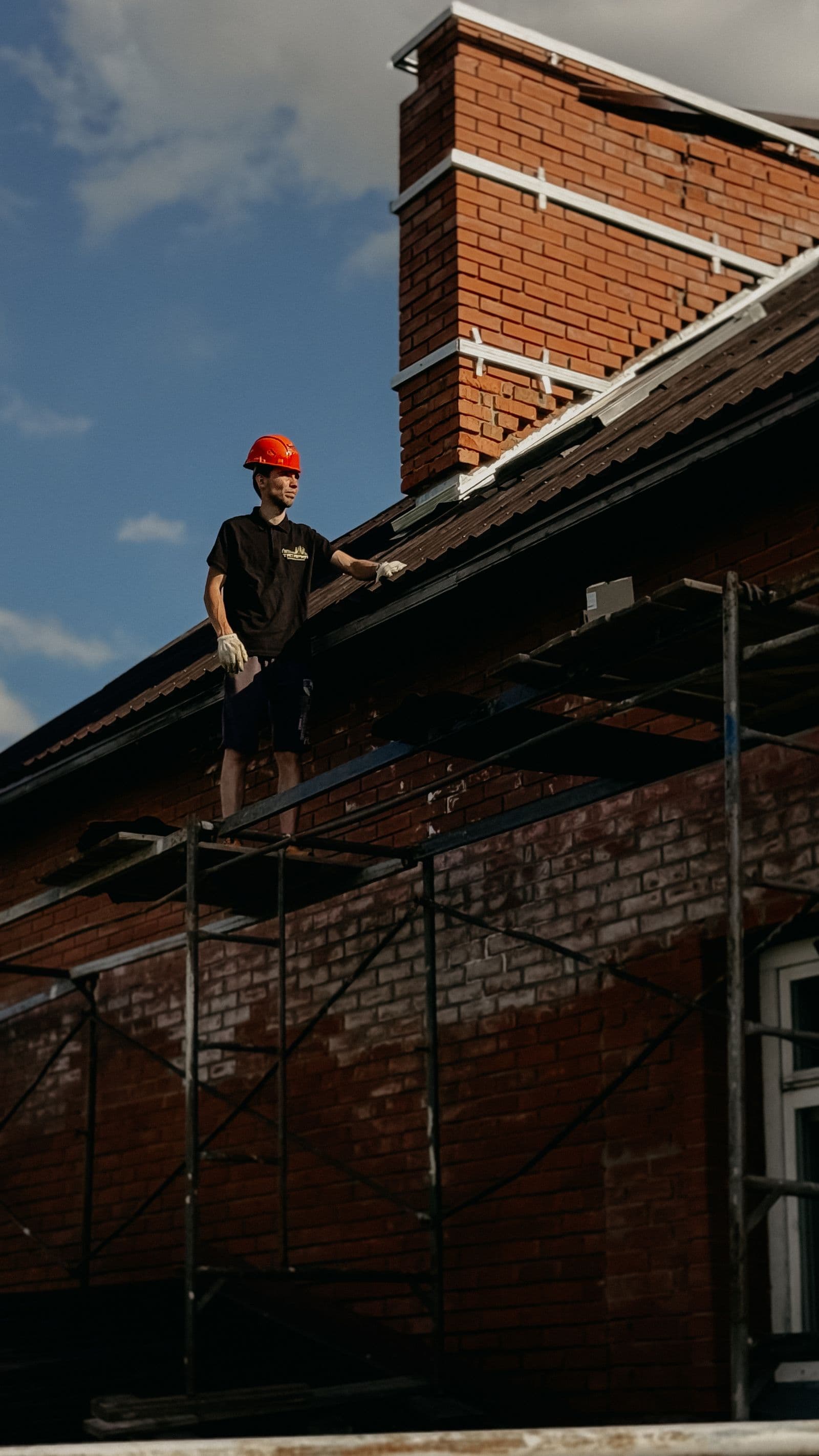
A worker in a hard hat on scaffolding beside a brick house with a tall brick chimney

What happens next

How chimney and fireplace service works in Winter Park

The estimate visit is separate from any paid work, so you can review the estimate before deciding.

  1. Tell us what you are seeing

    Call or send the estimate form with the service or concern you want reviewed. Include your property's ZIP code in Winter Park.

  2. Get a free estimate visit

    A technician can visit the property and provide a free estimate for chimney or fireplace service.

  3. Approve the work before it begins

    Paid work requires a deposit. If you cancel after paying the deposit, the company retains it.

Understanding Winter Park properties

A town literally named for the fireplace season

Most Florida towns treat winter as a rumor. Winter Park was founded on it. The whole 1880s premise was that people would travel a thousand miles to spend the cool months here, and the gracious homes that grew up around the lakes were built with hearths meant to be used. That heritage still shapes how the town burns today: fireplaces sit quiet from March through November, then run in concentrated bursts when Central Florida’s cold fronts finally arrive and morning temperatures dip into the 40s, occasionally the 30s.

That stop-start rhythm is precisely what gets chimneys in trouble. A flue that sat sealed through eight humid months has been quietly collecting moisture, odors, and sometimes debris, and the first cold night of December is a bad time to find out what accumulated. A proper chimney sweep in October or early November clears last season’s creosote, confirms the damper actually moves, and checks that the smoke chamber and flue are ready before you strike the first match. Doing it before the first front beats calling during one, when every schedule in Orange County tightens at once.

The other nine months matter too. For a chimney fire, suspected carbon monoxide or gas, an unstable chimney, or another immediate danger, leave the area and call 911 or the utility first. It feeds the musty ‘fireplace smell’ homeowners notice in July, and it slowly corrodes dampers and firebox metal where nobody looks. A chimney in Winter Park is never really off duty; it just changes jobs with the season.

Old Winter Park: brick streets, brick chimneys

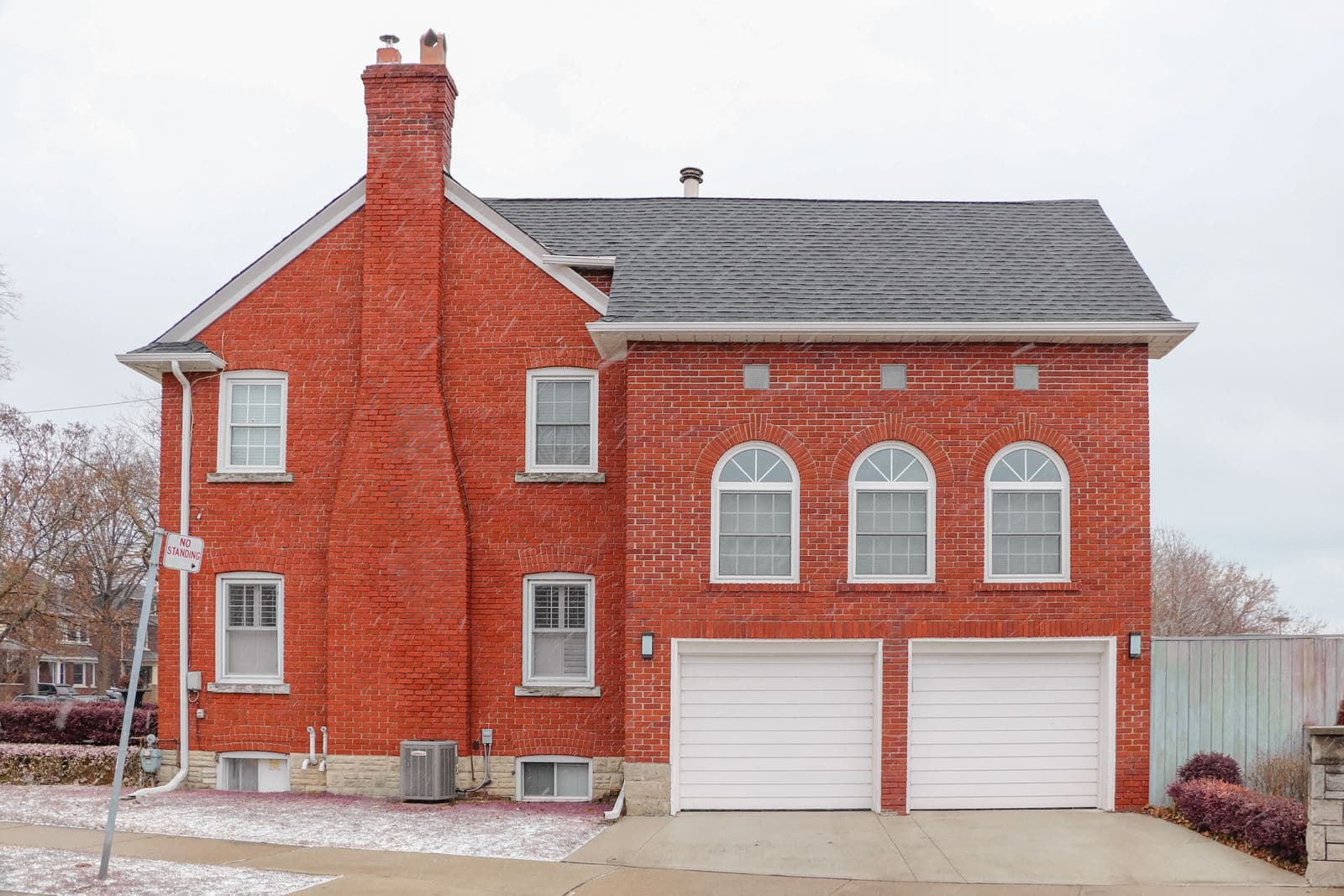
The blocks around Park Avenue and the chain of lakes hold some of the oldest fine residential architecture in Central Florida: homes from the town’s resort-era first decades and the boom years that followed, many with original masonry chimneys that have stood through a century of storm seasons. Like the famous brick streets below them, these chimneys are part of what makes Winter Park feel like Winter Park, and they deserve repairs that preserve that character instead of paving over it.

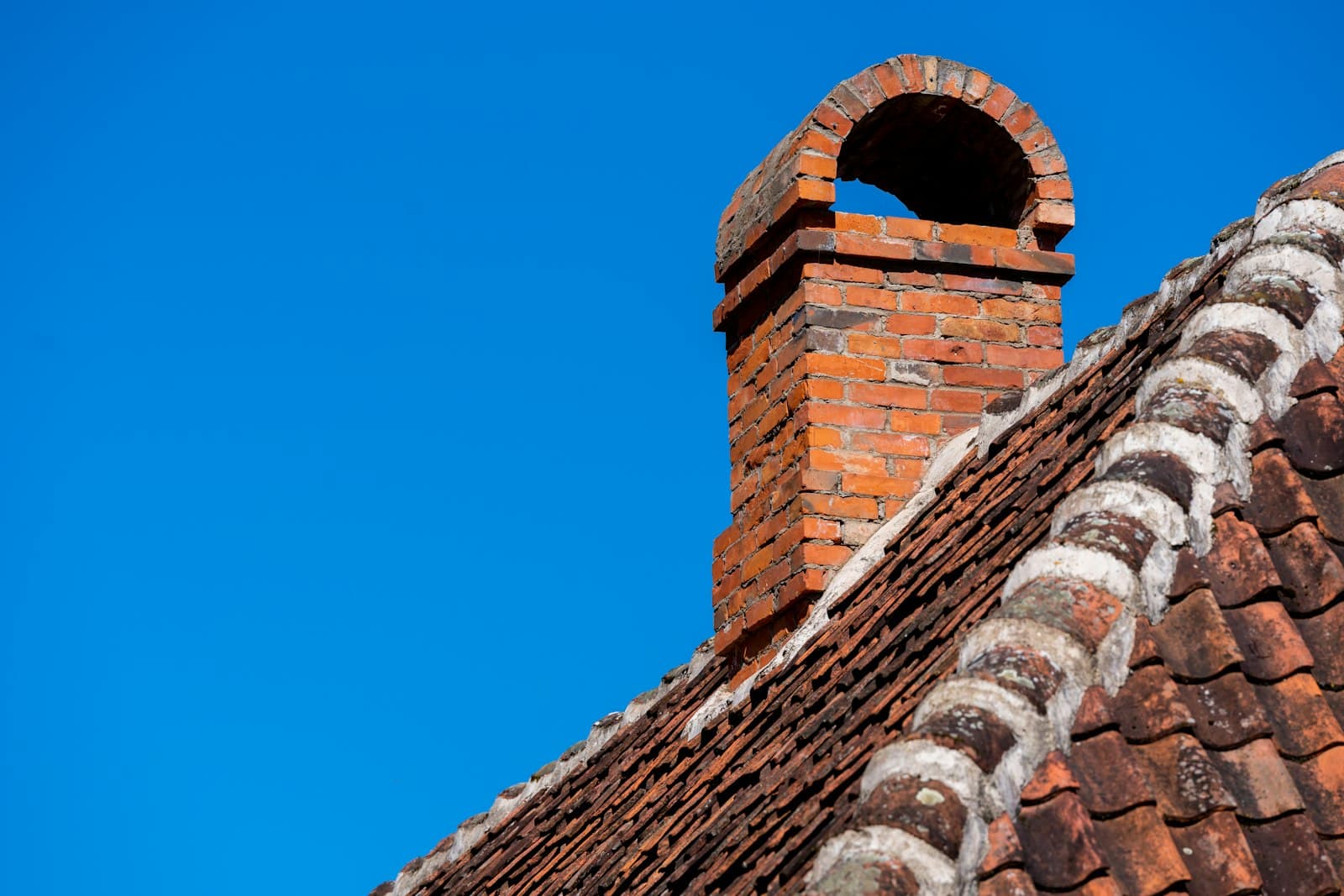
Masonry from that era was typically laid with softer, lime-rich mortar. Repointing it with a hard modern Portland mix is the classic well-meaning mistake: the rigid new mortar traps moisture in the old brick and pops the faces off over the following few years. Careful chimney masonry work on an older Winter Park home means matching mortar hardness, joint profile, and brick character so the repair disappears into the original work and the chimney keeps breathing the way it was built to.

Older flue liners can crack or shift where the condition is not visible from the room. Whether relining or another repair is appropriate depends on a separately scoped inspection and system compatibility; any proposed recommendation depends on the condition at the property.

Living under the oak canopy

Winter Park’s tree canopy is one of its glories: mature live oaks arching over brick streets and shading lakefront yards. For a chimney, that canopy is also a supply line. Overhanging limbs drop leaves, twigs, and acorn litter straight onto the stack, where an uncapped or poorly capped flue collects it all season. Wet organic debris in a flue holds moisture against masonry and metal, and a packed layer of it is exactly what you don’t want above your firebox when burn season starts.

The canopy is a wildlife highway too. Squirrels and raccoons travel branch to roof to chimney, and an open flue reads to them as a ready-made den, especially in spring nesting season. By the time you hear scratching over the mantel, there’s usually a nest involved. Humane chimney animal removal gets the residents out safely, and a properly fitted chimney cap with intact mesh keeps the next family from moving in while still shedding rain and venting the flue correctly.

Not every chimney in the area is old masonry, of course. Much of the housing around Winter Park’s edges dates from the post-war decades onward, and later construction largely means concrete block with factory-built fireplaces in framed, sided chases. Those systems fail differently (rusting chase covers, undersized caps, water pooling at the chase top), and the fix is sheet-metal precision rather than trowel work. The chimney type and observed condition should be evaluated before any repair scope or materials are proposed.

Lightning alley storms and leak season

Central Florida sits in the most lightning-prone corridor in the country, and from June into September Winter Park gets its rain the regional way: a violent hour most afternoons. Your chimney is the tallest, most exposed thing on the house and takes those storms first. Hairline cracks in the crown let water into the structure, tired flashing lets it into the ceiling below, and unsealed brick simply drinks. Old masonry can absorb a startling amount of water across one summer.

Chimney leaks are sneaky about where they announce themselves. Water that enters at the crown or flashing travels along framing before it surfaces, so the evidence shows up as a ceiling stain a few feet from the fireplace, bubbling paint in a corner, or a damp smell in a room you rarely use. Real chimney leak repair starts with finding the true entry point (crown, flashing, cap, or saturated masonry), because sealing the wrong spot doesn’t stop the water, it just reroutes it somewhere new.

Prevention is cheaper than chasing stains. A breathable water repellent, the kind that sheds rain while letting trapped vapor escape, protects brick through the wet months without sealing moisture inside, and on a century-old stack it meaningfully slows the soak-and-dry wear that decades of storm seasons inflict. Chimney waterproofing ahead of the summer pattern, paired with a sound crown, closes most of the doors water uses to get in.

Hurricane season runs June through November, and while Winter Park’s inland position spares it storm surge, systems crossing the peninsula still arrive with tree-snapping gusts and sideways rain, and under this much canopy, wind-thrown limbs are a genuine chimney hazard. After any storm passes close, take the two-minute look from the yard: a shifted cap, new staining, anything leaning or missing. If something looks wrong, get professional eyes on it before the next band of weather does its own inspection.

Straightforward chimney help in Winter Park

NFPA 211, the fire-safety standard for chimneys and fireplaces, recommends an annual inspection even for systems that barely burn, and Winter Park’s mix of genuinely old masonry, heavy canopy, and brutal storm summers makes that guidance worth taking seriously. For a chimney fire, suspected carbon monoxide or gas, an unstable chimney, or another immediate danger, leave the area and call 911 or the utility first.

The rhythm that serves this town best is seasonal: waterproofing and masonry work in the drier months when brick can be properly prepped, a sweep and inspection each fall before the first cold front, a cap check whenever the oaks have been shedding, and a fast call after any storm that visibly moved something. None of it is complicated. It’s simply the cadence a canopy town with real fireplace heritage rewards, and it costs far less than reacting to whatever the first cold night reveals.

Talk with our team

Need chimney and fireplace service in Winter Park?

Tell us what you are seeing and include your property's ZIP code. We will use those details to understand the service request.

Frequently Asked

Before Hiring a Chimney Company in Winter Park: Common Questions

How often should a Winter Park fireplace be swept?
NFPA 211 guidance is an inspection every year, with sweeping whenever deposits warrant it. Winter Park fireplaces burn in short seasonal bursts, which still builds creosote, and the eight humid off-months add moisture and odor issues of their own. The smart timing is early fall: get the flue cleared and checked before the first cold front, when demand spikes and schedules fill.
Are animals in the chimney really that common in Winter Park?
A cap, cover, or other repair may address the concern when the assessment identifies that component as the source. The recommendation depends on the condition at the property; no outcome is guaranteed before the condition is evaluated.
My home is from old Winter Park. Can the brick and mortar be matched?
That's the whole craft. Early Winter Park chimneys were laid with soft, lime-rich mortar, and repointing with a hard modern mix traps moisture and damages the original brick over time. A careful match of mortar hardness, joint style, and brick character keeps the repair invisible and the chimney healthy. A technician can visit the property and give a free estimate.
Why is my Winter Park chimney leaking when the roof looks fine?
Because chimney leaks rarely surface at the chimney. Water entering at a cracked crown, tired flashing, or saturated brick travels along framing before it shows up, as a ceiling stain a few feet away or peeling paint in a corner. Central Florida's daily summer downpours find every weakness, so diagnosis means tracing the actual entry point, not sealing the nearest suspect.
I only light a few fires each winter. Do I really need an inspection?
A technician can visit the property and give a free estimate.

Ready to schedule chimney service in Winter Park?

Tell us what you are seeing, include your property's ZIP code, and call to request a technician estimate visit.