
Proudly American-Owned

Chimney & Fireplace Company in St. Augustine, FL

Need chimney repair, fireplace service, cleaning, or restoration in St. Augustine, FL? Start with a free estimate visit from a technician.

Free St. Augustine Estimate

10% OFFFirst service

Family-Owned

A family-owned company serving St. Augustine properties.

Proudly American-Owned

An American-owned chimney and fireplace company.

Free Estimate Visit

A technician can visit the property and provide a free estimate.

Reliable Chimney Repair & Fireplace Service in St. Augustine, FL

St. Augustine is the oldest continuously occupied European-founded city in the continental U.S., and it has the masonry to prove it: coquina walls, colonial-era streets, and buildings older than most American towns. Add salt air off the Atlantic and some of the coolest coastal winters in Florida, and the Ancient City keeps its chimney trade honest.

Name the symptom at the St. Augustine address, then open the matching page: chimney repair in St. Augustine, chimney sweeping, inspection, leak repair, cap replacement, crown repair, flashing repair, waterproofing, masonry repair, relining, rebuild, hurricane repair, gas fireplace repair, animal removal, or fireplace repair. The technician estimate visit is free.

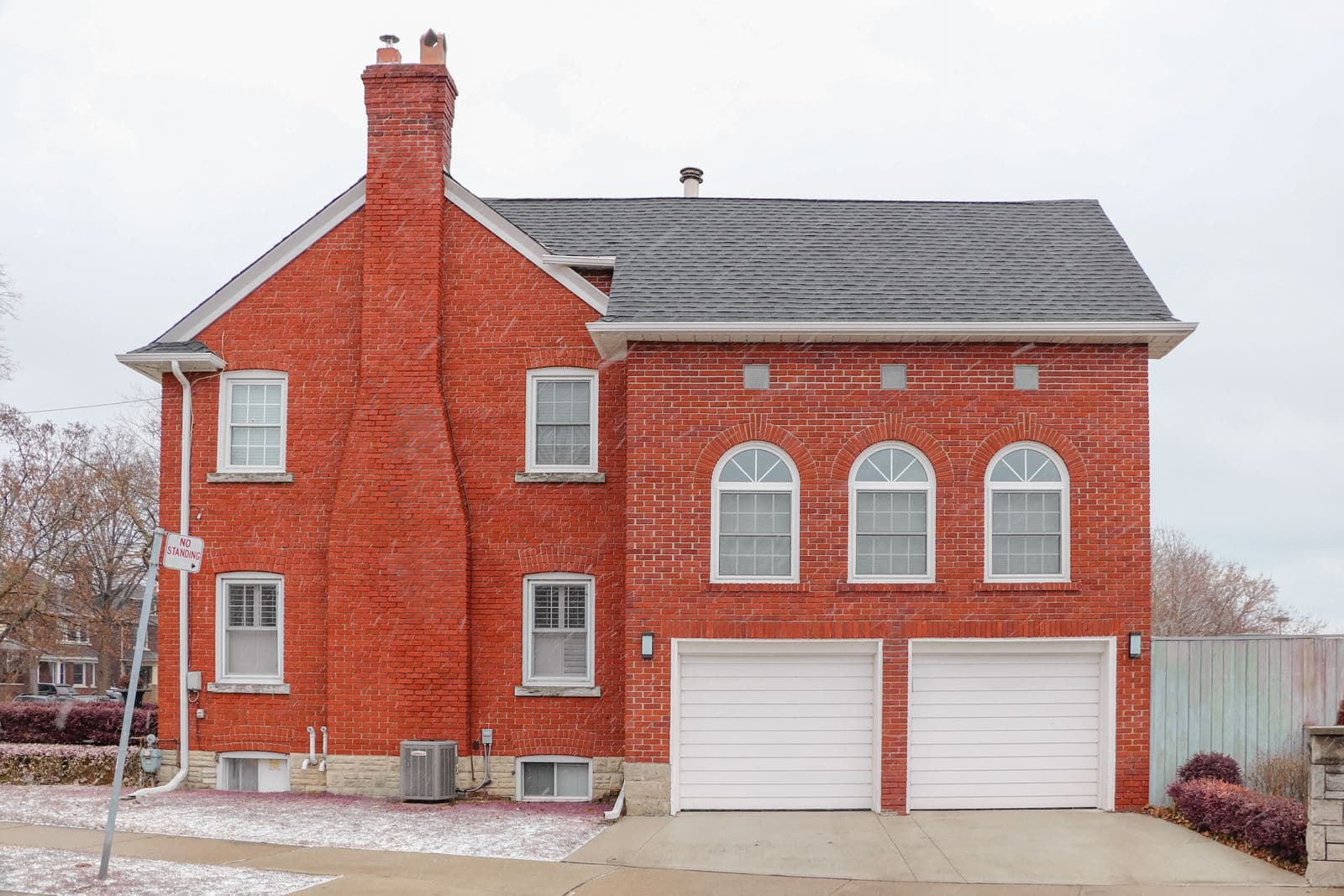
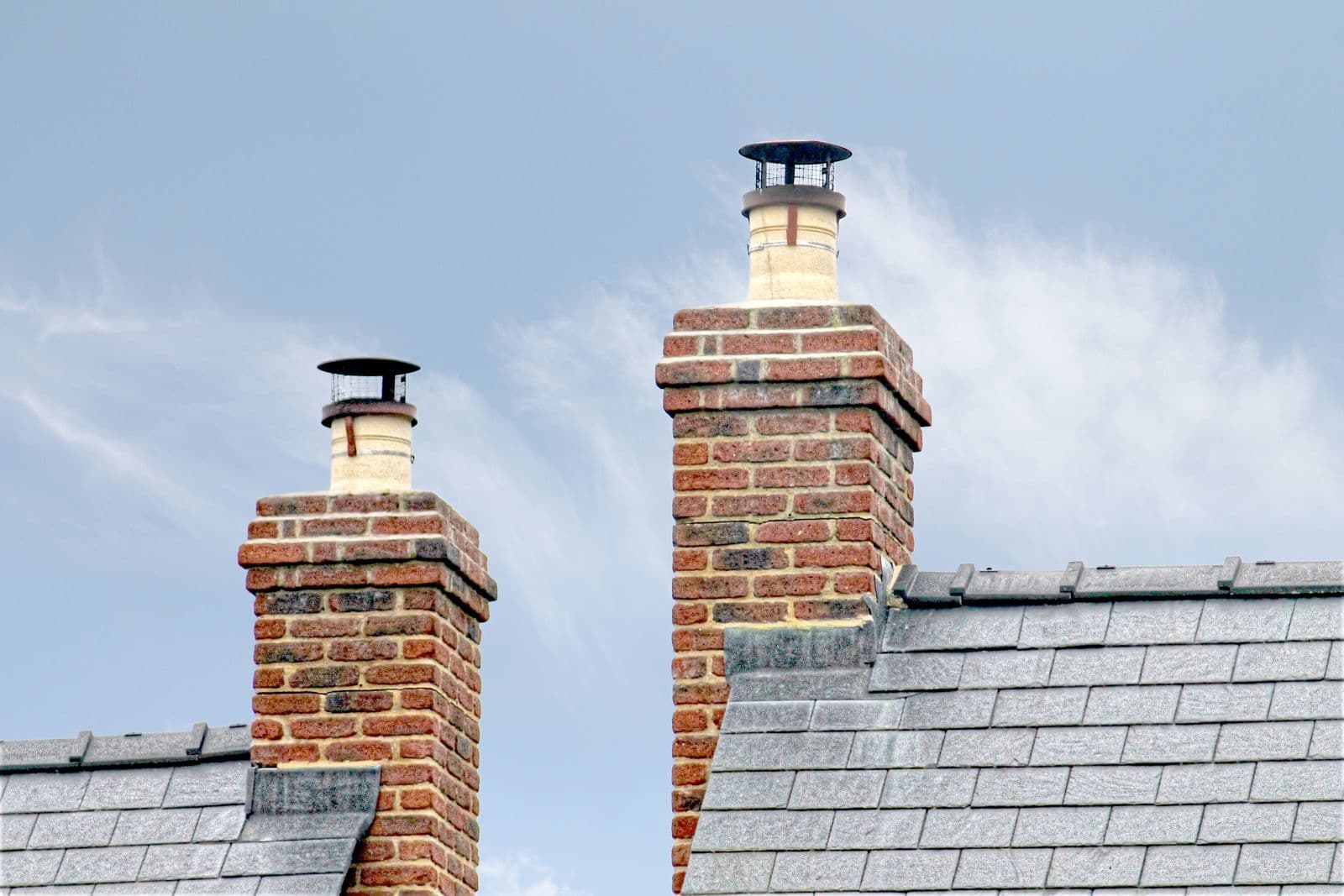
A red brick house with a chimney

What happens next

How chimney and fireplace service works in St. Augustine

The estimate visit is separate from any paid work, so you can review the estimate before deciding.

  1. Tell us what you are seeing

    Call or send the estimate form with the service or concern you want reviewed. Include your property's ZIP code in St. Augustine.

  2. Get a free estimate visit

    A technician can visit the property and provide a free estimate for chimney or fireplace service.

  3. Approve the work before it begins

    Paid work requires a deposit. If you cancel after paying the deposit, the company retains it.

Understanding St. Augustine properties

Chimneys in the nation’s oldest city

Founded by the Spanish in 1565, St. Augustine carries more building history per block than anywhere else in Florida. The Castillo de San Marcos was built from coquina, the local shellstone quarried nearby, and that same material and its lime-mortar traditions echo through the old city’s walls and hearths. Homes in and around the historic district span colonial-era construction, Victorian houses, and the grand Flagler-era architecture of the 1880s, when Henry Flagler’s railroad and hotels turned the town into a resort. That mix means chimney work here is rarely one-size-fits-all.

Old masonry plays by old rules. Structures of that age were laid with soft, lime-rich mortar, and the worst thing you can do to them is repoint with a hard modern Portland mix: it traps moisture in the softer material and pops the faces off brick and stone a few years later. Proper chimney masonry work on an older St. Augustine home means matching mortar hardness, joint style, and material character so the repair disappears into the wall instead of fighting it.

Older flue liners can crack or shift where the condition is not visible from the room. Whether relining or another repair is appropriate depends on a separately scoped inspection and system compatibility; any proposed recommendation depends on the condition at the property.

Salt air off the Atlantic: the slow, constant enemy

St. Augustine sits right on the water: Matanzas Bay, the inlet, and the open Atlantic just past Anastasia Island. Salt-laden air works on a chimney every single day, and it goes after the metal first: chimney caps, chase covers, damper assemblies, and flashing all corrode noticeably faster near the coast than they do inland. A cap that would last many years in Central Florida can rust through early here, and once it fails, rain and salt spray get a straight shot down the flue.

Salt exposure can accelerate corrosion of exposed chimney components. Rust staining or pitting deserves an assessment; replacement material, compatibility, specifications, and pricing should be evaluated for the particular system and stated in the estimate. See chimney-cap installation for service information.

Masonry takes its own coastal beating. Porous brick, stone, and mortar absorb salt-carrying moisture, and the salt left behind as it dries crystallizes inside the material and slowly breaks it down. A breathable water repellent (one that sheds rain and spray but lets trapped vapor escape) is one of the highest-value things you can do for an oceanfront or near-water chimney, and chimney waterproofing ahead of the summer storm season is the natural time to do it.

Real winters on the First Coast

Northeast Florida gets an actual burn season. St. Johns County sits far enough north that winter cold fronts bring genuinely chilly nights (frosts are routine and hard freezes roll through some years), so fireplaces here see real use from roughly December through February rather than serving as decoration. When the first strong front of the season arrives, flues that have sat closed and humid since spring get lit hard, and any problem that built up quietly over the year announces itself that same night.

That rhythm makes fall the smart season for maintenance. A proper chimney sweep before the first cold snap clears out last winter’s creosote and confirms the damper, smoke chamber, and flue are ready to run. NFPA 211, the fire-safety standard for chimneys and fireplaces, recommends an annual chimney inspection even for lightly used systems. Booking in October beats discovering an issue in January, when every sweep on the First Coast is suddenly busy.

The off-season matters too. For a chimney fire, suspected carbon monoxide or gas, an unstable chimney, or another immediate danger, leave the area and call 911 or the utility first. That is where the musty midsummer “fireplace smell” comes from, and it is also when dampers and firebox parts quietly corrode. A chimney in St. Augustine never really rests. It just switches from burning to weathering.

Nor’easters, hurricane season, and chasing the leak

St. Augustine’s weather comes at the roofline from two directions. Summer delivers Florida’s standard violent afternoon thunderstorms, and hurricane season runs June through November with tropical systems that can push wind and rain across the First Coast for days. But this stretch of the Atlantic coast also gets nor’easters: long, grinding onshore blows that drive rain sideways for days at a time and test mortar joints, flashing edges, and cap fasteners in ways an ordinary vertical rain never does.

Chimney leaks rarely announce themselves at the chimney. They show up as a ceiling stain a few feet away, peeling paint in a corner, or a damp smell in a room you rarely use, often weeks after the storm that started them. Good chimney leak repair starts with finding the actual entry point (crown, cap, flashing, or saturated masonry), because sealing the wrong spot doesn’t stop the water, it just reroutes it somewhere harder to find.

After any named storm or hard multi-day blow, a two-minute look from the ground is worth the habit: anything visibly shifted, missing, leaning, or newly stained deserves professional eyes before the next front arrives. For a chimney fire, suspected carbon monoxide or gas, an unstable chimney, or another immediate danger, leave the area and call 911 or the utility first.

Straightforward chimney help in St. Augustine

Salt exposure can accelerate corrosion of exposed chimney components. Rust staining or pitting deserves an assessment; replacement material, compatibility, specifications, and pricing should be evaluated for the particular system and stated in the estimate. See chimney-cap installation for service information.

For a chimney fire, suspected carbon monoxide or gas, an unstable chimney, or another immediate danger, leave the area and call 911 or the utility first. If you’ve been putting off chimney repair in St. Augustine, the easy first step is a look and a number, not a commitment.

Talk with our team

Need chimney and fireplace service in St. Augustine?

Tell us what you are seeing and include your property's ZIP code. We will use those details to understand the service request.

Frequently Asked

Chimney, Fireplace & Estimate Questions in St. Augustine

How often should a St. Augustine chimney be swept?
NFPA 211 guidance is an inspection every year, with sweeping whenever deposits warrant it. Northeast Florida homes burn more winter nights than most of the state, so an annual rhythm genuinely fits here. The smart timing is early fall: get the flue cleared and checked before the first strong cold front, when demand spikes and schedules fill fast.
Does salt air really shorten the life of chimney parts in St. Augustine?
Salt exposure can accelerate corrosion of exposed chimney components. Rust staining or pitting deserves an assessment; replacement material, compatibility, specifications, and pricing should be evaluated for the particular system and stated in the estimate.
My home near the historic district is old. Can the masonry be matched?
That’s the whole job. Older St. Augustine construction used soft, lime-rich mortar, and repointing with a hard modern mix traps moisture and damages the original material over time. A careful match of mortar hardness, joint style, and material character keeps the repair invisible and the chimney healthy, which matters more in the Ancient City than anywhere else in Florida.
What do chimney repairs around St. Augustine usually cost?
Honest answer: it depends on which part of the chimney failed, and that is not something anyone can tell you over the phone. A cap swap and a crown that has to be re-cast are different jobs on the same chimney. What moves the number is roof access and stack height, the materials appropriate to the chimney and its exposure, how far the failure has already run, and whether several items can share one visit instead of three separate trips. A technician can visit the property and give a free estimate. Every approved paid job requires a deposit. If you cancel after paying the deposit, the company keeps it.
My chimney smells musty every summer. Is that normal here?
Common, yes. Normal to live with, no. A closed flue holds months of coastal humidity against creosote and soot, and that damp residue is what you’re smelling in July. A sweep clears the fuel for the odor, a properly fitted cap keeps rain and animals out, and a top-sealing damper cuts the humid air exchange that feeds the smell.
What should I check on my chimney after a nor’easter or tropical storm?
From the ground: a cap that’s missing or crooked, brick or crown pieces on the roof or lawn, flashing edges lifted at the roofline, any new lean, and fresh stains on the stack or ceilings inside. Days of wind-driven sideways rain test a chimney in ways normal storms don’t, so anything that looks different than before the blow deserves professional eyes promptly.

Ready to schedule chimney service in St. Augustine?

Tell us what you are seeing, include your property's ZIP code, and call to request a technician estimate visit.