
Proudly American-Owned

Chimney Animal Removal in St. Augustine, FL

Need chimney animal removal in St. Augustine? Chimney Animal Removal in St. Augustine, FL starts with a free estimate visit based on the system and condition at the property.

10% OFFFirst service

Free St. Augustine Estimate

Family-Owned

A family-owned company serving St. Augustine properties.

Proudly American-Owned

An American-owned chimney and fireplace company.

Free Estimate Visit

A technician can visit the property and provide a free estimate.

Chimney Animal Removal in St. Augustine, FL: Evaluating Condition, Access, and Exposure

Chimney Animal Removal in St. Augustine, FL begins by considering the system, access, condition, and surrounding components together. That keeps the scope tied to the property instead of a generic package. St. Augustine is a smaller St. Johns County community of about 15,000 residents, with chimneys ranging from older masonry stacks to newer factory-built systems.

Chimney animal removal in St. Augustine clears the raccoons, birds, and squirrels that treat an uncapped flue as shelter.

Remove, clean, then exclude

Animal-removal scope depends on the species, nesting material, access, chimney condition, and applicable wildlife rules. A compatible cap may be considered after assessment.

  • Possible work item, depending on the property: Humane removal of the animal
  • Possible work item, depending on the property: Nest and debris cleared from the flue
  • Possible work item, depending on the property: Odor and droppings cleaned out
  • A deposit is required for paid work

Signs you may need chimney animal removal: Scratching or chirping in the chimney, a strong odor, or debris appearing in the firebox usually means something has moved in.

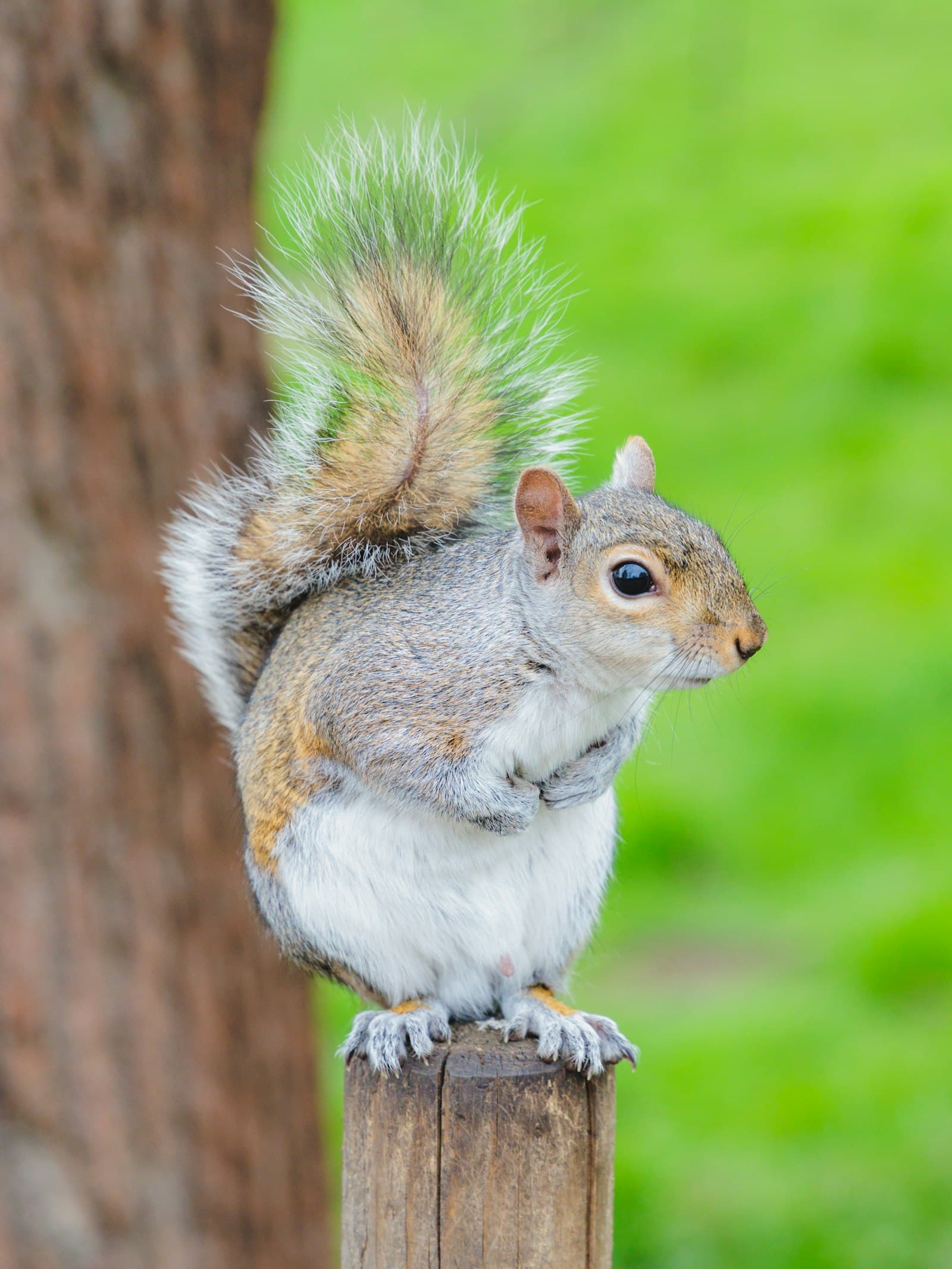
An eastern gray squirrel, a species that commonly falls into open flues

What happens next

How the chimney animal removal estimate process works in St. Augustine

The estimate visit is separate from any paid work, so you can review the estimate before deciding.

  1. Tell us what you are seeing

    Call or send the estimate form with the service or concern you want reviewed. Add the St. Augustine ZIP code if you know it.

  2. Get a free estimate visit

    A technician can visit the property and provide a free estimate for chimney animal removal. No deposit is required for that visit.

  3. Approve the work before it begins

    Paid work requires a deposit. If you cancel after paying the deposit, the company retains it.

Chimney Animal Removal details for St. Augustine

What chimney animal removal in St. Augustine actually involves

Uncapped St. Augustine flues are prime nesting spots for birds, squirrels, and raccoons, and the nests they leave block the flue, carry parasites, and stay a fire hazard until cleared.

St. Augustine sits within about 1 miles of the Florida coast, so salt-laden air is relevant when compatible material options are considered.

Sound in the flue means the chimney is open: a damper left ajar, or a flue a storm left uncapped. Chimney swifts are protected under the federal Migratory Bird Treaty Act, so an active nest cannot lawfully be removed: wait, then cap. Florida's bat maternity season, 16 April to 14 August, is closed to exclusion under FWC rule. A raccoon with kits will not leave on her own; a squirrel that drops in cannot climb a slick flue. Protected wildlife is a permitted wildlife operator's job. After legally required wildlife handling is complete, an on-site assessment can identify nesting material, chimney damage, and whether a fitted cap is appropriate; the proposed scope is confirmed separately.

On a St. Johns County chimney, sound, time of day, odor, and where activity seems concentrated can narrow the possibilities, but they do not identify a species or determine lawful removal. Scratching through the flue, movement near the smoke shelf, or high chirping can point to different animals. A strong odor or flies may indicate a separate sanitation concern. Keep the damper closed so an animal is not released into the house, and have wildlife-handling requirements determined before chimney cleanup or capping is proposed.

Chimney Animal Removal details for a St. Augustine property

For chimney animal removal at a St. Augustine property, begin with the observed condition rather than a repair conclusion based on one photograph. Note whether sounds come from the flue, smoke chamber, firebox, or framed chase and whether an animal or nesting material is visible. Time of day, repeated movement, odor, falling debris, and an open or damaged top component can help describe what is happening. Coastal exposure around St. Augustine can add corrosion and rain concerns, while the installed construction determines how those clues should be interpreted. Do not climb onto the roof for photographs; visible indoor details, ground-level views, and the timing of the symptom are safer starting information. A free estimate visit can address the specific property without assuming that every visible symptom needs replacement or that every service includes the same tasks.

Talk with our team

Need chimney animal removal in St. Augustine?

Tell us what you are seeing and add the ZIP code if you know it. We will use those details to understand the service request.

Not sure what is up there?

Most St. Augustine calls start with a sound, a smell, or something turning up in the firebox, and each one narrows what it is. Two of them change what can lawfully be done before anyone touches the flue.

Read the full signs table: what you are hearing, and what it means →

Ready to request chimney animal removal in St. Augustine?

Call to discuss the chimney animal removal concern at your St. Augustine property.