

Proudly American-Owned

Chimney & Fireplace Company in Port St. Lucie, FL

Looking for a chimney repair and fireplace company in Port St. Lucie? Ask about repair, cleaning, inspection, or installation and request a free technician estimate visit.

Free Port St. Lucie Estimate

10% OFFFirst service

Family-Owned

A family-owned company serving Port St. Lucie properties.

Proudly American-Owned

An American-owned chimney and fireplace company.

Free Estimate Visit

A technician can visit the property and provide a free estimate.

Professional Chimney & Fireplace Service for Port St. Lucie Homes

Port St. Lucie is one of Florida's youngest big cities, platted in the early 1960s along the North Fork of the St. Lucie River and built out in waves ever since, until it became the largest city on the Treasure Coast. Young housing stock means a particular kind of chimney work: less crumbling century-old brick, more rusting chase covers, storm-tested flashing, and salt-touched metal.

Name the symptom at the Port St. Lucie address, then open the matching page: chimney repair in Port St. Lucie, chimney sweeping, inspection, leak repair, cap replacement, crown repair, flashing repair, waterproofing, masonry repair, relining, rebuild, hurricane repair, gas fireplace repair, animal removal, or fireplace repair. The technician estimate visit is free.
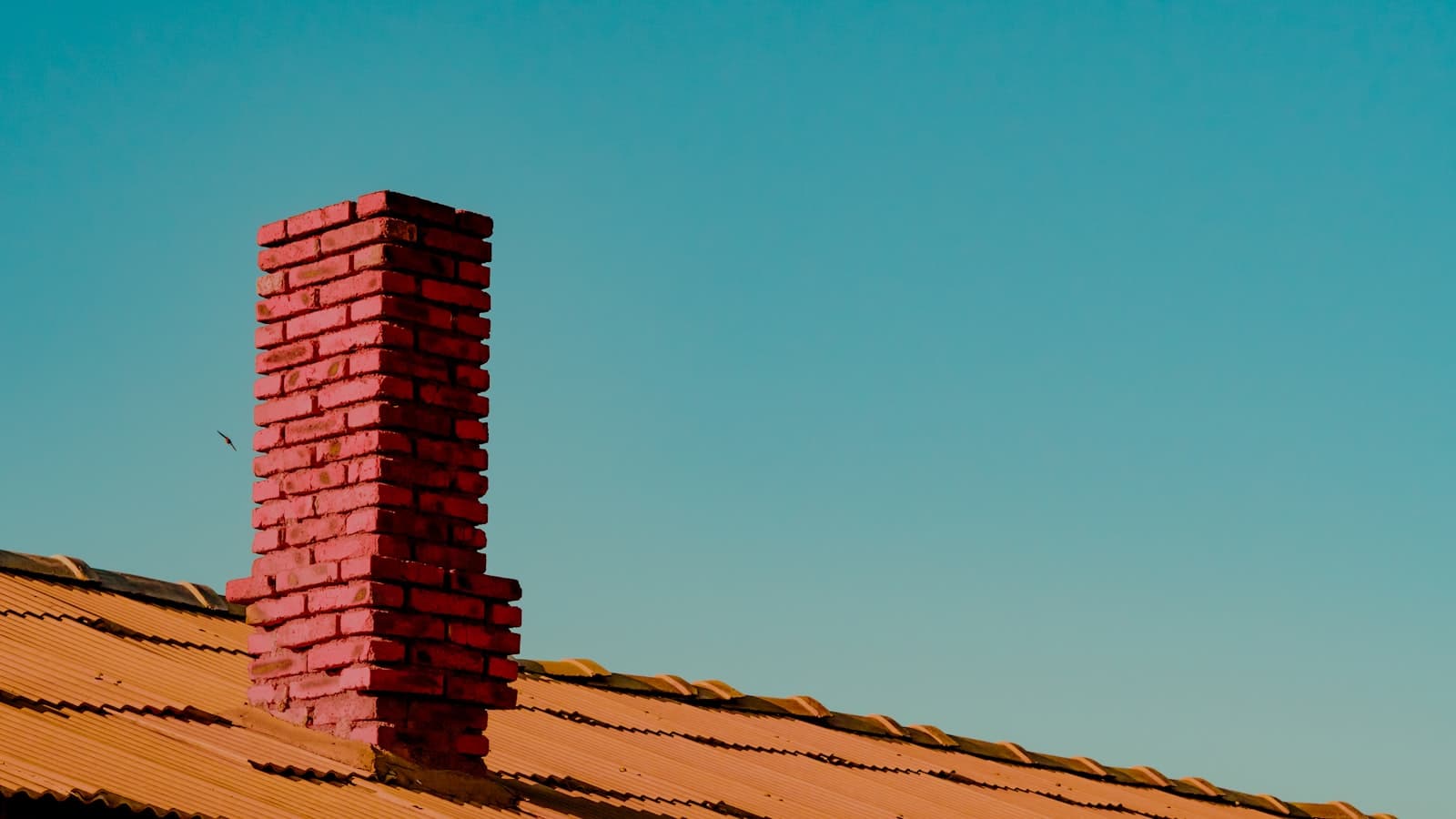
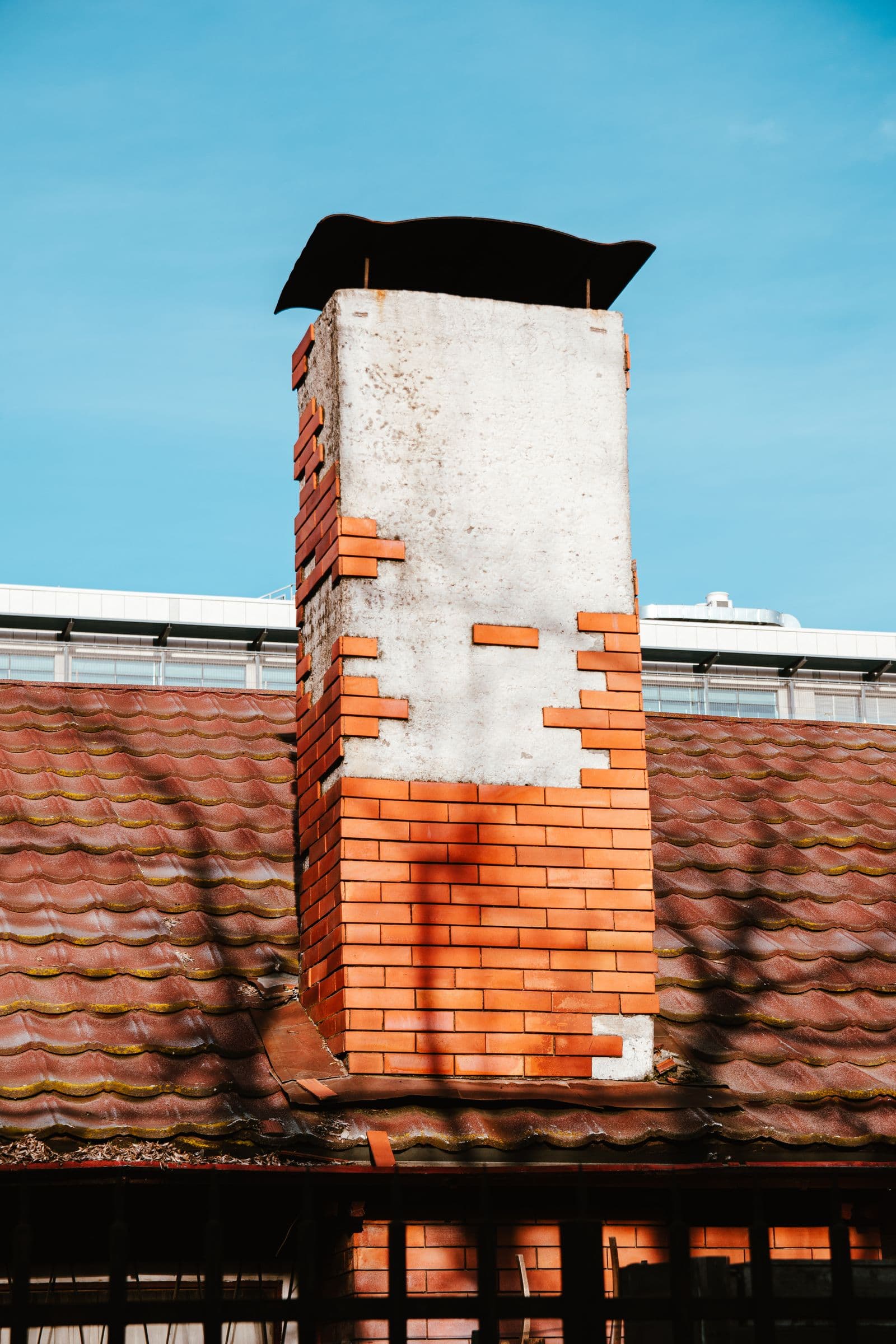
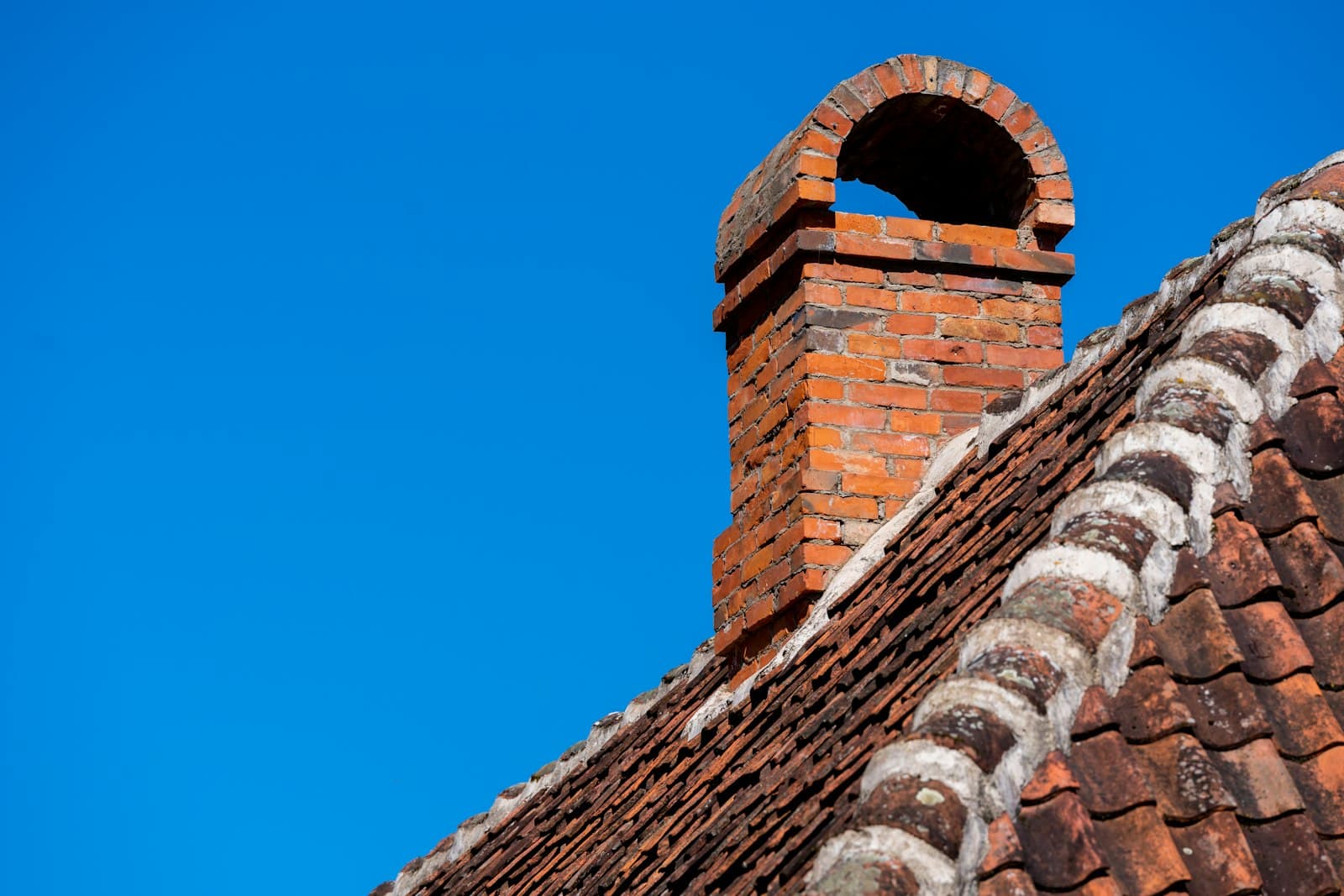
A red brick chimney rising above a rooftop

What happens next

How chimney and fireplace service works in Port St. Lucie

The estimate visit is separate from any paid work, so you can review the estimate before deciding.

  1. Tell us what you are seeing

    Call or send the estimate form with the service or concern you want reviewed. Include your property's ZIP code in Port St. Lucie.

  2. Get a free estimate visit

    A technician can visit the property and provide a free estimate for chimney or fireplace service.

  3. Approve the work before it begins

    Paid work requires a deposit. If you cancel after paying the deposit, the company retains it.

Understanding Port St. Lucie properties

Built since the sixties: what Port St. Lucie chimneys are made of

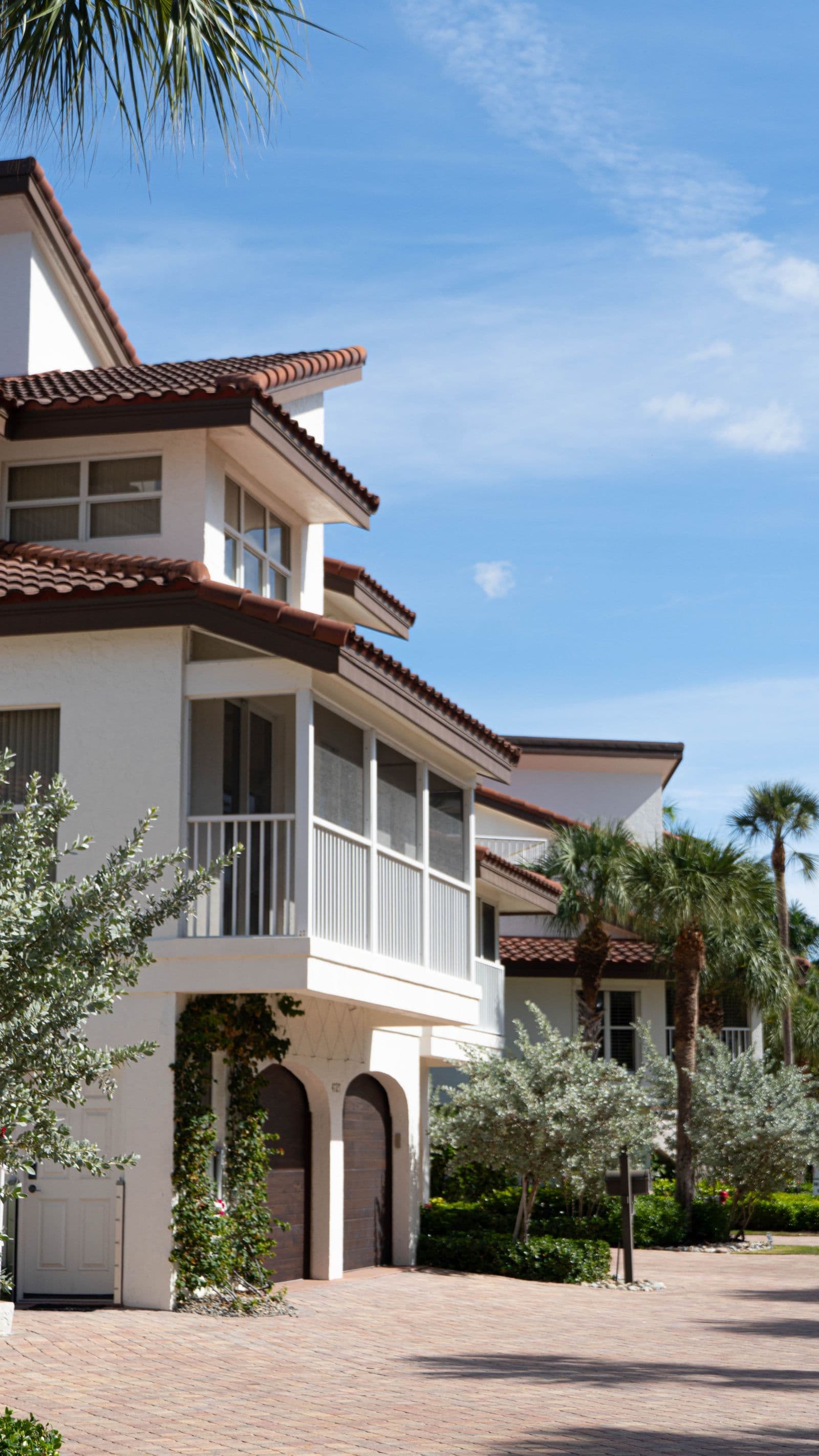
Port St. Lucie didn't grow the way most Florida cities did: it was drawn first and filled in later. Developers platted enormous grids of quarter-acre lots in the early 1960s, and the city has been building across them ever since, from the ranch homes of the older sections near the river to the master-planned communities that pushed the city west in the 1990s and 2000s. The result is housing stock that skews young by Florida standards, and chimneys to match: the overwhelming majority here are factory-built fireplaces housed in framed, sided chases on concrete-block homes, not full masonry stacks.

That construction style has its own honest list of failure points. The metal chase cover on top rusts, ponds water, and eventually leaks straight down into the framing. Caps go missing or were never sized right to begin with. And the seam where the chase meets the roof is a classic entry point for wind-driven rain. None of it is exotic work: a correctly fitted chimney cap and a sound, properly pitched chase cover may address common cap- and cover-related water-entry paths when those components are the source, but small parts carry outsized consequences when they fail quietly for a few wet seasons.

True masonry chimneys are the minority in Port St. Lucie, and that makes them worth extra attention. On the homes that have them (often the earlier builds in the eastern sections), crowns crack in the sun, mortar joints weather in the rain, and the stack takes every storm head-on. Periodic crown repair and pointing work costs little compared to what water does to a neglected chimney over a decade of Treasure Coast summers.

A short burn season with a long off-season

The Treasure Coast keeps its winters brief. A handful of cold fronts slide down the peninsula between December and February, overnight temperatures dip into the 40s, and for a week at a time Port St. Lucie actually lights its fireplaces. Then spring training arrives with the Mets, the fronts stop coming, and the flue goes back to sleep for ten months. That rhythm is easy on firewood budgets and hard on maintenance habits, because a fireplace used five nights a year rarely gets a second thought until the first cold evening when it smokes, smells, or refuses to draw.

A separately scoped chimney inspection may evaluate the flue and relevant components. A technician can visit the property and give a free estimate.

The long off-season is its own problem. A closed-up flue in Port St. Lucie spends the summer holding humid air against soot and metal, which is where the musty 'fireplace smell' of July comes from, and an uncapped flue is an open invitation to raccoons, squirrels, and nesting birds looking for a dry, dark column to move into. If something is scratching above the damper, chimney animal removal handles it humanely, and a good cap helps deter repeat wildlife entry.

Hurricane season on the Atlantic side

Port St. Lucie sits on the stretch of coast that hurricane forecasters watch closely every year, and residents who were here in 2004 remember why: Frances and Jeanne came ashore on the Treasure Coast just weeks apart, and the region spent months rebuilding. From June through November, every system that tracks toward the Atlantic side of the peninsula brings the same short list of chimney risks: caps stripped off, chase covers peeled or dented, flashing lifted just enough to let the next ordinary rainstorm into the ceiling.

The dangerous part is the damage you can't see from the driveway. Flashing that lifted a half inch doesn't look like anything from the ground, and a hairline opening at the chase top doesn't drip until the framing around it is already wet. After any storm passes close, a ground-level look at the stack is worth two minutes. Anything shifted, missing, or newly stained deserves professional eyes. For a chimney fire, suspected carbon monoxide or gas, an unstable chimney, or another immediate danger, leave the area and call 911 or the utility first.

Salt is the slower storm. Port St. Lucie sits close to the Atlantic, and salt-laden air can accelerate corrosion on exposed metal such as chase covers, caps, and damper hardware. When a rusted component needs replacement, material and specifications should be selected for the particular system and site exposure and stated in the estimate.

Summer rain, and why chimney leaks hide

From June into September, Port St. Lucie gets its rain the Florida way: a hard, wind-pushed hour most afternoons, with tropical moisture piling up week after week. The chimney is the most exposed thing on the house, and it takes all of it. Water finds cracked crowns, tired sealant, rust pinholes in chase covers, and any flashing the last windstorm loosened, then travels along framing until it appears somewhere else entirely.

That travel is why chimney leaks fool people. The evidence shows up as a ceiling stain a few feet from the fireplace, paint bubbling in a corner, or a damp smell in a room nobody uses, and the roof gets blamed first. Real chimney leak repair starts with finding the actual entry point, because sealing the wrong spot doesn't stop water, it just reroutes it. On masonry chimneys, breathable waterproofing before the wet season keeps the brick from drinking its way through summer; on framed chases, the answer is usually metalwork and flashing repair done right rather than another bead of caulk over the old one.

Straightforward chimney help in Port St. Lucie

A technician can visit the property and give a free estimate.

Talk with our team

Need chimney and fireplace service in Port St. Lucie?

Tell us what you are seeing and include your property's ZIP code. We will use those details to understand the service request.

Frequently Asked

Questions Port St. Lucie Homeowners Ask About Chimney & Fireplace Service

How often does a Port St. Lucie fireplace really need service?
NFPA 211 recommends an annual inspection even for lightly used systems. A separately scoped chimney inspection may evaluate the flue and relevant components; exact scope, deliverables, timing, and pricing are confirmed separately. Sweeping need depends on the deposits and observed condition.
Does salt air matter this far from the beach?
Yes. Port St. Lucie sits close to the Atlantic, and salt-laden air can accelerate corrosion on exposed chimney metal such as chase covers, caps, and damper parts. When replacement is needed, material, compatibility, specifications, and pricing should be evaluated for the particular system and stated in the estimate.
My chase cover is rusting. Repair or replace?
the proposed scope and pricing are confirmed for the specific job
What should I check on my chimney after a hurricane passes the Treasure Coast?
From the ground, look for anything shifted, missing, or newly stained: a cap that's gone, a chase cover corner lifted, flashing standing proud of the roofline, or new streaks on siding or masonry. Don't climb up yourself after a storm. If something looks wrong, or water shows up at the ceiling, get professional eyes on it before the next rain band arrives.
Why does my fireplace smell musty every summer?
That's the Treasure Coast off-season at work. A closed-up flue holds humid air against soot and creosote for months, and the damp deposits release that sour, smoky odor, strongest on rainy July days. A sweep to remove the residue, a properly fitted cap to keep rain out, and a good damper seal may help when moisture and residue are the source. It's also worth ruling out an animal nest, a common culprit in idle flues.

Ready to schedule chimney service in Port St. Lucie?

Tell us what you are seeing, include your property's ZIP code, and call to request a technician estimate visit.