Proudly American-Owned

Chimney & Fireplace Company in Deltona Lakes, FL

Compare chimney repair and fireplace service options for your Deltona Lakes property with a technician at a free estimate visit.

Free Deltona Lakes Estimate

10% OFFFirst service

Family-Owned

A family-owned company serving Deltona Lakes properties.

Proudly American-Owned

An American-owned chimney and fireplace company.

Free Estimate Visit

A technician can visit the property and provide a free estimate.

Professional Chimney & Fireplace Service for Deltona Lakes Homes

Deltona Lakes was laid out in the early 1960s as a large master-planned community: block homes threaded around the lakes of west Volusia County. Sixty years on, the original chimneys are aging with the housing stock in a climate that never gives masonry a season off.

Name the symptom at the Deltona Lakes address, then open the matching page: chimney repair in Deltona Lakes, chimney sweeping, inspection, leak repair, cap replacement, crown repair, flashing repair, waterproofing, masonry repair, relining, rebuild, hurricane repair, gas fireplace repair, animal removal, or fireplace repair. The technician estimate visit is free.

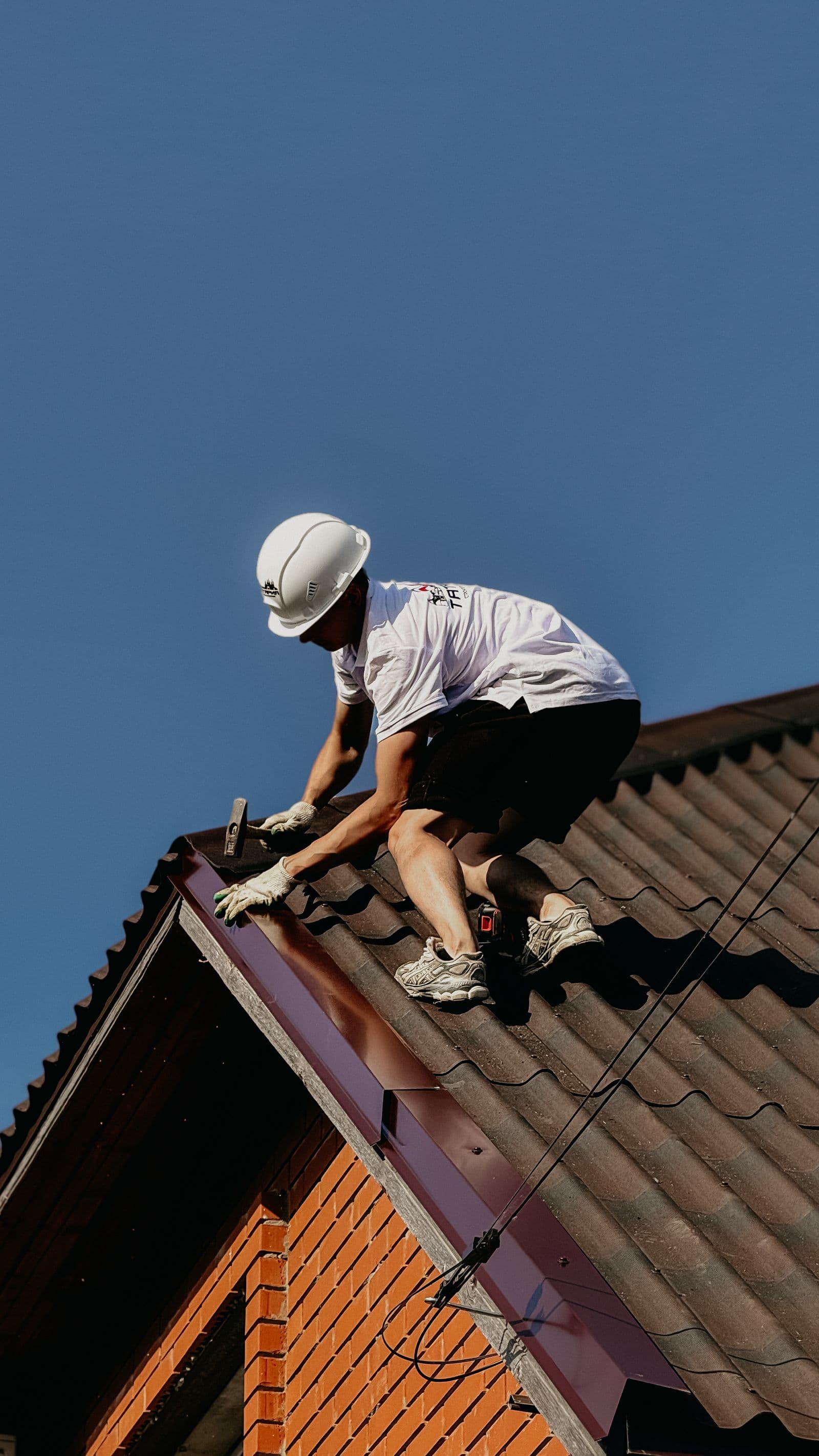
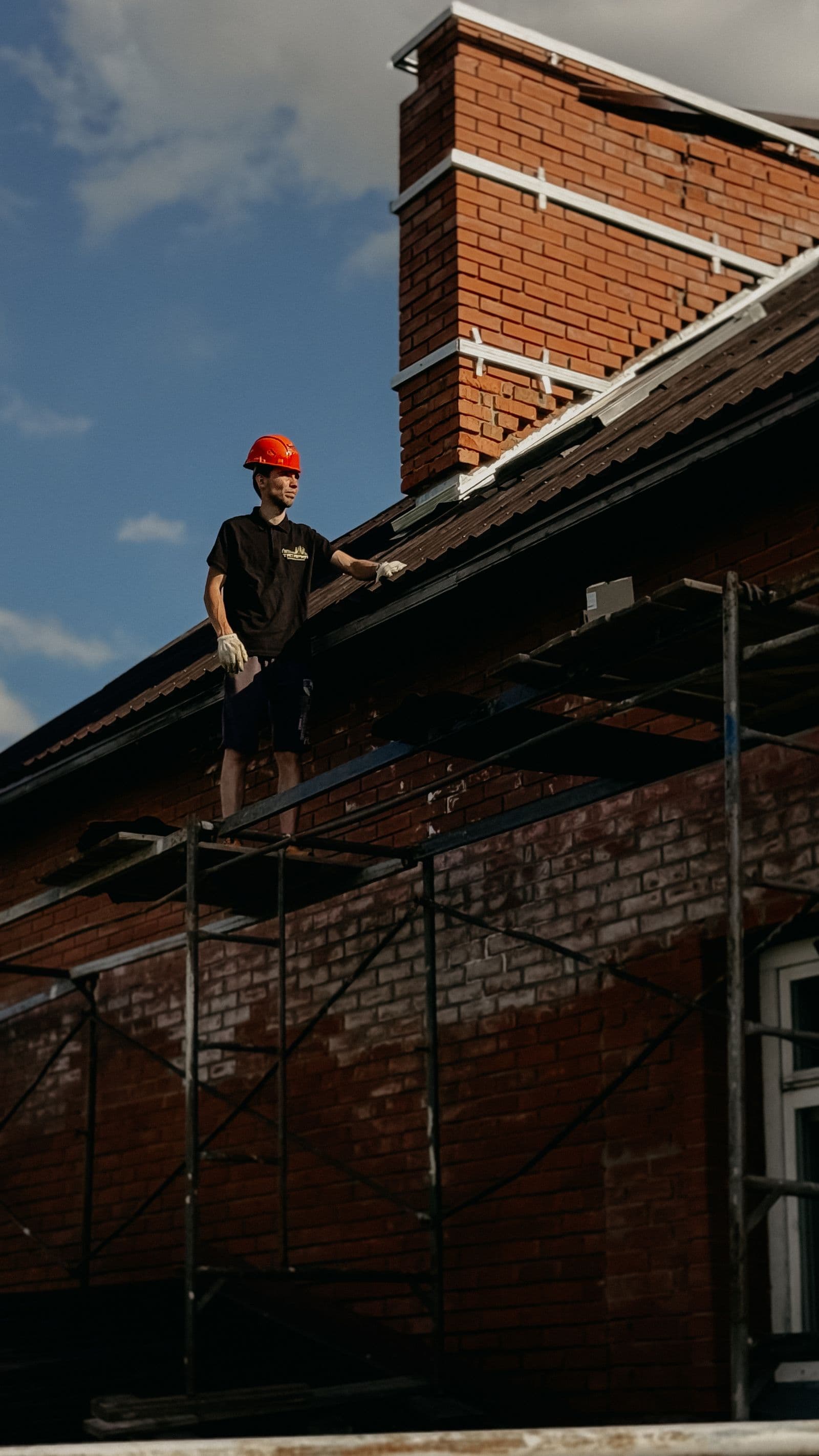
A worker in a hard hat on scaffolding beside a brick house with a tall brick chimney

What happens next

How chimney and fireplace service works in Deltona Lakes

The estimate visit is separate from any paid work, so you can review the estimate before deciding.

  1. Tell us what you are seeing

    Call or send the estimate form with the service or concern you want reviewed. Include your property's ZIP code in Deltona Lakes.

  2. Get a free estimate visit

    A technician can visit the property and provide a free estimate for chimney or fireplace service.

  3. Approve the work before it begins

    Paid work requires a deposit. If you cancel after paying the deposit, the company retains it.

Understanding Deltona Lakes properties

A 1960s planned community, sixty years on

Deltona didn’t grow up the way most Florida towns did: it was drawn on paper first. The Mackle brothers, the developers behind several of Florida’s midcentury planned communities, laid out Deltona Lakes in the early 1960s on the rolling, lake-dotted west side of Volusia County, and the streets filled in with modest single-story block homes over the decades that followed. That makes the original core of Deltona genuine midcentury housing stock, and the chimneys on those first-generation homes have now been standing through Central Florida weather for half a century or more.

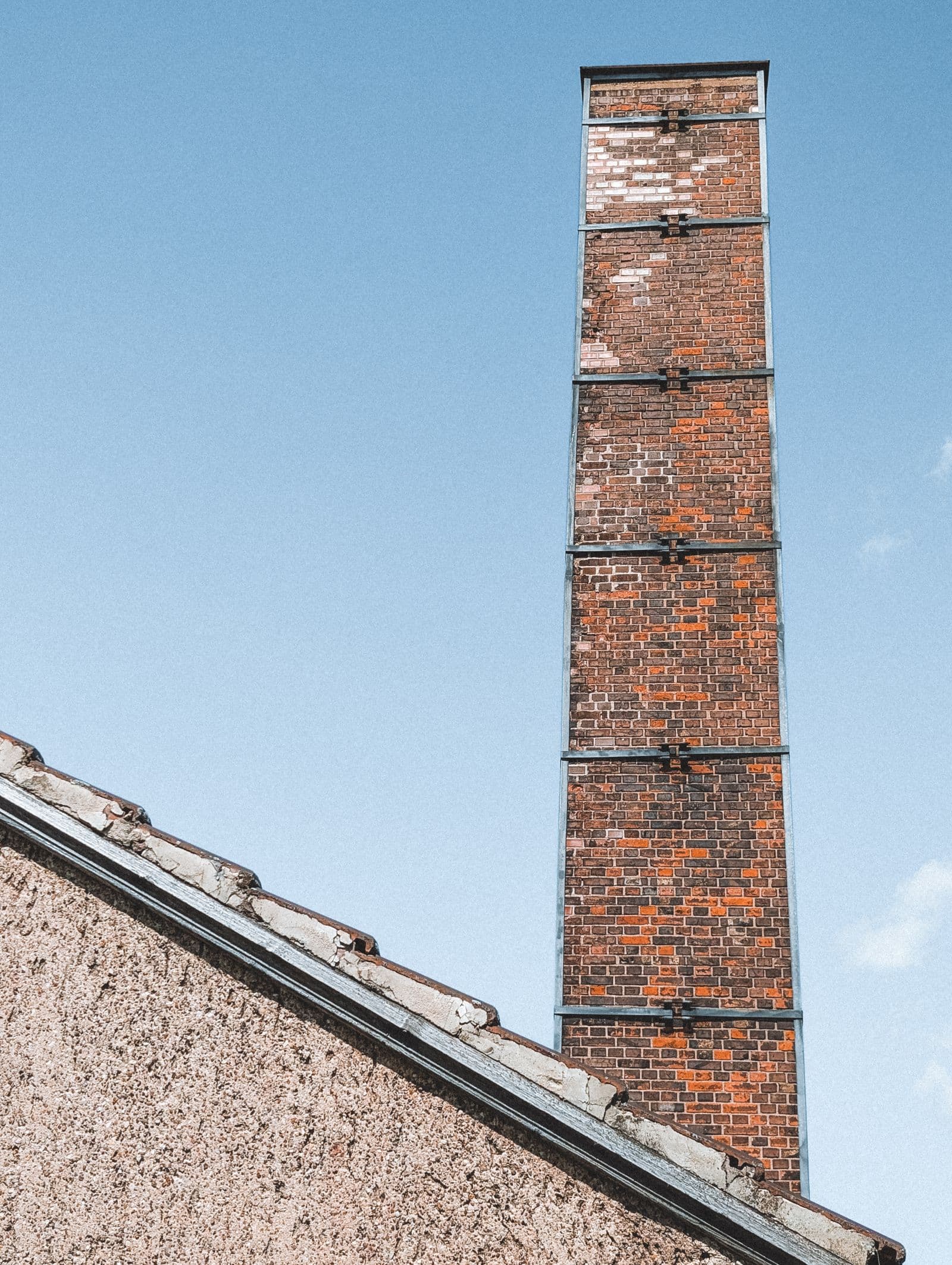
Masonry that old, in this climate, shows its age in predictable places. Mortar joints soften and wash out grain by grain through decades of summer storms, and the crown (the concrete slab that sheds water off the top of the stack) develops hairline cracks that let rain straight into the structure. Neither problem looks dramatic from the driveway, which is exactly why they get ignored until a stain appears on the ceiling. Careful chimney masonry work and timely crown repair keep an original Deltona chimney sound for decades more; deferred, the same issues end in rebuild territory.

Older flue liners can crack or shift where the condition is not visible from the room. Whether relining or another repair is appropriate depends on a separately scoped inspection and system compatibility; any proposed recommendation depends on the condition at the property.

Living with the lakes: humidity that never quits

The name isn’t marketing: Deltona Lakes really is laced with lakes, with Lake Monroe and the St. Johns River running along the community’s southern edge. All that water, deep inland with no sea breeze to move it along, means the air here stays heavy from spring well into fall. For a chimney fire, suspected carbon monoxide or gas, an unstable chimney, or another immediate danger, leave the area and call 911 or the utility first.

The first symptom most homeowners notice is the smell: that musty, campfire-gone-stale odor drifting from the fireplace in July. It’s the smell of damp creosote, and it usually means the flue is overdue for attention. A thorough chimney cleaning removes the deposits that hold the moisture, and a properly fitted chimney cap helps reduce rain and wildlife entry. The quieter damage is corrosion: dampers, firebox parts, and chase components rust slowly in that trapped damp air whether the fireplace is used or not.

Brick itself drinks water here. Months of storms leave masonry saturated, which accelerates mortar erosion and feeds the damp-flue cycle from the outside in. A breathable water repellent (the kind that sheds rain while letting trapped vapor escape) is one of the most cost-effective things you can do for an older stack, and chimney waterproofing is best scheduled in the drier months, before the summer pattern sets in.

Lightning alley afternoons and leak season

The I-4 corridor sits in the heart of Florida’s lightning alley, and Deltona gets the full treatment: from June into September, most afternoons build toward an hour of violent rain, wind, and lightning. Your chimney is the highest, most exposed thing on the house, and it takes those storms head-on: driving rain tests the crown, gusts work at the cap, and water probes the flashing where the stack meets the roof.

Chimney leaks rarely announce themselves at the chimney. They surface as a ceiling stain a few feet away, paint peeling in a corner, or a damp smell in a room you seldom use, often weeks after the water first got in. Real chimney leak repair starts with finding the actual entry point (crown, cap, saturated brick, or tired flashing), because caulking the wrong spot doesn’t stop the water, it just reroutes it somewhere less visible.

Hurricane season runs June through November, and Deltona’s inland position spares it the coast’s surge but not the weather. Tropical systems crossing the peninsula drag rain bands and gusty wind over west Volusia, enough to strip a loose cap, lift flashing that was already tired, and drive rain sideways into mortar joints that ordinary vertical storms never test. After any system passes close, a two-minute look at the stack from the ground (anything shifted, missing, or newly stained) is a habit worth keeping, and anything that looks wrong deserves professional eyes before the next front arrives.

Real burn nights in west Volusia winters

West Volusia sits far enough inland (and far enough north) that winter shows up for real a few times each season. Cold fronts that barely register on the coast drop clear, chilly nights over Deltona, with the occasional genuine cold snap dipping toward frost. Fireplaces that have sat idle since spring suddenly burn for several nights straight, and that stop-start rhythm is exactly what catches homeowners out: problems that built quietly all year announce themselves on the first cold evening.

The fix is timing. A proper chimney sweep in October or November clears out last season’s creosote and confirms the damper, smoke chamber, and flue are ready to run before you need them. NFPA 211, the fire-safety standard for chimneys and fireplaces, recommends an annual inspection even for lightly used systems, and in a community where much of the housing stock is original-era construction, that guidance is worth taking seriously. Booking ahead of the first front also beats competing for a slot in January, when every schedule in Volusia County fills at once.

Light use isn’t a pass, either. A flue that burns five nights a year still spends the other 360 collecting humidity, odors, and sometimes nesting animals, and storm damage doesn’t wait for burn season. An annual look is quick, and it’s the difference between knowing and hoping when the first cold night arrives.

Straightforward chimney help, the Deltona Lakes way

The rhythm that serves Deltona Lakes homeowners best is seasonal: waterproofing and masonry work in the drier months when brick can be properly prepped, a sweep and inspection each fall before the first cold front, and a fast call after any storm that visibly moved something. On a street of original 1960s and 70s homes, the chimneys age together, which means the neighbor’s spalling brick or ceiling stain is a preview, not a coincidence. Getting ahead of it costs far less than reacting to whatever the next storm season reveals.

None of it is complicated. It’s simply the maintenance cadence this particular corner of Central Florida rewards: a community built all at once, on the lakes, in the middle of lightning alley. A technician can visit the property and give a free estimate.

Talk with our team

Need chimney and fireplace service in Deltona Lakes?

Tell us what you are seeing and include your property's ZIP code. We will use those details to understand the service request.

Frequently Asked

Before Hiring a Chimney Company in Deltona Lakes: Common Questions

How often should a Deltona Lakes fireplace be swept?
NFPA 211 guidance is an inspection every year, with sweeping whenever deposits warrant it. West Volusia gets real burn nights each winter, so an annual rhythm genuinely fits here. The smart timing is October or November: get the flue cleared and checked before the first cold front, when demand spikes and every schedule in the county fills at once.
My house is one of the original Deltona builds. Are repairs different?
Somewhat, yes. First-generation Deltona Lakes homes have been through sixty years of Florida weather, so the usual suspects are eroded mortar joints, cracked crowns, and clay tile liners that have shifted or cracked inside the flue. The right approach is matching the repair to the era (sound repointing, crown work, and relining where the liner has failed) rather than cosmetic patches that wash out in a season or two.
Why does my Deltona Lakes fireplace smell musty every summer?
That’s damp creosote. Between the lakes and the inland humidity, a closed-up flue holds moist air against soot deposits all summer, and the result is that stale-campfire odor in July. A thorough cleaning removes the deposits that hold the moisture, and a properly fitted cap keeps rain and animals out of the flue. If the smell returns quickly, it’s worth checking for water getting in higher up.
Does hurricane season matter as far inland as Deltona Lakes?
Deltona is spared the coast’s storm surge, but tropical systems crossing the peninsula still drag rain bands and gusty wind over west Volusia, enough to strip a loose cap, lift tired flashing, and drive rain sideways into mortar joints. After any storm passes close, take a two-minute look at the stack from the ground; anything shifted, missing, or newly stained deserves professional eyes before the next front.
What do chimney repairs around Deltona Lakes usually cost?
Honest answer: it depends on which part of the chimney failed, and that is not something anyone can tell you over the phone. A cap swap and a crown that has to be re-cast are different jobs on the same chimney. What moves the number is roof access and stack height, the materials appropriate to the chimney and its exposure, how far the failure has already run, and whether several items can share one visit instead of three separate trips. A technician can visit the property and give a free estimate. Every approved paid job requires a deposit. If you cancel after paying the deposit, the company keeps it.

Ready to schedule chimney service in Deltona Lakes?

Tell us what you are seeing, include your property's ZIP code, and call to request a technician estimate visit.