Stucco chimney repair for cracks and localized finish failure
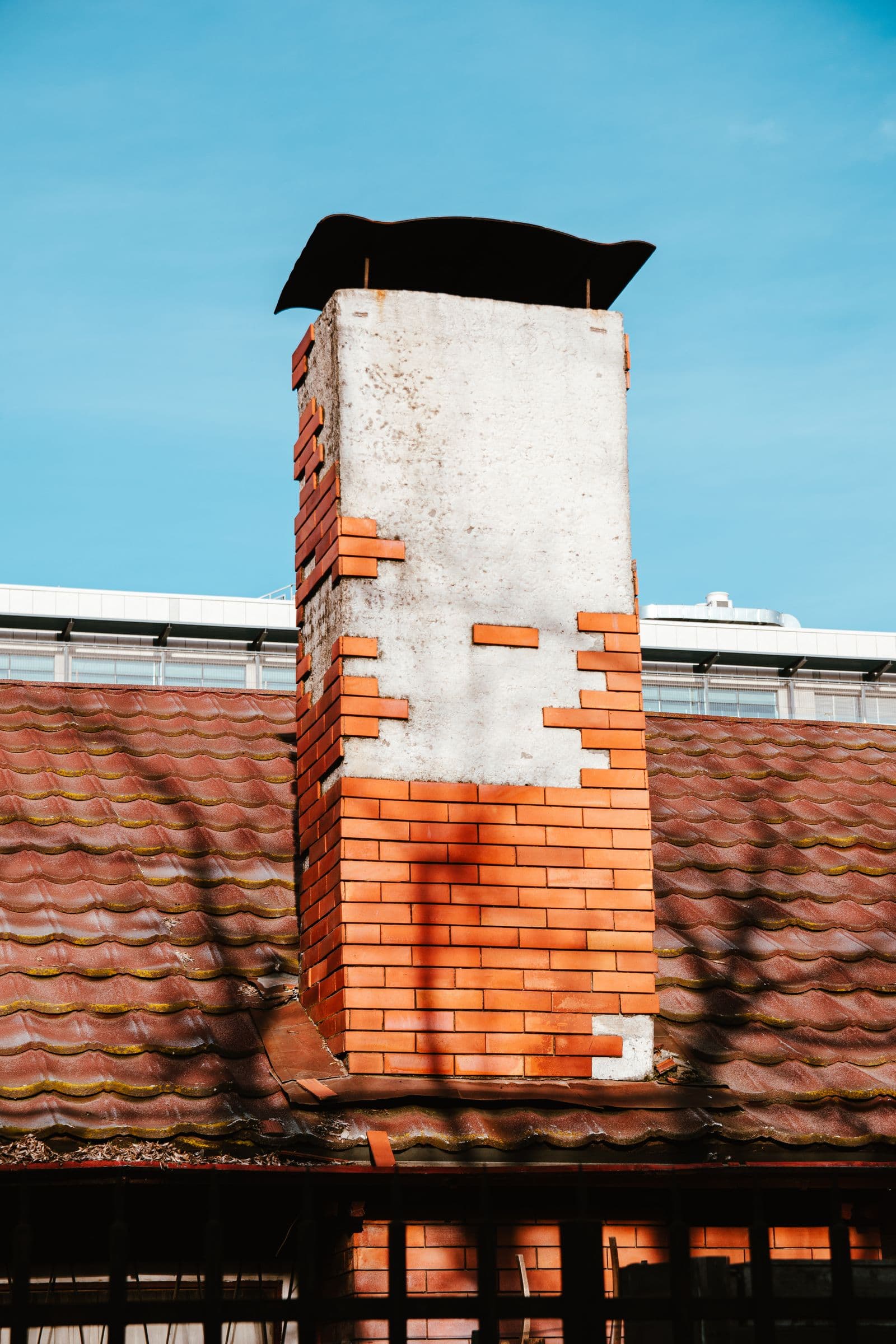
Stucco chimney repair addresses localized damage in the exterior finish of a chimney or framed chase. Hairline cracking, wider separation, hollow-sounding areas, loose patches, staining, and exposed substrate do not all have the same cause. The key question is whether the concern is limited to the finish or connected to moisture, movement, or deterioration behind it.
Cracks are clues, not a complete diagnosis
A narrow surface crack can differ from a stair-step crack, a recurring joint crack, or an area pulling away from the substrate. The location and pattern matter. Cracks near corners, the chase top, roofline, or material transitions may reflect conditions that a surface patch alone will not resolve. Active movement and structural questions should be separated from cosmetic repair.
Repair versus rebuilding the stucco chimney
Repair can make sense when damage is localized and the surrounding assembly remains stable. A broader chimney rebuild is a different scope for extensive delamination, broad substrate failure, or concealed frame damage. Applying a new finish over unsound material can improve appearance temporarily without correcting what supports it.
Moisture and compatibility affect the result
Staining, bubbling paint, recurring cracks, or soft material can indicate water reaching the stucco assembly. Chase-cover edges, roof flashing, penetrations, trim joints, and previous coatings may be relevant. Repair materials and finish coats also need to be compatible with the existing wall; an exact visual match can depend on texture, age, color, weathering, and the size of the repaired area.
What affects a stucco chimney repair estimate?
Damage area, height, access, crack pattern, substrate condition, removal needs, texture, coating, finish transition, and any related water-entry concern can affect the scope. Describe whether the area changes after rain and whether an earlier patch has reopened when requesting an estimate.