Proudly American-Owned

Chimney & Fireplace Company in Winter Springs, FL

Talk with chimney and fireplace specialists serving Winter Springs about repair, sweeping, inspection, or installation. The technician estimate visit is free.

Free Winter Springs Estimate

10% OFFFirst service

Family-Owned

A family-owned company serving Winter Springs properties.

Proudly American-Owned

An American-owned chimney and fireplace company.

Free Estimate Visit

A technician can visit the property and provide a free estimate.

Professional Chimney & Fireplace Service for Winter Springs Homes

Winter Springs sits on the south side of Lake Jesup in the heart of Seminole County, a quiet, tree-lined Orlando suburb where the 'winter' in the name is mostly wishful thinking. What the city actually gets is lightning-alley summers, a long humid season, and just enough cold snaps to remind fireplaces they exist.

Name the symptom at the Winter Springs address, then open the matching page: chimney repair in Winter Springs, chimney sweeping, inspection, leak repair, cap replacement, crown repair, flashing repair, waterproofing, masonry repair, relining, rebuild, hurricane repair, gas fireplace repair, animal removal, or fireplace repair. The technician estimate visit is free.

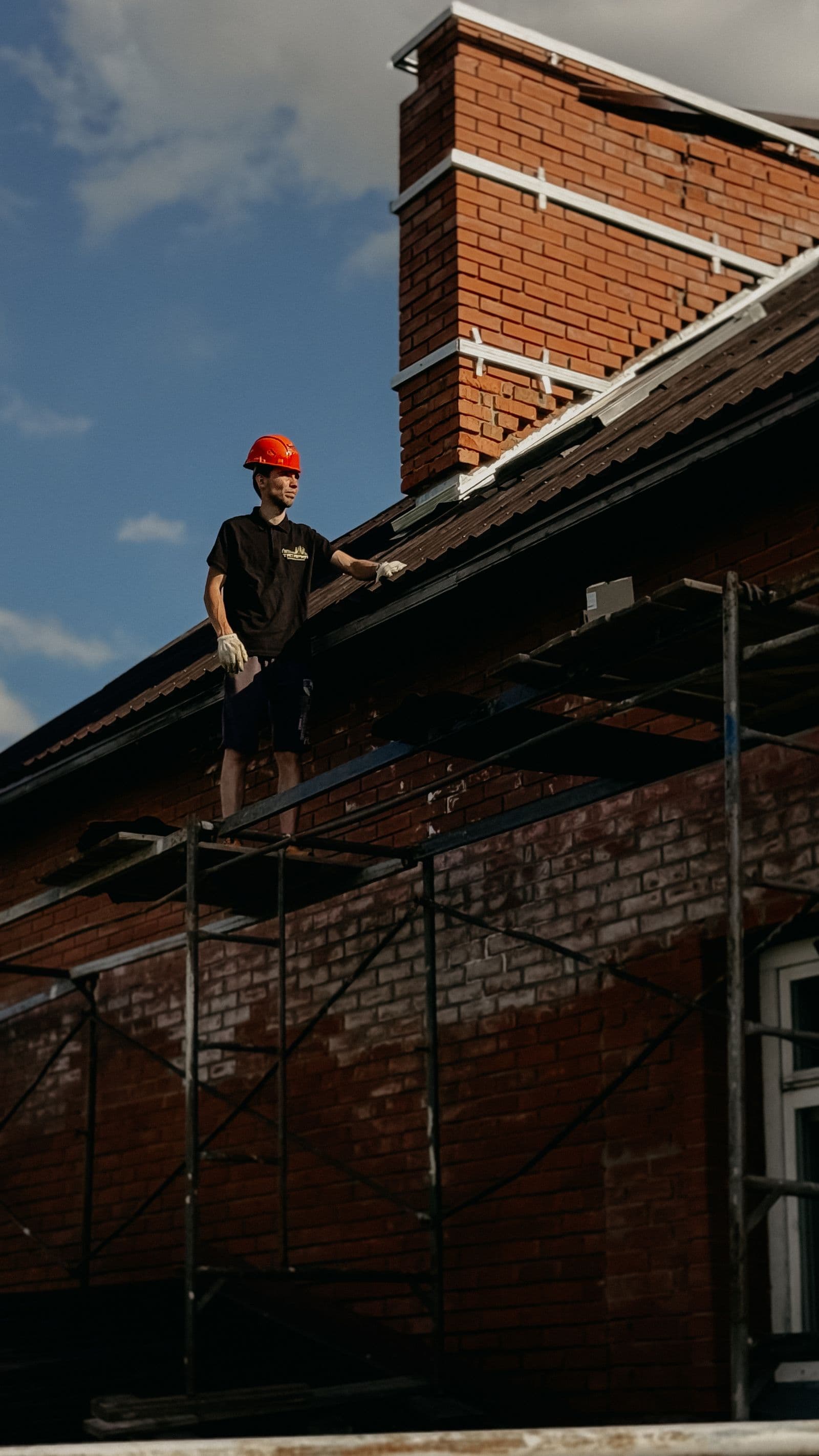
A worker in a hard hat on scaffolding beside a brick house with a tall brick chimney

What happens next

How chimney and fireplace service works in Winter Springs

The estimate visit is separate from any paid work, so you can review the estimate before deciding.

  1. Tell us what you are seeing

    Call or send the estimate form with the service or concern you want reviewed. Include your property's ZIP code in Winter Springs.

  2. Get a free estimate visit

    A technician can visit the property and provide a free estimate for chimney or fireplace service.

  3. Approve the work before it begins

    Paid work requires a deposit. If you cancel after paying the deposit, the company retains it.

Understanding Winter Springs properties

Winter in Winter Springs: short, sudden, and hard on idle fireplaces

Central Florida winters are mild until, briefly, they aren't. Most of the season, Winter Springs evenings hover in the comfortable 50s and 60s. Then a cold front drops through Seminole County, overnight temperatures dive toward the 30s, frost shows up on the lawn, and every fireplace in the neighborhood gets lit at once. That pattern (eleven months of nothing, then a week of nightly fires) is exactly how hidden problems announce themselves, because a flue that sat untouched since last January gets zero warm-up laps before it's asked to perform.

A separately scoped chimney inspection may evaluate the flue and relevant components. A technician can visit the property and give a free estimate.

The other eleven months matter too. For a chimney fire, suspected carbon monoxide or gas, an unstable chimney, or another immediate danger, leave the area and call 911 or the utility first. That's the source of the musty 'fireplace smell' homeowners notice in July, and it's also why dampers and firebox components quietly corrode in homes that barely burn. The chimney never really goes off duty here; it just switches from fire season to moisture season.

Suburban Seminole County housing, and the two kinds of chimneys it built

Winter Springs grew up as Orlando grew out. Much of the housing stock dates from the 1970s through the 2000s (waves of subdivisions and planned communities filling in the oak and pine country between Lake Jesup and the older towns to the south), with newer construction still adding to the edges. That growth history left the city with two very different chimney populations, and they fail in very different ways.

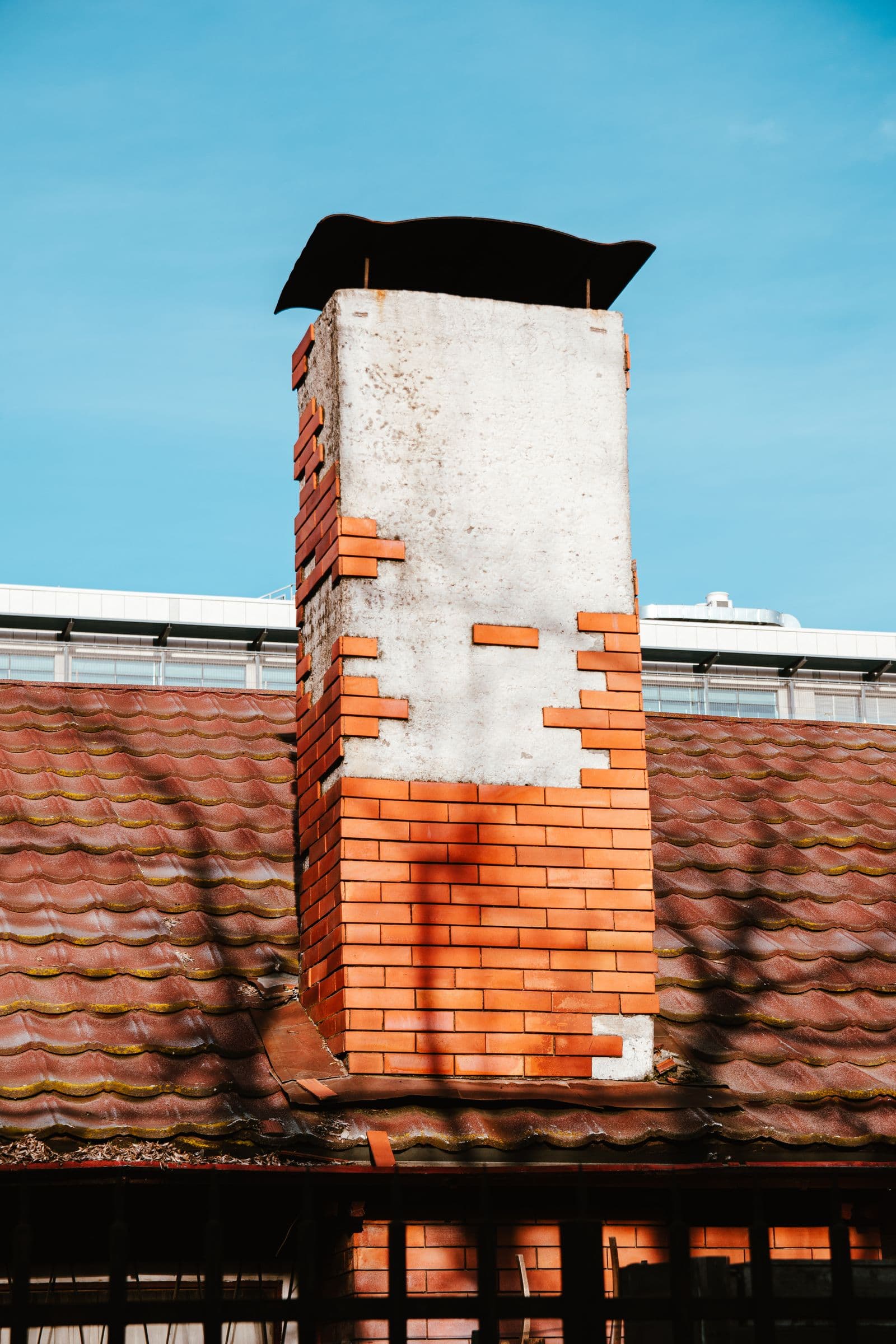
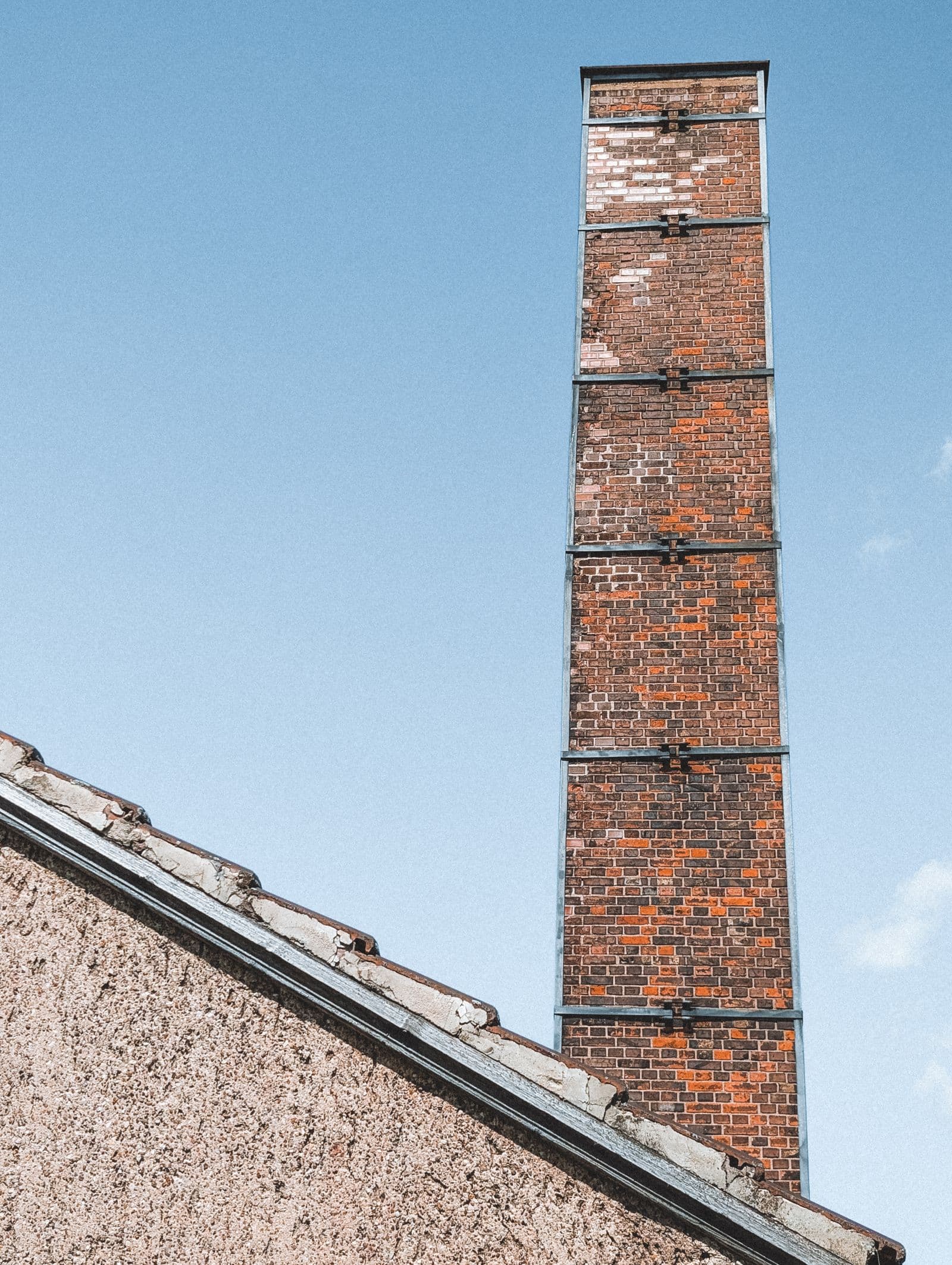
The older side of that split is concrete-block and masonry: ranch and two-story homes with real brick or block chimneys, poured crowns, and clay-tile flues. Their weak points are mortar joints softened by decades of storm seasons, crowns with hairline cracks that drink rainwater, and tile liners that have shifted or cracked with age. That's chimney masonry territory: repointing, crown repair, and when a liner has genuinely deteriorated, relining that brings the flue up to modern expectations without touching the exterior.

The newer side is the factory-built fireplace in a framed, sided chase, the standard setup in much of the city's 1980s-and-later stock. These systems live or die by their sheet metal: a rusting chase cover ponding water on top, a missing or undersized cap letting rain and animals straight in, and connections that work loose over years of heat cycles. A correctly fitted chimney cap and a sound, properly pitched chase cover help reduce common cap- and cover-related water entry here: small parts with outsized consequences. The chimney type and observed condition should be evaluated before any repair scope or materials are proposed.

Lightning alley, afternoon storms, and leak season

Central Florida is the most lightning-struck region in the country, and Seminole County sits squarely inside it. From June into September, Winter Springs gets its rain the local way: a towering afternoon thunderstorm most days, delivering a violent hour of lightning, wind, and near-horizontal rain. Your chimney is the tallest, most exposed thing on the house, and it absorbs that punishment daily for an entire season.

Water finds every weakness. Hairline cracks in a crown let it into the masonry core; tired flashing lets it under the shingles at the roofline; bare brick simply soaks it up storm after storm. And chimney leaks almost never announce themselves at the chimney. They surface as a ceiling stain a few feet away, bubbling paint in a corner, or a damp smell in a room nobody uses. Real chimney leak repair starts by finding the actual entry point (crown, flashing, cap, or saturated masonry), because caulking the wrong spot just reroutes the water somewhere less visible.

Prevention is cheaper than drywall. A breathable water repellent applied before the rains, the kind that sheds storms but lets trapped vapor escape, keeps brick from spending the summer saturated, which protects it through the occasional winter freeze too. Chimney waterproofing in the drier months, when masonry can be properly prepped, is one of the highest-value hours a Winter Springs chimney ever gets.

Hurricane season runs June through November, and while Winter Springs is well inland of any storm surge, crossing tropical systems still drag heavy rain bands and gusting wind across Seminole County, enough to strip a loose cap, peel back flashing that was already tired, and drive rain sideways into joints that ordinary storms never test. After any system passes close, a two-minute look at the stack from the yard is worth the habit, and anything visibly shifted, missing, or newly stained deserves professional eyes. For a chimney fire, suspected carbon monoxide or gas, an unstable chimney, or another immediate danger, leave the area and call 911 or the utility first.

Oaks, wildlife, and the Lake Jesup effect

Winter Springs earns its tree-city feel honestly. Mature live oaks shade many of the established neighborhoods, and the wetlands around Lake Jesup keep the north side of the city genuinely wild. Lake Jesup is famous for its alligators, but the wildlife that concerns your chimney is smaller and more athletic: raccoons, squirrels, and birds treat an uncapped flue as prime real estate, especially in spring nesting season and again when fall cold fronts send everything looking for shelter.

An animal in the flue is more than a noise problem. Nests block airflow and can ignite; animals can die in the flue and make the house unlivable until they're found; and raccoons in particular will tear at a damaged cap or chase cover to force entry. Humane chimney animal removal handles the immediate tenant, and a properly secured cap with intact screening closes the door behind them. The cap is the cheapest piece of hardware on the chimney and the one that prevents the most misery.

The oak canopy adds its own slow pressure. Leaves and acorns collect on caps and in crown corners, holding moisture against metal and masonry; branches shed onto roofs in every strong storm; and shaded chimneys dry slower after rain, which accelerates staining and mortar wear on the north-facing side. None of this is dramatic on any given day; it's the kind of quiet accumulation that a yearly maintenance visit catches while it's still a brush-and-sealant fix instead of a rebuild conversation.

Straightforward chimney help for Winter Springs

A technician can visit the property and give a free estimate.

Talk with our team

Need chimney and fireplace service in Winter Springs?

Tell us what you are seeing and include your property's ZIP code. We will use those details to understand the service request.

Frequently Asked

Questions Winter Springs Homeowners Ask About Chimney & Fireplace Service

How often should a Winter Springs fireplace be swept?
NFPA 211 guidance is an inspection every year, with sweeping whenever deposits warrant it. Winter Springs fireplaces burn less than northern ones, but Central Florida's humid off-season adds its own problems (moisture, odor, corrosion, and nesting animals), so the annual check still earns its keep. The smart timing is early fall, before the first cold front fills every schedule in Seminole County.
Why does my Winter Springs chimney smell musty in summer?
That's humidity doing its work. A closed-up flue holds damp Central Florida air against creosote and soot for months, and the mix produces that sour 'fireplace smell' homeowners notice in July. A sweep removes the deposits feeding the odor, and a properly fitted cap plus a working damper cut down the moist air feeding it. If the smell is sharp or animal-like instead of musty, have the flue checked promptly.
Can afternoon thunderstorms really damage a chimney in Winter Springs?
Cumulatively, yes. Seminole County sits in the most lightning-active region in the country, and a full summer of daily storms drives water into every hairline crack in a crown, every tired flashing joint, and straight into bare brick. The damage shows up later as ceiling stains and spalling. Waterproofing before the rains and a fall inspection afterward are the two habits that keep storm season from compounding.
Do animals really get into chimneys around Winter Springs?
Regularly. Between the mature oak canopy and the Lake Jesup wetlands, Winter Springs has no shortage of raccoons, squirrels, and birds, and an uncapped or damaged flue is exactly the den they're looking for, especially in spring and during fall cold snaps. Humane removal handles the current tenant; a secure, screened cap keeps the next one out. Never light a fire to drive an animal out.
My home has a builder-installed prefab fireplace in a sided chase. Do you service those?
Yes. They're a large share of Winter Springs housing from the 1980s onward. Prefab systems fail differently than masonry: rusting chase covers, missing caps, and worn components rather than crumbling mortar. The service visit focuses on the sheet metal up top and the condition of the unit itself, and most fixes are small parts caught early. A technician can visit the property and give a free estimate.
What do chimney repairs in Winter Springs usually cost?
Honest answer: it depends on which part of the chimney failed, and that is not something anyone can tell you over the phone. A cap swap and a crown that has to be re-cast are different jobs on the same chimney. What moves the number is roof access and stack height, the materials appropriate to the chimney and its exposure, how far the failure has already run, and whether several items can share one visit instead of three separate trips. A technician can visit the property and give a free estimate. Every approved paid job requires a deposit. If you cancel after paying the deposit, the company keeps it.

Ready to schedule chimney service in Winter Springs?

Tell us what you are seeing, include your property's ZIP code, and call to request a technician estimate visit.