
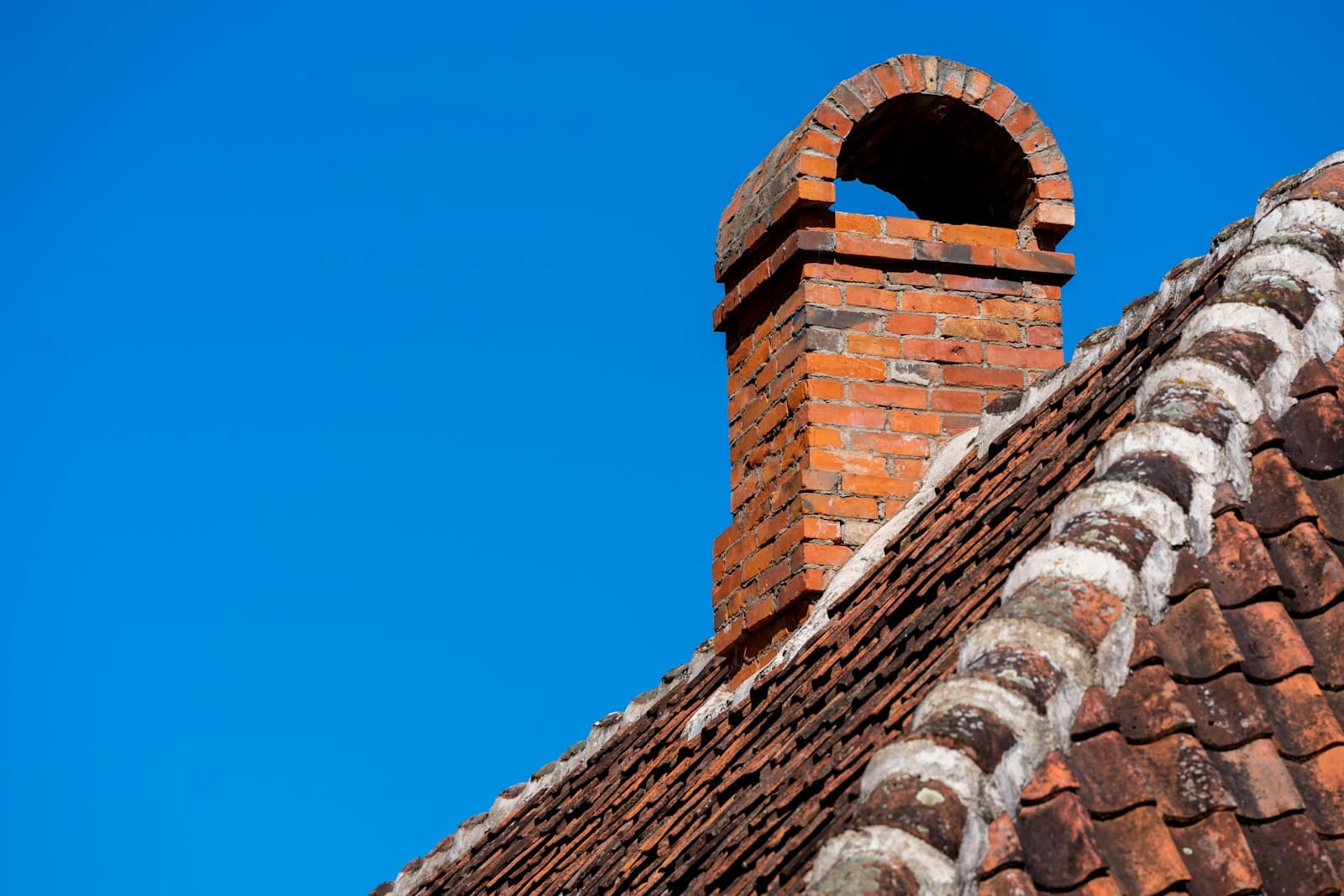
Chimney Cap Replacement in Wesley Chapel, FL: Matching the Scope to the Property
A missing, loose, or deteriorated cap leaves the chimney opening exposed. Chimney cap replacement in Wesley Chapel starts with identifying that opening: a masonry flue and a manufactured chimney termination do not necessarily use the same component. A cap is also different from the broad metal cover over a framed chase.
Choose a cap that suits the opening
The opening shape, mounting surface, exhaust passage, and existing system matter more than a cap that looks similar in a photograph. Screens and other features must suit the connected appliance rather than being assumed universal. Depending on the chimney, these details help distinguish compatible cap options from an unsuitable replacement:
- The number and shape of flue openings being covered
- The existing attachment surface and any damaged material beneath it
- Required exhaust space and compatibility with the connected appliance
- Material options, screen configuration, and access for future maintenance
How chimney cap installation needs are evaluated
Several flues require consideration of their positions, heights, and the appliances they serve. Both standard-size and custom multi-flue covers exist; the number of openings alone does not establish that a custom part is necessary. Ask why the proposed cover fits the assembly and meets the connected systems' clearance and venting requirements.
Screen configuration must be compatible with the appliance and termination. Do not add finer mesh to a gas vent, or replace a specified termination with a generic screened cap, based on animal exclusion alone. Ask whether the proposed component is suitable for the connected system and how it will remain accessible for maintenance.
The clearance between a cap and its flue openings must follow the applicable system and product requirements. A cover that looks large enough in a photograph may still be unsuitable. If smoke enters the room, stop using the fireplace and have the system assessed rather than assuming that changing the lid height will solve the problem.
How the cap is anchored, and what changes the job
Roof height, pitch, surface material, and the chimney's location affect access. Those details can influence the work even when the replacement part is small. Describe access restrictions when booking and let the technician determine a suitable approach; do not climb onto the roof to obtain measurements for the estimate.
An older cap may show several issues at once, such as a damaged screen and a loose attachment. Ask whether the existing component can be retained and what supports that recommendation. Age or appearance alone is not a substitute for checking the condition and compatibility of the assembly.