Proudly American-Owned

Chimney & Fireplace Company in Summerfield, FL

Hire a chimney repair and fireplace company serving Summerfield, FL for repair, sweeping, inspection, or installation. Request a free technician estimate visit.

Free Summerfield Estimate

10% OFFFirst service

Family-Owned

A family-owned company serving Summerfield properties.

Proudly American-Owned

An American-owned chimney and fireplace company.

Free Estimate Visit

A technician can visit the property and provide a free estimate.

Reliable Chimney Repair & Fireplace Service in Summerfield, FL

Summerfield sits in southern Marion County, where pasture and pine share the landscape with fast-growing retirement neighborhoods. It is far enough north and inland that a fireplace here can earn its keep in winter.

Name the symptom at the Summerfield address, then open the matching page: chimney repair in Summerfield, chimney sweeping, inspection, leak repair, cap replacement, crown repair, flashing repair, waterproofing, masonry repair, relining, rebuild, hurricane repair, gas fireplace repair, animal removal, or fireplace repair. The technician estimate visit is free.

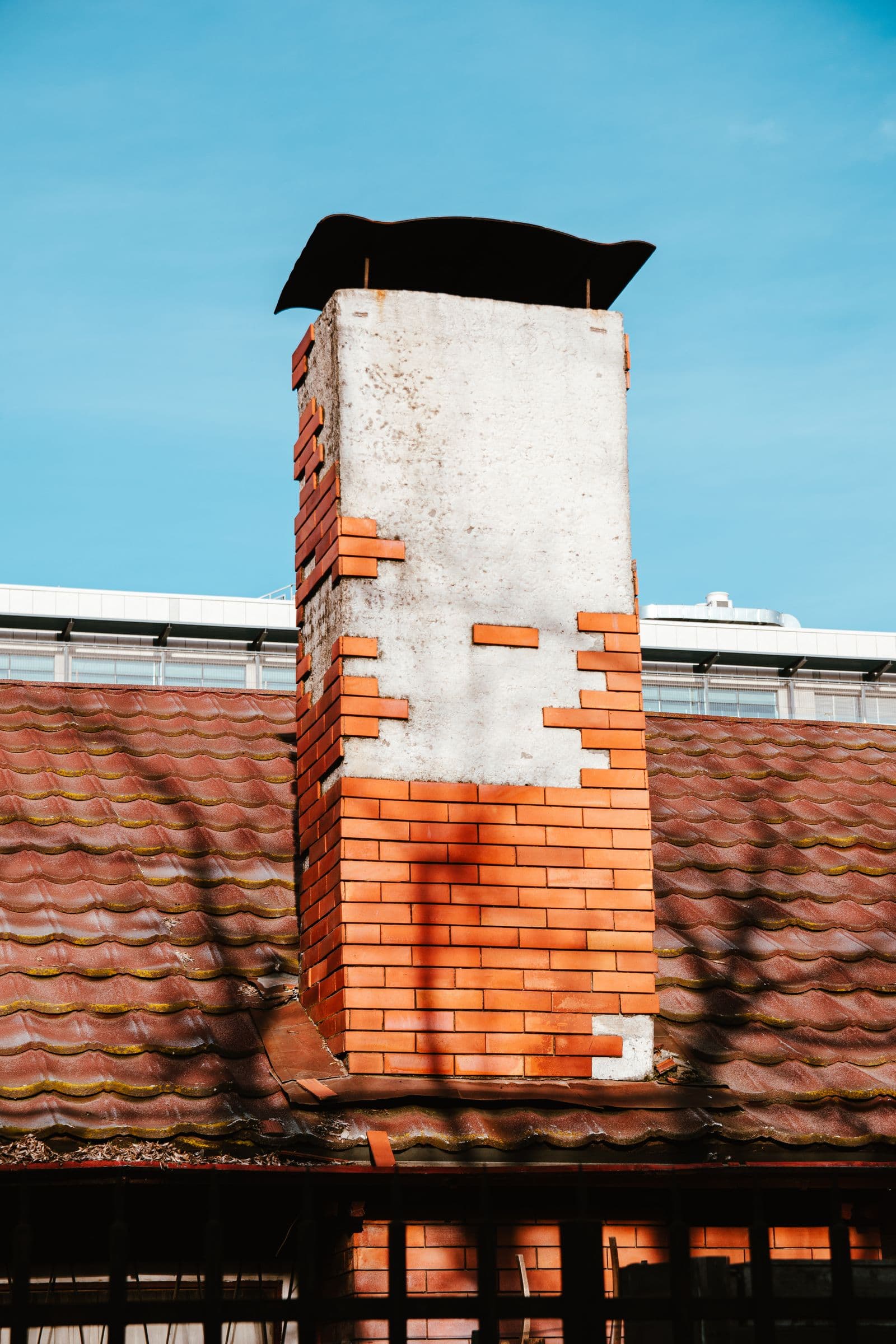
A chimney passing through a clay tile roof

What happens next

How chimney and fireplace service works in Summerfield

The estimate visit is separate from any paid work, so you can review the estimate before deciding.

  1. Tell us what you are seeing

    Call or send the estimate form with the service or concern you want reviewed. Include your property's ZIP code in Summerfield.

  2. Get a free estimate visit

    A technician can visit the property and provide a free estimate for chimney or fireplace service.

  3. Approve the work before it begins

    Paid work requires a deposit. If you cancel after paying the deposit, the company retains it.

Understanding Summerfield properties

Why Summerfield winters put fireplaces to work

Southern Marion County doesn’t get the postcard-Florida winter. This is inland north-central Florida, and when a cold front clears through, mornings dip into the 30s, frost settles on the pastures, and most years bring at least one genuinely hard freeze. Fireplaces that sat untouched since spring suddenly burn for several nights straight, and that stop-start rhythm is exactly what catches homeowners out, because a problem that built up quietly all year announces itself on the first cold night, right when every chimney company in the area is busiest.

More burn nights mean more creosote. Even well-seasoned oak leaves flammable deposits inside the flue, and a flue that only gets attention when something smells wrong is a flue building toward trouble. A proper chimney sweep before the first cold snap clears last season’s residue and confirms the damper, smoke chamber, and flue are ready to run. Doing it in October beats discovering an issue in January.

The other nine months matter too. For a chimney fire, suspected carbon monoxide or gas, an unstable chimney, or another immediate danger, leave the area and call 911 or the utility first. That’s the musty ‘fireplace smell’ so many homeowners notice in July, and it’s also slow corrosion of dampers and firebox parts that nobody sees happening. The chimney works year-round here, just not always the way you’d hope.

Two kinds of Summerfield homes, two kinds of chimney work

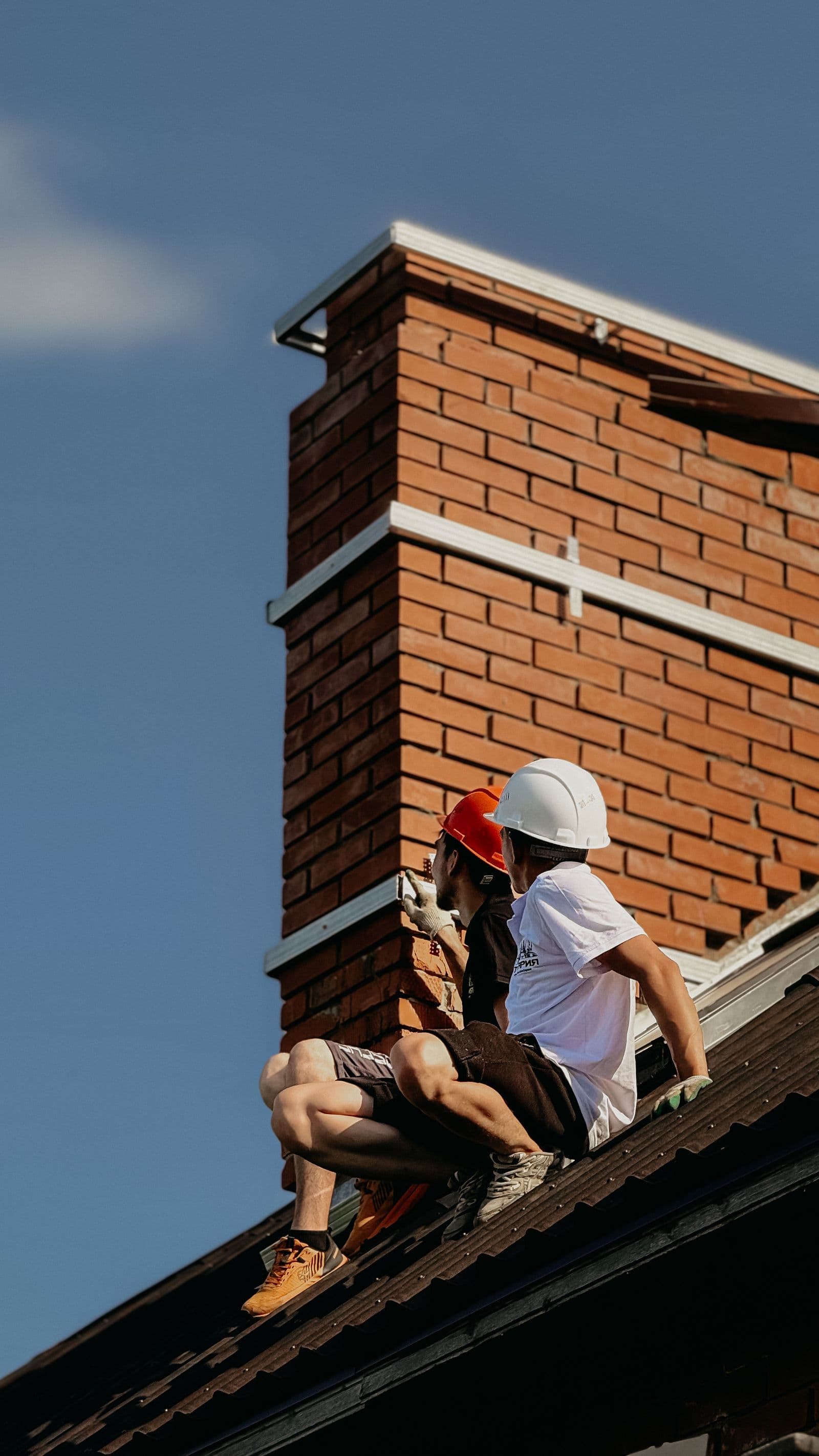
Summerfield’s older character is rural. Along the back roads you’ll find acreage properties, farmhouses, and older frame and block homes, and a fair number carry genuine masonry chimneys that have stood fully exposed to wind and driving rain across open land for decades. Stacks like that weather harder than a chimney tucked into a dense subdivision: mortar joints wash out sooner, crowns crack sooner, and the fix is real trowel work. Careful chimney masonry repair that matches the existing brick and mortar keeps an older stack sound without making the repair the first thing you see from the driveway.

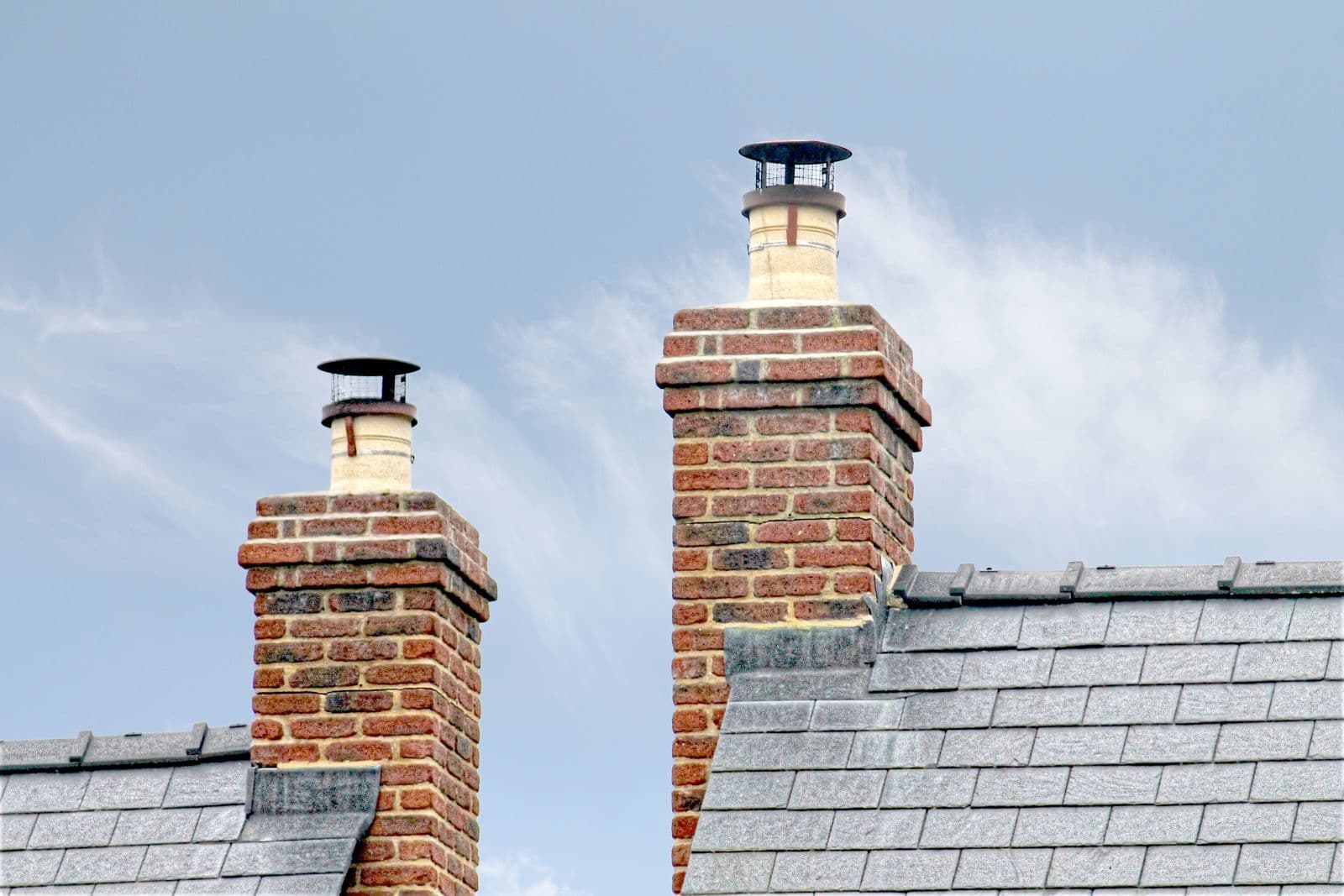
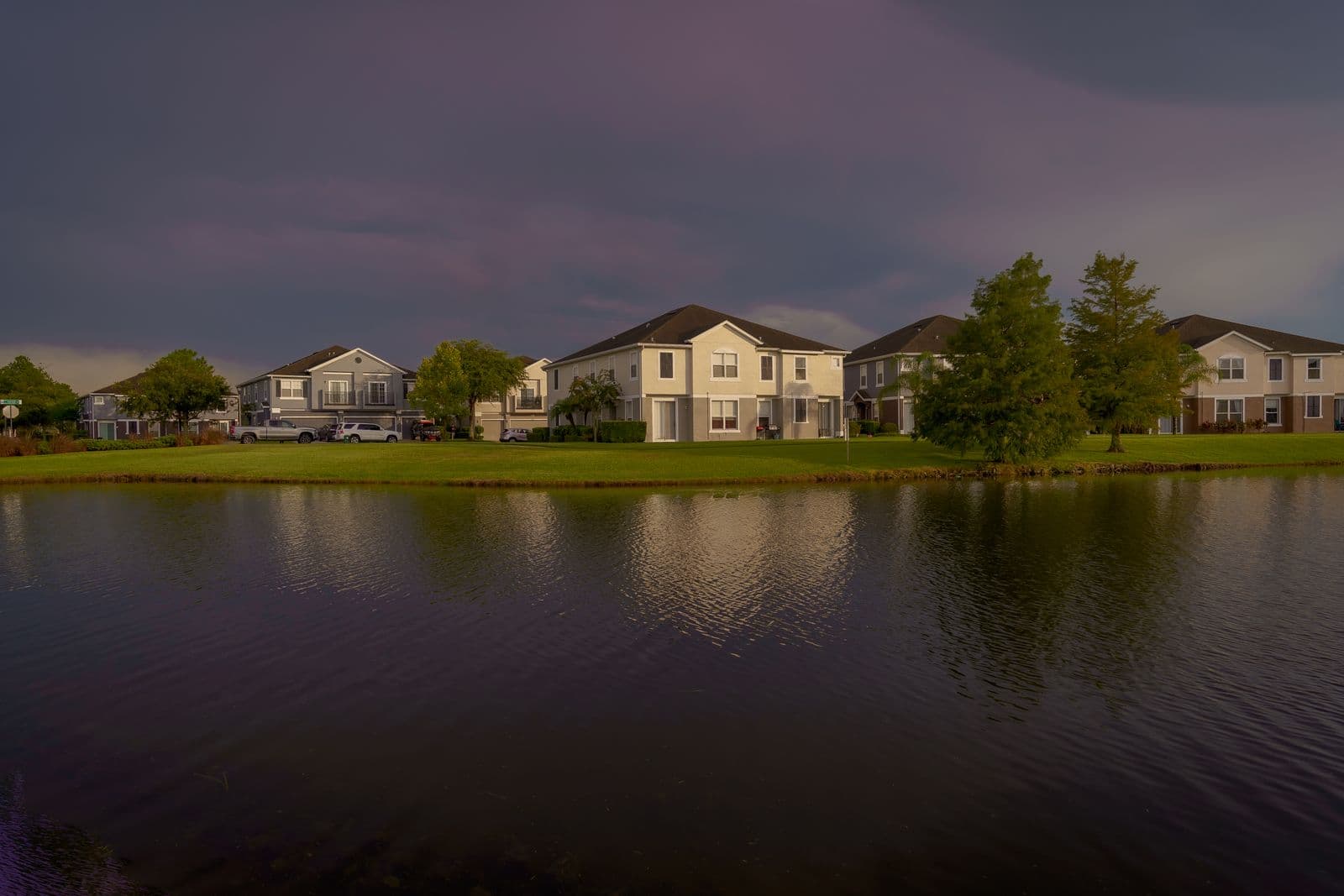
Much of Summerfield’s growth, though, has come from large planned communities: concrete-block homes from the 1990s onward, many built around golf-course retirement living. These homes mostly use factory-built fireplaces housed in framed, sided chases rather than brick stacks, and their weak points are different: chase covers that rust and pond water, caps that go missing in a storm, and rain working in at the chase top. A correctly fitted chimney cap and a sound, properly pitched chase cover may address common cap- and cover-related water-entry paths when those components are the source. Small parts, outsized consequences.

The practical point: ‘chimney service’ in Summerfield means two different trades depending on your address: masonry restoration on the rural homesteads, sheet-metal-and-sealant precision in the newer communities. The chimney type and observed condition should be evaluated before any repair scope or materials are proposed.

Summer storms, lightning season, and leaks

From June into September, this part of Florida gets its rain the loud way: a violent hour most afternoons, in one of the most lightning-prone regions in the country. Your chimney is the most exposed thing on the house and takes those storms head-on. Hairline cracks in a crown let water into the structure, tired flashing lets it into the ceiling, and bare masonry simply drinks. Brick can absorb a startling amount of water over a single storm season.

The frustrating part is that chimney leaks rarely announce themselves at the chimney. They show up as a ceiling stain a few feet away, peeling paint in a corner, or a damp smell in a spare room. Real chimney leak repair starts with finding the actual entry point (crown, flashing, cap, chase top, or saturated masonry), because sealing the wrong spot doesn’t stop the water, it just reroutes it.

Prevention pays twice here. A breathable water repellent sheds the summer rain but lets trapped vapor escape, and it also protects masonry going into winter: brick that enters a January freeze saturated is brick that can spall when the water inside it turns to ice. Chimney waterproofing ahead of the wet season closes that loop for both ends of the year. And when hurricane season sends a system across the peninsula, Summerfield’s inland position spares it the surge but not the wind and rain bands. After any storm passes close, a two-minute look at the stack from the ground is a habit worth keeping.

Nine idle months: what moves into a quiet flue

A Summerfield flue spends most of the year doing nothing, and in a semi-rural area surrounded by pasture and woods, ‘nothing’ is an invitation. Squirrels, raccoons, and nesting birds treat an uncapped chimney as a hollow tree, and by the time you hear scratching (or light the first fire of the season over a nest), the problem is urgent. Humane chimney animal removal handles the immediate guest, and a proper cap with screening helps deter repeat wildlife entry.

Idle months also hide slower problems: moisture working on the damper, storm damage from a July afternoon nobody connected to the fireplace, mortar joints quietly opening up. That’s why the annual-inspection habit matters even for homeowners who only light a handful of fires a year: the check exists to find what the off-season did, not just what burning did.

A good habit for homes that sit quiet part of the year (common in an area where many homeowners spend months elsewhere) is a simple pre-season once-over before the first fire: open the damper and listen for debris, shine a flashlight up the flue, and step outside for a ground-level look at the cap and crown. Ten minutes in October tells you whether the system needs professional attention before you actually need the heat, and it turns the first cold front into a comfort instead of a scramble.

Straightforward chimney help, the Summerfield way

NFPA 211, the fire-safety standard for chimneys and fireplaces, recommends an annual inspection even for lightly used systems, and this area’s combination of real burn nights and brutal wet summers makes that guidance worth taking seriously. For a chimney fire, suspected carbon monoxide or gas, an unstable chimney, or another immediate danger, leave the area and call 911 or the utility first.

A technician can visit the property and give a free estimate.

Talk with our team

Need chimney and fireplace service in Summerfield?

Tell us what you are seeing and include your property's ZIP code. We will use those details to understand the service request.

Frequently Asked

Chimney, Fireplace & Estimate Questions in Summerfield

How often should a Summerfield fireplace be swept?
NFPA 211 guidance is an inspection every year, with sweeping whenever deposits warrant it. Southern Marion County gets real burn nights most winters, so an annual rhythm genuinely fits here. The smart timing is early fall: get the flue cleared and checked before the first cold front, when demand spikes and schedules across the area fill fast.
Can winter freezes actually damage a chimney in Summerfield?
Occasionally, yes. This part of Marion County sees regular frost and the odd hard freeze, and masonry that enters a freeze saturated from months of summer storms can spall as the water inside it expands. It’s one more reason a sound crown and waterproofing matter more here than they do further down the peninsula.
My home is in a retirement community with a factory-built fireplace. Is that something you service?
Yes. Much of Summerfield’s newer housing uses exactly that setup: a factory-built firebox and metal flue inside a framed, sided chase. The usual trouble spots are rusted chase covers, missing caps, and rain entering at the chase top, and all of them are routine fixes. A technician can visit the property and give a free estimate.
Why does my Summerfield chimney smell musty in summer?
Nine humid months against a closed flue. For a chimney fire, suspected carbon monoxide or gas, an unstable chimney, or another immediate danger, leave the area and call 911 or the utility first. A sweep removes the deposits that hold the odor, and a proper cap keeps rain from feeding the problem. If the smell is sharp or animal-like instead, have the flue checked for a nest.
What do chimney repairs around Summerfield usually cost?
Honest answer: it depends on which part of the chimney failed, and that is not something anyone can tell you over the phone. A cap swap and a crown that has to be re-cast are different jobs on the same chimney. What moves the number is roof access and stack height, the materials appropriate to the chimney and its exposure, how far the failure has already run, and whether several items can share one visit instead of three separate trips. A technician can visit the property and give a free estimate. Every approved paid job requires a deposit. If you cancel after paying the deposit, the company keeps it.
I only light a few fires a year. Do I really need an inspection?
A technician can visit the property and give a free estimate.

Ready to schedule chimney service in Summerfield?

Tell us what you are seeing, include your property's ZIP code, and call to request a technician estimate visit.