
Proudly American-Owned

Chimney & Fireplace Company in St Cloud, FL

Request a chimney repair and fireplace company serving St Cloud, FL. A technician can visit your property and give a free estimate.

Free St Cloud Estimate

10% OFFFirst service

Family-Owned

A family-owned company serving St Cloud properties.

Proudly American-Owned

An American-owned chimney and fireplace company.

Free Estimate Visit

A technician can visit the property and provide a free estimate.

Reliable Chimney Repair & Fireplace Service in St Cloud, FL

St. Cloud started life in 1909 as a retirement colony for Union Civil War veterans (the 'Soldier City'), and today it's one of Central Florida's fastest-growing towns, stretched between a historic lakefront core and brand-new rooftops marching toward Lake Nona. That mix of century-old chimneys and factory-built fireplaces, parked squarely in lightning alley, keeps a chimney pro honest.

Name the symptom at the St Cloud address, then open the matching page: chimney repair in St Cloud, chimney sweeping, inspection, leak repair, cap replacement, crown repair, flashing repair, waterproofing, masonry repair, relining, rebuild, hurricane repair, gas fireplace repair, animal removal, or fireplace repair. The technician estimate visit is free.
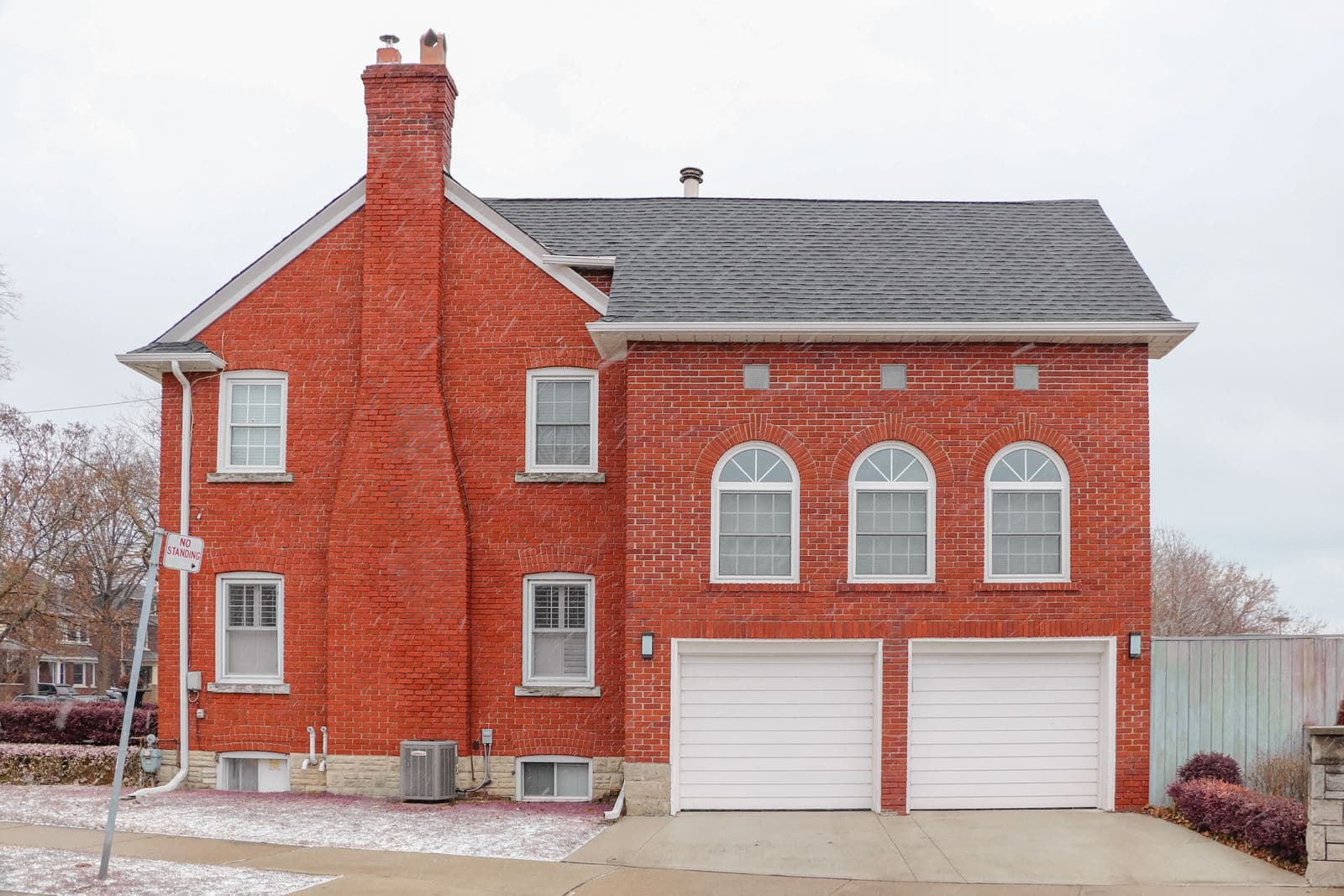
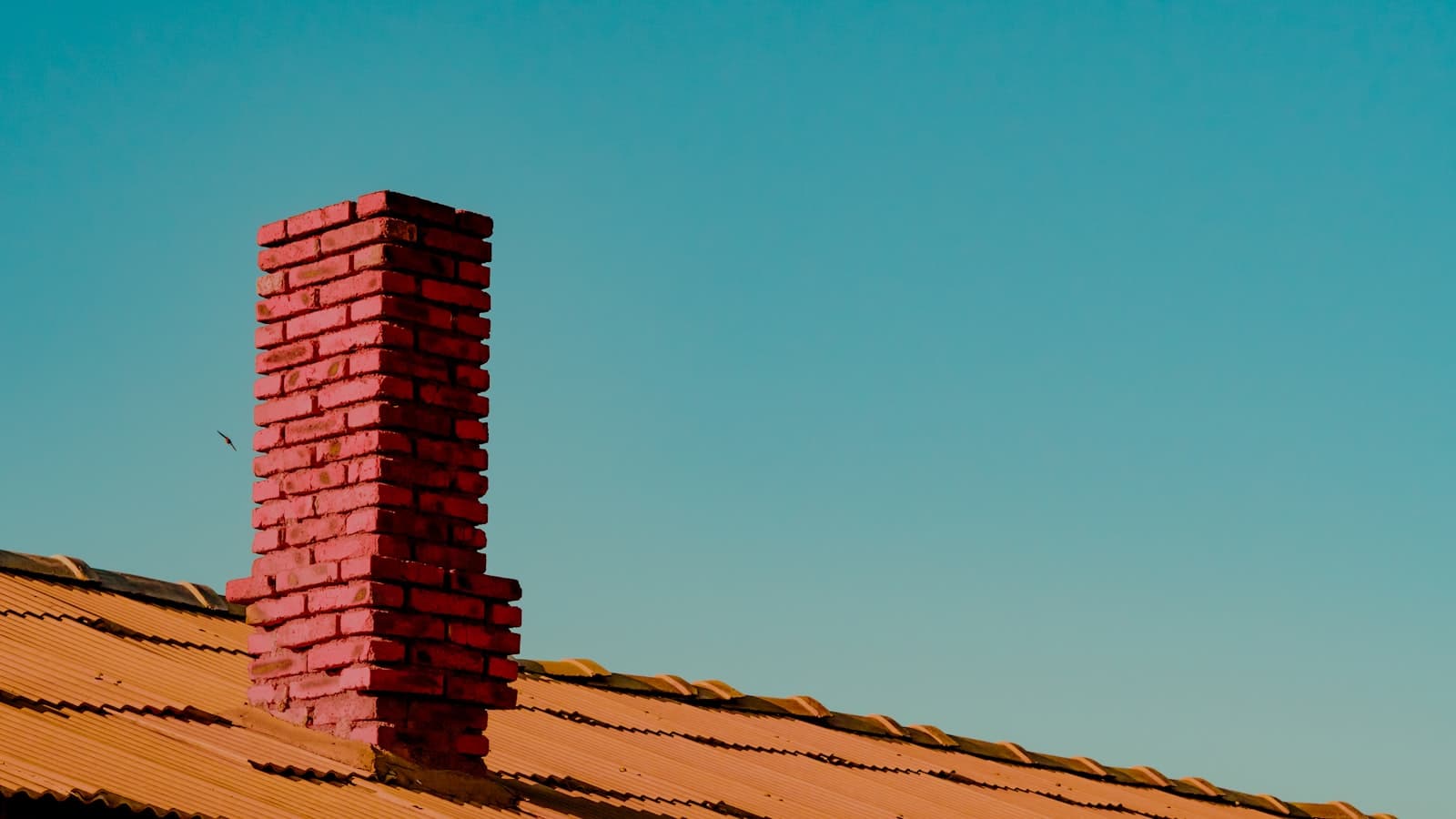
A red brick house with a chimney

What happens next

How chimney and fireplace service works in St Cloud

The estimate visit is separate from any paid work, so you can review the estimate before deciding.

  1. Tell us what you are seeing

    Call or send the estimate form with the service or concern you want reviewed. Include your property's ZIP code in St Cloud.

  2. Get a free estimate visit

    A technician can visit the property and provide a free estimate for chimney or fireplace service.

  3. Approve the work before it begins

    Paid work requires a deposit. If you cancel after paying the deposit, the company retains it.

Understanding St Cloud properties

Chimney weather in St. Cloud isn't about winter

Osceola County sits in the heart of the corridor meteorologists call lightning alley, the stretch of Central Florida that takes more lightning strikes than almost anywhere else in the country. From late spring through early fall, sea breezes off both coasts collide over the middle of the peninsula and detonate into afternoon thunderstorms, most of them parked right over towns like St. Cloud. A masonry chimney is usually the tallest, most exposed thing on the house, and it absorbs that punishment daily for months: driving rain, gusty outflow winds, and the occasional direct or nearby strike that cracks a crown or shifts a cap without anyone noticing from the ground.

Winter, by contrast, is short and mild: a handful of genuinely cold nights when a front pushes through, morning chill in January, and maybe a light frost on the year's coldest stretch. Most St. Cloud fireplaces burn a few evenings a season, which sounds harmless but creates its own trap: a flue that sits idle for eleven months collects moisture, odors, debris, and sometimes wildlife, then gets lit on the first cold night with no warning. A chimney sweep and check in the fall (before that first front, not after) is how you make sure the system is actually ready instead of hoping it is.

The honest summary for this climate: your chimney's enemy in St. Cloud isn't fire season, it's water season. The service calendar that fits here runs backwards from most of the country: storm-proofing and moisture work through the long wet months, burn-readiness in one concentrated fall visit.

From the Soldier City core to the Lake Nona growth wave

Downtown St. Cloud is a genuine piece of Florida history. The town was laid out in 1909 as a colony for Grand Army of the Republic veterans, and the old core near the East Lake Tohopekaliga waterfront still shows it: early-twentieth-century homes on streets still named after U.S. states, a legacy of that veterans' colony era. Houses of that era with original masonry chimneys carry brick and mortar that's over a century old, laid softer than anything mixed today. Repointing those joints with a hard modern Portland mix traps moisture and pops the brick faces off within a few years, so proper chimney masonry work on an older St. Cloud home means matching mortar hardness and joint style, not just filling gaps.

Inside those older stacks, clay tile liners have often cracked or shifted over the decades, and some early flues were never lined at all. A compromised liner can let heat and combustion gases reach framing they should never touch, which is why chimney relining is one of the most valuable upgrades an older lakefront-area home can get: modern safety inside, untouched historic character outside.

Then there's the other St. Cloud, the one growing at full speed. The corridors north and east of town toward Narcoossee and Lake Nona have filled with new subdivisions, and much of that housing is concrete-block construction with factory-built fireplaces housed in framed, sided chases rather than true masonry. These systems fail differently: chase covers rust and pond water, caps go missing in storms, and rain finds the seam at the chase top. A chimney cap or chase-cover repair may address water entry when the assessment identifies that component as the source. The system and observed condition should be identified before a repair scope or materials are proposed.

Storm season and the leaks that follow it

St. Cloud's inland position spares it storm surge, but not hurricanes. Systems crossing the peninsula from either coast still carry serious wind into Osceola County: 2004's Hurricane Charley made that point emphatically on its diagonal run across Central Florida. A crossing storm strips loose caps, peels back flashing that was already tired, and drives rain sideways into mortar joints that ordinary vertical rain never tests. After any system passes close, a two-minute look at the stack from the ground for anything shifted, missing, or newly stained is a habit worth keeping, and anything that looks wrong deserves professional eyes before the next round of weather.

Even without a named storm, the daily summer soaking does slow, quiet damage. Hairline cracks in the crown wick water into the chimney's structure, and bare brick simply drinks. Masonry can absorb a startling amount of water across a single wet season. The frustrating part is that chimney leaks rarely show up at the chimney: they surface as a ceiling stain a few feet away, peeling paint in a corner, or a musty smell in a room you rarely use. Real chimney leak repair starts with finding the true entry point (crown, flashing, cap, or saturated masonry), because sealing the wrong spot doesn't stop water, it just reroutes it.

Prevention is cheaper than chasing stains. A sound crown, tight flashing, and a breathable water repellent applied in the drier months (the kind that sheds rain but lets trapped vapor escape) carry a St. Cloud chimney through the June-to-September gauntlet in far better shape. Chimney waterproofing ahead of the rains is one potentially useful appointment on this town's chimney calendar.

The eleven quiet months: humidity, odors, and uninvited guests

Between burn seasons, a St. Cloud flue doesn't rest: it marinates. For a chimney fire, suspected carbon monoxide or gas, an unstable chimney, or another immediate danger, leave the area and call 911 or the utility first. A closed damper and a capped flue slow the process dramatically; an open, uncapped one invites it.

A cap, cover, or other repair may address the concern when the assessment identifies that component as the source. The recommendation depends on the condition at the property; no outcome is guaranteed before the condition is evaluated.

The through-line is simple: in this climate, chimney maintenance is mostly about managing water, air, and access during the long idle stretch, so that the short burning stretch is boring, in the best sense.

Straightforward chimney help in St. Cloud

NFPA 211, the fire-safety standard for chimneys and fireplaces, recommends an annual inspection even for lightly used systems, and St. Cloud's combination of light burning and brutal wet summers is exactly the pattern that guidance was written for: problems here build silently in the off-season, not during use. For a chimney fire, suspected carbon monoxide or gas, an unstable chimney, or another immediate danger, leave the area and call 911 or the utility first.

A technician can visit the property and give a free estimate.

Talk with our team

Need chimney and fireplace service in St Cloud?

Tell us what you are seeing and include your property's ZIP code. We will use those details to understand the service request.

Frequently Asked

Chimney, Fireplace & Estimate Questions in St Cloud

I only light my St. Cloud fireplace a few nights a year. Do I really need annual service?
Yes, and light use is actually the reason. An idle Central Florida flue spends eleven humid months collecting moisture, odors, debris, and sometimes nesting animals, then gets lit cold on the first front of the season. NFPA 211 recommends an annual inspection regardless of use, with sweeping whenever deposits or blockages warrant it. One fall visit turns that first fire from a gamble into a non-event.
My St. Cloud home is new construction. Does a factory-built fireplace still need attention?
A technician can visit the property and give a free estimate.
Why is my ceiling staining in summer when the fireplace hasn’t been used since January?
Because the leak is about rain, not fire. St. Cloud's daily summer storms hammer the chimney harder than anything else on the roof, and water entering at a cracked crown, tired flashing, or saturated brick travels along framing before it surfaces, often as a stain a few feet from the chimney itself. Diagnosis means finding the true entry point first; sealing the wrong spot just moves the water somewhere new.
Can hurricanes really damage chimneys this far inland?
Yes. Osceola County is safe from storm surge, but storms crossing the peninsula keep dangerous wind well inland. Hurricane Charley's 2004 run across Central Florida is the famous local proof. Crossing storms strip caps, lift flashing, and drive rain sideways into mortar joints. After any close pass, look at your stack from the ground; if anything appears shifted, missing, or newly stained, have it checked before the next system arrives.
My house is in the old part of St. Cloud. Can original brick and mortar be matched?
That's the whole craft. Homes in the historic core date to the town's early-1900s founding era, and their chimneys were laid with softer, lime-rich mortar. Repointing with a hard modern mix traps moisture and spalls the brick within a few years. A technician can visit the property and give a free estimate.
What do chimney repairs around St. Cloud usually cost?
Honest answer: it depends on which part of the chimney failed, and that is not something anyone can tell you over the phone. A cap swap and a crown that has to be re-cast are different jobs on the same chimney. What moves the number is roof access and stack height, the materials appropriate to the chimney and its exposure, how far the failure has already run, and whether several items can share one visit instead of three separate trips. A technician can visit the property and give a free estimate. Every approved paid job requires a deposit. If you cancel after paying the deposit, the company keeps it.

Ready to schedule chimney service in St Cloud?

Tell us what you are seeing, include your property's ZIP code, and call to request a technician estimate visit.