Proudly American-Owned

Chimney & Fireplace Company in Sanford, FL

Need chimney repair, fireplace service, cleaning, or restoration in Sanford, FL? Start with a free estimate visit from a technician.

Free Sanford Estimate

10% OFFFirst service

Family-Owned

A family-owned company serving Sanford properties.

Proudly American-Owned

An American-owned chimney and fireplace company.

Free Estimate Visit

A technician can visit the property and provide a free estimate.

Local Chimney Repair & Fireplace Specialists Serving Sanford, FL

Sanford grew up as a river town on the south shore of Lake Monroe, the old ‘Celery City’ that shipped Central Florida produce down the St. Johns, and its brick-lined historic downtown still shows that age. Real age means real masonry chimneys, and a Seminole County climate that tests every one of them.

Name the symptom at the Sanford address, then open the matching page: chimney repair in Sanford, chimney sweeping, inspection, leak repair, cap replacement, crown repair, flashing repair, waterproofing, masonry repair, relining, rebuild, hurricane repair, gas fireplace repair, animal removal, or fireplace repair. The technician estimate visit is free.

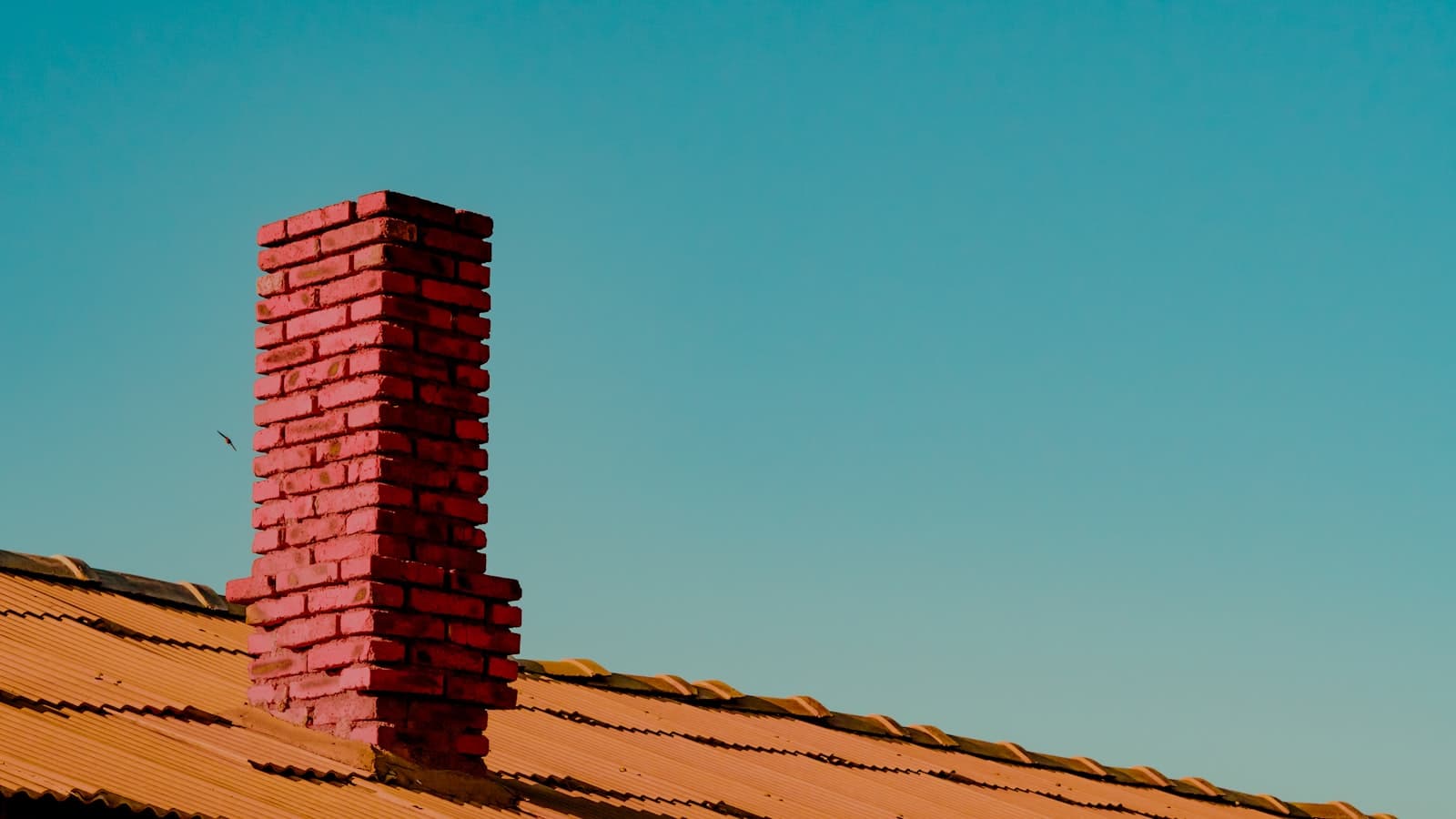
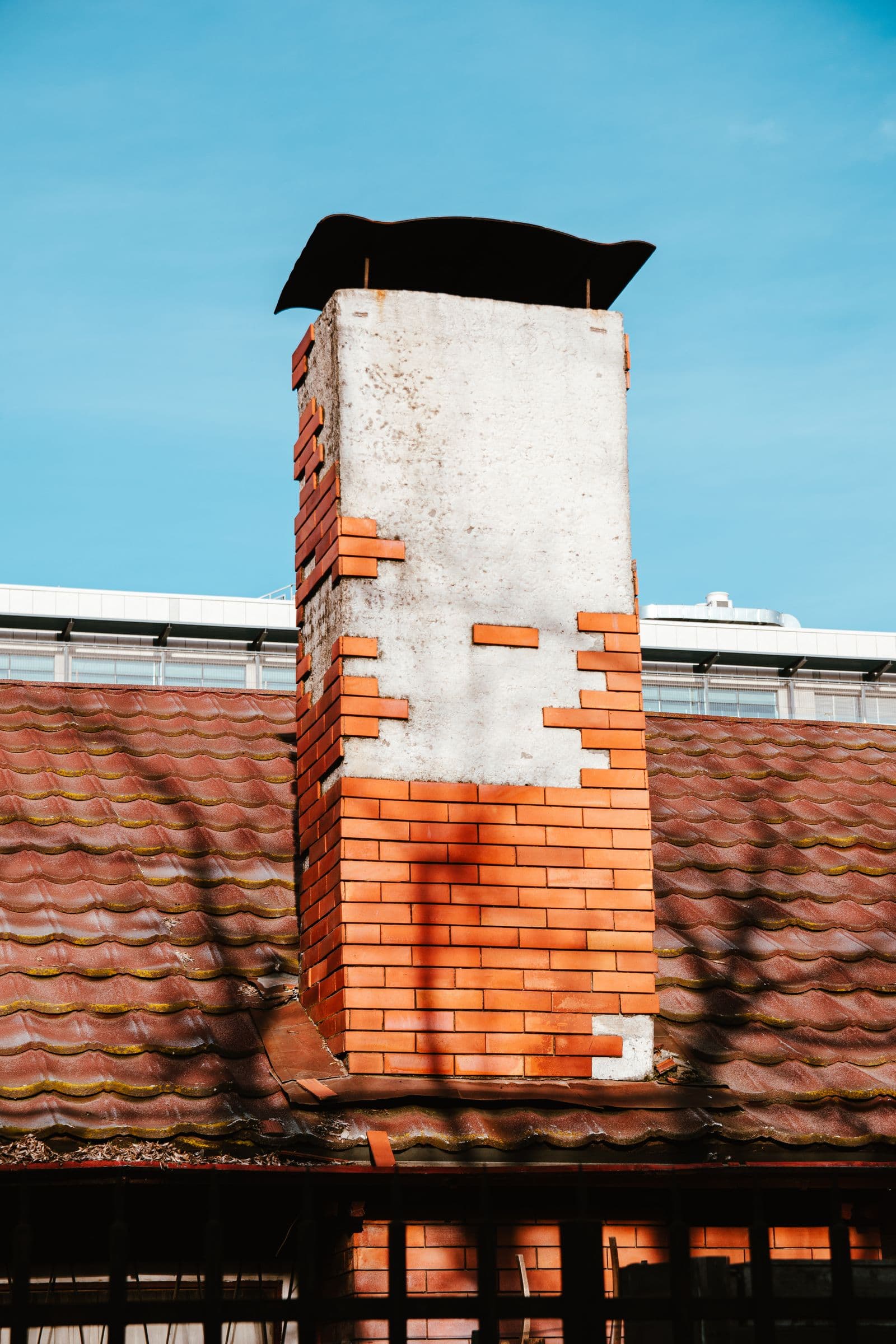
A chimney passing through a clay tile roof

What happens next

How chimney and fireplace service works in Sanford

The estimate visit is separate from any paid work, so you can review the estimate before deciding.

  1. Tell us what you are seeing

    Call or send the estimate form with the service or concern you want reviewed. Include your property's ZIP code in Sanford.

  2. Get a free estimate visit

    A technician can visit the property and provide a free estimate for chimney or fireplace service.

  3. Approve the work before it begins

    Paid work requires a deposit. If you cancel after paying the deposit, the company retains it.

Understanding Sanford properties

Old Sanford, real masonry: chimneys in the historic core

Salt exposure can accelerate corrosion of exposed chimney components. Rust staining or pitting deserves an assessment; replacement material, compatibility, specifications, and pricing should be evaluated for the particular system and stated in the estimate. See chimney-cap installation for service information.

Chimneys of that era were typically laid with softer, lime-rich mortar than anything mixed today. Repointing them with a hard modern Portland blend traps moisture inside the brick, and the damage surfaces a few years later as popped brick faces and crumbling joints, which is expensive to undo. Proper chimney masonry work on an older Sanford home means matching mortar hardness, joint style, and brick character so the repair disappears into the original work instead of fighting it.

Older flue liners can crack or shift where the condition is not visible from the room. Whether relining or another repair is appropriate depends on a separately scoped inspection and system compatibility; any proposed recommendation depends on the condition at the property.

Lightning alley, afternoon storms, and leak season

Seminole County sits squarely in Central Florida’s summer thunderstorm corridor, where sea breezes from both coasts collide most afternoons from June into September. This part of the state records some of the most frequent lightning in the country, and the storms that come with it are short, violent, and soaked. Your chimney is the tallest, most exposed thing on the house, and it takes that weather head-on. A lightning-heavy climate is also one more argument for a sound cap and an intact crown, because damaged masonry only concentrates what the storms deliver.

Water is the quieter enemy. Hairline cracks in the crown let rain into the structure of the chimney, tired flashing lets it into the ceiling, and bare brick simply drinks: over a single storm season, unsealed masonry can absorb a startling amount of water. The frustrating part is that chimney leaks rarely show up at the chimney. They announce themselves as a ceiling stain a few feet away, bubbling paint in a corner, or a damp smell in a room nobody uses. Chimney leak repair starts with finding the true entry point (crown, flashing, cap, or saturated brick), because sealing the wrong spot doesn’t stop water, it reroutes it.

Prevention is straightforward here. A breathable water repellent (the kind that sheds rain but lets trapped vapor escape) protects brick through the wet months, and chimney waterproofing applied ahead of the summer pattern costs far less than chasing stains through drywall in August. Homes near the Lake Monroe waterfront get one extra consideration: wind coming across open water drives rain sideways into mortar joints and flashing lines that ordinary vertical rain never tests, so lakefront-area chimneys tend to show weathering a little sooner than ones tucked into shaded blocks.

Hurricane season runs June through November, and Sanford’s inland position spares it the coastal surge, but crossing tropical systems still drag rain bands and gusting wind across Seminole County, enough to strip a loose cap, lift tired flashing, and shove water into joints. After any storm passes close, a two-minute look at the stack from the ground for anything shifted, missing, or newly stained is a habit worth keeping, and anything that looks wrong deserves professional eyes before the next front arrives.

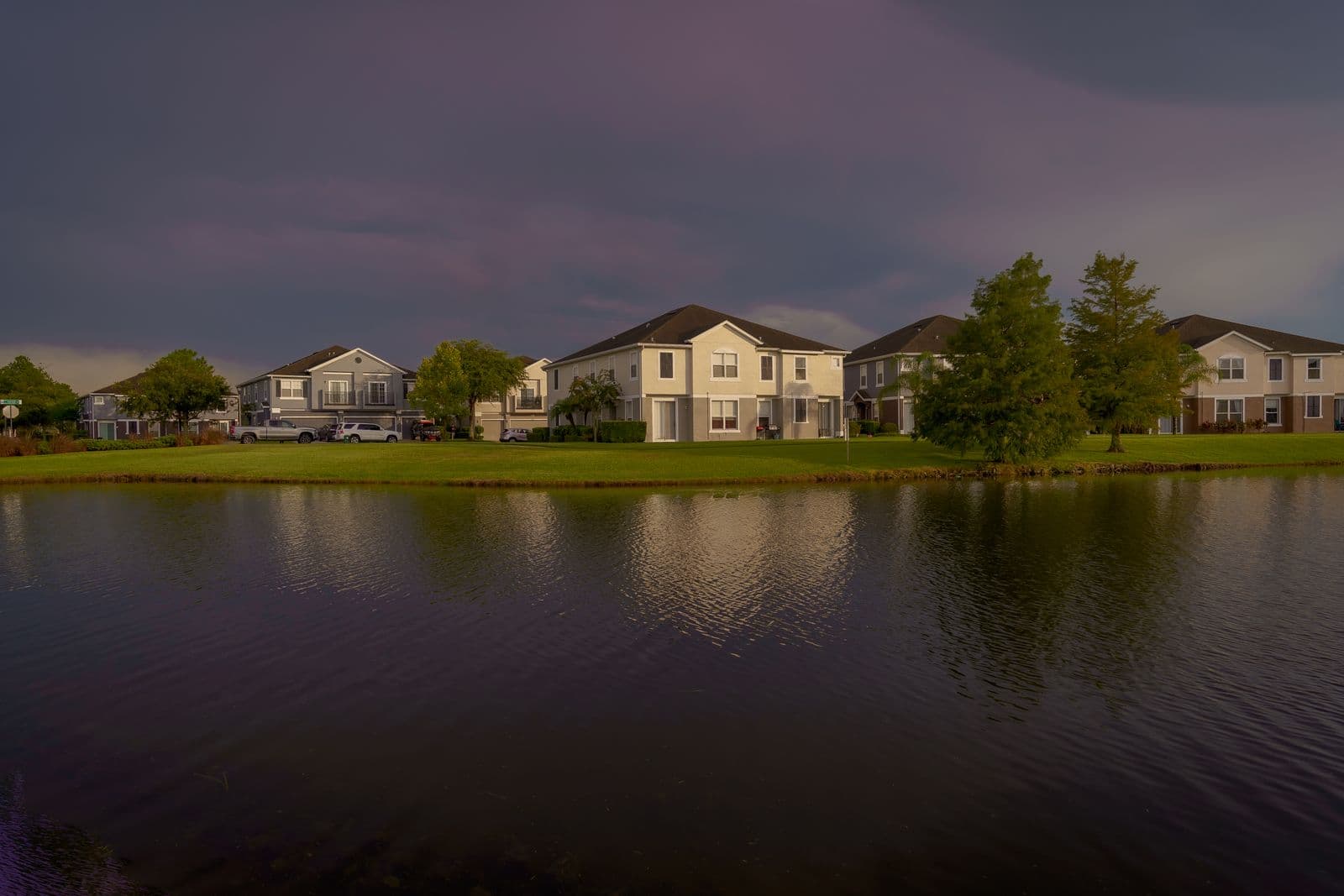
Two kinds of houses, two kinds of chimney work

Chimney service in Sanford really means two different trades, depending on the address. In and around the historic core, the work is masonry: brick, mortar, crowns, and liners on chimneys that were built by hand. Out in the newer growth (much of the housing beyond the historic core was built from the 1980s onward), the typical setup is concrete-block or frame construction with a factory-built fireplace housed in a framed, sided chase that only looks like a chimney from the street.

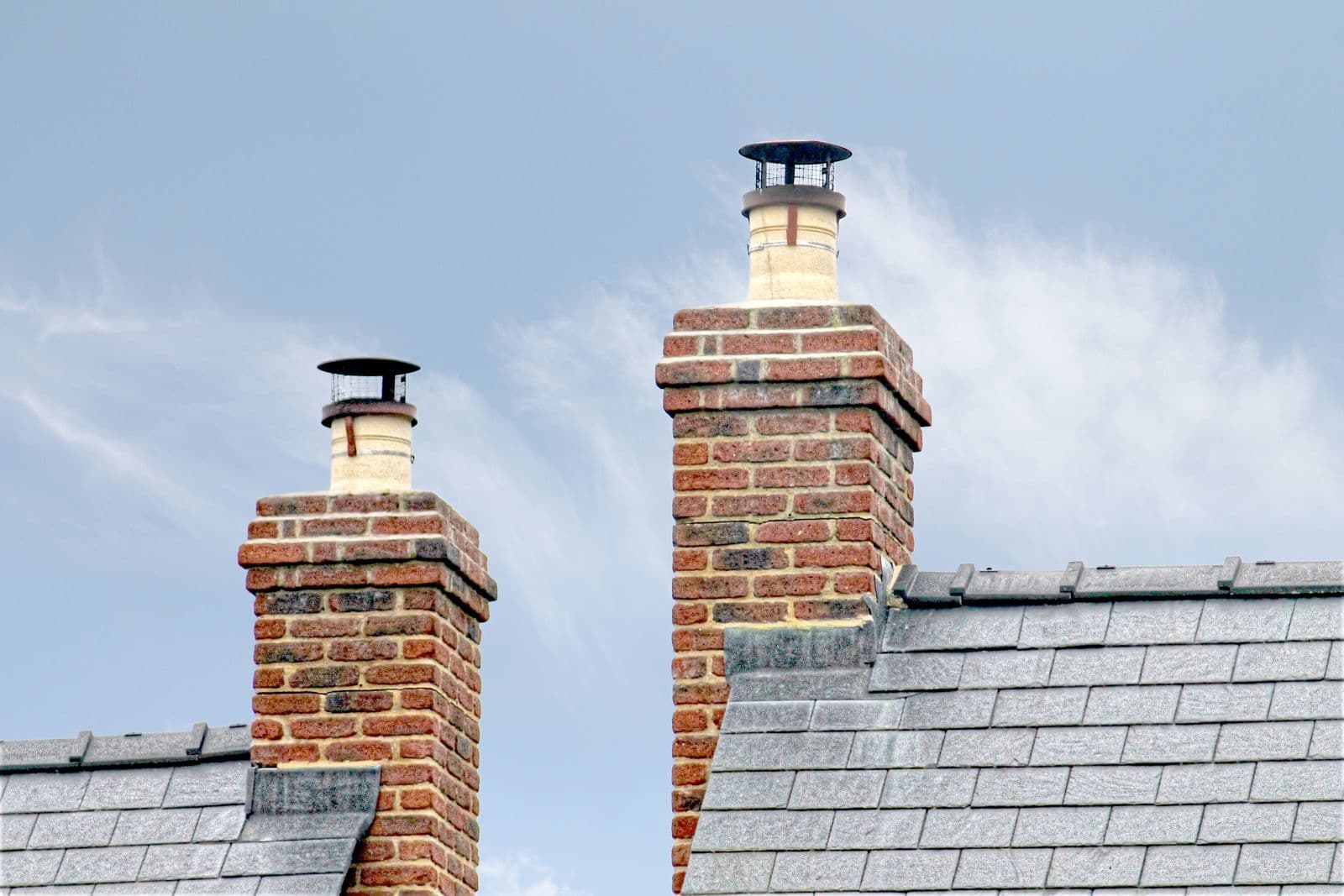
Those factory systems fail in their own predictable ways. The metal chase cover on top rusts, pits, and eventually ponds water; the cap over the flue pipe loosens or goes missing; and once water finds its way into the chase, it quietly works on the framing and the firebox below. The fixes are not complicated, but they are specific: a correctly pitched, properly sized replacement through chase cover repair, and a well-fitted chimney cap that keeps rain and wildlife out of the flue. Small parts, outsized consequences.

The oak canopy that shades so much of Seminole County comes with tenants. Squirrels, raccoons, and nesting birds treat an uncapped flue as an invitation, and an idle Florida fireplace can host a nest for months before anyone notices the smell or the scratching. A pro who works both sides of town (hand-laid brick downtown, sheet metal and sealant in the subdivisions) knows which toolbox your house needs before the ladder comes off the truck.

The few cold nights that matter

Central Florida winters are mild until, briefly, they aren’t. Most years a handful of cold fronts push overnight temperatures into the 40s and sometimes the 30s, and that is exactly when fireplaces that have sat closed since spring get lit, often for several nights in a row. That stop-start rhythm is what catches homeowners out: ten idle months give humidity, soot, and the occasional animal plenty of time to create a problem, and the first cold night is when the problem introduces itself.

The fix is timing. A proper chimney sweep in the fall clears out old creosote and confirms the damper, smoke chamber, and flue are ready before the first front arrives. It beats calling in December, when everyone in Seminole County suddenly remembers their fireplace at once. Even light burners benefit: creosote from a few fires a year still accumulates, and Sanford’s long humid season keeps a closed flue damp enough to corrode dampers and firebox parts while nobody is watching. That’s the source of the musty ‘fireplace smell’ so many homeowners notice in July.

Straightforward chimney help, the Sanford way

NFPA 211, the fire-safety standard for chimneys and fireplaces, recommends an annual inspection even for lightly used systems, and Sanford’s combination of century-old masonry, violent summer storms, and short sharp burn seasons makes that guidance worth taking seriously. For a chimney fire, suspected carbon monoxide or gas, an unstable chimney, or another immediate danger, leave the area and call 911 or the utility first.

A technician can visit the property and give a free estimate.

Talk with our team

Need chimney and fireplace service in Sanford?

Tell us what you are seeing and include your property's ZIP code. We will use those details to understand the service request.

Frequently Asked

Chimney, Fireplace & Estimate Questions in Sanford

How often should a Sanford fireplace be swept?
NFPA 211 guidance is an inspection every year, with sweeping whenever deposits warrant it. Sanford fireplaces burn in short bursts around winter cold fronts, but creosote still builds and the humid off-season adds moisture and odor problems of its own. The smart timing is early fall: get the flue cleared and checked before the first front, when demand spikes and schedules across Seminole County fill fast.
My home is in Sanford’s historic district. Can old brick and mortar be matched?
That’s the whole job. Early-twentieth-century Sanford chimneys were laid with soft, lime-rich mortar, and repointing them with a hard modern mix damages the brick over time. A careful match of mortar hardness, joint style, and brick character keeps the repair invisible and the chimney healthy. A technician can visit the property and give a free estimate.
Why does my Sanford chimney smell musty every summer?
Humidity can reactivate old deposits, and nesting material may add odor. Cleaning and a properly fitted cap may help when residue, moisture, or wildlife entry is the source. For a chimney fire, suspected carbon monoxide or gas, an unstable chimney, or another immediate danger, leave the area and call 911 or the utility first.
Do hurricanes actually damage chimneys this far inland?
Yes, though differently than at the coast. Sanford is spared storm surge, but tropical systems crossing the peninsula still drag rain bands and gusting wind through Seminole County, enough to strip loose caps, lift tired flashing, and drive rain sideways into mortar joints. After any close pass, look at the stack from the ground; anything shifted, missing, or newly stained deserves a professional check before the next storm.
My fireplace is a metal unit inside a sided chase. Do you service those?
Absolutely. That’s the standard setup in most Sanford homes built from the 1980s onward. The usual failure points are a rusted or ponding chase cover, a loose or missing cap, and water working into the chase framing. Those systems need sheet-metal precision rather than masonry work, and catching a failing chase cover early is dramatically cheaper than repairing what water does below it.
What do chimney repairs around Sanford usually cost?
Honest answer: it depends on which part of the chimney failed, and that is not something anyone can tell you over the phone. A cap swap and a crown that has to be re-cast are different jobs on the same chimney. What moves the number is roof access and stack height, the materials appropriate to the chimney and its exposure, how far the failure has already run, and whether several items can share one visit instead of three separate trips. A technician can visit the property and give a free estimate. Every approved paid job requires a deposit. If you cancel after paying the deposit, the company keeps it.

Ready to schedule chimney service in Sanford?

Tell us what you are seeing, include your property's ZIP code, and call to request a technician estimate visit.