
Proudly American-Owned

Chimney & Fireplace Company in Safety Harbor, FL

Request a chimney repair and fireplace company serving Safety Harbor, FL. A technician can visit your property and give a free estimate.

Free Safety Harbor Estimate

10% OFFFirst service

Family-Owned

A family-owned company serving Safety Harbor properties.

Proudly American-Owned

An American-owned chimney and fireplace company.

Free Estimate Visit

A technician can visit the property and provide a free estimate.

Local Chimney Repair & Fireplace Specialists Serving Safety Harbor, FL

Safety Harbor grew up around its famous mineral springs on the shore of Old Tampa Bay, a spa town before Pinellas County was anything like crowded, with an oak-shaded Main Street that still runs straight down to the water. Bayfront living is the whole point here, and it’s also exactly what works a chimney the hardest.

Name the symptom at the Safety Harbor address, then open the matching page: chimney repair in Safety Harbor, chimney sweeping, inspection, leak repair, cap replacement, crown repair, flashing repair, waterproofing, masonry repair, relining, rebuild, hurricane repair, gas fireplace repair, animal removal, or fireplace repair. The technician estimate visit is free.
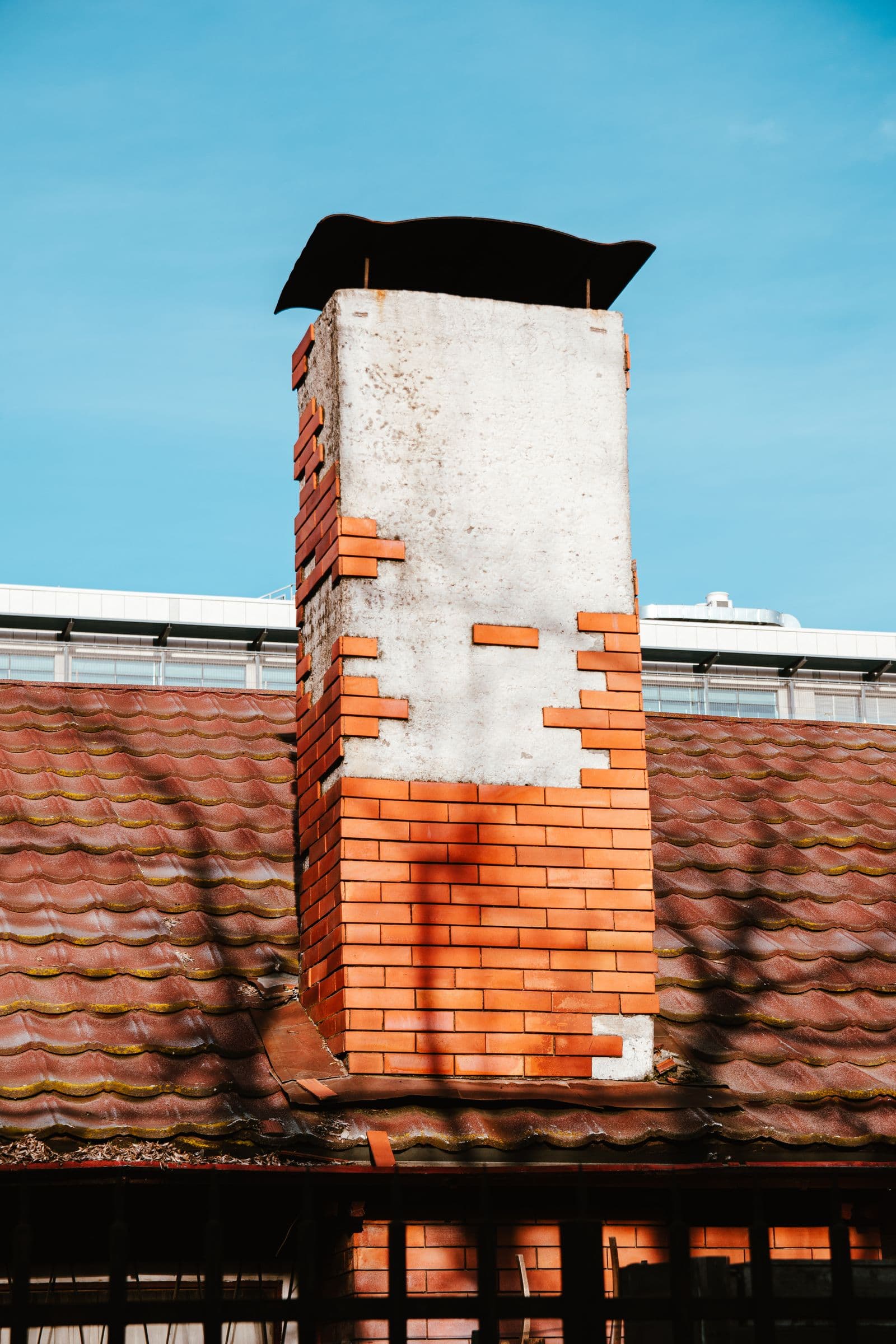
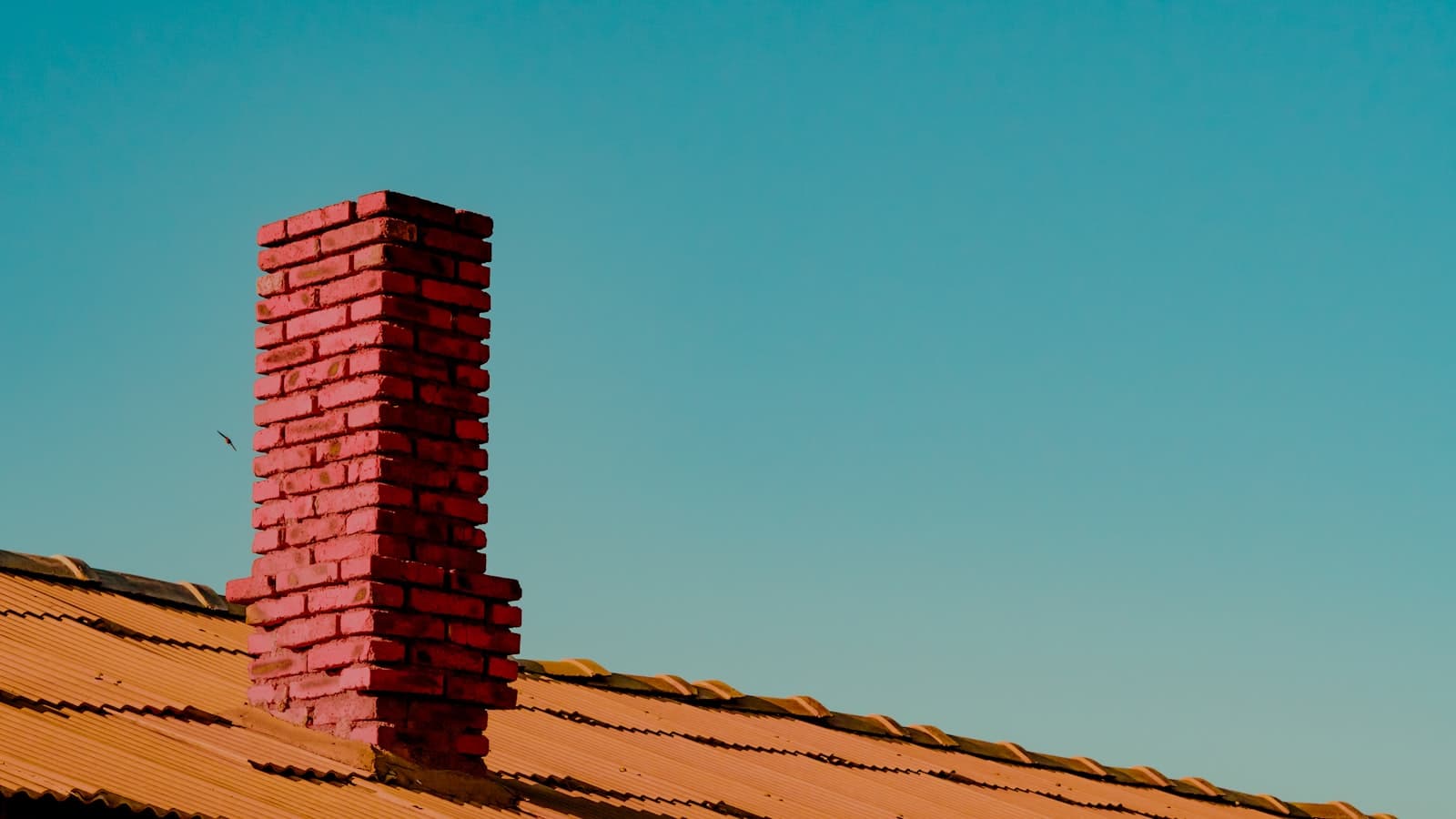
A chimney passing through a clay tile roof

What happens next

How chimney and fireplace service works in Safety Harbor

The estimate visit is separate from any paid work, so you can review the estimate before deciding.

  1. Tell us what you are seeing

    Call or send the estimate form with the service or concern you want reviewed. Include your property's ZIP code in Safety Harbor.

  2. Get a free estimate visit

    A technician can visit the property and provide a free estimate for chimney or fireplace service.

  3. Approve the work before it begins

    Paid work requires a deposit. If you cancel after paying the deposit, the company retains it.

Understanding Safety Harbor properties

What Old Tampa Bay does to a Safety Harbor chimney

Safety Harbor sits right on the water. The downtown blocks, the streets sloping toward the marina, the neighborhoods strung along the bayshore. All of them live in salt-touched air moving off Old Tampa Bay more or less year-round. Salt air is quietly corrosive, and the chimney is the highest, most exposed thing on the house. For a chimney fire, suspected carbon monoxide or gas, an unstable chimney, or another immediate danger, leave the area and call 911 or the utility first.

Rust staining below a cap or chase cover can be an early sign of coastal corrosion and possible water entry. Cap and cover condition, material, and exposure should be evaluated before a repair or replacement is proposed.

Masonry feels the bay too, more gradually. Brick and mortar in humid, salty air hold moisture longer, and mortar joints slowly soften and sand out. When joints start to recess or hairline gaps show at the crown, that’s the moment for masonry repair. Repointing a few joints early costs a fraction of rebuilding a stack that spent five more storm seasons drinking water.

Old spa-town cottages and newer Pinellas construction

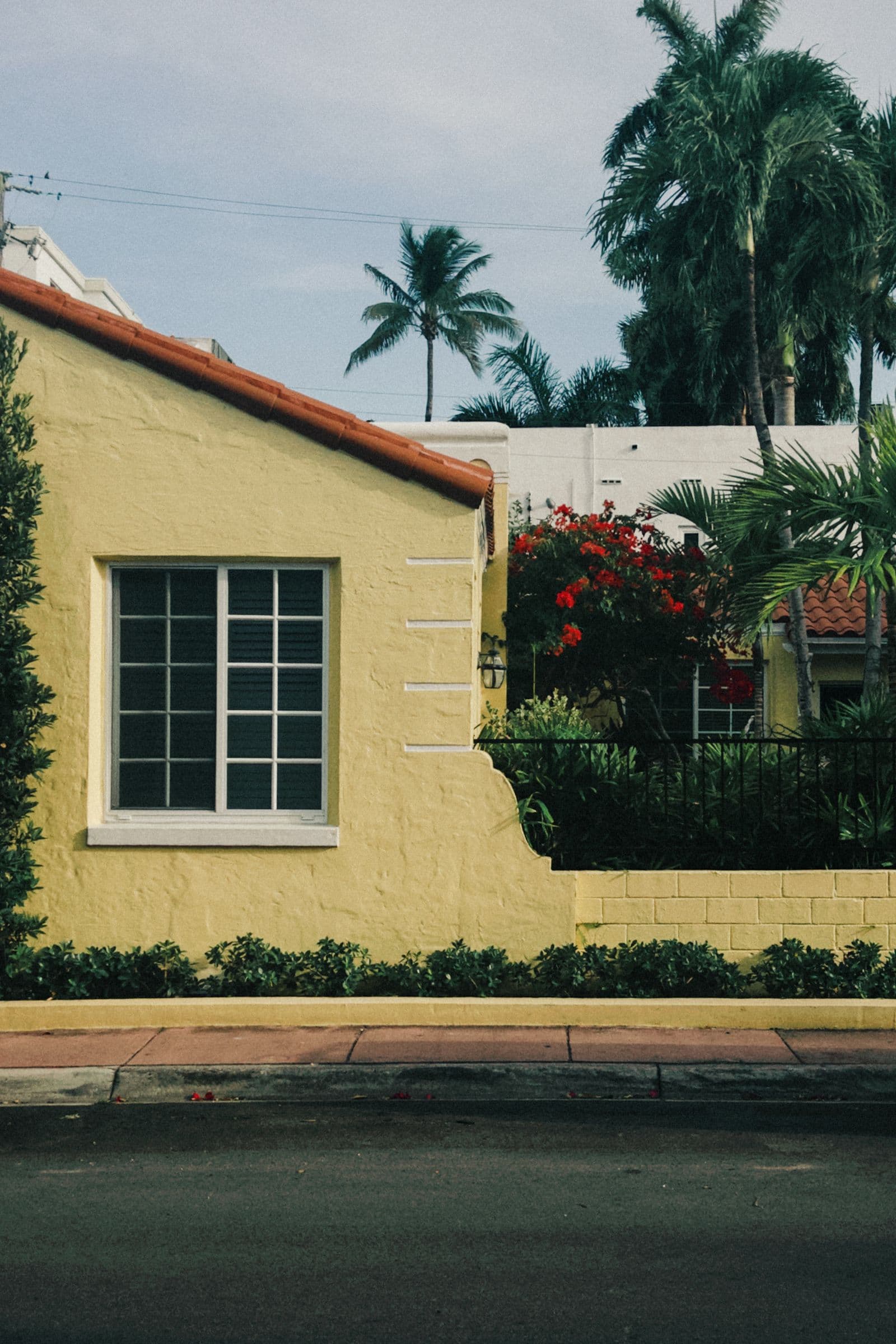
Safety Harbor is one of the older corners of the Pinellas peninsula (visitors were coming for the springs generations before the county filled in around it), and the housing stock shows that layered history. Close to downtown you’ll find older cottages and bungalow-style homes under mature oaks, some with genuine masonry fireplaces and chimneys that have stood through decades of bay weather. Farther out, the neighborhoods shift toward concrete-block ranches and newer builds, where the ‘chimney’ is usually a factory-built fireplace inside a wood-framed, sided chase.

Those are two different trades. Older masonry wants patient work: mortar matched to the original in hardness and color, crowns rebuilt rather than smeared over, and flues checked for cracked or shifted clay tile. When an aging flue can’t safely contain heat and combustion gases anymore, chimney relining restores the inside of the system without touching the character outside. That matters in a town that trades on its historic charm.

The framed-chase systems fail differently: almost always at the top, and almost always by water. A rusted chase cover, a missing storm collar, or a cap that blew off two storms ago lets rain straight down onto the firebox unit, and the first sign is often a musty smell or a stain on the ceiling nearby. Chase cover repair and a properly sized cap may address common water-entry paths when those components are the source, and on the bay it’s worth specifying metal that can stand up to salt air instead of the thinnest builder-grade steel.

Lightning-season storms and the leaks they leave behind

The Tampa Bay area is famously one of the most lightning-prone places in the country, and Safety Harbor gets the full summer program: towering afternoon storms off the bay from roughly June through September, dumping violent rain an hour at a time. The chimney takes those storms first. Hairline cracks in a crown open a path into the masonry, tired flashing lets water track under the roofline, and unsealed brick absorbs a remarkable amount of water across a whole wet season.

Chimney leaks are sneaky about where they show up. Water that enters at the crown or flashing travels along framing and surfaces as a stain a few feet from the chimney, peeling paint in a corner, or a damp smell in a room that gets little use. Real chimney leak repair starts with finding the true entry point (crown, cap, flashing, or saturated masonry), because caulking the wrong spot doesn’t stop water, it just reroutes it somewhere harder to trace.

Prevention is straightforward and worth doing before the rains arrive: a sound crown, tight flashing, and a breathable water repellent on the brick. Chimney waterproofing with a vapor-permeable product sheds storm rain while letting the masonry dry out between storms, exactly what bayfront brick needs, since the humid air off the water never gives it much of a break.

Hurricane season on the bay

From June through November, Safety Harbor watches the tropics like the rest of Tampa Bay. A passing system doesn’t need a direct hit to work on a chimney: hours of gusts pry at caps and chase covers, sideways rain finds mortar joints and flashing laps that ordinary vertical rain never tests, and airborne debris can crack a crown or knock a cap loose without anyone noticing from the ground.

After any storm passes close, look from the yard for a cap sitting crooked or missing, fresh rust streaks, new staining on the chase or chimney shoulders, or debris lodged at the top. Anything visibly shifted deserves professional attention before the next band of weather arrives. For a chimney fire, suspected carbon monoxide or gas, an unstable chimney, or another immediate danger, leave the area and call 911 or the utility first.

It’s also worth remembering the quiet aftermath: storms displace wildlife, and an uncapped flue is one of the most inviting shelters on the block. Raccoons, squirrels, and birds all take the offer, and by the time you hear scratching, there’s usually nesting material sitting in the flue. Animal removal plus a proper cap helps reduce repeat wildlife entry.

Straightforward chimney help in Safety Harbor

Mild winters don’t mean skipping the basics. Plenty of Safety Harbor fireplaces burn a dozen nights a year when cold fronts cross the bay, and even light use builds deposits while the other eleven months add moisture, corrosion, and the occasional tenant with a tail. NFPA 211, the fire-safety standard for chimneys and fireplaces, recommends an annual inspection even for lightly used systems, and a fall chimney sweep paired with a proper inspection means the first cool evening of the season starts with a match, not a surprise.

The maintenance rhythm this bayfront climate rewards is simple: check the metal up top regularly because salt air shortens its life, waterproof and tune the masonry in the drier months, sweep and inspect before burn season, and make a quick call after any storm that visibly moved something. None of it is complicated. It’s just what living this close to the water asks of the tallest thing on your roof.

Talk with our team

Need chimney and fireplace service in Safety Harbor?

Tell us what you are seeing and include your property's ZIP code. We will use those details to understand the service request.

Frequently Asked

Chimney, Fireplace & Estimate Questions in Safety Harbor

Does salt air off Old Tampa Bay really affect chimneys in Safety Harbor?
Yes, mostly the metal. Caps, chase covers, dampers, and flashing corrode noticeably faster in the salt-touched air near the bay, and rust streaks below the cap are usually the first visible sign. Masonry weathers more slowly but holds moisture longer in the humid bayfront air. A quick look at the metal up top every year or two catches most of it while it’s still a small, inexpensive fix.
How often should a Safety Harbor fireplace be swept?
NFPA 211 guidance is an inspection every year, with sweeping whenever deposits warrant it. Most Safety Harbor fireplaces burn lightly (a stretch of cold fronts each winter), so the annual inspection matters as much for moisture, corrosion, and animal activity as for creosote. Early fall is the smart timing, before the first cool front and the seasonal scheduling rush.
My older Safety Harbor home has an original masonry chimney. Can it be repaired without losing its character?
Older flue liners can crack or shift where the condition is not visible from the room. Whether relining or another repair is appropriate depends on a separately scoped inspection and system compatibility; any proposed recommendation depends on the condition at the property.
What usually causes chimney leaks in Safety Harbor?
The top of the system, almost always: a cracked crown, corroded cap or chase cover, or flashing that summer storms and salt air have worn out. The stain often appears a few feet from the chimney because water travels along framing before it surfaces. Finding the actual entry point comes first, because sealing the wrong spot just reroutes the water, and a breathable waterproofing treatment helps the brick shed the summer rains.
What should I check on my chimney after a storm crosses Tampa Bay?
From the ground, look for a cap that’s crooked or gone, a shifted or dented chase cover, fresh rust or water staining, cracks at the crown, and debris lodged at the top. Sideways wind-driven rain also tests mortar joints and flashing in ways ordinary storms don’t, so a new interior stain near the chimney counts too. Anything visibly moved or newly stained deserves professional eyes before the next system arrives.

Ready to schedule chimney service in Safety Harbor?

Tell us what you are seeing, include your property's ZIP code, and call to request a technician estimate visit.