
Proudly American-Owned

Chimney & Fireplace Company in Port St. Lucie West, FL

Looking for a chimney repair and fireplace company in Port St. Lucie West? Ask about repair, cleaning, inspection, or installation and request a free technician estimate visit.

Free Port St. Lucie West Estimate

10% OFFFirst service

Family-Owned

A family-owned company serving Port St. Lucie West properties.

Proudly American-Owned

An American-owned chimney and fireplace company.

Free Estimate Visit

A technician can visit the property and provide a free estimate.

Professional Chimney & Fireplace Service for Port St. Lucie West Homes

St. Lucie West is the master-planned side of Port St. Lucie: golf-course communities, spring-training baseball, and street after street of concrete-block homes built in the last few decades. The chimneys out here are mostly factory-built systems in framed chases, and they fail in very different ways than old Florida masonry.

Name the symptom at the Port St. Lucie West address, then open the matching page: chimney repair in Port St. Lucie West, chimney sweeping, inspection, leak repair, cap replacement, crown repair, flashing repair, waterproofing, masonry repair, relining, rebuild, hurricane repair, gas fireplace repair, animal removal, or fireplace repair. The technician estimate visit is free.
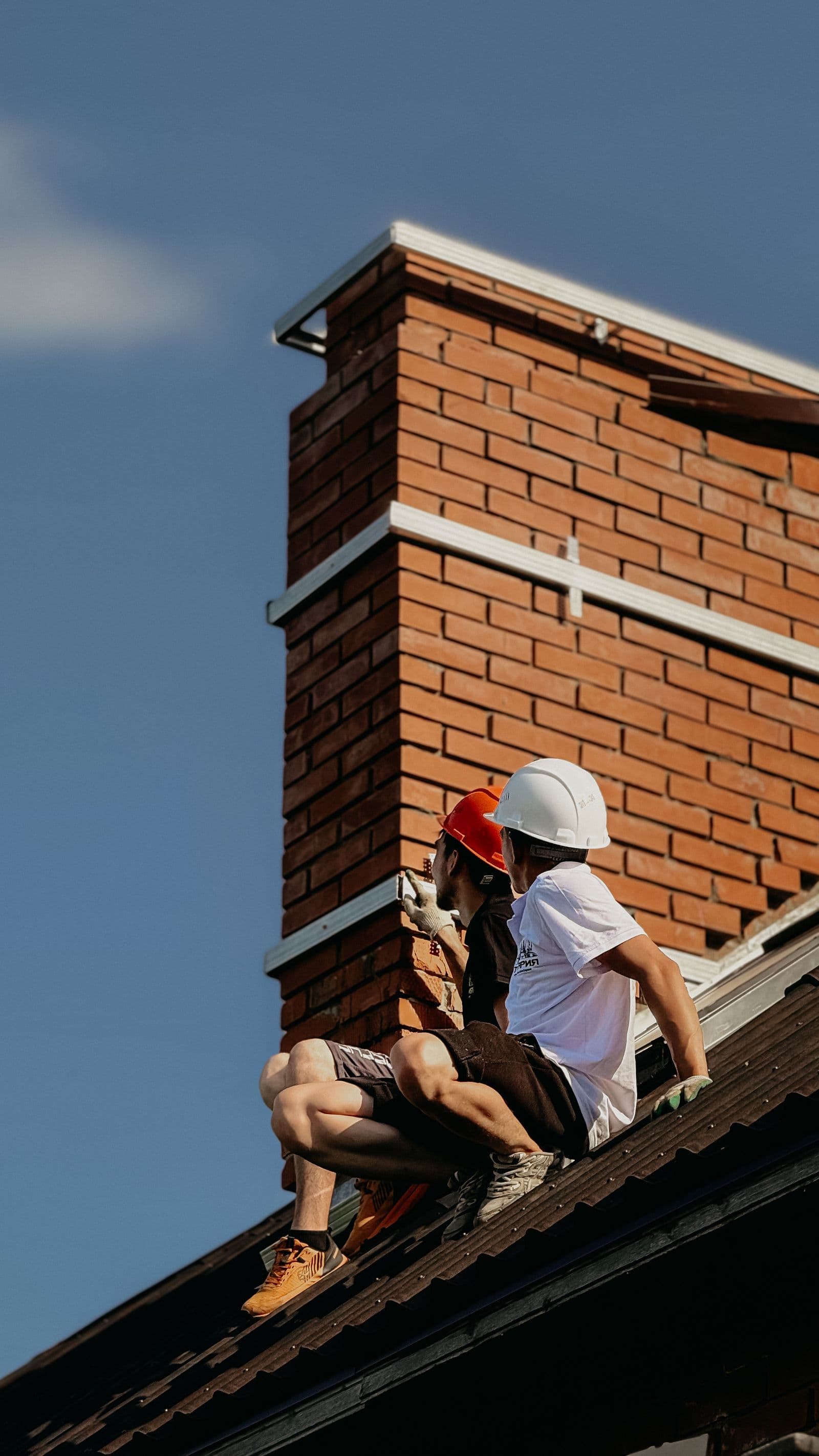
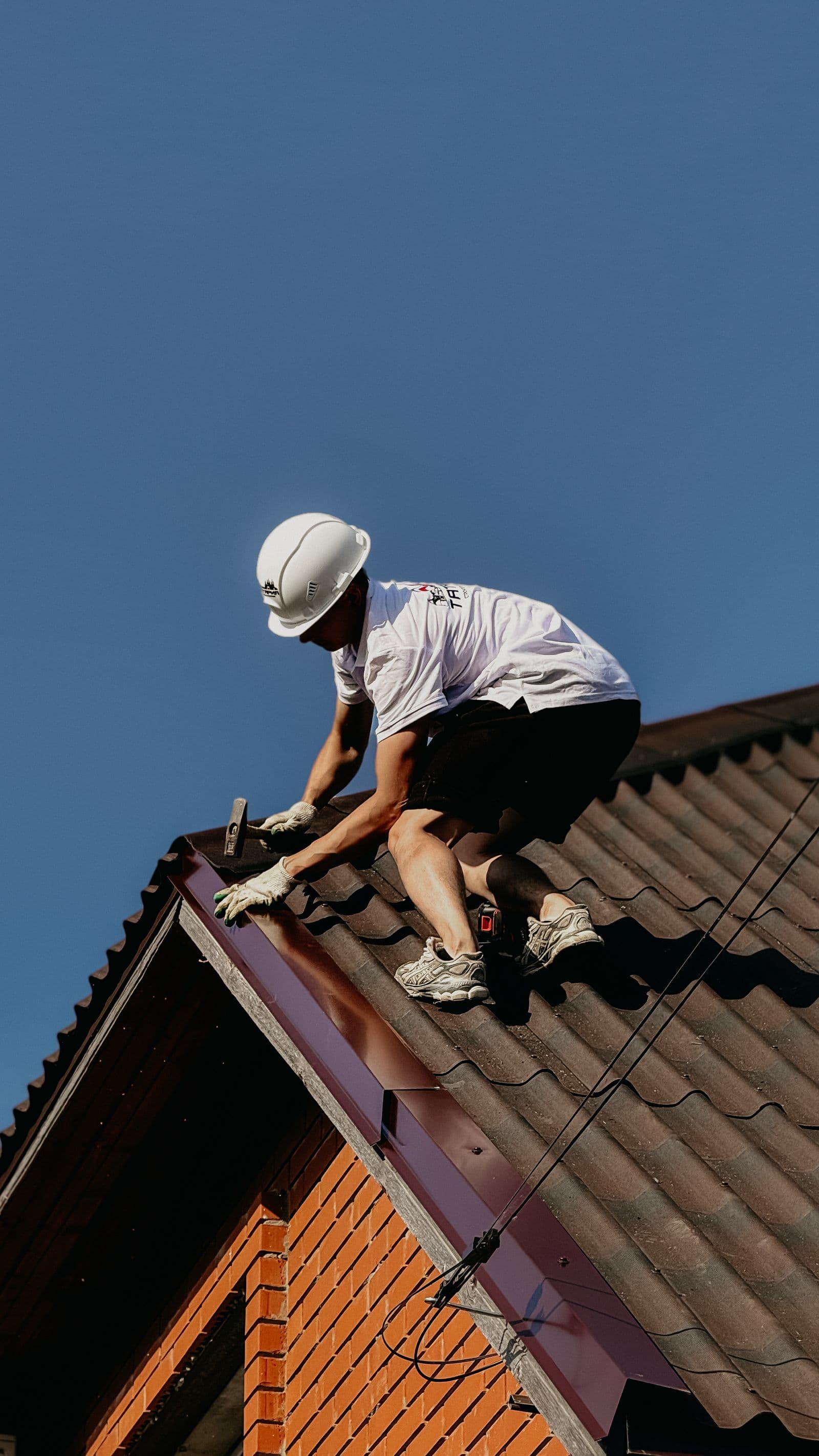
Work in progress on a chimney stack

What happens next

How chimney and fireplace service works in Port St. Lucie West

The estimate visit is separate from any paid work, so you can review the estimate before deciding.

  1. Tell us what you are seeing

    Call or send the estimate form with the service or concern you want reviewed. Include your property's ZIP code in Port St. Lucie West.

  2. Get a free estimate visit

    A technician can visit the property and provide a free estimate for chimney or fireplace service.

  3. Approve the work before it begins

    Paid work requires a deposit. If you cancel after paying the deposit, the company retains it.

Understanding Port St. Lucie West properties

What a St. Lucie West chimney actually is

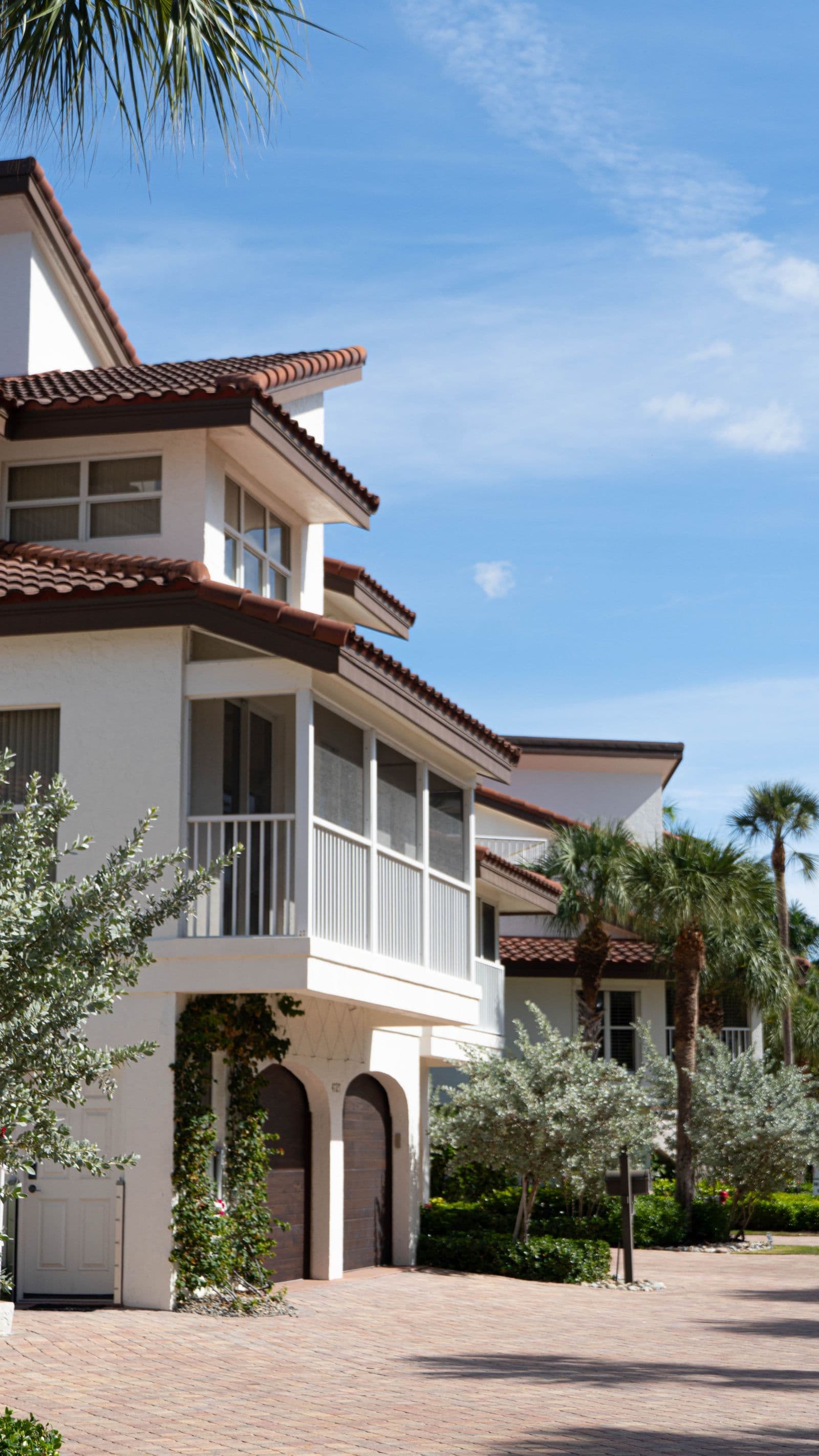
St. Lucie West grew up as planned development on the west side of Port St. Lucie, just off I-95, and its housing stock is overwhelmingly modern construction. That means concrete-block-and-stucco building almost everywhere, and almost no century-old masonry anywhere. The typical fireplace here is a factory-built metal unit with a metal flue, housed in a wood-framed chase that's finished in stucco or siding to match the house. From the street it reads as a chimney; structurally, it's a lightweight tower with a sheet-metal lid.

items to evaluate before any repair scope is proposed

The firebox side has its own list. Factory-built fireplaces use refractory panels that crack with age and heat, plus dampers, doors, and screens that corrode in our humidity. These systems are made of matched, tested parts. The fix is fireplace repair with components that actually belong to the unit, not improvised patches. A cracked back panel is easy to ignore in a fireplace you light a few times a year, and that's exactly why it shouldn't be.

Hurricane season is the main event

On the Treasure Coast, June through November is the season that shapes everything else. St. Lucie County has taken direct hurricane hits in living memory (locals still talk about 2004, when two storms crossed this stretch of coast within weeks of each other), and every summer brings at least a few systems worth watching. St. Lucie West sits inland of the barrier islands and west of the interstate, which spares it storm surge, but wind and rain arrive at full strength.

The chimney chase is usually the tallest, most exposed thing on the roof, and hurricanes test it in ways ordinary weather never does. Sustained wind works caps and chase covers loose, gusts lift flashing that was already tired, and rain gets driven sideways into seams that vertical rain never touches. A cover that survived ten quiet summers can leave in one bad afternoon, and once the lid is compromised, every storm after it pours water into the chase.

The habit worth keeping: after any system passes close, take a two-minute look from the ground. A cap sitting crooked, a chase cover edge curled up, a new stain running down the stucco. Any of it deserves professional eyes before the next front, because chase framing and drywall damage compound quickly once water has a path. Getting ahead of storm season with a pre-June check of the cover, cap, and flashing is cheaper than any version of reacting to it.

Summer rain and the leak that shows up somewhere else

Outside of named storms, St. Lucie West still gets its rain the Florida way: hard, fast, and most summer afternoons, often with serious lightning attached. From June through September that's a near-daily water test of every seam on the chase, and a stucco-clad chase has plenty of seams. Hairline stucco cracks, tired sealant at the storm collar, and flashing where the chase meets the roof all drink a little water per storm, and the storms don't stop coming.

The frustrating part is that chase leaks almost never announce themselves at the chimney. Water follows framing and drywall, so the evidence shows up as a ceiling stain a few feet away, a soft spot in a wall corner, or a musty smell in the room next door. Chimney leak repair on these systems starts with finding the true entry point (cover, collar, cap, cracked stucco, or the roofline joint), because sealing the wrong spot doesn't stop the water, it just reroutes it somewhere new.

Flashing deserves its own mention. Where the chase meets the shingles is the most leak-prone joint on many St. Lucie West roofs, especially on homes now on their second roof. Reroofing crews don't always rework the chase flashing properly. If a leak appeared after a new roof went on, that joint is the first suspect, and chimney flashing repair is usually the cure.

Nine humid months, a handful of fires

Winters here are mild even by Florida standards: a few genuine cold snaps a year, and that's when the fireplaces of St. Lucie West earn their keep. For a chimney fire, suspected carbon monoxide or gas, an unstable chimney, or another immediate danger, leave the area and call 911 or the utility first. That's the source of the musty 'fireplace smell' homeowners notice in July, and of the quiet corrosion eating at dampers and firebox parts that nobody sees happening.

An idle flue also makes attractive real estate. A missing or damaged cap is an open door for birds, squirrels, and raccoons, and a nest discovered on the first cold night of December is nobody's favorite surprise. It blocks the flue, it's a fire risk, and it usually announces itself with smoke in the living room. A sound cap prevents the whole category.

The fix for all of it is rhythm, not heroics. A chimney sweep and check before the first fire of the season clears out residue and confirms the damper, panels, and flue are ready to run. Even light use leaves deposits, and a system that's been sealed up since spring deserves a look before it's lit. Doing it in the fall, before the first cool front sends everyone to the phone at once, is the easy version.

Straightforward chimney help in St. Lucie West

A technician can visit the property and give a free estimate.

The cadence that serves this side of Port St. Lucie best: a cover, cap, and flashing check before storm season opens in June, a sweep and inspection in the fall before burn nights, and a fast call after any storm that visibly moved something. For a chimney fire, suspected carbon monoxide or gas, an unstable chimney, or another immediate danger, leave the area and call 911 or the utility first. The easy first step is a look and a number, not a commitment.

Talk with our team

Need chimney and fireplace service in Port St. Lucie West?

Tell us what you are seeing and include your property's ZIP code. We will use those details to understand the service request.

Frequently Asked

Questions Port St. Lucie West Homeowners Ask About Chimney & Fireplace Service

Do St. Lucie West homes even have real chimneys?
Mostly they have factory-built fireplaces: a metal firebox and flue inside a framed, stucco- or siding-clad chase that looks like a chimney from the street. They're safe systems when maintained, but they age differently than masonry: chase covers rust, refractory panels crack, and sealant fails. They need the same annual attention a brick chimney does, just aimed at different parts.
We light maybe five fires a year. Does our fireplace really need an annual inspection?
A technician can visit the property and give a free estimate.
Why does my St. Lucie West fireplace smell musty every summer?
Humidity. A closed flue holds damp air against soot and metal all summer, and the result is that sour 'fireplace smell' that peaks in July. A sweep clears the residue that's feeding the odor, and a properly fitted cap keeps rain from adding to it. If the smell is more animal than ash, the flue may have a tenant; that's worth a look sooner.
What should I check after a hurricane or tropical storm passes through Port St. Lucie?
From the ground, look for a cap sitting crooked or missing, a chase cover edge lifted or curled, new stains running down the chase, and any debris on the roof around it. Then watch ceilings near the fireplace for stains over the following week. Anything that looks moved or newly wet deserves professional eyes before the next storm. Chase leaks compound fast once water has a path.
The leak started after we got a new roof. Is that the chimney?
Quite possibly the joint between them. The flashing where the chase meets the roof is the most leak-prone seam on many St. Lucie West homes, and reroofing crews don't always rework it properly around a chase. If water appeared after the new roof went on, that flashing is the first suspect; a leak evaluation traces the actual entry point before anything gets sealed.
What do chimney and fireplace repairs in St. Lucie West usually cost?
Honest answer: it depends on which part of the chimney failed, and that is not something anyone can tell you over the phone. A cap swap and a crown that has to be re-cast are different jobs on the same chimney. What moves the number is roof access and stack height, the materials appropriate to the chimney and its exposure, how far the failure has already run, and whether several items can share one visit instead of three separate trips. A technician can visit the property and give a free estimate. Every approved paid job requires a deposit. If you cancel after paying the deposit, the company keeps it.

Ready to schedule chimney service in Port St. Lucie West?

Tell us what you are seeing, include your property's ZIP code, and call to request a technician estimate visit.