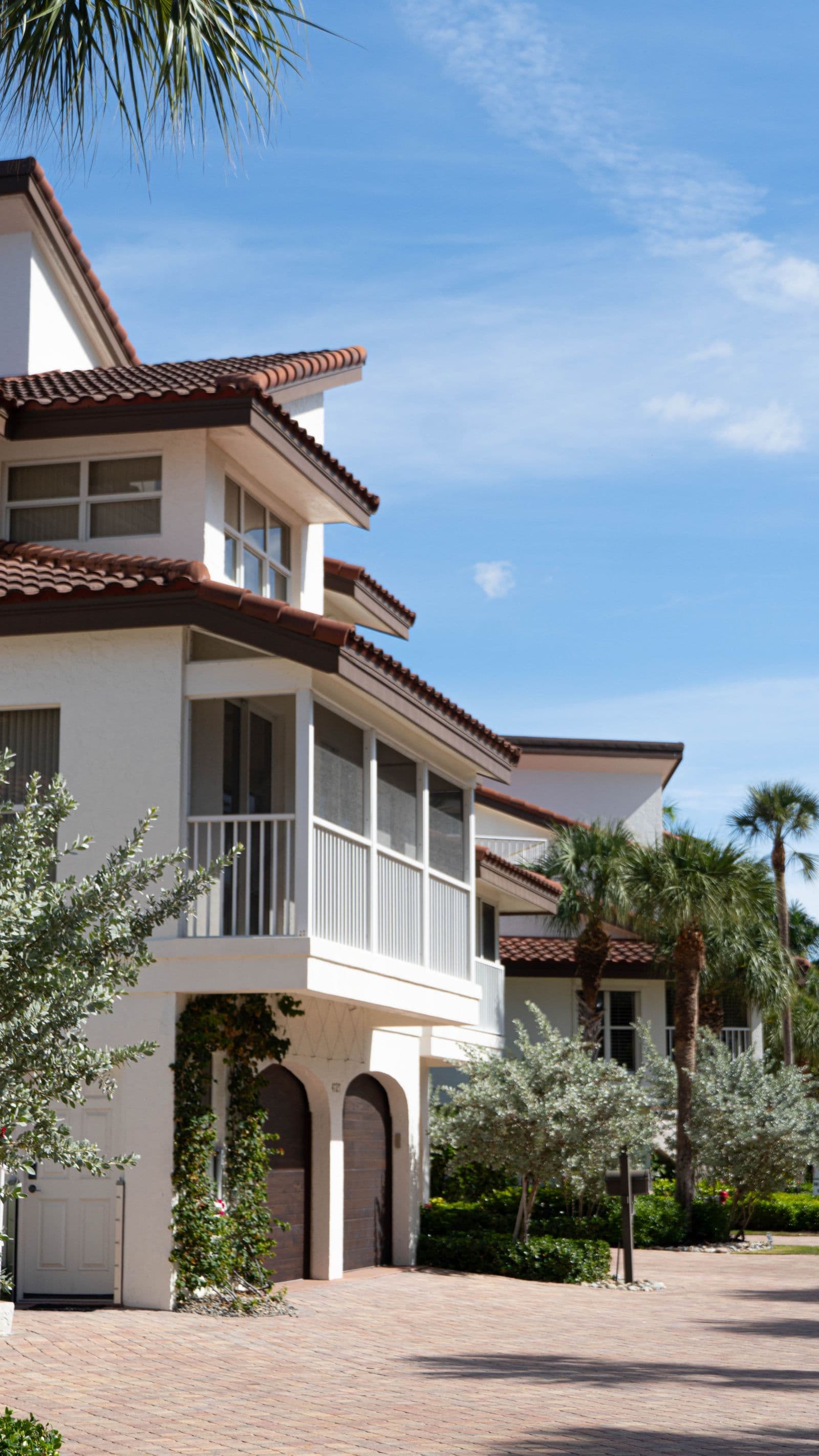
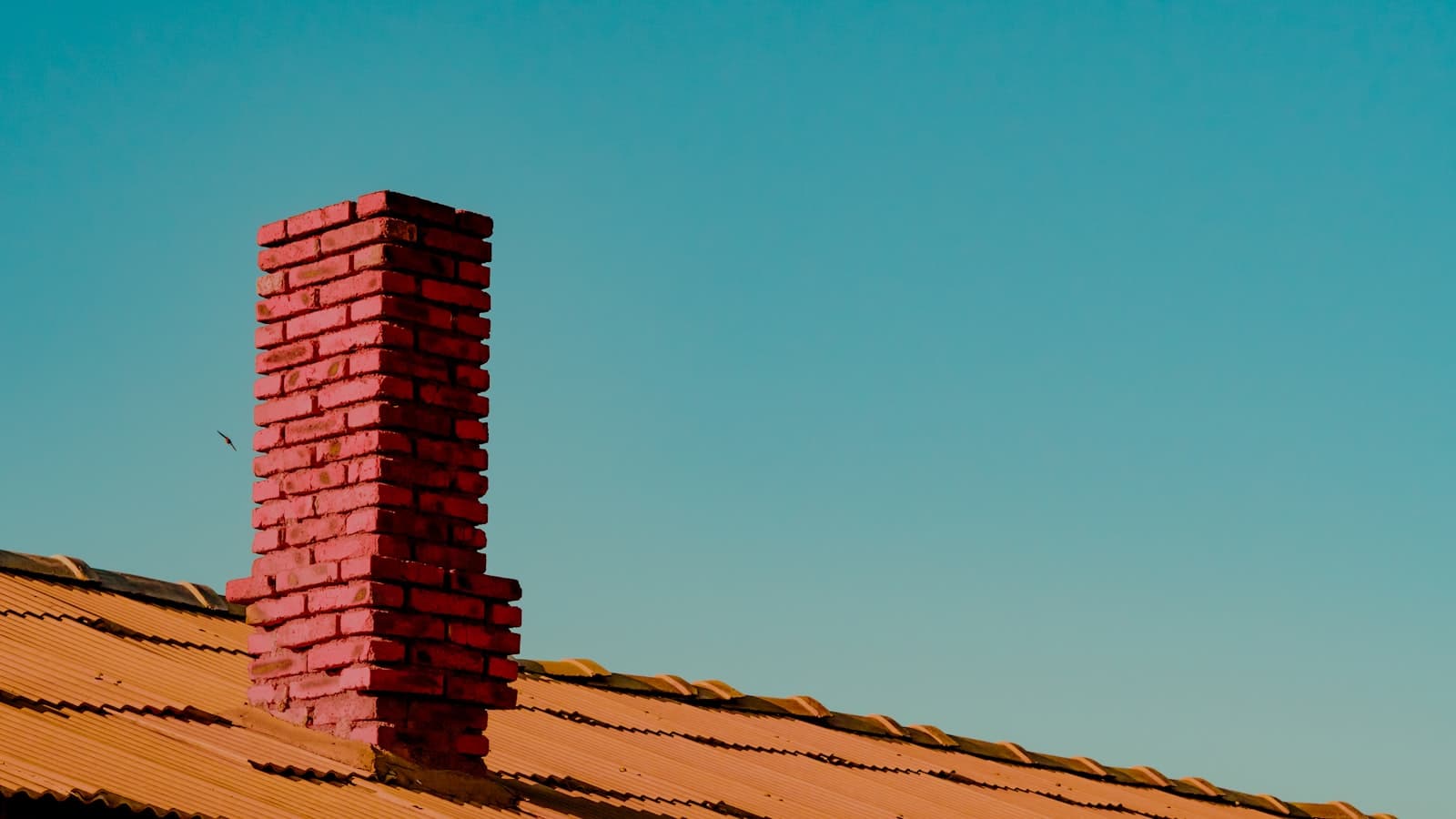
Port Orange’s growth came in waves through the later twentieth century and beyond, so much of the housing stock is concrete-block and frame construction from the 1970s through the 2000s, with newer subdivisions still filling in the edges. Homes from those decades rarely carry full masonry chimneys. Instead, most have factory-built fireplaces vented through a framed, sided chase, the boxy chimney-shaped structure on the roofline that looks like masonry from the street but is really wood framing, siding, and sheet metal.
On these systems, the failure points are small and specific: a chase cover that has rusted through or ponds water, a cap that’s undersized or missing, storm-driven rain finding the seams at the chase top. None of it is dramatic until water gets into the framing, and then the repair bill stops being small. Chase cover repair and a correctly sized cap may address common cap- and cover-related water-entry paths when those components are the source: modest parts, outsized consequences when they’re neglected.
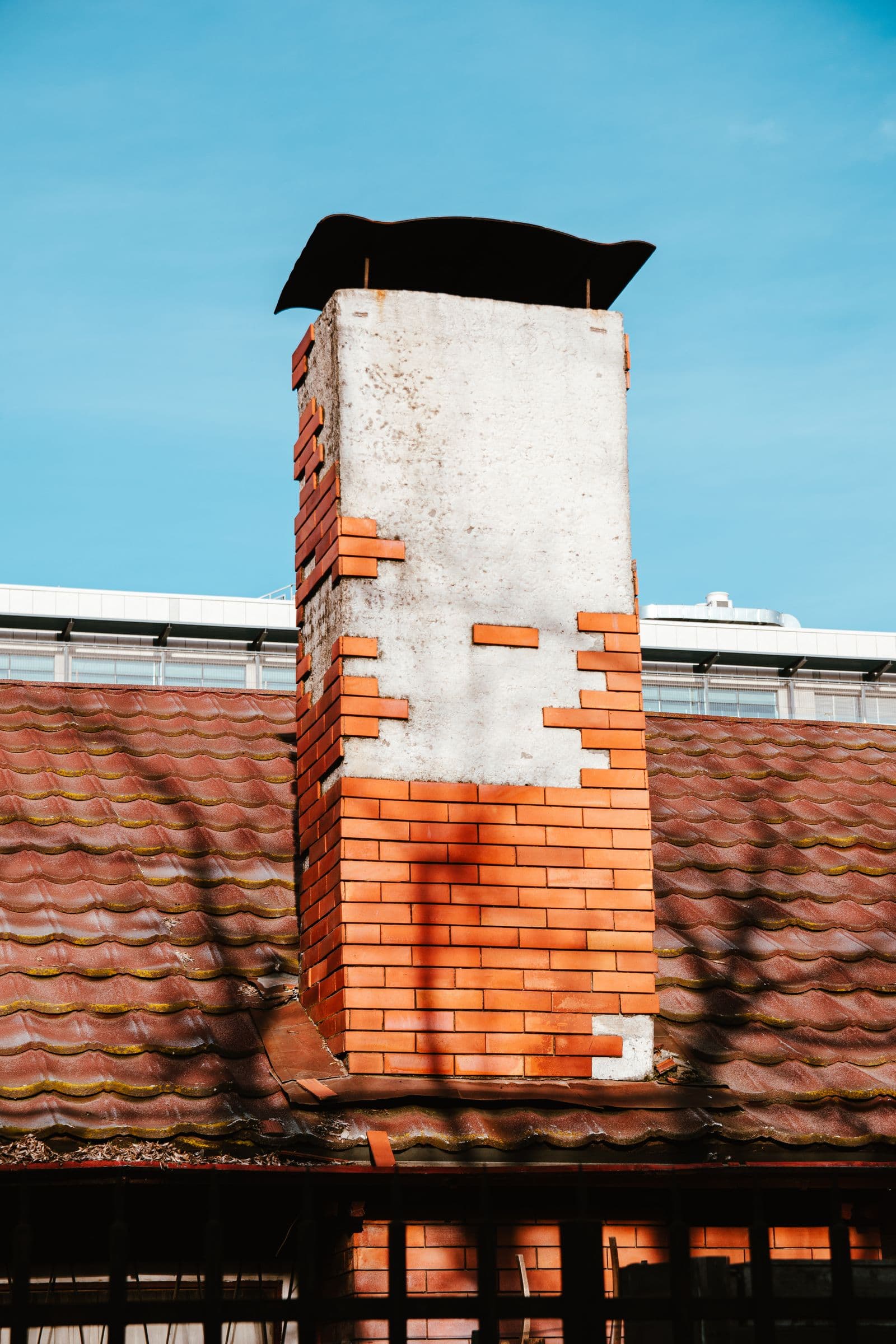
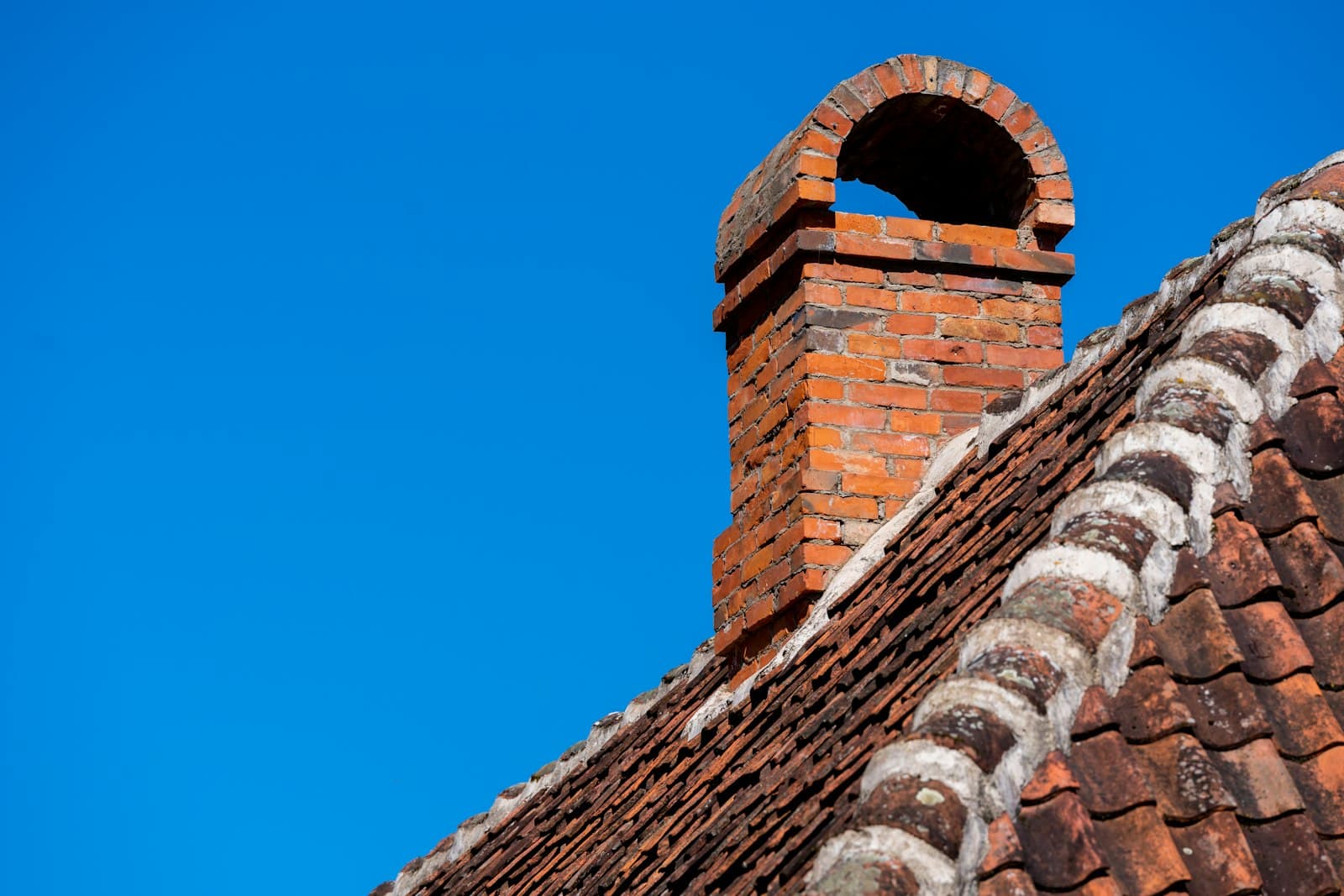
The city’s older pockets tell a different story. Homes from earlier decades are likelier to carry genuine masonry chimneys, and decades of Florida rain and humidity work on brick and mortar the slow way: open joints, hairline crown cracks, clay flue tiles that have shifted or cracked with age. Masonry repair or, where an inspection identifies a deteriorated flue, chimney relining may be proposed based on the documented condition. The point is that chimney service in Port Orange depends on the system at the address, and that system should be identified before work is proposed.